Category: Education

Manipal’s Ranjan Pai eyes Byju’s stake in Aakash 

No Comments

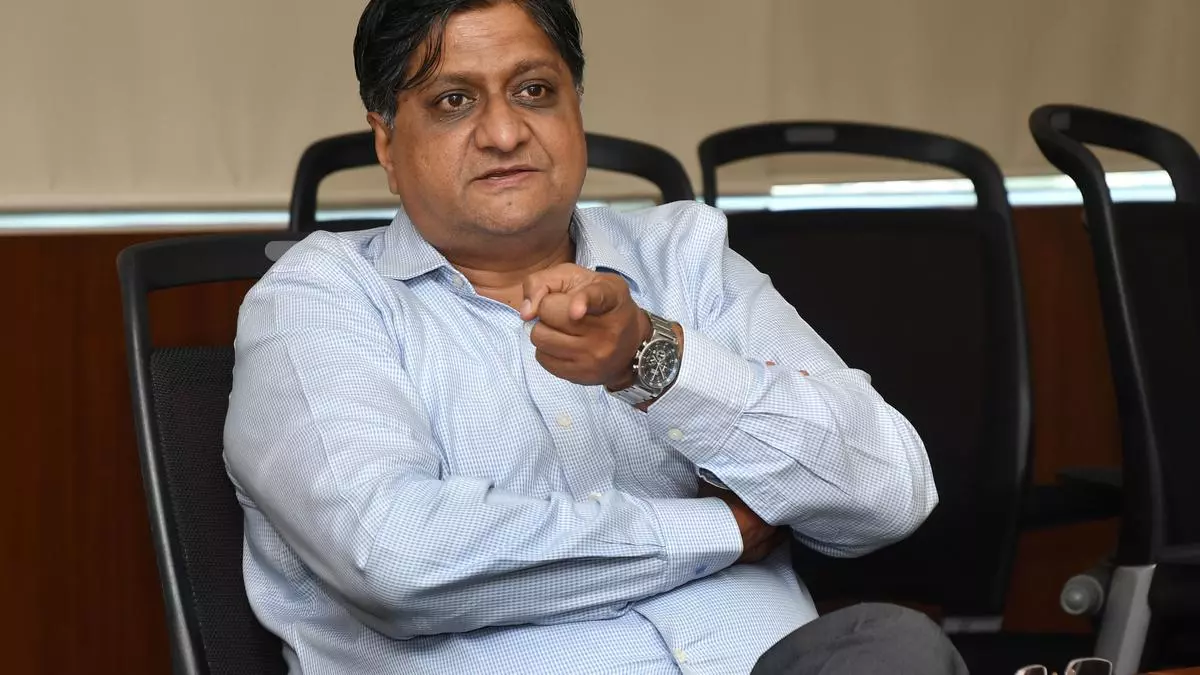
Months after taking a large stake in Byju’s owned Aakash Educational Services, Ranjan Pai, chairman of Manipal Education and Medical Group is readying to take a larger stake in Aakash.

  • Also read:Aakash’s head of marketing Sushant Kumar quits amid turmoil

According to several highly placed sources, Pai is eyeing at 42 per cent stake collectively held by Byju Raveendran and Think and Learn (see chart). Think and Learn is the holding company of Byju’s. Apparently, Pai has offered to acquire the stake at a valuation of $700 – 800 million, which is at a slight premium to the valuations at which Pai acquired stake in Aakash earlier this year.

Easier option

For cash-strapped Byju’s tangled in multiple lawsuits, selling stakes to Pai could offer respite to its sinking financials. In September last year, Byju’s had put two of its subsidiaries – Epic and Great Learning, on the block. “There hasn’t been any firm interest on these assets so far and the transactions are hanging by the hook with no progress,” said a person familiar with the matter.

With Aakash being the jewel crown for Byju’s, encashing stake in the company could be an easier option, fetching better valuations vis-à-vis other businesses.

However, a spokesperson for Byju’s, when contacted over an email, said, “There is no such conversation taking place between Think and Learn and Manipal Education Group.”

Nonetheless, sources say the deal would be a win-win for Byju’s and Pai.

All or nothing

Meanwhile, expanding stake to 82 per cent would strengthen Pai’s position in Aakash’s board. “Right now, the vetoing power is still with Byju’s and that goes against Pai’s style of operating. He would like to have everything or nothing when it comes to board decisions,” said another highly placed source.

It is also learnt that if Pai’s offer to Raveendran and Think and Learn is turned down, he may want to exit Aakash at a valuation of $600 million. “This is approximately the price at which Pai entered Aakash and his decision has been communicated to the board and Raveendran,” said a source quoted earlier.

Further with the Chaudhry family, erstwhile Promoters of Aakash backing off from the share-swap deal which would have given them commensurate stake in Think and Learn and was part of the original share purchase agreement, it needs to be seen how they would continue to hold interest in Aakash.

In November 2022, Ranjan Pai invested about $200 million in Aakash to help Byju’s clear its loan outstanding to Davidson Kempner and is said to have has invested around $300 million so far in Aakash including the equity conversion that concluded last year.

  • Also read: Byju’s to hold EGM on March 29 for increasing the authorised share capital

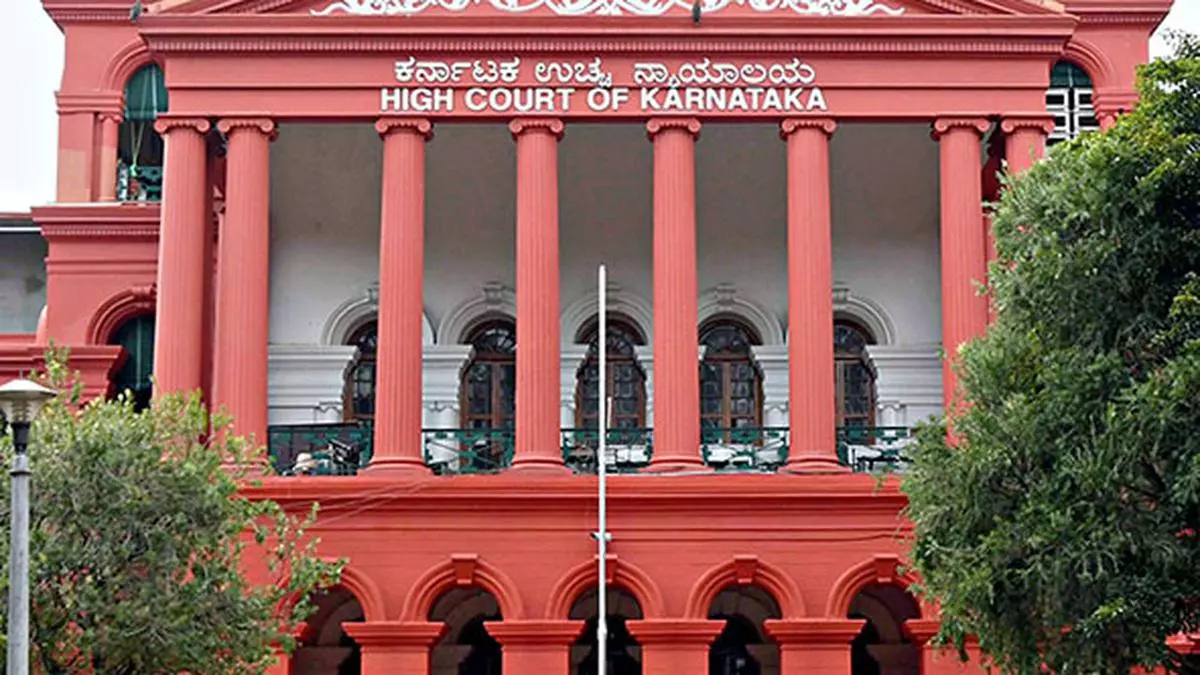
Recently, a group of investors in Byju’s parent Think & Learn (T&L) unanimously voted to remove founder Byju Raveendran at the EGM held on February 23. The Karnataka High Court extended the interim order asking the shareholders not to bring in effect any resolutions passed by investors at EGM.

In FY22, Byju’s reported net loss of ₹8,245 crore as against ₹4,564 crore of loss in FY21.

DY Patil University starts BTech course on semiconductor

No Comments

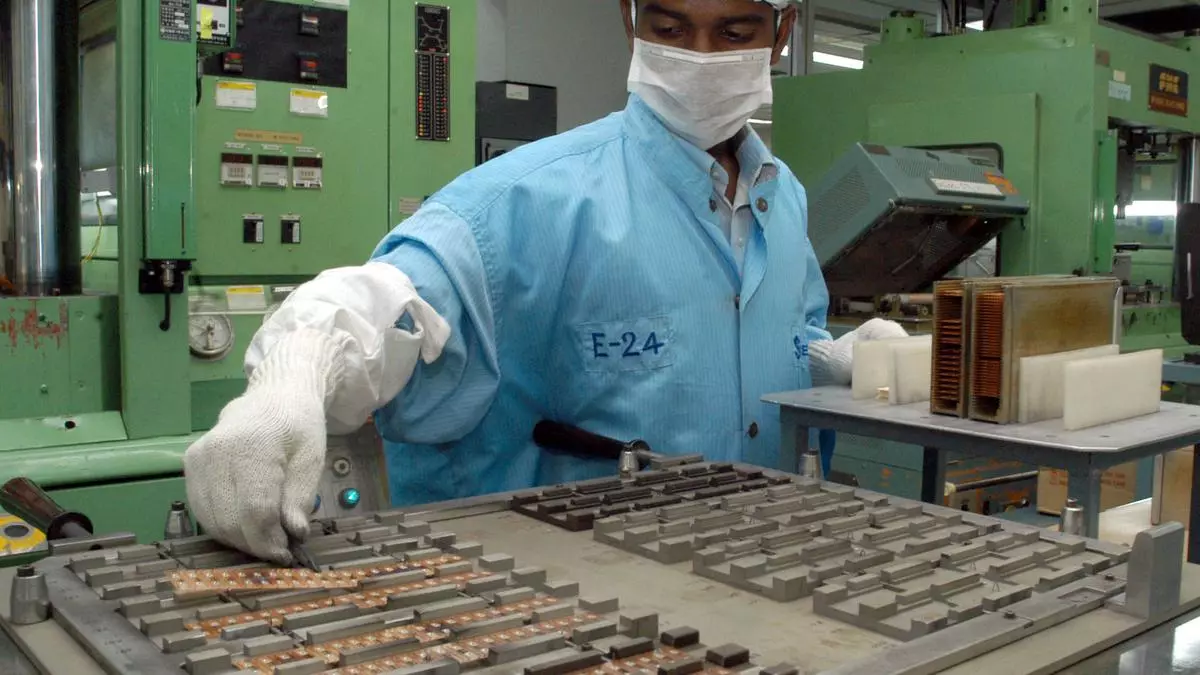
In a bid to increase the talent pool on the back of growing investments, DY Patil International University, Pune for the first time in the country has started a BTech course on semiconductor.

Prof Prabhat Ranjan, founder Vice chancellor of DYPIU said while VSLI (very-large-scale integration) design programs have been running for quite some time, BTech in semiconductor will focus more on the needs of existing and upcoming semiconductor industries in India and abroad.

  • Also read:Zoho’s Sridhar Vembu keen on setting up semiconductor design project in rural Tenkasi

Tata Electronics has announced plans to set up a semiconductor fab in partnership with Powerchip Semiconductor Manufacturing Corp, Taiwan. This unit will be constructed in Gujarat with investment of ₹91,000 crore.

RRP Electronics is setting up the first semiconductor plant at New Mumbai in Maharashtra with investment of ₹5,000 crore over the next five years. It will pump in another ₹5,000 crore in the second phase.

Zoho’s co-founder and CEO Sridhar Vembu also plans to set up a semiconductor design project in Tamil Nadu.

Student innovations for sustainability challenges awarded at IIT-Madras

No Comments

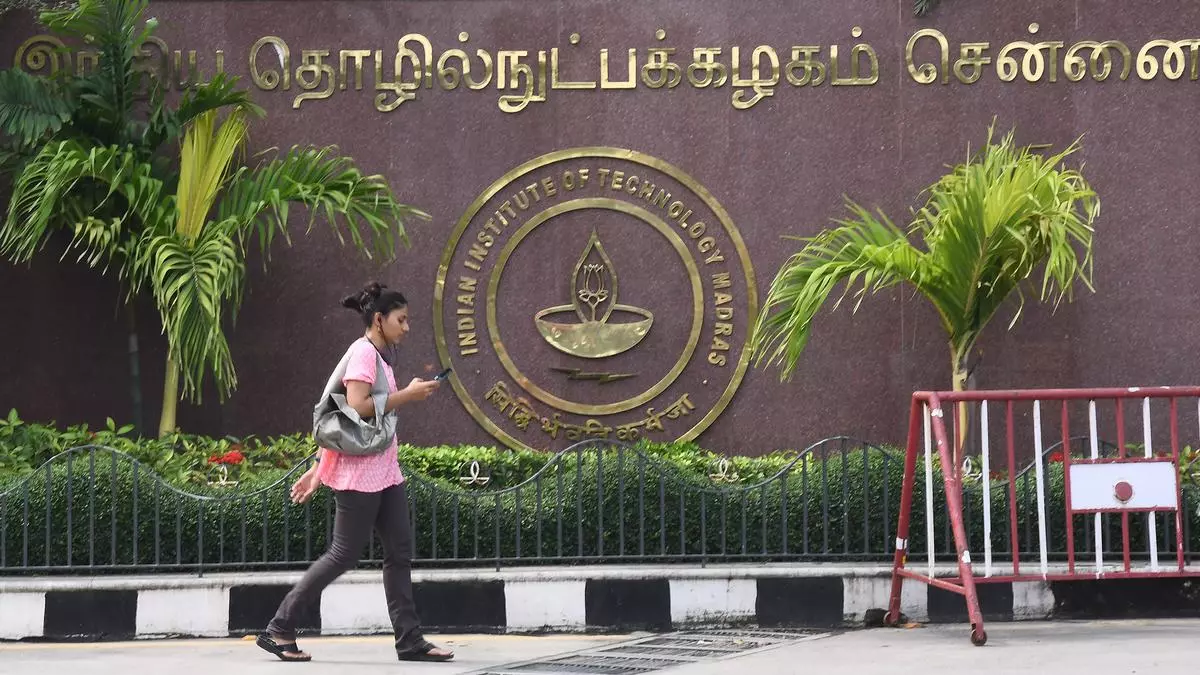
Student teams from Velalar College of Engineering, Vivekananda College of Engineering for Women, MEPCO Schlenk and others emerged as winners of a sustainability innovation challenge held in IIT-Madras on Saturday. 

  • Also read:IIT-Madras’ brain research work finds a mention in Nvidia GTC

Conducted by Pan IIT Alumni Leadership Series (PALS), an initiative led by alumni of IITs, finalist student teams from colleges across South India showcased innovations at the eleventh edition of innoWAH! competition. The challenge is for engineering students to conceptualise, design and create prototypes of their ideas.  

Mohan Narayanan, a governing board member of PALS told businessline that the idea is to make students beyond metros and across India think like entrepreneurs. “Over the years, we have seen an evolution in the participants’ approach to the competition. Today, many of them come with clear go-to-market ideas for their innovations and are also keen to be job creators rather than job seekers,” he said. Winning teams will be supported by PALS to grow their ventures in the form of mentoring and making connections to experts and investors, he added.

Held at the IIT-Madras campus, sustainability was the theme of this year’s competition. Ramaswamy P V, global CIO and head of cybersecurity at Virtusa was the chief guest. The expo was open to visitors and awards were announced at the end of the exhibition. Students came up with innovative startup solutions around the theme that attracted the attention and accolades of visitors and guests.

PALS is an initiative led by alumni of IITs and it aims to augment quality of engineering education in partner colleges. It started as a series of lectures given by IIT alumni in various colleges and is now a year-long program comprising various activities. The program extends its reach to institutions across Tamil Nadu, Telangana, Andhra Pradesh, Karnataka and Kerala. 

CA Institute Revises Exam Dates in view of Lok Sabha Elections

No Comments

The CA Institute, the world’s largest accountancy body, has brought in changes to its earlier announced exam dates so as to ensure they don’t clash with the upcoming Lok Sabha elections.

The revision in exam dates applies for the intermediate course examination and final examination. It also applies for the international taxation assessment test to be taken up by ICAI members in May this year.

According to the revised schedule, the intermediate course exams will be held on May 3, 5 & 9 (Group I) and May 11, 15 and 17 (Group II). In January this year, CA Institute had announced that the intermediate course exams will be held on May 3, 5 and 7 (Group I) and May 9, 11 and 13 (Group II).

The announcement of revised dates comes after the Election Commission released the schedule of the general elections.

The elections will be conducted in seven phases in April-June 2024 for 543 Lok Sabha seats. The first phase of polling will take place on April 19. The results will be declared on June 4.

FINAL EXAMINATIONS 

In the case of Final examinations, the revised dates are May 2, 4 and 8 (Group I). For the Group II, the revised dates are May 10, 14 and 16.

In January this year, the CA Institute had announced Final Examination dates for Group I (May 2, 4 and 6 ).  For Group II, the earlier announced dates were May 8, 10 and May 12.

Also read: Printers see muted business this election season

The CA Institute has also revised the dates of its international taxation assessment test for its members to May 14 and 16 from May 10 and 12 announced earlier.

Meanwhile, the CA Institute has also made it clear that there would be no change in the examination schedule in the event of any of the examination schedule being declared a public holiday by the Centre or any State government/local authority.

Currently, ICAI has 4 lakh members and 8.5 lakh students. 

Physics Wallah’s online business sees 100% growth, aims to double its revenue in 2024-25

No Comments

Edtech unicorn Physics Wallah (PW) has witnessed over 100 per cent growth in its online business for the academic year 2024-25.

  • Also read: Edtech unicorn Physics Wallah bets big on offline expansion, to open over 60 centres by 2024

The Vishwas Diwas, PW’s annual flagship event, saw over 200,000 enrollments, resulting in more than ₹100 crore in revenue within 12 days from the start of flagship event for the academic year.

Growth driver

The online business of PW continues to be a growth driver for the edtech unicorn as nearly 60 per cent of the company’s revenue continues to be generated from this segment, said Atul Kumar, CEO PW Online. The offline sector accounts for 40 per cent of the revenue.

“Currently PW online has 27 lakh paid users of the app. We aim to double our revenue in this academic year,” said Kumar.

He noted that the internet penetration rate in India went up indicating a large addressable market and the significant potential for online learning, especially in areas where traditional brick-and-mortar education cannot reach due to heavy capital expenditure and teacher shortages.

  • Also read: PhysicsWallah FY23 revenue up 3.4x, profitable for third consecutive year

“With a rising number of students taking board and competitive exams annually, there is also a clear indication of the expanding scope for PW’s addressable market,” Kumar said.

PW online has seen increasing interest in learners opting for test preparation– NEET, JEE, UPSC, Gate and other exams.

“Our courses are priced at nearly one-third of the cost as that of others, while maintaining the quality of education. In test prep, NEET is our highest selling course,” he noted.

In FY23, the online paid course segment saw a surge of 182 per cent in enrollment as compared with the prior year, while its in-house Artificial Intelligence (AI) education suite, ‘Alakh AI’, has garnered over 1.5 million users in under two months since its launch.

The edtech unicorn Physics Wallah is on course to report more than ₹2,000 crore in revenue in the ongoing financial year 2023-24 (FY24), cofounder Prateek Maheshwari, told businessline.

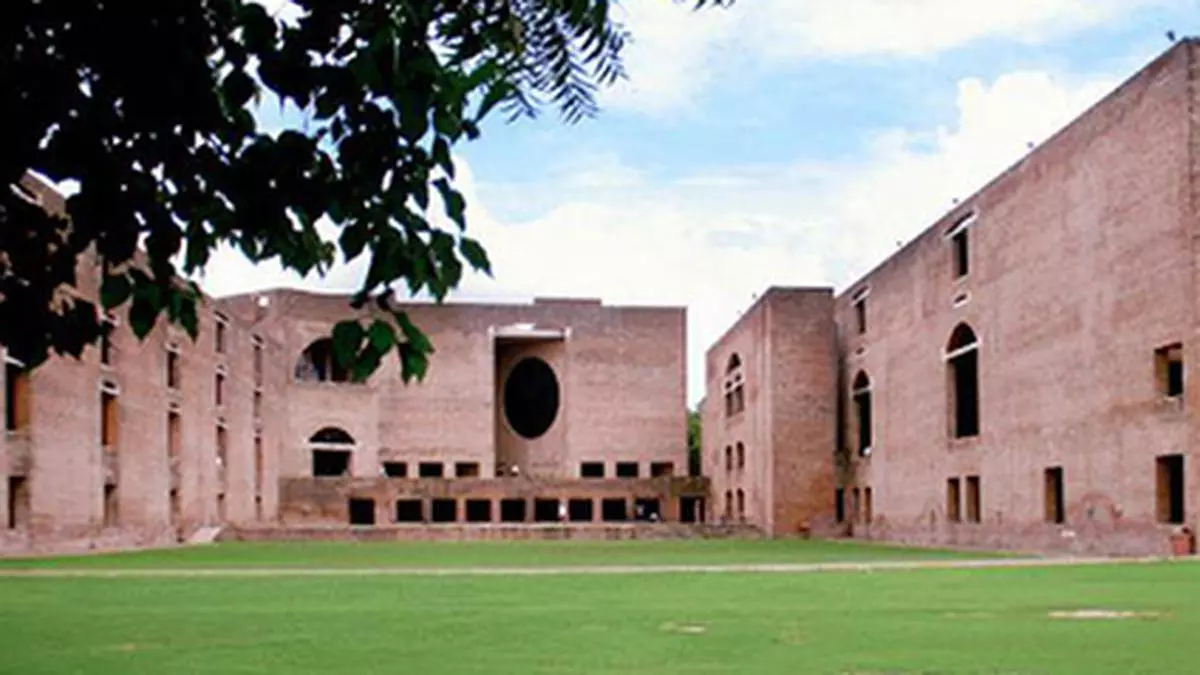
IIM Ahmedabad to offer courses on real estate

No Comments

Amid growing focus over luxury segments and premium homes, IIM Ahmedabad (IIMA) has launched a course on real estate in the form of an elective course offered within the MBA programs.

IIMA has launched four elective courses in the real estate domain that are well subscribed.

IIM Bangalore also offers real estate elective courses.

Few other institutions such as CEPT University, NICMAR University, RICS School of Build Environment, NMIMS do offer real estate programs. But the supply of higher education falls short of a gaping demand.

  • Also read: Indian Institute of Management Ahmedabad launches new 2-year online MBA programme

IIMA will now produce top-quality real estate specialists through its suite of core and elective courses across various MBA programs (1-year MBA-PGPX, 2-year MBA-PGP, and 2-year MBA-FABM).

The courses are being offered by Prof Prashant Das and Prof Abhiman Das.

“Students who earn this distinction set themselves apart from their peers and join an elite group of real estate professionals. We are delighted to have a chapter of ASG (Alpha Sigma Gamma of American Real Estate Society) at IIM Ahmedabad. This partnership allows us to work together to bolster real estate education in the region and disseminate information regarding the many opportunities in this field,” said Prof Prashant Das.

There are nearly 900 real estate programs (bachelors’/masters’) by the Royal Institute of Chartered Surveyors in the UK alone.

RICS accredits programs in Australia (120), Singapore (8) and Hong Kong (61). The Urban Land Institute lists nearly 90 universities globally (60 in the US alone) that offer real estate programs or specializations.

MIT, Harvard University, Wharton, Stanford, UC Berkeley, all have real estate programs up to PhD levels.

CMR College wins HMA-NMDC Sustainability and Business Quiz

No Comments

CMR College of Engineering & Technology has won the Sustainability and Business Quiz competition organised by the Hyderabad Management Association (HMA).

Organised in association with the NMDC, the quiz saw participation from 30 colleges in the preliminary round.

While Bhavan’s Vivekananda College of Science, Humanities & Commerce bagged the second prize, Gitam School of Business secured the third position. The winners received a cash prize of ₹30,000, ₹20,000, and ₹10,000, respectively.

Telangana IT and Industries Secretary Jayesh Ranjan and National Institute of Smart Governance Senior Vice-President Srinath Chakravarty presented the prizes to the winners at a function organised on Monday.

Top engineering and business colleges from the city including Symbiosis Institute of Business Management, JNTU, Indian Institute of Management & Commerce, Badruka PG Centre, and Andhra Mahila Sabha, participated in the competition, HMA President Jaywant Naidu said here in a statement on Wednesday.

IIT Madras Pravartak partners with VyVoxel to launch an AR/VR programming course

No Comments

IIT Madras Pravartak Technologies Foundation is partnering with VyVoxel, a US-based company, to offer a course on Augmented Reality / Virtual Reality (AR/VR) programming. The course is offered in online mode and has a duration of 60 hours.

The last date to apply for the first batch is March 31, 2024.

The course covers the basics of 3D modelling, marker and marker less AR, Virtual Reality programming and interaction and its applications in training, manufacturing and field service, C# programming, user interface design and exposure to applications in various industries such as healthcare, logistics, retail, ecommerce, branding and product launches and architecture.

The first batch will commence on April 1, 2024. As the course is being taught online, there will no restrictions of students admitted to each batch, says a release.

Byju’s denies financial irregularities, says ‘not privy to any report by MCA’

No Comments

Embattled edtech major Byju’s has said that there are no financial irregularities in the affairs of the company. The company said that it’s not ‘privy to any report by the MCA or the contents thereof’.

This comes at a time when there are news reports that the investigation arm of the Ministry of Corporate Affairs (MCA), the Regional Director, has reportedly submitted a detailed report on the alleged financial irregularities.

  • Also read: Karnataka HC extends interim stay on resolution passed at Byju’s EGM 

The Regional Director has alleged over a dozen Companies Act violations and financial irregularities, according to a news report. Following the analysis, the ministry will decide whether or not to refer the matter for further investigation.

“We are not privy to any report by the MCA or the contents thereof. However, we can confirm that there are no financial irregularities whatsoever in the affairs of the company. As far as the Companies Act is concerned, any observations are likely to be technical non-compliances, which have already been duly disclosed in our audited financial statements. We await any formal communication from the MCA,” said Byju’s spokesperson.

  • Also read: Aakash and Byju’s merger application withdrawn
Byju’s saga

Recently, the Karnataka High Court extended the interim order, asking Byju’s shareholders not to bring into effect any resolutions passed by investors at the extraordinary general meeting (EGM) held on February 23, reported businessline.

The court’s decision comes in response to an EGM called by a group of shareholders who voted to remove Byju Raveendran from his position.

During the hearing, Byju’s alleged that the investors had committed perjury, as there are discrepancies with respect to the date on which the affidavit attached to the statement of objections were filed.

NCLT cases

Separately, four investors — Prosus, GA, Sofina, and Peak XV — also moved to the National Company Law Tribunal (NCLT) Bengaluru, challenging the $200 million rights issue and filing a petition against oppression and mismanagement by the company.

The NCLT has asked the edtech major to keep the proceeds from the rights issue in an escrow account while the matter is being heard.

In a separate hearing, the NCLT Bengaluru bench has scheduled the next hearing in the insolvency plea filed by BCCI against Byju’s on March 20.

Byju’s argued that BCCI has not rendered any service post the culmination of the contract between the two parties. Thus, the BCCI’s claims of pending dues of ₹158 crore from Byju’s cannot be considered an operational credit. The company argued that invoices for the earlier contract have been paid, and the present claim is for the period post-expiry of the agreement.

NPTEL is a big hit among students and faculty 

No Comments

When professor Mangala Sunder Krishnan, who teaches Chemistry at IIT Madras, came up with the idea of a ‘virtual university’ back in 1999, he had in mind a few thousand students viewing videos of classroom lecture recordings. 

And then came the internet. 

It brought in its wake the likes of Google and YouTube. Riding on them, Prof. Krishnan’s idea exploded and has now morphed into India’s biggest ‘massive open online course (MOOC)’ for higher education. 

Welcome to the NPTEL (National Programme on Technology Enhanced Learning), a joint effort of seven Indian Institutes of Technology and the Indian Institute of Science, Bengaluru.

A click of a button can take you into the fairy-tale world of online education—you can pick any of the more than 6,000 courses on subjects as diverse as engineering, AI, languages and law and immerse yourself into 65,000+ hours of video content—absolutely free.  

In 2023, a whopping 5.2 million people availed themselves of these courses—that is nearly 50 times as many as in 2014. A fifth of these 5.2 million sat for the exams that would earn them a certificate, paying a nominal fee of ₹1,000 per person per test.

The uptrend has continued into 2024 too—for the 719 courses offered in the January-April period, 1.5 million have joined.  

If NPTEL were a commercial enterprise, it would be a multi-billion-dollar company. 

Beyond the numbers 

Housed in the Indian Institute of Technology, Madras, NPTEL is an initiative of seven Indian Institutes of Technology and the Indian Institute of Science, Bengaluru. It is one of the nine, (the biggest) National Coordinators of the government of India’s Swayam initiative, self-learning platform. It also runs the online, 4-year, BS Degree course in Data Science, offered by IIT Madras. The courses offered, therefore, carry a professional heft.

Access to quality education 

Taking quality education to nooks and crannies of the country has an impact way beyond giving students some extra pedagogic nutrition to help them handle their courses better. NPTEL has helped faculty as much as students, enabled physically-disabled persons to avail themselves of higher education and fuelled entrepreneurial zeal by giving people tools to start businesses, says Bharati, Head of Operations, NPTEL.  

Many teachers and professors from remote towns and villages have availed themselves of these courses, just to enrich themselves and be able to teach their students better. To give a few examples, S Chandralekha, Assistant Professor, K S Rangasamy College of Technology, Tiruchengode, Tamil Nadu, has completed 39 NPTEL courses; G Chidananda, Associate Professor, Bapuji Institute of Engineering and Technology, Davanagere, Karnataka, has done 23 courses, Shaik Jakeer Hussain, Professor at the Vignans Foundation for Science, Technology and Research, Guntur, Andhra Pradesh, 17. Bharati gave the example of a wheelchair-bound student who suffers from muscular dystrophy, S Prasanth, who has taken up the BS degree course in data science.

And then, there is this example of Pamir Roy, who did his B Tech in mechatronics in Arunachal Pradesh but wanted to learn AI to impart intelligence to robots. He began taking NPTEL courses in 2016-17 and so far, has completed over 30, but importantly, brought his dream of starting a company to fruition. His company, Glet Carafe (meaning ‘money bottle’), headquartered in Bengaluru, which he started in 2021 when he was just 21 years old, provides solutions in software and AI, and has several international clients. “This wouldn’t have been possible without NPTEL,” Roy told businessline

Karnataka HC extends interim stay on resolution passed at Byju’s EGM 

No Comments

The Karnataka High Court extended the interim order asking Byju’s shareholders not to bring in effect any resolutions passed by investors at extraordinary general meeting (EGM) held on February 23.

The court’s decision comes in response to an EGM called by a group of shareholders, who voted to remove Byju Raveendran from his position.

During the hearing, Byju, alleged that the investors had committed perjury as there are discrepancies with respect to the date on which the affidavit attached to the statement of objections were filed.

Court direction

The court directed Byju’s to put their allegations on writing, if they want the court to take notice of it and the case was thus adjourned after Byju’s sought time to file a response to the objections filed by investors.

“In today’s Karnataka High Court hearing, the court has granted time to Think and Learn to file a rejoinder to the response filed by some of the investors. The stay against the purported resolutions at the ‘so called’ EGM that the investors attempted to pass on 23 Feb 2024 continues and, as such, none of those resolutions can be given effect to. They are unactionable. The matter will next be heard on 28th March,” said BYJU’S spokesperson.

On February 21, Think and Learn, parent of BYJU’S, had approached the Karnataka High Court for a stay on the decision of the EGM, called by a group of investors. The HC refused to stay the EGM, but asked the investors not to bring into effect the resolution passed till March 13.

Investors who have called for the EGM include General Atlantic, Chan Zuckerberg Initiative, MIH EdTech Investments, Own Ventures, Peak XV Partners (formerly Sequoia Capital India & SEA), SCI Investments, SCHF PV Mauritius, Sands Capital Global Innovation Fund, Sofina, and T. Rowe Price Associates.

Separately, four investors–Prosus, GA, Sofina, and Peak XV, also moved the National Company Law Tribunal (NCLT) Bengaluru challenging the $200-million rights issue and filing a petition against oppression and mismanagement by the company.

The NCLT has asked the edtech major to keep the proceeds from the rights issue in an escrow account while the matter is being heard.

BCCI-NCLT case

In a seperate hearing at NCLT Bengaluru bench has scheduled the next hearing in the insolvency plea filed by BCCI against BYJU’S on March 20.

BYJU’S argued that BCCI has not render any service post the culmination of the contract between the two parties. Thus, the BCCI’s claims of pending dues of ₹158 Cr from BYJU’S cannot be considered as an operational credit. The company argued that invoices for the earlier contract have been paid and the present claim is for the period post expiry of the Agreement.

BCCI had approached the Bengaluru bench of NCLT against Think & Learn Pvt Ltd for defaulting on dues of close to ₹160 crore over the non payment of dues as part of its jersey sponsorship deal.

In December, the NCLT issued a notice to the edtech major in connection with the BCCI’s insolvency petition filed in November.

Are AI chatbots a problem in Delhi schools?

No Comments

Artificial Intelligence is becoming a problem for schools in the Capital as teachers are increasingly beset with identical assignments, similar essays, and frequent instances of plagiarism. They are noticing a big difference between class work and home work which they believe students are copying from AI-based technologies that generate text, most popularly ChatGPT.

Most schools have banned personal smartphones. Despite that, an internal survey in a local international school showed that students enrolled in IB and IGCSE courses at the high school level use such chatbots fairly frequently. This is already reflected in their learning and comprehension levels. They noticeably falter on the same kind of assignments as handwritten assignments in class. “This basically means that they are copying homework from AI,” said a teacher.

Impact on learning abilities

Teachers are anxious about the students’ learning abilities and their future performances. “They can’t even write a single paragraph without looking at their laptops,” an English teacher said. At this particular school, Chat GPT has been disallowed. Its website has been blocked from the school Wi-Fi, but still students find ways to sneak, and the teachers worry about their performance in upcoming mid-terms.

Ethical considerations

However, a questionnaire filled out by high school students in 11th grade in IB showed that 9 out of 10 students use AI to do their school assignments. When asked about the use of AI, one student responded by saying, “I think that it’s inevitable and therefore we should try to accommodate it, in an ethical and limited manner.” Another student said, “It’s the future. If the AI can do it, we probably shouldn’t be learning it in any case.” Using AI for research saves time for students and gets their work done faster. “I feel using AI to clear our understandings about something is not wrong but completely depending on AI and not giving our own outputs or completely copying from AI is definitely wrong.” said another student.

According to Sudha Acharya, Principal, ITL Public School, Dwarka, the problem is not AI but how it is used and regulated.

“We do not allow the use of personal smartphones in the school. But we are one of the first CBSE schools to start teaching AI to students, much before the chatbots came into use. We believe that new technology needs to be learnt. Our teachers use the latest technologies in the classroom for their presentations, PPTs etc. And we teach it as a subject to the students. But we do not allow it to interfere with our academic integrity,” Acharya said.

Aakash and Byju’s merger application withdrawn

No Comments

In the National Company Law Tribunal (NCLT) hearing on Tuesday, Think and Learn, the parent company of Byju’s, and Aakash Educational Services Ltd (AESL) have withdrawn the merger petition.

“The petition to withdraw the merger approval was a pre-planned and mutually-agreed process. Both the companies were running independently as separate entities under the Think and Learn brand and continue to do so. What happened at NCLT today was procedural to complete the required formalities,” said Byju’s spokesperson.

The merger was planned as a part of the cash-and-stock deal, when the embattled edtech Byju’s had acquired the brick-and-mortar test prep company for $940 million.

  • Also read: Byju’s investors file caveats in SC

Byju’s had acquired Aakash in April 2021 in a deal that had a 70 per cent cash component and 30 per cent equity component, meaning, promoters of Aakash — the Chaudhry family, and private equity firm Blackstone would have got shares of Think & Learn. The share swap is meant to complete this deal.

However, the share-swap deal has hit a road block as the Chaudhry family, the founder of AESL, has refused to swap their remaining stake citing governance issues. Byju’s has also sent a legal notice to the founders of the test prep chain due to their alleged resistance to complete the share swap.

  • Also read: Byju’s investors pass resolution to oust CEO Raveendran, kin 
The Aakash saga

Aakash Institute, the crowing jewel of Byju’s, has seen its fair share of turmoils. Ranjan Pai, chairman of Manipal Education and Medical Group, has emerged as the single largest shareholder in Byju’s-owned Aakash Institute, with a 39 per cent stake.

This happened after the Aakash board approved the conversion into equity of the $300 million invested by Pai in 2023.

In November 2022, he had invested close to $200 million in Aakash Institute to help Byju’s clear its debt and interest to Davidson Kempner. Raveendran, founder and CEO, Byju’s, had also borrowed capital from the investor to run daily operations at Think & Learn by pledging his personal stake in Aakash.

Currently, Pai holds 39 per cent stake, while Think and Learn holds 26 per cent, Raveendran has 17 per cent stake and the the Chaudhry family and Blackstone holding 10 and 8 per cent respectively.

Byju’s saga

Byju’s is grappling with cash crunch issues as a group of investors has filed an ‘oppression and mismanagement case’ against the company’s management.

The Bengaluru bench of NCLT, in its order passed on February 27, has directed Byju’s that the proceeds from the rights issue is to be kept in a separate account till the disposal of the oppression and mismanagement plea filed by the company’s investors.

The investors sought for a stay of the $200-million rights issue, which was supposed to close on February 29. The investors alleged that they were being forced to participate as their shareholding would be reduced if they did not participate in the issue.

Byju’s gives up office spaces across India, mandates WFH amid cash-crunch

No Comments

Embattled edtech company Byju’s has given up all offices across India, while retaining only its headquarters at IBC, Knowledge Park, Bengaluru. The decision to shut down all its offices in the country is a part of Byju’s India CEO Arjun Mohan’s restructuring plan, said sources.

“This has been in works for over six months. The company has been shutting down offices across the country as soon the lease for each expired,” the source added.

The edtech has decided that all employees work from home indefinitely, except for the ones working out of approximately 300 Byju’s tuition centres across the country.

The company has downsized its office space in Bengaluru, vacating its office space at Prestige Tech Park.

  • Also read: Byju’s to delay salaries amid dispute with investors, says Raveendran

This comes at a time when the edtech major is embroiled in issues with a select group of its investors over validity of the funds raised from the rights issue.

Byju’s has delayed salary payments to employees in January and even in February. It is yet to fully disburse the salaries. The company currently has around 14,000 employees.

The company said that it has disbursed part of salaries to all employees, and the rest, the company will only be able to pay once it is allowed to use the $200 million it raised through a rights issue last month.

Byju’s has been directed by the National Company Law Tribunal (NCLT) to keep the money raised in an escrow account, as the rights issue was contested by four of the company’s major investors.

  • Also read: Byju’s to keep proceeds of rights issue in separate account, consider extending closure date: NCLT
NCLT cases

The Bengaluru bench of National Company Law Tribunal (NCLT), in its order passed on February 27, has directed Byju’s that the proceeds from the rights issue is to be kept in a separate account till the disposal of the oppression and mismanagement plea filed by the company’s investors.

In separate hearing, NCLT has asked the company to respond to insolvency petitions filed by US lenders and the Board of Control for Cricket in India (BCCI).

The embattled edtech is facing troubles from all front. The recently-concluded extraordinary general meeting (EGM) by the investors of Think & Learn (T&L), the parent company of Byju’s, voted on and passed several resolutions at the EGM, including the removal of CEO Byju Raveendran from the company and the change of the board, which currently includes his wife and co-founder Divya Gokulnath and his brother Riju Raveendran.

TN is to facilitate R&D pacts between specialist depts in Universities and global firms

No Comments

Tamil Nadu will be embarking on a unique academia-industry initiative under which it will attempt to tie up specialist departments across universities in the state with potential organisations across the world in a move that is aimed at fuelling high-quality R&D activities in the State, said Vishnu Venugopal, MD and CEO, Guidance.

Also read: Ph.D. Program launched for TN CM’s two-year fellowship program participants

A generalistic initiative may not yield the desired results in terms of R&D work. There are pockets or islands of excellence where individual departments or professors within university campuses excel in particular domains. For eg, IIT-Madras is excelling in research areas associated with electronics and networks. The State government has been trying to create a list of specific centres of excellence and enable them to forge partnerships with interested research organisations across the world, he said while addressing a CII Conference on Automotive R&D Trends

‘Positive outcomes’

There were some initial positive outcomes as Coherent, optical materials and semiconductors, has set up a small centre of excellence in IITM Research Park. They decided to come to India after evaluating China, Vietnam, and other countries. This is a precursor to setting up their manufacturing operations because the US company wants to test the water and the governance structure in the country before deciding on future expansion, Venugopal added.

With such focused effort, the state government seeks to attract more investment into the R&D area. The Tamil Nadu government has also come out with an R&D policy to incentivise companies that are setting up their R&D centres in the State.

He also explained a three-pronged approach by the state government helped it attract numerous investments. Firstly, the State is being projected to companies that are looking to set up operations for the first time as a result of China+1 or other growth plans. Secondly, to attract companies that are in other States but not in Tamil Nadu and finally, support the companies already in the state to expand here.

“This has worked in favour of the State and it was also reflected with multiple investments by a large number of companies during the recently concluded global investors’ meet,” he added.

Also read: ICAI enters into MoU with 11 Universities

Discussing the transformation in the automotive industry, Satyakam Arya, Conference Chairman and MD and CEO, Daimler India Commercial Vehicles said: this is a phase where technology and R&D have once again come to the forefront with the focus not only on hardware but also on software and data. “Tamil Nadu has become a magnet for global capability centers and offshore R&D centers across diverse domains,” he added.

Manipal Universal Press, Springer Nature ink pact for co-publishing books

No Comments

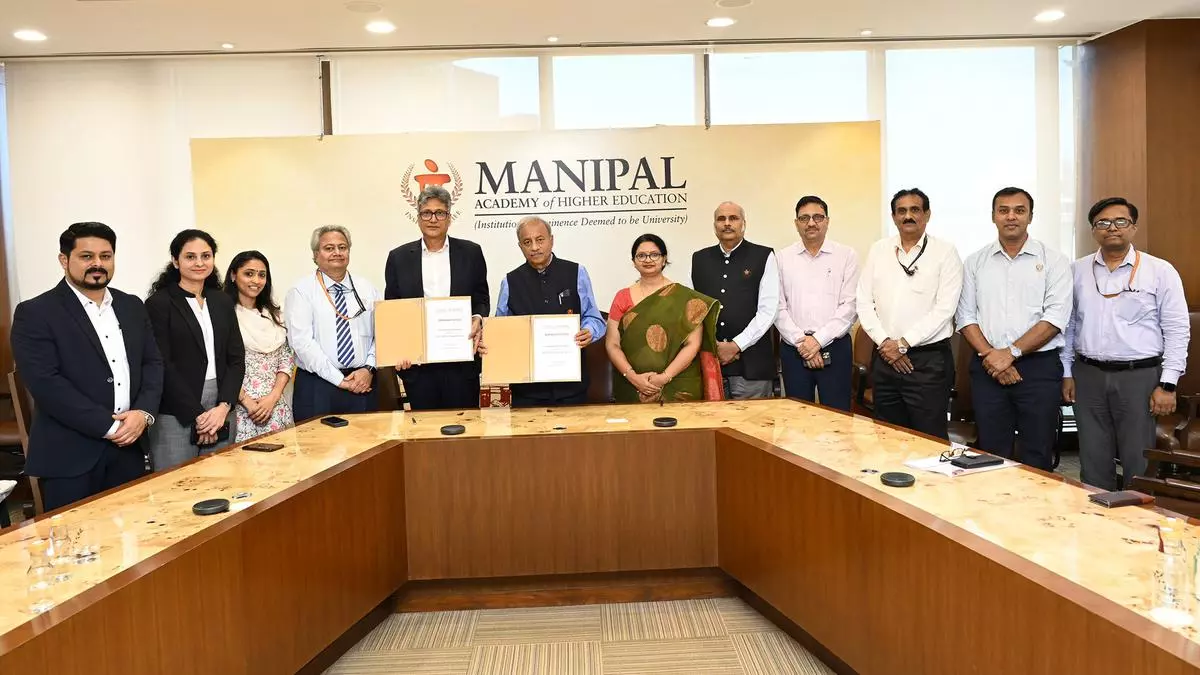
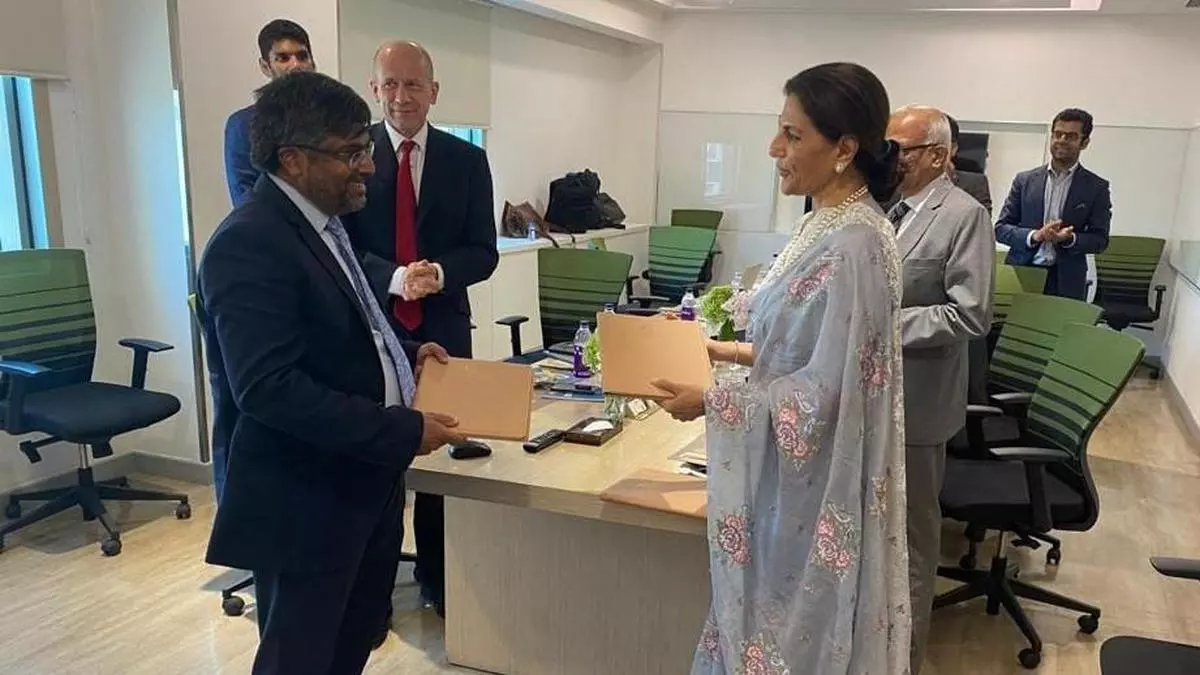
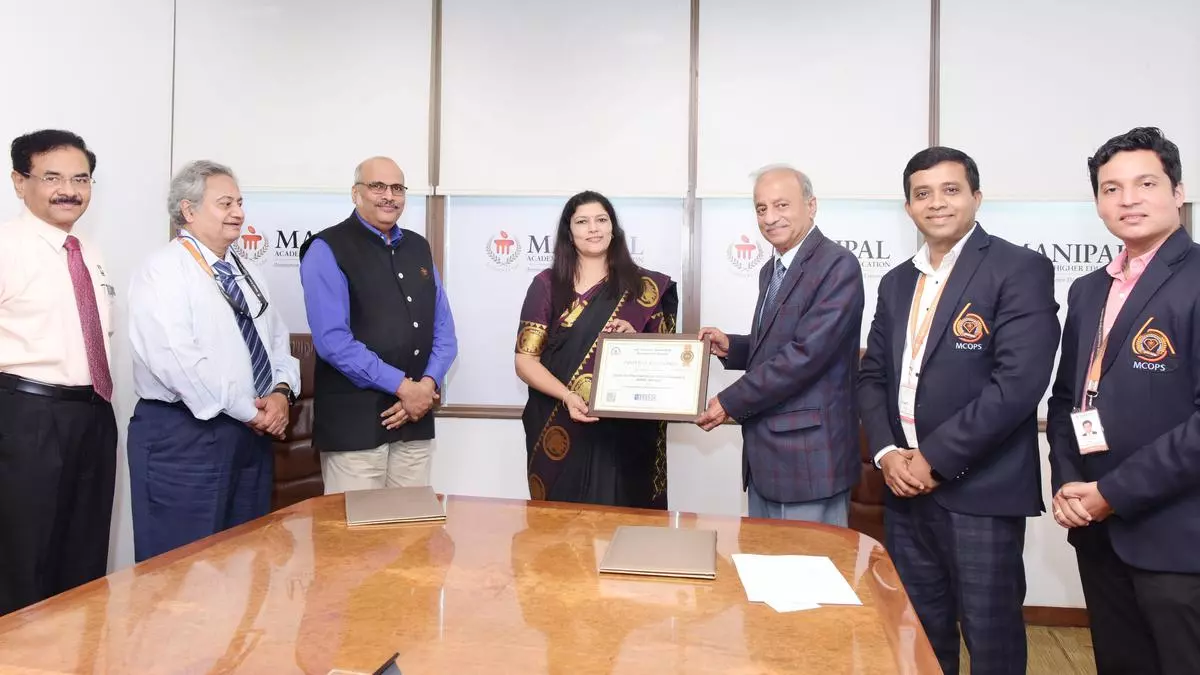
Manipal Universal Press (MUP), under the Manipal Academy of Higher Education (MAHE), has signed a memorandum of understanding (MoU) with Springer Nature for co-publishing books.

Speaking after inking the MoU with Springer Nature, Lt Gen (retd) M.D. Venkatesh, Vice-Chancellor of MAHE, said the partnership with Springer Nature marks a significant milestone for MUP. This is expected to elevate the visibility and accessibility of MAHE’s research endeavours globally, especially this year, which has been declared a ‘Year of Research Excellence’, he said.

Partnering with Springer Nature offers MAHE’s faculty and researchers a platform to disseminate their work, thereby, enhancing the reach and influence of its academic contributions.

Quoting Neeta Inamdar, Chief Editor of MUP, a statement said the MoU between MAHE and Springer Nature provides opportunities for authors to reach their readers within India through MUP’s network and readers across the world by leveraging the strengths of Springer Nature.

Naren Aggarwal, Editorial Director (Asia) for medical and life sciences, signed the agreement on behalf of Springer Nature.

Indian student applications for overseas studies drop by 40% in 2024: Oxford Group CEO

No Comments

Compared to 2023, there is a 40 per cent drop in the number of applications from Indian students wanting to travel overseas for studies, says Lil Bremermann-Richard, Group CEO of London-based Oxford International Education Group

“The UK, US, Canada and Australia are going to go slow in inviting applications from foreign students due to elections in their respective countries. In election campaigns, a key topic in these countries, is always immigration. In order to gain votes, they are tightening immigration rules to demonstrate control. The easy target is to tighten student migration, because that is controllable immigration,” Bremermann-Richard told businessline during her recent visit to Mumbai.

“This noise about immigration is causing fear in India. Students are concerned about their future. This concern has caused applications to be lower by 40 per cent compared to last year,” she said, adding that the “inquires” for overseas education continue to remain high from India despite a drop in applications. “The students are waiting to see how things pan out. They are looking for reassurance that they will be able to complete their course overseas,” said an official from the private international education company.

  • Read: Foreign universities will need UGC’s approval to set up campuses in India
Visa rejections

This 2024 trend also leads to a higher rate of visa rejections in some of the countries that are among the most-favoured overseas destinations for Indian students. “The visa application rejections for the UK is at 3 per cent, the rejections for Australia and the US are as high as 25 and 50-60 percent, respectively. However, this is a cyclical phenomenon and it happens close to elections. What is unusual this year is that elections are happening in many countries and there is a lot of noise about immigration in destination countries,” she said.

“The governments in the UK, US and Australia have made it clear that they want more international students. But they must be genuine about studying and not use the study-visa as means to migrate to these countries. Each of these governments have taken their own approach to ensure this. In the case of Australia, they are conducting thorough credibility interviews and if students cannot demonstrate they are not serious about the course they will be refused a visa. The US is also doing something similar and visa refusals have spiked. In the UK, they removed the ability for students to switch from student to work visa during their studies. Secondly, they also put restrictions on dependents as they found out that many were not real dependents; there were instances of forged weddings; and they were working full time and sending the money back home,” she added.

Foreign campuses won’t deter

When asked if the Indian government’s decision to allow foreign universities to set up campuses in India will adversely affect the flow of students going overseas, she said, “Foreign campuses are new for India. But such campuses have been set up in countries like Malaysia, Singapore, UAE and Mauritius. However, in these countries, we have seen there is no change in the number of students wanting to go overseas for studies. What you get from studying abroad is not the degree, but the exposure, the cultural experience and the connections. After all, it is a completely different experience to be studying in another country. The foreign campuses in India will open up opportunities for students who cannot go overseas for studies for.different reasons including affordability, family issues or other commitments.”

According to Oxford International Education Group, there is a significant increase in demand among overseas students from India for courses related to artificial intelligence, cyber security and technology. “With significant noise around the next industrial revolution caused by AI, students are also looking for courses that have AI and cyber security as a significant part of their course. From India, we are seeing an increased demand in Engineering. It is connected to infrastructure development in India,” the official added.

ICAI to hold foundation and intermediate exams thrice a year

No Comments

CA Institute, the world’s largest accounting body, has decided to hold its Foundation and Intermediate Course exams thrice in a year. Instead of twice a year in May and November, the exams will now be held in January, May/June, and September.

This was decided at a meeting of the Central Council of the Institute of Chartered Accountants of India (ICAI) in the capital on Thursday. 

Ranjeet Kumar Agarwal, President, ICAI, said, “The decision taken by the ICAI will benefit the students who have completed their study period to appear in the exam without waiting for 2 months. Globally, the frequency of examinations is more so that students can get more opportunities to sit in the exam. Considering this, ICAI has aligned itself with global best practices. I am sure that this decision would be a great step forward towards encouraging the young aspirants who wish to pursue their dream of becoming Chartered Accountants.”

  • Read: ICAI President pledges ‘each one teach one’ initiative

However, sources said the exam calendar for the Final Course has not changed, and it will continue to be held in the months of May and November each year, sources said. 

Currently, ICAI has 4 lakh members and 8.5 lakh students. 

Agarwal recently said that ICAI sees the need for the country to have at least 30 lakh chartered accountants by 2047 when the country aims to be a developed country. 

Exam frequency

As the interval between the exams is reduced by 2 months, from the existing 6 months to 4 months, students are expected to have more opportunities to appear in the examination.

This will benefit the students who have completed their study period to appear in the exam without waiting for 2 months. 

Meanwhile, in the scheduled examination to be conducted in May / June 2024, as many as 4,36,500 students have enrolled so far. This is the highest enrollment for the exam till date, according to Agarwal. 

Tech-savvy professionals

In recent years, the ICAI has been proactively redesigning the education and training scheme to produce skilled and technology-savvy accounting professionals. 

ICAI’s new scheme of education and training introduced in 2023 covered all three levels of the CA course —CA Foundation, CA Intermediate, and CA Final. 

This new scheme has significantly altered the CA course curriculum and practical training duration. 

The new curriculum, implemented on July 1st of last year, aims to shape accounting professionals proficient in technology.

Breaking down barriers: Dr Chuck’s efforts to teach computer languages to the most unlikely people

No Comments

Charles Russel Severance, or Dr Chuck as he is known among computer science educators, believes in taking computer education to the masses. “Any one can learn Python and even be a cab driver, so why not?” he said.

He brings about the element of ‘empathy’ to computer education. “One needs empathy. It is all about welcoming. It is all about like a big hug that says we love you. We want you to be a programmer. And do it,” he said. 

His Python for Everybody course on the edtech company Coursera was taken by three million people across the world, and his Programming for Everybody (Getting Started with Python) one million people in India alone reflects his approach to computer education.

  • Also read: Coursera’s GenAI push for executives

On a visit to India after a six-year gap, Chuck told businessline that Python could help students and professionals of every stream – from biology to journalism. A Clinical Professor at the University of Michigan School of Information, he teaches various technology-oriented courses, including programming, database design, and web development.

“There was a demand for learning how to write software and learning how to program that there was no way that you know traditional universities could just do. Programming is not computer science. There are so many jobs in this world where you don’t need a computer science degree, but you need to know how to programme. And the Python programming language is a real easy language to learn,” he said. 

“Every week 1,400 students from India enroll for the Python for Everybody course on Coursera,” he said.

He authored several books, including ‘Using Google App Engine’ and ‘Python for Everybody’ which drew over 1 million enrollments from learners in India, accounting for 35 per cent of its total enrollments. He offers 26 different courses on Coursera.

He is among the early educators on Coursera that was started to deliver a wide variety of courses to people via online.

  • Also read: Top US universities explore collaboration opportunities with Indian institutes

“When I started teaching Python. We just thought Python was a good, easy language for people to learn. My real goal was not necessarily to create programmers, but to create people who are not afraid of learning programming,” he said.

“What is unique about my course is that it is not a computer science course. I created this course that was really easy and straightforward and didn’t require calculus. People could like find programming,” he said.

Asked what his next course would be, Chuck said he was currently working on a Hardware for Everybody course. This course helps people to understand the nuances of hardware, including taxi drivers. It helps them understand how computers work.

Accenture launches learning platform; to acquire edtech Udacity

No Comments

Accenture has launched Accenture LearnVantage, a technology learning and training services for its clients. The company will invest $1 billion in Accenture LearnVantage over three years and has agreed to acquire educational platform Udacity.

Accenture LearnVantage will help clients re-skill and upskill in the areas of technology, data and AI to fill .gaps created by advances in technologies.

It offers personalised learning in areas ranging from specialised AI and data science, and cloud and cyber security training for IT professionals to Gen AI training for board and C-suite members and business leaders, the company said.

Julie Sweet, chair and CEO, Accenture, said, “We are scaling Accenture’s deep capabilities as a world-class learning organisation to help our clients meet their business growth objectives and enable their people to develop the relevant skills they need to make the most of the opportunities that technological change is bringing.”

With the acquisition, it aims to build on its experience in learning and training to meet the rising demand for technology skills, including generative AI. According to Accenture research, business leaders say their No. 1 challenge is their inability to upskill their workforces, with 51 per cent of organisations starting to see negative impacts from worsening IT skills shortages.

Accenture invests more than $1 billion per year in learning and training for its more than 700,000-strong workforce, delivering approximately 40 million training hours annually.

Accenture LearnVantage will offer tailored learning programmes; specialised, predesigned technology academies; ecosystem learning certification services; and managed services for a client’s own learning capabilities. LearnVantage also will offer nanodegrees, certified online programmes designed to provide users with hands-on experience and industry-relevant skills in specialised fields.

Ph.D. Program launched for TN CM’s two-year fellowship program participants

No Comments

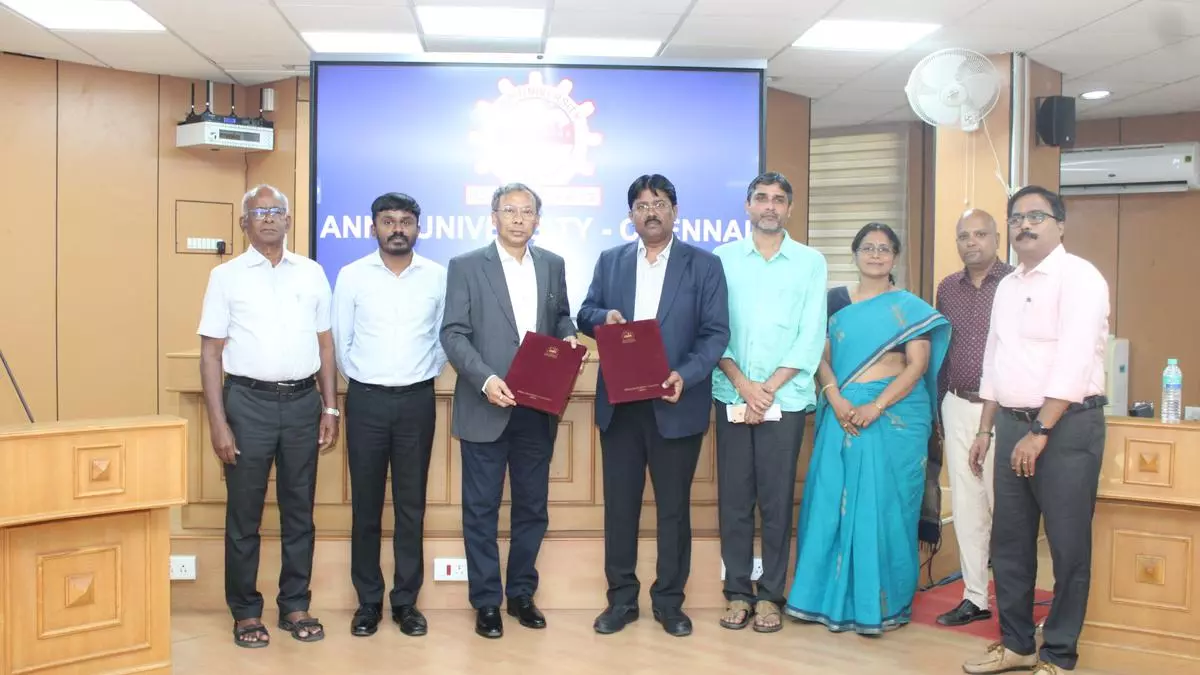
Anna University and Bharathidasan Institute of Management, Tiruchirapalli, have signed an MoU to establish an academic and research partnership between the two institutions. As per the MoU, a Ph.D Program in Public Policy and Management will be offered by BIM and AU, specifically for the Fellows of Tamil Nadu Chief Minister’s Fellowship Program as per Anna University norms.

Faculty from Anna University will be the Ph.D. Supervisors and faculty from BIM will be the Ph.D Co-Advisor. The curriculum will be jointly developed by Anna University and BIM

Dual Degree programs

There will be exchange of faculty and students in the areas of Public Policy and Management and joint research project works will be carried out in the areas of Public Policy and Management. Dual Degree programs with tier-1 global institutes will be there, says a release.

R Velraj, Vice Chancellor, AU, commented, the new business order is witnessing growing convergence of management and technology. This MoU seeks to take advantage of this convergence with the two institutes coming together to leverage their respective knowledge and skills in Public Policy and Management.

According to Asit K Barma, Director of BIM, already ranked very high on sustainable development indexes, Tamil Nadu provides an outstanding narrative for research in public policy and management space. The MoU between Anna University and BIM makes the perfect script to seize the growing public policy and management research opportunity and significantly contribute to policy-making and capacity building.

Top US universities explore collaboration opportunities with Indian institutes

No Comments

Academic leaders from 15 top US universities have visited Mahindra University and the Indian Institute of Hyderabad, exploring opportunities to collaborate in academics and research.

“They were looking at integrating India further into their internationalisation goals. Deans from the host university and visiting delegates discussed collaborative opportunities, particularly in student and faculty mobility between the US and India, research partnerships, and co-offered or dual-degree programmes,” a Mahindra University spokesperson said.

“They showed considerable interest in our programmes ranging from engineering to management, law, education and mass media. Some of them expressed interest in research in public health and vaccine,” he said.

“This visit has opened up several directions of collaborative opportunities between Mahindra University and US universities,” Mahindra University Vice-Chancellor Yajulu Medury said.

The varsity representatives are part of a Washington-based Institute of International Education delegation. They represented universities such as the University of California, the University of California, the University of Illinois, Michigan State University, and the University of Massachusetts.

During the week-long tour, they visited hand-picked universities in Delhi, Hyderabad and Mumbai.

“The US universities were also looking at partnership opportunities in areas like exchange of faculty and students; joint supervision; joint degree programmes; establishment of Centres of Excellence; and organise workshops,” a spokesperson of IIT-H said in a statement on Tuesday.

SIBM Hyderabad wins 7th edition of bl Boardroom Challenge

No Comments

A trio from Symbiosis Institute of Business Management, Hyderabad, won the 7th edition of the bl Boardroom Challenge. The all-girls team comprised Chinmaye Chorghe, Divya Kathotia and Fiza Setia. The team won ₹1 lakh as prize money.

The first runner up was a duo from XLRI Jamshedpur, Ishita Kotian and Ejya Singh Sharma, while the second runner up slot went to NMIMS Bengaluru with Navedhay Jain, Anmol Mani Jha and Ayush Narang making up the team. The second placed team won ₹75,000 while the third team won ₹50,000 as prize money.

In the finals, eight business schools across eight cities competed for the top honours. The B-schools in the finals, which was in the virtual mode, were Great Lakes Institute of Management, Chennai; NMIMS, Bengaluru; NTPC School of Business, New Delhi; SIBM, Hyderabad; XLRI, Jamshedpur; NMIMS, Mumbai; Jansons School of Business, Coimbatore and IIM Indore. In the finals, the B-schools had to come up with a solution to get more millennials to invest in mutual funds and also devise product and marketing strategies to attract them to MFs as an investment alternative.

Over 850 teams competed in the online preliminary round with top B-schools from round the country participating. In the city-specific semi-finals, four teams competed against each other for a spot in the finals.

A Balasubramanian, MD and CEO of Aditya Birla Sun Life AMC Ltd, while announcing the winners, said that this was the fourth year that Aditya Birla Sun Life AMC was associated with the prestigious bl Boardroom Challenge for B-schoolers, which every year sees top B-schools participating. This year’s contest, he said, made the students think what they can contribute to bring more of the investing public to mutual funds. Also, he said, MFs presented a great opportunity for millennials to invest and plan their future.

The jury for the finals comprised KS Rao, Executive Vice President and Head – Investor Education & Distribution Development, Aditya Birla Sun Life AMC; Rajesh Krishnamoorthy, Independent Director on the board of PGIM India Asset Management and Lokeshwarri SK, Data Editor of businessline.

Aditya Birla Sun Life Mutual Fund is the sponsor of the bl Boardroom Challenge, which is now in its seventh year.

In 2017, the first year of the challenge, LIBA Chennai, was the winner, followed by ISB Hyderabad in 2018; IIM Ranchi in 2019; SIBM Pune in 2020; IIM Shillong in 2021; and SPJIMR Mumbai in 2022.

The knowledge partners for the boardroom challenge are Vishwadeep Kuila, an IIMA alumnus and founder of Brand Vectors, a marketing consultancy, who also set the case for the semi-finals and the finals. In the semi-finals students had to come up with a business plan for a renewable energy major to venture into electric vehicles. In the preliminary round, knowledge partner Siva Kumar, an executive coach, set a psychometric test for the students. The top scoring teams from each city in this round made it to the semi-finals.

The finals can be viewed on this link: https://bit.ly/BLBRC2023

Walmart launches center for tech excellence at IIT Madras

No Comments

The centre will focus on developing engineering and retail analytics solutions to empower MSMEs

Global retail giant and the US-based Walmart Global Tech (WGT) has partnered with the Indian Institute of Technology Madras (IITM) to establish the Walmart Centre for Tech Excellence to empower Micro, Small and Medium Enterprises (MSMEs) in the manufacturing and retail sectors. The centre will work towards developing cutting-edge solutions that will help MSMEs adopt Artificial Intelligence (AI) along with digitisation to drive operational efficiency and profitability.

The partnership is another step ahead in Walmart’s commitment to equip local entrepreneurs with tools to augment their businesses and promote sustained growth for the Indian MSME sector. The centre will work towards building an open-sourced, domain-agnostic platform that will develop engineering analytics solutions, making them widely accessible. Additionally, the centre will build a repository of case studies to accelerate AI adoption in the manufacturing and retail industries. These case studies will also be leveraged to deliver skilling programs focused on the basics of AI and its application in the sectors, Walmart said.

Suresh Kumar, Global Chief Technology Officer (CTO) and Chief Development Officer (CDO), Walmart Inc, said the new centre was an extension of the MoU signed by the company with IIT Madras in March 2022 to develop research projects. “I’m both excited and confident about the potential of our centre to drive innovation in AI and make a positive impact in the MSME community in India,” he said.

Addressing the launch event, V Kamakoti, Director, IIT Madras, said, “The research carried out through the Walmart centre will be of immense value to the MSMEs.”

Outlining the vision of the centre, its Principal Investigator, Raghunathan Rengaswamy, Dean (Global Engagement), IIT Madras said, “Through this centre, we hope to support MSMEs with technologies in AI and IoT, provide a domain-agnostic solution platform for AI/ML implementations and upskill the manpower to be able to leverage these technologies to be globally competitive.”

  • Also read: IIT Madras, IMU and DCI join hands to launch MTech program on dredging

In India, the global retail giant has its technology arm Walmart Global Tech (WGT) since 2008 starting with a centre in Bengaluru, followed by a small centre at Gurugram. However, in the midst of the pandemic, it chose Chennai as the second major centre. The WGT works on latest technology that is used in its stores globally.

Byju’s NCLT proceedings: TLB lenders invoke company guarantee during insolvency hearing

No Comments

The Bengaluru bench of National Company Law Tribunal (NCLT) has asked embattled edtech major Byju’s to respond to insolvency petitions filed by US lenders and the Board of Control for Cricket in India (BCCI).

The NCLT bench has given Think & Learn, Byju’s parent company, three weeks to file its objections to the insolvency petition filed by Glas Trust Company LLC, the administrative agent appointed by the TLB lenders to its US subsidiary Alpha Inc.

It has also asked the Glas Trust Company LLC to issue a notice to Byju’s for payment defaults of the loan that it had guaranteed along with a copy of the petition it filed in the bankruptcy court.

  • Also read: NCLT reserves judgement on Byju’s investors ‘oppression and mismanagement’ suit

The TLB lenders, which has extended nearly 85 per cent of loan, invoked the guarantee provided by Think & Learn.

While, in a separate hearing, the BCCI lawyer told the NCLT that Byju’s has not yet paid pending due of ₹156 crore. The BCCI lawyer argued that Byju’s had already withheld tax deducted at source (TDS) against invoices that it received from BCCI, but it never paid the invoice amount to the cricket board.

Other matters

This comes at a time when the Bengaluru Bench of NCLT on Tuesday reserved judgement on interim orders in the oppression and mismanagement plea filed by four investors against Byju’s. The investors sought for a stay of the $200-million rights issue, which closes on February 29.

The saga so far

The embattled edtech is facing troubles from all front. The recently-concluded extraordinary general meeting (EGM) by the investors of Think & Learn (T&L), the parent company of Byju’s, voted on and passed several resolutions at the EGM, including the removal of CEO Byju Raveendran from the company and the change of the board, which currently includes his wife and co-founder Divya Gokulnath and his brother Riju Raveendran.

The EGM, which Raveendran, his wife, and brother — the only board members — decided not to attend, faced several disruptions, reported businessline. However, Byju’s has termed the resolutions as invalid and ineffective.

Byju’s to keep proceeds of rights issue in separate account, consider extending closure date: NCLT

No Comments

The Bengaluru bench of National Company Law Tribunal (NCLT), in its order passed on February 27, has directed edtech major Byju’s that the proceeds from the rights issue is to be kept in a separate account till the disposal of the oppression and mismanagement plea filed by the company’s investors.

It has also asked the edtech major to consider extending the closure of the rights issue.

“A period of two weeks is granted to the Authorities for filing reply from the date of receipt of copy of the notice and two weeks thereafter for filing response/rejoinder, if any, thereto from the date of receipt of copy of reply is granted. List the case for further hearing on 04.04.2024,” directed the tribunal.

  • Also read: Byju’s NCLT proceedings: TLB lenders invoke company guarantee during insolvency hearing

This comes a day after the tribunal reserved its judgment in the oppression and mismanagement suit filed by four investors against Byju’s. The investors sought for a stay of the $200-million rights issue to close on February 29. The investors alleged that they were being forced to participate as their shareholding would be reduced if they did not participate in the rights issue.

‘Respond in 3 days’

The tribunal has directed the parties to file written submissions of their contentions in three days and has also issued notice to the Ministry of Corporate Affairs (MCA) and Registrar of Companies (ROC).

  • Also read: NCLT reserves judgement on Byju’s investors ‘oppression and mismanagement’ suit

The hearing, which was five hours long, saw an intense showdown between the investors of Byju’s and the current board of directors of the company.

The investors — Prosus, GA, Sofina, and Peak XV — with support from other shareholders, including Tiger and Owl Ventures, moved the NCLT and sought for an interim relief with a stay on the rights issues, and encumbering and transferring any assets of Byju’s and its subsidiary. Investors also requested the bench to allow maintenance of status quo of shareholding and a complete disclosure of information by the company.

RBI announces Financial Literacy Ideathon

No Comments

The Reserve Bank of India (RBI) has announced a Financial Literacy Ideathon for postgraduate students, currently enrolled in recognised educational institutions.

The students are expected to come up with creative strategies to propagate financial literacy among the youth so as to empower them to engage in responsible financial behaviour and take informed financial decisions.

The central bank, which is observing the Financial Literacy Week (FLW) 2024 from February 26 to March 1, 2024 on the theme “Make a Right Start – Become Financially Smart”, said participants are required to submit the ideation paper on the subject ‘Money Matters for Young Adults: Rethinking Outreach Strategies in up to 2,000 words. ’

  • Also read: RBI imposes ₹2 crore penalty on SBI; also fines Canara Bank, City Union Bank

“The objective is to increase awareness on the advantages of inculcating financial discipline from an early age with inputs on saving, budgeting, power of compounding, banking essentials and cyber hygiene,” RBI said.

Entries for the Ideathon can be submitted from February 26 – March 20, 2024. Prizes will be awarded to the top three submissions — first prize: ₹1 lakh; second prize: ₹75,000; and third prize: ₹50,000.

“Participants retain the rights to their submissions, but RBI will have the permission to use their ideas for implementation purposes,” the central bank said.

Byju’s EGM: Investors face disruption during meeting

No Comments

The investors of Think & Learn, the parent company of Byju’s, who called for the extraordinary general meeting on Friday, allegedly faced disruptions when the virtual call commenced around 9 am.

According to sources, the meeting began an hour late to complete the roll call and verify attendees as hundreds of individuals attempted to join the meeting. Additionally, people joined the meeting impersonating other investors, sources added.

“The day started with a phishing attack attempting to disrupt the meeting. Attendees received a random notification from an unidentified source stating that the meeting was cancelled. However, the EGM kicked as per schedule at 9 am IST,” said sources close to the development.

  • Also read: ED renews lookout notice against Bjyu Raveendran in FEMA case

From 170 people who tried to join, the total attendees was reduced to 37 after verification of pre-authorised names, said sources requesting anonymity.

“Several Byju’s representatives tried to join in without process and ambushed the meeting. When asked to introduce themselves, there was no response, this was clearly an ambush to delay the proceedings but the meeting is underway as planned,” said another attendee.

While, other sources also noted that Byju’s employees posted emotional pleas in the chatroom before being abruptly removed from the Zoom session. Some of the messages expressed sentiments such as “Byju sir is the soul of this company,” “You are violating the Karnataka High Court order by organising this illegal EGM. What about us? We are the real stakeholders of BYJU’S,” and “Byju’s was, is, and will always be led by Byju sir.”

Meanwhile, Raveendran, his co-founder and wife Divya Gokulnath, and his brother Riju Ravindran decided to skip the meeting, as reported by businessline, even though the EGM will continue as planned. The three board members hold about 26.3 per cent of the shares in Byju’s, while the investors seeking their removal have a shareholding of over 30 per cent, as of June 2022.

  • Also read: Byju’s $200 m rights issue fully subscribed, says CEO Raveendran

These investors include General Atlantic, Chan Zuckerberg Initiative, Owl Ventures, Peak XV Partners (formerly Sequoia Capital India & SEA), Sands Capital Global Innovation Fund, Sofina, and T Rowe Price Associates.

The EGM was called by a group of investors seeking the removal of founder Byju Raveendran as the company’s CEO. The investors are also seeking changes to the board, which consists of Raveendran, his wife and co-founder Divya Gokulnath, and his brother Riju Raveendran. The three are the only board members at Byju’s parent firm.

On Wednesday, the Karnataka High Court had passed an order, asking Byju’s shareholders not to bring in effect any resolutions expected to be passed during the extraordinary general meeting (EGM) organised by select investors of the edtech giant Byju’s until the final hearing of its plea.

Byju’s rights issue to raise $200 million at a valuation cut of 99 per cent, has been fully subscribed, as stated by Raveendran in a shareholder letter earlier this week. The company’s founder is set to invest $45-46 million in rights issue to preserve his shareholding in the company.

ED renews lookout notice against Bjyu Raveendran in FEMA case

No Comments

The Enforcement Directorate (ED) has renewed its look out notice against education portal Bjyu’s founder Byju Ravindran in a Foreign Exchange Management Act (FEMA) case against his company, M/s Think & Learn Private Ltd.

ED sources said the lookout circular against entrepreneur, investor and educator Raveendran was renewed as the ₹9,362.35-crore FEMA case is pending in which his company is alleged to have made significant foreign remittances contravening laws.

In November, an Adjudicating Authority under the FEMA issued a Show Cause Notices to M/s Think & Learn Private Limited and Byju Raveendran on a complaint filed by the ED under sub–section (3) of section 16 of FEMA, 1999. The ED alleged Think & Learn Private Limted contravened provisions of FEMA which is said to have led to a loss to the tune of ₹9,362.35 crore.  

  • Read: Byju’s $200 m rights issue fully subscribed, says CEO Raveendran

The agency had earlier stated that it had initiated investigation on the basis of various complaints regarding the foreign investment received by Think and Learn Private Limited and the business conduct of the company which made significant foreign remittances and investment outside India which were allegedly in contravention of provisions of FEMA, 1999 and caused loss of revenue to the government.  

For two days from April 2023, the ED carried out searches at the premises of Think and Learn Private Limited and the residence of Byju Raveendran and seized documents of all investments received by the company as well as of its overseas investments.

The ED had also recorded statements of Raveendran and Chief Financial Officer of the company. However, the agency on conclusion of the investigation allegedly found Think & Learn Private Limited and Raveendran had contravened the provisions of FEMA on several counts. According to the agency, the company failed to submit documents of imports against advance remittances made outside India. It did not realize proceeds of exports made outside India, delayed filing of documents against the Foreign Direct Investment (FDI) received into the company, and skipped filling documents against the remittances made by the company outside India and by failing to allot shares against FDI received into the company.  

Byju Raveendran, family won’t attend EGM called by investors

No Comments

Embattled edtech major Byju’s founder Byju Raveendran, and the company’s other board members co-founder Divya Gokulnath and Riju Ravindran will not attend the extraordinary general meeting (EGM) called by a select group of investors on Friday.

They are the only board members at Think & Learn, parent of Byju’s. The company called the EGM ‘invalid’. However, according to sources, the investors will continue with the EGM. The EGM is valid and fully in accordance with applicable law, said investor sources, adding that it would be incorrect to say that the EGM won’t have the quorum if founders don’t attend.

“This EGM is procedurally invalid, contractually in contravention of our AOA and SHA, legally on the wrong side of the Companies Act, 2013. Byju Raveendran or any other Board member will not attend this invalid EGM. This means the EGM, if it is still summoned, will not have the required quorum and cannot proceed to discuss or vote on the agenda. As custodians of BYJU’S, it is the responsibility of the Founders to respect the established procedures of law and protect the company’s integrity,” said BYJU’S spokesperson.

This comes at a time when the Karnataka High Court on Wednesday has passed an order asking Byju’s shareholders not to bring in effect any resolutions expected to be passed during the extraordinary general meeting (EGM) organised by select investors of the edtech giant Byju’s until the final hearing of its plea.

Byju’s filed a petition under section 9 of Arbitration and Conciliation act asking the court to restrain its shareholders from holding the EGM on February 23. The EGM called by a group of investors, who are seeking the removal of Byju Raveendran as its chief executive. The company claimed that by calling for an EGM, the investors violated the shareholders’ agreement.

The Bengaluru-based firm said it filed the petition against investors including Prosus, General Atlantic, Chan Zuckerberg Initiative, Owl Ventures, Peak XV Partners (formerly Sequoia Capital), SCI Investments, SCHF PV Mauritius, Sands Capital, Sofina and T Rowe Price Associates.

The cash-strapped edtech firm said the EGM proposal to rejig the company board, which includes Raveendran, his wife and cofounder Divya Gokulnath and brother Riju Ravindran, was “merely a smokescreen”, aimed to “disrupt the management, control, and functioning of the company”.

Earlier this month, a consortium of key shareholders, holding over 30 per cent stake in Byju’s, issued a notice to the embattled edtech firm, calling for an extraordinary general meeting (EGM) to address “persistent issues”, including a proposed change of management at the firm.

Byju’s rights issue to raise $200 million at a valuation cut of 99 per cent has been fully subscribed, Raveendran said in a shareholder letter earlier this week. The company’s founder is set to put $45-$46 million in rights issue to preserve his shareholding in the company.

In the letter, Raveendran committed to restructuring the Board and appointing two non-executive directors to the Board by the mutual consent of the founder and shareholders after the FY23 Audit, which is expected to close by the end of the quarter.

he Enforcement Directorate (ED) had reportedly approached the Bureau of Immigration (BOI) earlier this month to issue a fresh look out circular (LOC) against Byju Raveendran, Founder and CEO of Byju’s, to ensure that he does not leave the country, according to news reports.

Back in November, the ED issued show cause notices to the company and Raveendran for violating the Foreign Exchange Management Act (FEMA) after its investigation. The adjudicating authority under FEMA issued notices for “contraventions of the provisions of FEMA, 1999 amounting to ₹9,362.35 crore,” the ED had noted in a statement.Byju Raveendran, family to skip EGM called by investors

Embattled edtech major Byju’s founder Byju Raveendran, and the company’s other board members co-founder Divya Gokulnath and Riju Ravindran will not attend the extraordinary general meeting (EGM) called by a select group of investors on Friday.

They are the only board members at Think & Learn, the parent of Byju’s. The company called the EGM ‘invalid’.

“This EGM is procedurally invalid, contractually in contravention of our AOA and SHA, legally on the wrong side of the Companies Act, 2013. Byju Raveendran or any other Board member will not attend this invalid EGM. This means the EGM, if it is still summoned, will not have the required quorum and cannot proceed to discuss or vote on the agenda. As custodians of BYJU’S, it is the responsibility of the Founders to respect the established procedures of law and protect the company’s integrity,” said BYJU’S spokesperson.

This comes at a time when the Karnataka High Court on Wednesday has passed an order asking Byju’s shareholders not to bring in effect any resolutions expected to be passed during the extraordinary general meeting (EGM) organised by select investors of the edtech giant Byju’s until the final hearing of its plea.

Byju’s filed a petition under section 9 of Arbitration and Conciliation act asking the court to restrain its shareholders from holding the EGM on February 23. The EGM called by a group of investors, who are seeking the removal of Byju Raveendran as its chief executive. The company claimed that by calling for an EGM, the investors violated the shareholders’ agreement.

The Bengaluru-based firm said it filed the petition against investors including Prosus, General Atlantic, Chan Zuckerberg Initiative, Owl Ventures, Peak XV Partners (formerly Sequoia Capital), SCI Investments, SCHF PV Mauritius, Sands Capital, Sofina and T Rowe Price Associates.

The cash-strapped edtech firm said the EGM proposal to rejig the company board, which includes Raveendran, his wife and cofounder Divya Gokulnath and brother Riju Ravindran, was “merely a smokescreen” aimed to “disrupt the management, control, and functioning of the company”.

Earlier this month, a consortium of key shareholders, holding over 30 per cent stake in Byju’s, issued a notice to the embattled edtech firm, calling for an extraordinary general meeting (EGM) to address “persistent issues”, including a proposed change of management at the firm.

Byju’s rights issue to raise $200 million at a valuation cut of 99 per cent has been fully subscribed, Raveendran said in a shareholder letter earlier this week. The company’s founder is set to put $45-$46 million in rights issue to preserve his shareholding in the company.

In the letter, Raveendran committed to restructuring the Board and appointing two non-executive directors to the Board by the mutual consent of the founder and shareholders after the FY23 Audit, which is expected to close by the end of the quarter.

he Enforcement Directorate (ED) had reportedly approached the Bureau of Immigration (BOI) earlier this month to issue a fresh look out circular (LOC) against Byju Raveendran, Founder and CEO of BYJU’S, to ensure that he does not leave the country, according to news reports.

Back in November, the ED issued show cause notices to the company and Raveendran for violating the Foreign Exchange Management Act (FEMA) after its investigation. The adjudicating authority under FEMA issued notices for “contraventions of the provisions of FEMA, 1999 amounting to ₹9,362.35 crore,” the ED had noted in a statement.

IIT-Madras records doubling of patents granted during 2023

No Comments

Indian Institute of Technology Madras (IIT Madras) recorded a doubling of patents granted during 2023 calendar year. From 156 patents granted during 2022, the number increased considerably to 300 during 2023. In addition, the number of international patents filed (including those granted under Patent Cooperation Treaty (PCT)) also recorded a significant increase, going up to 105 during 2023, from 58 in the preceding year, says a release.

Further, as many as 221 patents have already been filed during the current fiscal (as on December 2023), including 163 Indian Patents and 63 International Patents Applications (including PCT).

Since the Institute’s inception, a total of about 2,550 IP (including Patent) applications have been filed both in India (1,800) and abroad (750) so far, out of which about 1,100 are registered IPs/granted patents (about 900 Indian & 200 International).

Cumulative numbers

IIT Madras started filing Patent applications in January 1975 (granted in May 1977). The total number of IP applications filed crossed 1,000 in the year 2016, 2000 in the year 2022 and 2,500 in the year 2023., the release said.

Researchers at IIT Madras are proactively generating intellectual property (IP) in domains such as wireless networks, advanced materials, robotics, additive manufacturing technology, engine advancements, assistive devices, advanced sensor applications, clean energy, aerospace applications, polymer material and thin films, catalysts, and biomedical applications. among many other emerging technologies, the release said.

Byju’s $200 m rights issue fully subscribed, says CEO Raveendran

No Comments

Embattled edtech major Byju’s rights issue to raise $200 million has been fully subscribed, Founder and CEO Byju Raveendran said in a shareholder letter.

In a letter to shareholders, seen by businesline, CEO Byju Raveendran said, “Our rights issue is fully subscribed and my gratitude to my shareholders remains strong.”

However, the founder urged some of its major investors to participate amid a rift between the edtech group and some of its largest shareholders.

The Bengaluru-headquartered startup in January announced that it would attempt to raise about $200 million through a rights issue and at a valuation cut of 99 per cent.

‘renewed mission’

“But my benchmark of success is the participation of all shareholders in the rights issue. We have built this company together and I want us all to participate in the renewed mission. Your initial investment laid the foundation for our journey and this rights issue will help preserve and build greater value for all stakeholders,” he said.

The company’s founder is set to put $45-$46 million in rights issue to preserve his shareholding in the company, said sources.

This comes ahead of an extraordinary general meeting later this week that a few of Byju’s largest investors have called, on February 23, in a bid to oust the company’s leadership and reconstitute its Board.

Board Restructuring

The edtech major is dealing with cash crunch and some of its investors seeking to oust the leadership to reconstitute the board.

In the letter, Raveendran committed to restructuring the Board and appointing two non-executive directors to the Board by the mutual consent of the founder and shareholders after the FY23 Audit, which is expected to close by the end of the quarter.

“To ensure transparency about the usage of funds raised through the rights issue, we will appoint a third-party agency to monitor the same. This agency will report to all shareholders on a quarterly basis, within 45 days from the end of the quarter, along with commentary from the Board,” he added.

Raveendran believes that as the largest shareholder of the company, it would have been in his “best interest” to price this rights issue high.

“But that would not be in the best interest of the Company… I have personally put in $1.1 billion in the company over the last two years to pay salaries and maintain operations. I view this not as an obligation, but as my Dharma and duty. I have sacrificed everything to not fail in this duty,” he added.

The company will soon launch an artificial intelligence (AI) tool, Byju’s Wiz, which will help students with the solutions and be integrated into its Geogebra’s maths engine.

PM Modi dedicates NITK’s hostel blocks to nation

No Comments

Prime Minister Narendra Modi dedicated three hostels at National Institute of Technology Karnataka (NITK) to the nation on Tuesday.

Three hostels, which were constructed with a Budget of over ₹130 crore, were dedicated to the nation via video conference. This event was a part of a larger programme wherein the Prime Minister dedicated to the nation infrastructure projects worth ₹13,300 crore in the education and skill sector.

  • Also read: PM Modi to dedicate six more AIIMS

The three hostels are named as Brahmagiri (boys hostel for 600 students), Shiwalik (boys hostel for 500 students), and Godavari (girls hostel for 430 students).

Dharmendra Pradhan, Union Minister of Education and Skill Development and Entrepreneurship, attended the event via virtual mode.

Established in 1960, NITK at Surathkal in Mangaluru taluk has 14 academic departments. These departments offer 11 undergraduate, 31 postgraduate and Doctoral research programmes.

The institute has nearly 7,000 students, most of them residing inside the campus. It has over 275 faculty members and more than 400 staff members. The institute has produced over 30,000 alumni since 1960.

Samsung Innovation Campus launched in Karnataka to upskill 1,100 engineering students

No Comments

Samsung Semiconductor India Research (SSIR) launched its ‘Samsung Innovation Campus’ programme at the Visvesvaraya Technological University (VTU) to upskill youth in future tech domains such as Artificial Intelligence and the Internet of Things and make them job-ready, the company said in a release.

Under the programme, SSIR will train and empower 1,100 undergraduate engineering students across the state of Karnataka.

The Memorandum of Understanding (MoU) was signed by Dr BE. Rangaswamy, Registrar of VTU, in the presence of Dr S Vidyashankar, Vice Chancellor of VTU.

Balajee Sowrirajan, corporate EVP & MD, Samsung Semiconductor India Research, said, “The objective of launching Samsung Innovation Campus is to empower young minds and foster innovative thinking in them. Our partnership with VTU is a stepping stone towards creating an innovation centre that brings out the potential of the youth. This collaboration will not only enhance technical capabilities in young students but will also make them industry-ready. We are optimistic that through the programme, SSIR will foster innovation and instill an entrepreneurial mindset amongst aspiring engineers.”

Dr S Vidyashankar, Vice Chancellor of VTU, said, “VTU is a leading university for technical education in Karnataka dedicated to preparing students for the rapidly evolving technological landscape. Through its industry-relevant curriculum, VTU stands strong at offering a comprehensive blend of technical expertise and vocational skills essential for students to succeed in their career journey. We are elated to collaborate with Samsung Semiconductor India Research as it would help our students to learn industry-relevant concepts as well as get hands-on training which will make them job-ready for the future.”

PM Modi to dedicate six more AIIMS

No Comments

Prime Minister Narendra Modi will dedicate to the nation five new All India Institutes of Medical Sciences (AIIMS) on February 25, 2024. The institutions, coming up at an estimated cost of ₹6,315.2 crore, are located in Rajkot (Gujarat), Raebareli (Uttar Pradesh), Kalyani (West Bengal), Bathinda (Punjab) and Mangalagiri (Andhra Pradesh).

In all 4,040 beds will be added across these five AIIMS.

The Prime Minister will inaugurate the AIIMS – Jammu campus on Tuesday (February 20); while the foundation stone for AIIMS Rewari in Haryana was laid last week.

The cost of the 750-bed AIIMS Rewari is estimated at ₹1,650 crore while for AIIMS Jammu – with 750 beds – the estimated cost is around ₹1,661 crore.

“The total cost of the seven AIIMS is to the tune of ₹9,626.23 crore,” a Health Ministry official said.

This apart, various medical colleges and nursing colleges across the country will also be inaugurated by PM Modi.

Foreign varsities pose no threat to top rung B-schools: IIM-A Director

No Comments

Foreign universities looking to set up campuses in India are like a “new fruit” in the market, and pose no threat to top-rung B-schools in India, including the Indian Institute of Management Ahmedabad (IIM-A), says Director Bharat Bhasker, who recently completed a year at the helm of the prestigious institute.

In an interview with businessline, Bhasker — a professor of Information Systems — speaks about a range of issues including the future of management education and the changes being ushered on the IIM-A campus. Excerpts:

Foreign universities have started setting up their campuses in India. What kind of a challenge do they pose to institutes like IIM-A?

The bigger challenge is for second rung B-schools in India. Till now, only second rung B-schools from overseas have a presence here. Others are just testing the waters and trying to get a feel of the market. It is also an opportunity for these Indian B-schools to pull up their socks and raise their standards.

At IIM-A, we take it as an opportunity. They (foreign universities) are helping us raise our price. The challenge is that initially everyone would like to try out the new fruit in the market. But I am firmly of the belief that our faculty, curriculum, case methodology and design programmes are such that we will withstand any competition.

What will be challenges in hiring and retaining faculty at IIM-A? What is the student-faculty ratio at the institute?

On certain aspects, I can say that we are better than B-schools overseas, especially when liberal research funding and consultancy opportunities are factored in. The top rung institutes in India have provided the faculty members and students with a certain level of stability, research environment and comfort in working. This requires a huge amount of investment. But right now I do not see any foreign institution coming forward with that kind of an investment plan.

At some point of time, a big university will come with a big investment plan and create the same kind of infrastructure, environment and culture. Yes, then we will have a good competitor.

For institutes of national importance, a 1:10 is the ideal faculty-to-student ratio. But 1:15 is acceptable in India. We are well within the 1:10 ratio (at IIM-A). We may even have the highest number of faculty among all IIMs in India today. For our MBA programme we have about 1,000 students on campus while there are about 100 PhD students.

What is the status of the historic buildings in the old campus that are expected to be demolished?

Our chairman had held an town hall meeting where we reached out to the maximum possible number of alumnus. IIT Rourkee in its presentation explained why the old buildings in the IIM-A campus cannot be repaired. Any repair will require a further repair every three years. They said that the inner core is rusted. To pull out the core, one has to unravel the bricks. So there is no easy solution. The grandeur of the old campus cannot be denied. We will maintain it. But things are progressing slowly. At some point of time we will have a modern campus with new amenities and technology. The design elements will remain the same. We may make use of the space and go a little more vertical, because now we have the smallest campus in the country, unlike other IIMs which are spread over 200 acres.

Is IIM-A looking at expanding its campus into other cities?

We have a committee for future directions which decides the path for the next 10 years. This committee, which also has a number of faculty members, will be coming up with a report this summer. It will answer where we should go and how we should go. 

What is the annual revenues of IIM-A? How has it grown?

Our annual revenue is between ₹350-400 crore and it has been growing every year. Of this we spend about ₹300-plus crore on grants, faculty education, course materials and so on. A significant amount of our revenue — about 35-40 percent — comes from executive education and consultancy. Post-Covid, we have come back with a much stronger growth.

In 2015-16, IIM-A set up a development office. A significant amount of donations came at that point of time. Endowment was formalised and today we have a commitment of more than ₹300 crore. We run 5-6 research centres on this money. It also provides a greater financial autonomy for the institute.

How has online education shaped up at IIM-A, post-Covid?

There is a major trend changing in the market space. Education may become online to a great extent. Recently, we launched a full-fledged two-year MBA programme online. It is nearly the same programme that we offer to those enrolled in a (physical) two-year course. There is a minor difference of about 10 per cent in curriculum between the two programmes. The same faculty that handles our full-time programme will also handle this online programme. We are not going to cut corners.

Published on February 11, 2024

IIT Madras, IMU and DCI join hands to launch MTech program on dredging

No Comments

IIT Madras, the Indian Maritime University, and the Dredging Corporation of India have joined hands to launch an MTech program in Dredging Engineering as there is a dire need for qualified dredging professionals in the country.

  • Also read: IIT Madras & Redington announce alliance to enhance supply chain expertise

This is a collaborative exercise. The students who are registering for this program will be regular students. They will spend time at IIT Madras and IMU learning the relevant subjects. They will also be going to the DCI to take on-board training and on-board learning on dredging-related activities. They will spend time on the dredging vessels, said K Murali, Head, the National Technology Centre for Ports, Waterways & Coasts, IIT Madras, and Faculty, Department of Ocean Engineering, IIT Madras.

The agreement for the development of this program was signed by all the stakeholders at IIT Madras, IMU and DCI today in Delhi on Friday. It is expected that, after the relevant approvals, the course will be launched for the next academic year of 2024-25.

Ten students will be taken in the first batch. There will be BTech / BE in Civil, mechanical, and marine engineering. The graduates coming out of this program will be qualified to take dredging-related jobs overseas as well, he told businessline.

  • Also read: IIT Madras’s first international campus inaugurated in Zanzibar

Murali said there is a dire need for highly-qualified dredging professionals in India. They take up dredging-related jobs onshore and offshore in dredging vessels. In India, every year there is a need for dredging 120 million cubic metres. At any given point of time, there are around 20 dredging projects running across the country, he said.

AI solution that fetches answers for students’ queries in their mother tongue

No Comments

Students studying in their mother tongue in the hinterland don’t get the same kind of access to digital resources that their peers in urban areas get to get their doubts cleared. In order to address challenge, computer engineers at the Indian Institute of Information Technology (IIIT-Hyderabad) have developed a voice-based technology solution that can provide quick answers to students’ queries.

They bring in a lot of artificial intelligence and machine learning that work in the background to help the students get answers in a few seconds.

“We are making it so convenient for students that they can use any phone to pose a question. The A multi-partner project spearheaded by the Raj Reddy Center for Technology and Society aims to supplement high school Science instruction in regional languages via an AI solution that operates sans internet. 

  • Also read: Green future of farming: AI’s role in promoting healthy cattle, sustainable planet

For now, the team is working on the subjects physics and biology. “We will open it to other subjects later on,” Arjun Rajasekar, Senior Research Scientist, RCTS (Prof Raj Reddy Center for Technology and Society), told businessline.

When a student picks up a phone, dials the AskAgasthya and asks –  ‘Kanti ante yemti?’ (What is light?), the solution converts the voice into text and translates it into English. It will interact with a relevant document in the data pile (extracted using the solution developed by Subtal.ai, a startup working in artificial intelligence technologies). After getting the answer, it will be pushed backwards using the same processes.

“The students will get the answers in a few seconds as the solution ensures a seamless process,” he said.

The team is currently developed the product for Telugu students and still is in the process of getting more voice samples to help the machine understand different ways of asking questions and in different accents.

The team is working with the Agastya Foundation, subtl.ai and a few other labs in the institute that have developed technologies such as NLP (Natural Language Processing) to build the solution.
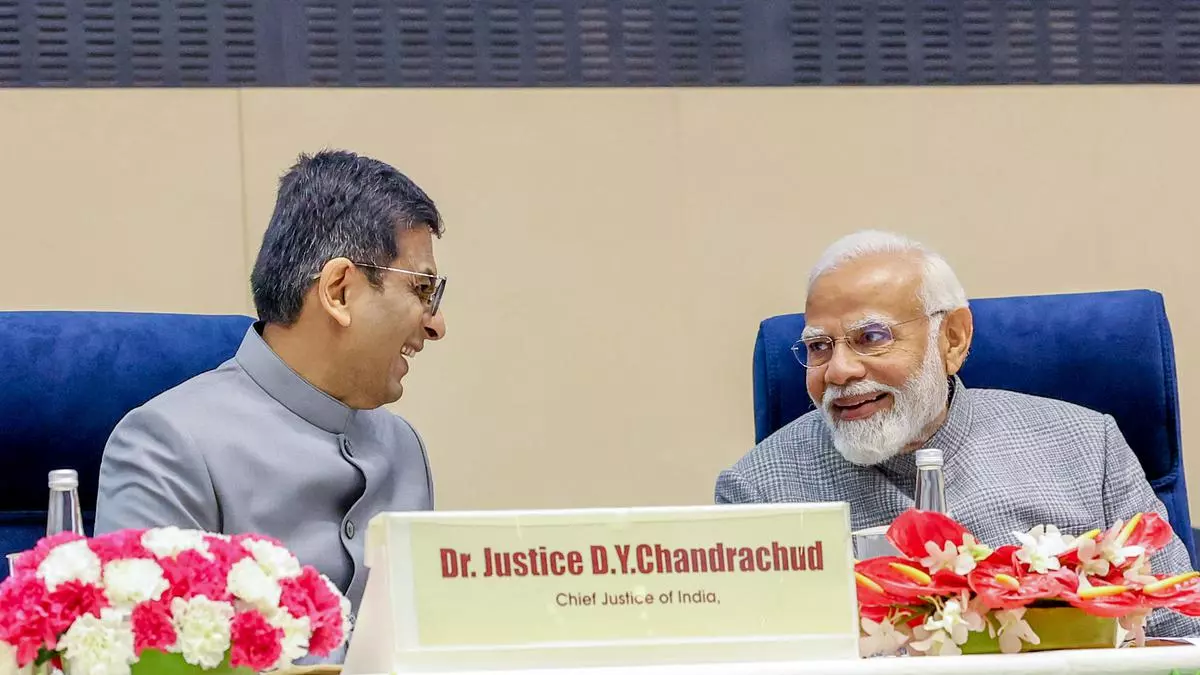
  • Also read: SEBI experimenting with AI for processing draft offer documents

Though the system has the ability to extract information from any given database, the team is restricting itself to NCERT and SCERT (state syllabus) curriculum. Also, they are targeting students of Classes 8 to 10.
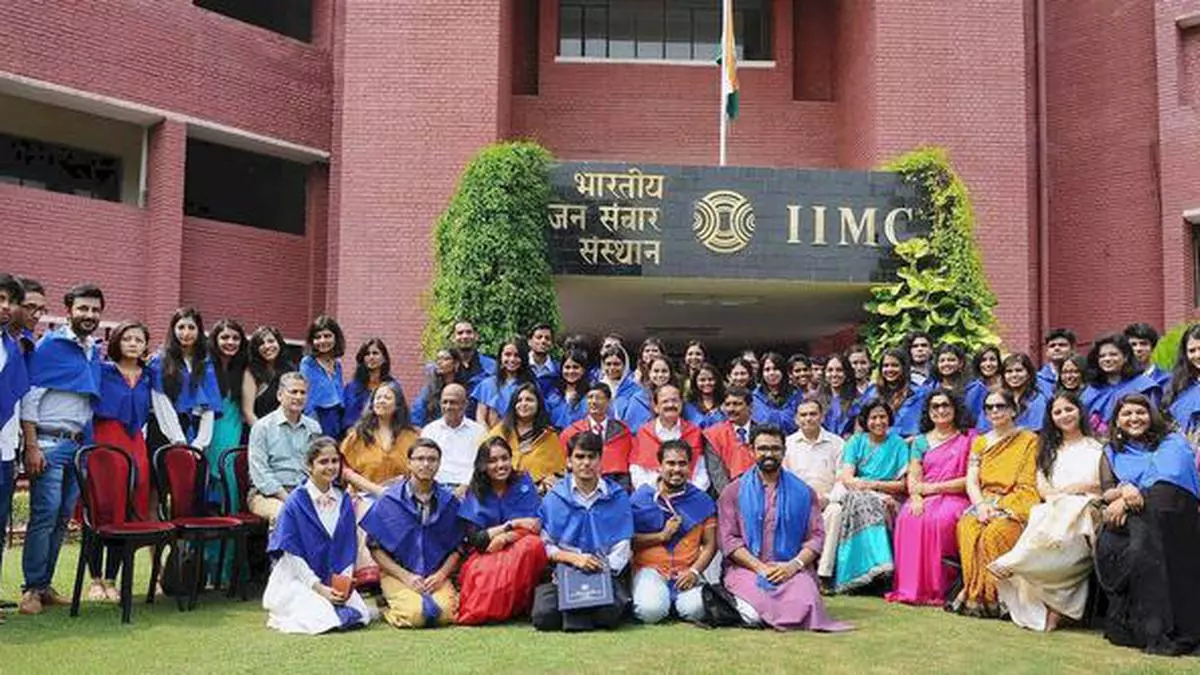
IIT Madras faculty T Pradeep becomes 23rd Foreign Member from India to be elected to National Academy of Engineering, US

No Comments

Indian Institute of Technology Madras faculty Thalappil Pradeep has become the 23rd foreign member from India to be elected to the US National Academy of Engineering (NAE). He was elected for his contributions to cluster chemistry and the discovery and implementation of affordable drinking water solutions. He will be formally inducted during the NAE’s annual meeting on September 29, 2024, according to a release from the institute.

Founded in 1964, the NAE is an independent institution that provides engineering leadership. It has more than 2,000 peer-elected members and international members, senior professionals in business, academia and government who are among the world’s most accomplished engineers. They provide the leadership and expertise for numerous projects focused on the relationships between engineering, technology and the quality of life.

Accepting this honour, Pradeep said this fellowship once again reaffirms my belief in the interdisciplinary nature of science.

Pradeep works on diverse aspects of materials and has won many national recognitions, including the Padma Shri and the Shanti Swarup Bhatnagar Prize. He is a pioneer in nanotechnology applications for clear water. His work on pesticide removal has benefitted millions of people. Later he and his team developed ‘water-positive’ materials to remove arsenic, uranium and several other toxic contaminants from water and the technology has been approved for national implementation. He is expanding the reach of these technologies to other countries now, the release said.

CCPA releases draft guidelines to prevent misleading ads in coaching sector

No Comments

The Central Consumer Protection Authority (CCPA) has released draft guidelines for prevention of misleading advertisements in the coaching sector for public consultation.

Practices such as making false claims about success rates, number of selections or rankings of students in ads or creating false sense of urgency or fear of missing out that may heighten anxieties have been termed as “misleading”, in the draft guidelines.

  • Also read: CCPA in process to finalise guidelines to curb misleading ads by coaching institutes

The draft guidelines also stated that concealing important information related to the name of the course and duration of course opted by successful candidates among other such information in ads will also be considered misleading. “Falsely representing in ads that students’ success is solely attributable to the coaching, without acknowledging the individual efforts of the students,” will also be considered misleading and coaching institutes will need to clearly state the extent of the coaching involvement in their success.

The draft defines “coaching” as tuition, instructions or academic support or learning programme or guidance provided by any person.

It has also defined obligations for any person engaged in coaching. The coaching institutes will need to disclose rank secured by the successful candidate, name of the course opted by them, duration of course and whether such a course was paid or free in ads. They will also be obliged to “put disclaimer/ disclosure/ important information at a prominent and visible place in the advertisement. The font of disclaimer/disclosure/Important information in the advertisement shall be the same as that used in the claim/advertisement,” the draft stated. They are also not allowed to use name, photos or testimonials of successful candidates without consent.

Guidelines

In such ads, coaching institutes will be obliged to “accurately represent” the facilities, resources and infrastructure available to students in the advertisement, the draft guidelines added. It added that coaching institutes should refrain from cherry-picking exceptional cases to create skewed impression of success and will need to maintain transparency and truthful representation in their ads.

“Every person engaged in coaching shall not make false claims which includes 100 per cent selection or 100 per cent job guaranteed or guaranteed preliminary/mains or guaranteed admission to institutions or false testimonials of successful students or fake reviews,” the draft stated. Stakeholders have been asked to submit comments by March 16.

BITS Pilani launches Design School in Mumbai to nurture future-ready professionals

No Comments

BITS Pilani has forayed into Design Education with the launch of BITS Design School. The future-focused design school is modelled on top global design institutes and is being set up in Mumbai.

BITS Design School will uniquely combine Technology, Business, and Entrepreneurship, core elements of the BITS DNA, with the creative arts to nurture a new generation of future-ready Design professionals poised to contribute actively to India’s aspiration to be a developed nation by 2047.

Graduates will be equipped with transdisciplinary and in-demand competencies to take on C-Suite positions as they grow .

Kumar Mangalam Birla, Chancellor of BITS Pilani, said from manufacturing to services and retail to technology, design is shaping the future of how businesses approach problem-solving and innovation.

BITS Design School will reimagine design education with a bold, trans-disciplinary, competency-based approach and embrace avenues where design can positively impact people, businesses, and the world, he said.

“We will nurture a new generation of leaders who will use design to create value and solve problems for a better world,” he added.

BITS Design School will introduce a four-year, residential Bachelor of Design (Honours) programme in the academic year 2024-25, followed by a Master’s Degree programme and a Faculty Development programme for Design Educators over the next two years.

Admissions open on February 26 for the founding class who will be taught by international visiting faculty and a marquee Indian faculty trained at the top Design schools in the world.

BITSDES students will gain access to and benefit from the over 1.80 lakh BITS Pilani Alumni Network spanning 55 countries.

A world-class, fully residential permanent campus will house BITS Design School, BITS School of Management, and BITS Law School. It is being built over 63 acres in the Mumbai Metropolitan Region with modern infrastructure, and the endeavour is to make it a zero-carbon footprint campus over time.

While the permanent campus will be operational in early 2025, BITS Design School will commence its first academic session in August out of the interim campus in Powai, Mumbai.

Meritorious students will receive generous scholarships to enable access and ensure the diversity of the cohort.

Print recruitment exam question papers in govt press to avoid leakages: Gujarat Lokayukta report

No Comments

Having intiated an inquiry into various complaints of leakage of question papers related to recruitment examinations conducted by Gujarat Subordinate Services Selection Board in the state, Gujarat Lokayukta in a report tabled in the state legislature on Wednesday suggested that all examination papers be printed in government press to “avoid chances of leakage.”

The Lokayukta received various complaints from various Complainants regarding the leakage of question papers relating to various examinations conducted by Gujarat Subordinate Services Selection Board and was registered as Inquiry no. 2/2022, stated the 23rd annual consolidated report of Gujarat’s Lokayukta for the period April 2022 to March 2023. 

Transparent & Accountable

“To make the system transparent, accountable and for avoiding any such incident in future, it is desirable if the government at appropriate level, make necessary modification in the procedure by which the responsibility is fastened and there is a cross check,” the Lokayukta stated. The Lokpal and Lokayukta Act was passed by the Parliament for providing a Lokpal at Centre and Lokayukta at the state to inquire into complaints of corruption against certain public functionaries and public servants. Justice Rajesh Shukla is the Lokayukta for Gujarat.

“First of all, the papers may be printed only at the government press where the responsibility could be fixed to avoid chances of leakage,” stated the Lokayukta in its list of suggestions. “Even if the present system is continued, it requires modification for maintaining secrecy,” it added.

Asking the government to act on the privacy of contents of the examination papers, the report stated, “A close examination of the procedure for setting the papers by GPSC or UPSC could be considered to get a better idea for the purpose of improving the process of conducting examinations.”

The complaints about examination paper leaks were part of the 188 cases and applications that the Lokayukta received between April 2022 and March 2023. 

Suo moto inquiry

The Lokayukta also conducted a “suo moto inquiry” into the complaints about poor road quality in Ahmedabad and other parts of the state. In its report it suggested the default liability period in cases of poor workmanship to be increased from the present two years to five years.

“The period of default liability in cases of poor workmanship is required to be increased to five years instead of two years,” stated the Lokayukta in its 23rd annual consolidated report. It suggested that the Urban Development department as well as the Roads and Buildings department of the Gujarat government should get suggestions from engineers and consultants in this regard and have a “suitable system” that ensures the performance of work.

The Lokayukta also suggested insertion of certain clauses for fixing accountability of both officers of Municipal Corporations or the government and the contractor. 

ISB ranked ‘top’ B-School in India in FT Global MBA ranking 2024

No Comments

The Indian School of Business (ISB) has been ranked as the “Top” Business School in India and the 31st globally, in the Financial Times (FT), Global MBA Ranking 2024, released on Monday. 

  • Also read:DLabs at ISB launches `Build for Billions’ jointly with RBI Innovation Hub, Union Bank of India

 This is a substantial improvement, from its 39th global ranking of last year. At the Asia level, the ranking of the school has gone up to number 5, up from the 6th spot last year. 

The ranking, highlights ISB’s strengths, across various criteria such as research, alumni network and career services. In research, one of the major focus areas of the school, the school is ranked firstin India, with a global rank of 52 this time, up from the 61 last year.

In terms of Salary Percentage Increase, ISB is ranked first, globally. FT data says, PGP candidates at ISB, see a massive 229 per cent rise in salaries, comparing before and after the course. 

ISB is ranked “best’ in India, also in Alumni Network and Career Services and ranked 8th and 19th globally, on these parameters, respectively.

“The consistent ranking, as the top B-school in India in the FT Global MBA Ranking, underscores ISB’s commitment to academic rigour, quality research, and unparalleled alumni support and success,” Ramabhadran Thirumalai, Deputy Dean, Academic Programmes, ISB said in a release. 

  • Also read:ISB launches revamped India Data Portal 2.0

“From leading the world in Salary Percentage Increase to topping the charts in Alumni Network and Career Services, the ranking reaffirms our position as a global leader in management education, he added. 

United Breweries, Bluestone, Essar Group & Adani Group make highest offers in Cluster-2 of IIMA placements

No Comments

United Breweries, Bluestone, Essar Group, and Adani Group made the highest number of offers in Cluster-2 of the Final Placement process for the PGP batch of 2024 held at the Indian Institute of Management Ahmedabad (IIMA).

  • Also read: Acenture Strategy makes highest offer at IIMA placements

Each of these firms made six offers during the second cluster comprising of six cohorts including Conglomerates, Consumer Goods & Durables, Consumer Services, Advertising and Media, Pharma & Healthcare, and Retail B2B & B2C, stated an official release from IIMA. Infosys rolled out three international offers during the process held on Friday.

The Consumer Goods & Durables cohort saw recruiters like P&G, Diageo, Phillip Morris International, Hindustan Coca-Cola Beverages, United Breweries, L’Oreal, Nestle, and Wipro Consumer Care. The Conglomerate cohort recruiters were Adani Group, Aditya Birla Group, CK Birla Group, Tata Administrative Services, Essar, Abhinandan Lodha Groups, and Vedanta. The other firms visiting included firms like Bluestone, Jindal Shadeed, Alkem Laboratories Limited, Madison, Maxim World, and Sun Pharmaceuticals Industries Ltd, among others.

The Conglomerate firms extended the highest number of offers, closely followed by firms belonging to the Consumer Goods & Durables cohort. The third cluster is scheduled to be conducted on February 12.

Meanwhile, during the final placement process for PGP-FABM (Post-Graduate Programme in Food & Agribusiness Management) batch 2022-24 completed on Friday, Reliance Industries Limited and Grant Thornton Bharat have emerged as the top recruiters. The process was carried out in hybrid mode, during which the entire batch was successfully placed. All the students of the FABM Class of 2022-24 will join the companies in the month of April-June 2024, IIMA stated.

Professor Ankur Sinha, Chairperson of Placements, stated, “The successful completion of the placement process within a day during a relatively tough year for the job market is a testament to the high-quality learning experience at the institute and the robust placement process that provides adequate flexibility to both recruiters and students. We thank the recruiters for showing faith in our students and IIMA brand.

The placements witnessed a balance of roles from all sectors like Agri-inputs, Agri-Tech, Consulting, Conglomerates, Food Processing, FMCG, Beverages, Environment and Energy. The placement process witnessed regular recruiters such as Accenture, Ernst & Young (EY), United Breweries, Godrej Agrovet, PI Industries, Reckitt, Nestle, Marico, PepsiCo, Pidilite, DeHaat, DCM Shriram, Country Delight, Dhanuka, Terviva, Everest Instruments and INI Farms. Many new recruiters also showed a keen interest in the batch, which is visible by the participation of industry giants like Adani Gau Life Sciences, HyFun Foods, The Palladium Group, and TRST01, the institute added.

EdTech platform Infinity Learn reports operational revenue of ₹100 cr

No Comments

EdTech platform Infinity Learn reported a growth in its operational revenue for FY23, exceeding ₹100 crore, a significant increase from the ₹2.3 crore recorded in the previous year.

The platform additionally asserted that it achieved profitability even prior to securing Series A funding, as per the audited financial statements for the fiscal year ending on March 31, 2023. In contrast, the previous year saw a reported loss of ₹37 crore.

“In two years, we’ve been able to uphold our dedication to excellence and also attain responsible growth. We’ve innovatively closed the educational gap, benefiting learners both nationally and internationally,” said Ujjwal Singh, founder and CEO of Infinity Learn.

The company aims to integrate the power of vertical AI (for education) to achieve scalable outcome-based learning. Moreover, it said personalised education for every learner at an affordable cost can be delivered using the disruptive power of AI, and it will be launching its proprietary solutions soon.

Currently, Infinity Learn claims to have over 750k subscribers and 7 million learners accessing content in some form on its platform. The company aims to reach over 50 million learners and 1 million paid learners on its platform by 2025.

US issues record number of student visas to Indians in June and August

No Comments

The US Embassy said on Monday that it has issued a record number of visas to Indian students for this summer season. This comes at a time more Indian students are opting for international universities for higher education.

In a post on X, formerly known as Twitter, the US Embassy said it has issued 90,000 visas to Indian students in the June-August period. “The U.S. Mission in India is pleased to announce that we issued a record number — over 90,000 — of student visas this summer, in June, July, and August. This summer, almost one in four student visas worldwide were issued right here in India! Congratulations and best wishes to all the students who have chosen the United States to make their higher education goals a reality! That’s a wrap! With teamwork and innovation, we ensured that all qualified applicants reached their programmes on time,” it stated on the social media platform.

The US Embassy had been gearing up for a higher number of student visa applications from India.

In June, in a statement, the US Mission in India stated that in 2022, “a record-breaking 125,000 Indians” were issued student visas, which is more than that issued to any other nationality. “In fact, one out of every five student visas was issued in India last year. This year, we will interview more students than ever before,” Brendan Mullarkey, the acting Minister Counsellor for Consular Affairs in India, stated in the statement.

Currently, over 2 lakh Indian students are studying at various institutions in the US and represent over 20 per cent of international students in the US.

Saurabh Arora, Founder and CEO of University Living (a global student accommodation marketplace), said, “The substantial increase in Indian students choosing U.S. higher education this summer is notable. Factors such as global university recognition, diverse courses, and research opportunities drive this trend. This surge is a positive sign. Study abroad experience undoubtedly enriches an individual academically and culturally, preparing students for a globalised world.”

Indian AI clears NEET and AIIMS PG Exams; outperforms GPT-4, MedPaLM

No Comments

August AI, developed by Bengaluru-based start-up Beyond, has cleared the National Eligibility-cum-Entrance Test for Post Graduation (NEET PG) and the All India Institute of Medical Sciences Postgraduate (AIIMS PG) exams in India, scoring 74.5 per cent. It also secured 94.8 per cent on the US Medical Licensing Examination (USMLE), a test that physicians must clear to practice medicine in the US, outperforming established AI systems, including OpenAI’s GPT-4 and Google’s MedPaLM.

“August AI’s remarkable achievement in these tests showcases its competence and deep understanding of medical knowledge,” Anuruddh Mishra, Co-Founder & CEO of Beyond, said.

Rather than conventional methods, August AI utilises a combination of large language models (LLMs) and a custom orchestration layer to create an innovative educational tool. This technology allows for personalised and natural conversations, closely resembling everyday communication on messaging platforms such as WhatsApp.

Also read: DAX Express. GPT-4 to power healthtech, reduce doctors’ burden of note-taking

“We’ve done over 1,500 health consultations over the last year,” Mishra said, “to figure out what are the best ways to actually guide someone around their health, and fine-tuned August around those conversations.”

This made-in-India AI is also designed to understand the Indian health system. “Understanding the health of people from different ethnicities is still something that the overall healthcare ecosystem is not good at,” Mishra said, “Since the start, we’ve focused on health for India and Indians. We’ve actively been collecting India-specific data and have added this to August.”

As AI becomes more prevalent in healthcare, it is essential to prioritise data security. Mishra says that unlike Google, where every search leads to a targeted ad, all conversations with August are private.

The development team, comprised of engineers, data scientists, and medical professionals, conducted experimentation to refine various LLMs, culminating in the core engine behind August’s health AI. Employing a proprietary ensemble refinement technique, August AI provides precise answers, while minimising inaccuracies and hallucinations. Mishra explains, “Unlike Google, where even a simple health issue like a headache leads to a conclusion of cancer, August thoughtfully allows people to understand their symptoms and even suggests the right type of person they should consult for the issue.”

However, that being said, August does not make any diagnosis. “We don’t think health AIs are there yet,” Mishra said.

“AI can provide preliminary information to patients regarding their symptoms, but it should not be used to replace the advice and opinions of qualified healthcare professionals,” said Srinivas Chilukuri, Senior Consultant, Apollo Proton Cancer Centres. He added that AI may help in alerting patients regarding emergency clinical conditions and guide them towards approaching hospitals immediately.

Also, Mishra points out the major challenges such as cost and collecting specific data in developing Generative AI for healthcare. “As we look to reimagine it and scale, we’ll need support, not just from the existing healthcare ecosystem, but the government, technologists and capital allocators,” he adds.

AI in medical entrance exams

Given the rigorous nature of medical entrance exams, AI-driven tools can provide valuable assistance to medical students. Chilukuri said, “AI can be a virtual tutor where access to personalised teaching is not possible or affordable. It can be used to generate realtime feedback and clarify concepts. There are other benefits such as providing performance analytics, which can aid students in their exam preparation. However, AI cannot replace hard work, dedication and smart preparation strategies. AI can potentially complement the guidance from experienced teachers or mentors to help students achieve success in the entrance exams.”

Top executives from Byju’s Tuition Centre resign, company to let go of 3,000-3,500 employees

No Comments

Edtech giant Byju’s Tuition Centre top executives have resigned as a part of this restructuring exercise. Asheesh Sharma, who was handling academics at Byju’s Tuition Centre, and Surendra Pandey, the regional director of the hybrid learning arm, resigned, said sources.

It comes at a time when the company has decided to lay off around 3,000-3,500 employees over the next few weeks as part of a restructuring exercise under the leadership of new India CEO Arjun Mohan. The layoffs will impact India-based employees of Think and Learn Pvt Ltd, the parent company which operates Byju’s, said sources.

“The layoffs will impact the employees of Byju’s, especially the sales team, both on-roll and contractual employees,” said a person familiar with the development.

Nearly 1,000 of the impacted employees were under a performance improvement plan, added the source.

Also Read | Byju’s top leadership exits; chief business officer Prathyusha Agarwal, 2 others quit

“We are in the final stages of a business restructuring exercise to simplify operating structures, reduce the cost base and better cash flow management. BYJU’S new India CEO, Arjun Mohan, will be completing this process in the next few weeks and will steer a revamped and sustainable operation ahead,” said Byju’s spokesperson.

The troubled edtech major is grappling with a severe cash crunch and has also given up office space, exploring a sale of subsidiaries and raising external funding, among other measures.

Recently, the edtech firm had put two of its assets Epic and Great Learning on the chopping block to generate about $750 million-$800 million, as the company looks to repay the $1.2 billion Term Loan B, reported businessline.

Earlier this month, the edtech firm had sent a proposal to its lenders to repay its entire $1.2 billion term loan B within the next six months, with an upfront payment of $300 million in the next three months.

Also Read | Byju’s lets go of 100 employees in post-sale division

Byju’s took a $1.2-billion Term Loan B for a tenure of five years with a yield to maturity (YTM) of 6.78 per cent in November 2021. It had skipped its $40-million loan repayment on June 5 of this year and later sued its lenders, alleging predatory tactics.

In May, Byju’s signed a definitive agreement with Davidson Kempner to raise $250 million in structured instruments, linked with the future cash flows of Aakash Educational Services. However, less than half of the fund was released as some loan agreement covenants were not met.

Accenture Strategy makes highest offer at IIMA placements

No Comments

Accenture Strategy emerged as the biggest recruiter among the 38 firms that participated in the first cluster of the final placement process for the postgraduate class of 2024 at the Indian Institute of Management Ahmedabad (IIMA) on Tuesday.

While Accenture Strategy made 25 offers, Elevation Capital offered the highest pay package, according to an official statement from IIMA.

The participating firms were from the field of investment banking and markets; management consulting; niche consulting; advisory consulting; cards and financial advisory; and private equity, venture capital, and asset management. The placement process was conducted in hybrid mode, with companies having the choice of virtual or in-person interviews.

“Prominent recruiters in consulting included regular recruiters such as Oliver Wyman, BCG, McKinsey, Kearney, Strategy & Middle East, Monitor Deloitte, Simon-Kucher, Praxis Global Alliance, PwC, TCS and KPMG. Prominent recruiters in the investment banking and markets space included Goldman Sachs, Avendus Capital, Arpwood Capital, Barclays, HSBC and DE Shaw. In the PE and VC domain, we saw the participation of firms like Premji Invest, Elevation Capital, Arga Investment, and American Express rolling out the maximum offers in the cards and financial advisory cohort,” the release added.

Placements for clusters 2 and 3 will be held on February 9 and 12, respectively.

BL Explainer: What is the Public Examinations Bill all about?

No Comments

The Public Examinations (Prevention of Unfair Means) Bill, 2024 was introduced in Lok Sabha on February 5, 2024. The Bill seeks to prevent the use of unfair means in public examinations and promote fair conduct of examinations in the country.

What are the examinations covered by this Bill? What are the offences laid out by the Bill?

The Bill covers all examinations conducted by the Union Public Service Commission, Staff Selection Commission, Railway Recruitment Boards, Institute of Banking Personnel Selection, Ministries or Departments of the Central Government and their attached and subordinate offices for recruitment of staff and National Testing Agency. The provision may extend to other authorities notified by the Central Government. Some of the prominent examinations covered include the NEET, JEE, UGC NET and UPSC CSE.

Some of the offences laid out by the bill include paper leakage, assisting candidates without authorisation, tampering with answer sheets, violating norms, manipulation, obstruction and threatening anyone associated with the examination; conspiracy for unfair means; and disruption in conducting public examination. 

It also said that no premises other than the examination centre shall be used for public examination, and that the service provider or any person associated with it shall be deemed to have committed an offence if he fails to report the incidence of any unfair means or commission of any offence.

A few other offences listed include tampering with any document necessary for short-listing candidates or finalising the merit or rank of a candidate”; “tampering with the computer network or a computer resource or a computer system”; “creation of fake website” and “conduct of fake examination, issuance of fake admit cards or offer letters to cheat or for monetary gain” as illegal acts.

What are the punishments suggested for those found cheating in examinations?

An officer not below the rank of Deputy Superintendent of Police or Assistant Commissioner of Police will investigate any offence under this Act, once it comes into force. Anyone found resorting to unfair means will be liable for imprisonment for a term not less than three years. It can extend to five years with fines of up to ten lakh rupees. All offences under the Bill will be cognisable, non-bailable, and non-compoundable.

How is the Bill trying to make the system providers and officials of the government responsible for the offences?

The bill says that the service provider may face a fine of up to one crore rupees, along with the cost of the examination if they are engaged in providing resources for support for such practices. They will also be banned from conducting any public examination for four years. Additionally, there are penalties for officers and institutions involved in the crime. If it’s found during the investigation that the offence was committed with the consent, knowledge, or connivance of any Director, Senior Management, or persons in charge of the service provider firm, they could face imprisonment for a minimum of three years and up to ten years, along with a fine of one crore rupees. If they fail to pay the fine, they may face additional imprisonment.

What is the organised crime specified in the Bill? What are the penalties here?

According to the bill, an organised crime is an unlawful activity committed by a “person or a group of persons indulging in unfair means in collusion and conspiracy to pursue or promote a shared interest for wrongful gain in respect of a public examination.” In simpler terms, it is defined as an unlawful activity committed by a person or group of persons collaborating to cheat or manipulate a public examination for their benefit.

Is this bill enough to check unfair examination practices?

Even though the bill was introduced to check unfair examination practices, experts say that the erstwhile Indian Penal Code already had provisions to charge persons found indulging in unfair examination practices. Narender Nagarwal, a Senior Assistant Professor at Delhi University’s Faculty of Law says that the bill isn’t fully fool-proof and does not have provisions to check government authorities and officers who get involved in unfair practices.

“There is no mechanism to check the culpability if someone from the government’s or government agency’s side is involved. Instead what we need is a leak-proof mechanism and an unbiased investigative agency to solely look into these crimes,” he added. He also said that while the bill may keep a check on coaching institutions that get involved in question paper leakage, he added that progressive initiatives taken by the National Testing Agency in the recent past have brought down a lot of those incidents.

Stakeholders call on educational institutes to cultivate human resources for gaming sector

No Comments

Representatives of the gaming sector, in a panel discussion at ‘Mangaluru Technovanza 3.0’ organised by the Karnataka Digital Economy Mission (KDEM), have said that the educational institutions in the region should focus on imparting domain-specific training to students in the region.

Highlighting the potential of the sector at a session on ‘Gaming domain and gaming policy: Creating an edge for the emerging Mangaluru Cluster’ in Mangaluru on Tuesday, K Rajesh Rao, Founder of Dhruva Interactive and India Game Developer Conference (IGDC), said educational institutions from the region produce many students in STEM (science, technology, engineering and maths) sector.

Stating that the gaming sector requires programmers, designers, etc., he said there is a need to impart domain-specific training for game designing and programming. Educational institutions from the region should look into this matter and offer some courses for students, he said.

Stressing the need to build capacity in Mangaluru Cluster, he said the gaming sector should work with regional educational institutions.

Stating that the gaming sector has a human resource crunch, Rajesh Rao said a well-designed course will help get 100 per cent student placements.

Stating that talent is a main challenge for the sector, Shylaja Rao, General Partner at Ventana Ventures (a gaming-focussed VC), said there is a need to create more awareness about the opportunities in the gaming sector.

Ganesh Hande, Director of Product of Joyride Games, said gaming start-ups in Mangaluru Cluster can focus on niche skill areas in the gaming sector and work for some major companies.

Sudhir Kamath, Chief Operating Officer of Nazara Technologies Ltd, who participated in the panel discussion through virtual mode, said that mentorship and talent are also essential for the gaming sector to grow in the Mangaluru Cluster.

Rohith Bhat, Founder and Chief Executive Officer of 99Games and Lead Industry Anchor of KDME’s Mangaluru Cluster, who moderated the session, said many gaming start-ups attending the national-level gaming events are from tier-2 and tier-3 centres.

Higher educational institutes to create agri consortium

No Comments

Higher educational institutes (HEIs) in the country have agreed, in essence, to create an ‘Agri Consortium’ – a move initiated by IIM Kashipur.

An in-principle framework in this regard was adopted by participating HEIs during the ‘Agri-Entrepreneurship in South Asia Consortium-2023’ organized by the Foundation for Innovation and Entrepreneurship Development (FIED), an incubation centre of IIM Kashipur, in collaboration with the Union Ministry of Agriculture and Farmers Welfare recently.

A media statement said the ‘Agri Consortium 2023’ aims to provide a common platform for academicians, researchers, students, and industry professionals to interact and deliberate on the latest trends and advancements in technology, research, funding avenues, and industry requirements in the agriculture industry.

HEIs agreed upon a principled agreement with three steps: sharing of start-up databases among consortium members; dissemination of incubation or start-up support programmes; and networking and sharing best practices on the platform.

Avenue of collaboration

Kulbhushan Balooni, Director of IIM-Kashipur, said the ‘Agri Consortium’ will serve as a platform for sharing information on agri-startups supported by member HEIs from different parts of the country. This opens the avenues of collaboration between start-ups from different geographies, helping each other take their innovative solutions to a large number of farmers, Balooni said.

Safal Batra, Associate Professor, IIM-Kashipur and Director of FIED, said: “Through this consortium, we are building a knowledge pool for the start-up ecosystem so that we can extend our support to various industries in developing significant startups within the agriculture sector. Additionally, we are going to establish a knowledge bank for failed start-ups in the agricultural industry to provide insights into their failures. These insights will be shared with policymakers and the government to assist in crafting policies for their benefit.”

HEIs such as IGKV-Raipur; CCS Haryana Agriculture University, Hisar; Acharya NG Ranga Agricultural University; IVRI Bareilly; Pusa Krishi, New Delhi; GB Pant University; VCSJ Uttarakhand University of Forestry and Horticulture, Bharsar, Uttarakhand; and CCS NIAM, Jaipur; and IIM Kashipur, have agreed to collaborate, it said.

In another development, 10 start-ups got funding to the tune of ₹1.60 crore under the RKVY RAFTAAR (Rashtriya Krishi Vikas Yojana Remunerative Approaches for Agriculture and Allied sector Rejuvenation) scheme. These start-ups operate in the fields of drone technology, agri supply chain, food processing, hydroponics, waste to wealth, and agri biotechnology.

WhiteHat Jr to be rebranded Byju’s Future School amid cash crunch

No Comments

Embattled edtech major Byju’s has decided to rebrand its wholly-owned subsidiary, WhiteHat Jr, while integrating the coding company’s assets into other business verticals, including its holding entity, Think & Learn Pvt, according to the sources.

The edtech giant will rebrand WhiteHat Jr as Byju’s Future School with an expanded offline presence. In 2020, Byju’s had acquired WhiteHat Jr for $300 million cash deal, which has been one of the company’s biggest loss-making subsidiaries.

The edtech major has infused over $100 million into the company since the acquisition for expansion. The merger and the rebrand to Byju’s Future School could potentially aid the edtech in mitigating some financial losses, considering its present constrained cash position.

  • Also read: Top executives from Byju’s Tuition Centre resign, company to let go of 3,000-3,500 employees

Recently, WhiteHat Jr Chief Executive Officer Ananya Tripathi decided to tender her resignation, reported businessline. Karan Bajaj, the founder of WhiteHat Jr, resigned as CEO a year after the company was acquired. Trupti Mukker, a Byju’s executive, was appointed as the CEO of WhiteHat Jr before Tripathi took charge.

This comes at a time when the company has decided to lay off around 3,000-3,500 employees over the next few weeks, as part of a restructuring exercise under the leadership of new India CEO, Arjun Mohan. The layoffs will impact India-based employees of Think and Learn Pvt Ltd, the parent company which operates Byju’s, said sources.

“The layoffs will impact the employees of Byju’s, especially the sales team, both on-roll and contractual employees,” said a person familiar with the development.

  • Also read: Byju’s denies allegations of hiding $500 million in offbeat hedge fund

Nearly 1,000 of the impacted employees were under a performance improvement plan, added the source.

“We are in the final stages of a business restructuring exercise to simplify operating structures, reduce the cost base and better cash flow management. Byju’s new India CEO, Arjun Mohan, will be completing this process in the next few weeks and will steer a revamped and sustainable operation ahead,” said a spokesperson.

The troubled edtech major is grappling with a severe cash crunch, and has also given up office space, exploring a sale of subsidiaries and raising external funding, among other measures.

  • Also read: Byju’s puts Epic, Great Learning on block for $750-$800 m

While Byju’s Tuition Centre top executives have resigned as a part of this restructuring exercise. Asheesh Sharma, who was handling academics at Byju’s Tuition Centre, and Surendra Pandey, the regional director of the hybrid learning arm, have resigned, said sources.

Recently, the edtech firm had put two of its assets Epic and Great Learning on the chopping block to generate about $750 million-$800 million, as the company looks to repay the $1.2 billion Term Loan B, reported businessline.

Earlier this month, the edtech firm had sent a proposal to its lenders to repay its entire $1.2 billion term loan B within the next six months, with an upfront payment of $300 million in the next three months.

Byju’s took a $1.2-billion Term Loan B for a tenure of five years with a yield to maturity (YTM) of 6.78 per cent in November 2021. It had skipped its $40-million loan repayment on June 5 of this year and later sued its lenders, alleging predatory tactics.

In May, Byju’s signed a definitive agreement with Davidson Kempner to raise $250 million in structured instruments, linked with the future cash flows of Aakash Educational Services. However, less than half of the fund was released as some loan agreement covenants were not met.

BIMTECH celebrates 36th Foundation Day  – The Hindu BusinessLine

No Comments

Charity, while well-intentioned, should aim for sustainable empowerment, not dependency, said social entrepreneur and Magsaysay Award winner Anshu Gupta, founder of Goonj. Gupta, who was the chief guest at Birla Institute of Management Technology’s (BIMTECH) 36th Foundation Day today, said, “We must cherish our education and uphold the dignity of every individual. Subsidies are opportunities, not entitlements, and giving back enriches us all. In a world where education remains our most enduring subsidy, let’s ensure it reaches everyone.”

Addressing faculty and students, Gupta said, “I come from a family of engineers—a very determined family that ensured everyone studied well. There were not many financial resources back then. It is a huge investment for the generation that never thought of buying a car but invested more in the education of all of us. From a determined family with limited means to witnessing life’s complexities, I learned that challenges come in various forms.”

BIMTECH’s three-day celebration, commencing on September 30th and continuing through October 1st, featured performances by the National School of Drama Repertory group with drama “Maaee Ree Main Kaa Se Kahun”, directed by Ajay Kumar, and the Asmita Theatre Group from New Delhi with drama “Andha Yug,” directed by Arvind Gaur.

Harivansh Chaturvedi, Director, BIMTECH, said in a release, “Mahatma Gandhi’s eleven vows, including truth, nonviolence, simplicity, and duty towards humanity, remain profoundly relevant, not just in India but across the globe. BIMTECH’s choice to commence on October 2nd, Gandhi’s birthday, reflects his enduring impact.”

On the occasion, BIMTECH also bestowed various awards, like the Basant Kumar Birla Distinguished Scholar Award, 2022; the Best Researcher and Teaching Excellence Award, 2022.

VJIM, Hyd ties up with AIT, Thailand for student mobility programme

No Comments

VJIM, Hyderabad teamed up with the Asian Institute of Technology (AIT), Thailand for a Student Mobility Programme which will begin on Oct 15, 2023. 

According to Srinivas Subbarao, Director, VJIM, the programme will see participation from 25 students and two faculty members from VJIM, Hyderabad. The tie-up between the two esteemed institutions will pave the way for comprehensive student, faculty, and academic exchanges in the future. Adding to the programme’s global perspective, professors from eight different countries will be imparting knowledge and expertise to the participating students.

The program promises a dynamic blend of interactive lectures and hands-on sessions that are designed to provide a comprehensive learning experience. Participants will delve into cutting-edge topics such as ChatGPT & Generative AI Techniques, understanding the ramifications of Technological Disruption and strategies to manage its impact on businesses.

They will also explore the potentials of Leveraging Fintech while gaining insights into the nexus of Food, Energy, and Water. In addition to the enriching lectures and sessions, the program is complemented with a range of additional activities to ensure a holistic experience. 

A special field trip is also planned to the Unesco World Heritage Historical City of Ayutthaya allowing participants to appreciate global heritage and history. 

“Networking remains a cornerstone of this program, offering students unparalleled opportunities to connect with global peers and industry stalwarts. Furthermore, a series of field visits are on the agenda, taking participants behind the scenes of some of the most prominent industries and offering a firsthand look at cutting-edge research centres,’‘ VJIM said in a release.

IIT Madras opens Centre of Excellence for Sustainability aiming to tackle global challenges

No Comments

Indian Institute of Technology Madras (IIT Madras) on Saturday launched a School of Sustainability to teach new, interdisciplinary courses on sustainability. It will also provide a platform to host events and showcase technologies that can help drive both practice and policy. Jayant Sinha, Member of Parliament and Chairperson, Parliamentary Standing Committee on Finance, launched the school.

Conceptualised as a Centre of Excellence, the school will bring together faculty members from across departments and research centres of the Institute. The IIT Madras School of Sustainability signed MoUs with Tel Aviv University, Israel ad Technische Universität Dresden, Germany, to collaborate on sustainability.

Apart from the minor course in sustainability set to be launched in 2024 that will be made available to all students at IIT-Madras, the school plans to launch in 3-5 years an Integrated Dual Degree Program on Sustainability, says a release..

The school has identified four key areas: of research and development: in decarbonisation, Human Settlements, Modelling and Scenario Development, and Behavioural and Industrial Change.

In these four areas, the School will undertake basic scientific research, translational and product development, pilot implementations and policy advisory. For example, a policy roundtable on Climate Finance was recently conducted in partnership with the Union Ministry of Finance and served as an important input to the G20 deliberations on this issue, the release said.

V Kamakoti, Director, IIT Madras, said, “Meeting the Sustainable Development Goals – 1 to 17 of the United Nations is a collective responsibility of the entire globe. Through this School, the Institute aspires to bring researchers and industry from different domains to discuss, debate, develop and deploy solutions targeted towards the SDG. Human capacity building related to sustainability will also be a primary focus of this School”

Ashwin Mahalingam, Head, School of Sustainability, IIT Madras, said that many of the faculty involved in the school are already working with companies like Shell, GE, Ashok Leyland, Mahindra Electric, Accenture, Danfoss, Baker Hughes, Saipem, Sembcorp, L&T, CPCL and Tata Group on various levels for a holistic treatment of sustainability.

“We also work closely with government agencies like as the Union Ministry of Finance and Chennai Metropolitan Development Authority. We plan to leverage these partnerships to conduct events such as a Policy Dialogue Series on a quarterly basis and Technical Workshops on specific grand challenges often dovetailed with the annual summits that we will host,” he said.

Kala Vairavamoorthy, an Adjunct Professor at IIT Madras, said that the schools’ mission is trying to link SDG 6 (Ensure availability and sustainable management of water and sanitation for all) with all 17 SDGs is very important.

In his remarks, Sinha said that dealing with sustainability and decarbonisation is the biggest scientific and engineering challenge.

“I want all of us, as scientists and engineers, to really focus on what we need to do to get us to sustainability. We need to find solutions that work for India. You have set up the school for sustainability where we can solve unique Indian problems. Please be a problem solver. Don’t be just scientists and engineers. If we solve India’s problems, we can solve the world’s problems and we can find a way for the crisis of climate change,” he said.

Indian Institute of Management Ahmedabad launches new 2-year online MBA programme

No Comments

The Indian Institute of Management Ahmedabad (IIMA) announced the launch of its new two-year Online MBA programme – a degree-granting post-graduate programme designed for working professionals and entrepreneurs on Friday.

The Online MBA programme is a blended (hybrid) programme that combines on-campus, in-person sessions and live interactive online sessions, stated an official release. The programme is meant for a seasoned cohort of participants with a minimum experience of three years. It will primarily be delivered in an online synchronous mode, suitably complemented through five distinct on-campus modules.

  • Also read: IIMA launches open learning platform ‘Online@IIMA’

In tune with the IIMA pedagogy, the programme will predominantly follow a case-based approach that focuses on applied learning to ensure that the participants gain the knowledge and skills required for success in today’s dynamic business environment.

Announcing the launch of the programme, Professor Bharat Bhasker, Director, IIMA said, “We are excited to launch the Online MBA programme, which expands IIMA’s reach and provides world-class education to working professionals and entrepreneurs around the world. This innovative programme combines the flexibility of online learning with the richness of on-campus interaction, ensuring participants gain the knowledge and skills they need to succeed in their chosen careers.”

Elaborating on the format of the programme, Professor Joshy Jacob, Chairperson (Online MBA) said, “The programme curriculum is designed to equip participants with the functional and organizational skills necessary to thrive in a challenging world. It aspires to upskill working professionals by exposing them to managerial decision-making frameworks that are grounded in human behaviour, economics, finance, etc. The in-person classes conducted at IIMA focus on interpersonal and organisational dynamics that are complex to manoeuvre and hard to learn. On the other hand, the sessions that are held online through live classes are around content that is more amenable for quantitative and systematic analysis.”

  • Also read: IIMC gets deemed university status

Working professionals and entrepreneurs with a minimum of three years of full-time work experience and a bachelor’s degree or equivalent can apply to the programme. The admissions will be based on an admission test (IIMA Admission Test (IAT)/ CAT/ GMAT/GRE) and a personal interview.

Chief Justice Chandrachud emphasises tech as a “powerful force” for justice

No Comments

Chief Justice of India D Y Chandrachud on Saturday said technology has emerged as a “powerful force” for justice and it must be ensured technological solutions are designed keeping equity and inclusivity in mind.

The CJI highlighted that there was a need to recognise the significance of cultivating a shared commitment to justice.

Speaking at the Commonwealth Legal Education Association (CLEA) – Commonwealth Attorneys and Solicitors General Conference, Justice Chandrachud said it was imperative that law officers remain impervious to the politics of the day and conduct themselves with dignity in courts, ensuring the integrity of legal proceedings.

“Finally, as we stand at the intersection of tradition and innovation, technology emerges as a powerful force for justice. While it promises to enhance the speed and accessibility of justice, we must navigate carefully,” he said.

“The deep-seated structural and financial hierarchies within Indian society demand consideration to ensure that technology does not inadvertently exacerbate existing problems,” the CJI said.

Prime Minister Narendra Modi, Supreme Court judge Justice Surya Kant, Union Law Minister Arjun Ram Meghwal, Attorney General R Venkataramani and Solicitor General Tushar Mehta also addressed the gathering.

Transparency and accountability

In his address, Justice Chandrachud said modernising courtrooms and facilities was as crucial as bolstering overall infrastructure and to ensure that technology serves to enhance transparency and accountability and not to perpetuate opacity and inequality.

The CJI, while observing that technology should bring about a transformation not just automation, referred to the e-Courts project which aims to leverage technology to improve access to justice for citizens.

“However, we must ensure that technological solutions are designed keeping in mind equity and inclusivity, taking into account the diverse needs and capabilities of all our stakeholders,” he said.

Stressing on the need to recognise the significance of cultivating a shared commitment to justice, the CJI referred ro recent initiatives such as the implementation of a standard operating procedure (SOP) guiding courts in summoning government officials.

He said this ensures that a smooth code of ethics is formulated in summoning government officials, and they are not summoned arbitrarily.

“Importantly, it cautions against leveraging the power to summon officials as a tool to pressure the government, emphasising that such actions should be reserved for circumstances crucial to the administration of justice,” he said.

“This collaborative approach involving legal officers, government officials, and the judiciary reinforces the ethical underpinnings of executive accountability while fostering a culture of mutual respect and cooperation within the justice system,” Justice Chandrachud said.

He said the aim of this conference strikes at the heart of “our collective endeavour – to foster collaboration between officers of the court entrusted with the responsibility of justice administration”.

“In today’s rapidly evolving world, characterised by an array of pressing issues, the need to fortify institutional capacity is more urgent than ever before. This event is not merely a congregation of legal minds; it is a strategic alliance, a noble endeavour toward a more just legal system globally,” the CJI said.

Addressing cross-border justice challenges

He underscored the significance of global collaboration and trust-building in addressing the diverse cross-border challenges to justice delivery.

Justice Chandrachud said sustainable development goals serve as a universal call to action to end poverty, protect the planet and ensure prosperity for all.

The CJI said one crucial aspect of shaping this future lies in the realm of legal education and the emerging trends in legal education, such as the integration of technology and interdisciplinary studies, offer exciting opportunities for innovation and collaboration.

“However, as we strive to modernise legal education, we must also confront the question of equitable access to legal education. Entrance tests for admission to law schools must not be exclusionary. We must ensure that our admissions processes are fair, transparent, and inclusive,” he said.

“This necessitates a holistic approach towards admission and recruitment that considers not only academic performance but also factors such as socioeconomic background, diversity, and life experiences,” the CJI said.

Referring to the pivotal role of law officers in upholding the ethics in legal practice, he said the law officers serve as the primary point of contact between the courts and the government.

“A crucial aspect of executive accountability rests on the ethical conduct and responsibility of law officers, who function not only as representatives of the government but also as officers of the court,” the CJI said.

Speaking at the occasion, Justice Surya Kant said this conference aims at bringing together legal luminaries, scholars and practitioners in an effort to translate visionary ideas into tangible actions.

“Its true significance lies in encouraging substantive discussions on pressing legal issues, promoting mutual understanding of legal mechanisms in the commonwealth nations and strategically charting the path forward for the evolution of legal education and justice systems,” Justice Surya Kant said.

Indian School of Business earns re-accreditation from AMBA, maintains triple crown status

No Comments

The Indian School of Business (ISB) received re-accreditation from the Association of MBAs (AMBA), one of the world’s leading authorities in post-graduate business education.

“…This re-accreditation is a testament to ISB’s relentless pursuit of excellence, world-class pedagogy, rigorous research, and outstanding faculty who mentor some of the brightest students,’‘ Ramabhadran Thirumalai, Deputy Dean – Academic Programmes, ISB, said in a release on Monday. 

AMBA, in its note, mentioned that “During the accreditation process conducted by AMBA, members of the accreditation panel, representing senior management from globally accredited business schools, commended the business school’s premises as being best-in-class on an international scale and providing a truly impressive learning environment that was evidently appreciated by all stakeholders.”

ISB retains the prestigious ‘triple crown’ of accreditations from AMBA, EFMD Quality Improvement System (EQUIS), and the Association to Advance Collegiate Schools of Business (AACSB). Re-accreditation from AMBA allows current students and the alumni of ISB to join AMBA’s global member community of more than 60,000 students and alumni in more than 150 countries for networking and career development.

IIMC gets deemed university status

No Comments

The Indian Institute of Mass Communication (IIMC), specializing in journalism and mass communication courses, has been granted deemed-to-be-university status. This will enable IIMC to confer degrees, including doctoral degrees, replacing the previous diploma offerings.

The deemed-to-be-university status extends to IIMC New Delhi and its five regional campuses located in Jammu (Jammu & Kashmir), Amravati (Maharashtra), Aizawl (Mizoram), Kottayam (Kerala) and Dhenkanal (Odisha).

  • Also read: Share of education, health in total expenditure yet to see high of first budget of Modi 2.0

The IIMC, in a social media post on the micro-blogging platform X, said: “A big thanks to the Ministry of Education for declaring IIMC New Delhi and its five regional centres as a Deemed to be University.”

The institute affirmed its dedication to excellence in promoting education, training, and research in the field of mass communication.

Byju’s investors issue EGM notice to vote for ouster of Byju Raveendran board

No Comments

A group of investors of Byju’s, the edtech major are seeking to oust the top brass of the company led by Byju Raveendran, saying they are ‘deeply concerned’ about future stability under the current leadership.

  • Also read:Byju’s launches rights issue to raise $200 million from existing investors at $230-$250 mn valuation

The investors are seeking an EGM to adopt resolutions on outstanding governance, financial mismanagement and compliance issues; they are also seeking reconstitution of the Board of Directors, so that it is no longer controlled by the founders of Byju’s parent company Think & Learn and they are seeking a change in leadership of the company.

Currently, the company’s board consists of founder and CEO Byju Raveendran himself, his co-founder and wife Divya Gokulnath, and his brother Riju Ravindran, following the departure of other members last year.

This is the first instance of shareholders banding together to issue a statement seeking a change of guard at the company. However, this is the third time the investors are issuing an EGM notice.

“The issuance of this EGM notice follows many months of continued efforts by shareholders to engage with the company to address persistent issues relating to corporate governance, mismanagement and compliance. These efforts have been ongoing following the resignation from the board in June 2023 of directors nominated by Prosus and other shareholders,” the investor group said in a statement on Thursday.

While the investor group was grateful for the efforts of the independent advisory council in addressing some of the looming challenges facing Think & Learn, it was also “…deeply concerned about the future stability of the company under its current leadership and with the current constitution of the Board,” the note added.

Recently, businessline had reported that investors have expressed reservations over the company’s founder Byju Raveendran’s involvement in the day-to-day running of the company.

Former SBI chairman Rajnish Kumar and ex-Infosys CFO Mohandas Pai are part of Byju’s board advisory council. They joined the council in July following the resignation of investors Prosus, Peak XV Partners (formerly Sequoia Capital India) and Chan Zuckerberg Initiative.

On January 29, Byju’s had kicked off a $200 million fundraise via rights issue starting on January 29 at valuation between $230-$250million, which is significantly lower than the company’s last funding round which happened at a valuation of $22 billion, reported businessline.

Manipal Institute of Tech, DLabs ink pact for grassroots innovation

No Comments

Manipal Institute of Technology (MIT), which is part of Manipal Academy of Higher Education (MAHE), and DLabs Incubator Association at the Indian School of Business in Hyderabad have signed a memorandum of understanding to collaborate and enhance grassroots innovations and startups.

Commander Anil Rana, Director of MIT, said the collaboration would provide essential support and mentorship to MIT students. Acknowledging the growing interest in entrepreneurship among students, MIT has introduced a five-year integrated dual degree with MTech (Entrepreneurship), offered by the department of Humanities and Management. The partnership with DLabs enhances the existing startup ecosystem at Manipal, helping students to launch their own startups, he said.

Saumya Kumar, Chief Executive Officer of DLabs, said the alliance aims to create a thriving ecosystem for innovative ideas and empower budding entrepreneurs. The partnership allows for shared resources and expertise, strengthening both institutions’ roles in fostering a culture of entrepreneurship, he said.

IIM Bangalore breaks records with successful summer internship placements of 602 students

No Comments

IIM Bangalore successfully completed summer internship placements of the largest-ever batch of 602 students in the Post Graduate Programme in Management and Post Graduate Programme in Business Analytics. During the placement week, 484 students (437 PGP and 47 PGP-BA) secured placements, with an additional 115 students (89 PGP and 26 PGP-BA) placed in a subsequent process, including 12 students with disabilities. Three PGP students found internships independently.

Prof. Ganesh N Prabhu, Chairperson, Career Development Services, and faculty and Chairperson of the Strategy area, IIM Bangalore, said, “The rolling summer placements saw many first-time recruiters offering roles in strategy, marketing, products, finance, analytics and investments – some of the projects offered were more interesting and challenging than those offered during the summer placement week.”

Accenture Strategy led consulting firms with 45 of the total 158 offers. Despite this, the consulting ratio dipped as finance, banking, and investment firms increased offers to 130. FMCG and retail offered 69 positions, manufacturing had 55 in supply chain and new products, and e-commerce gave 45 in digital marketing and cards. IT offered 43 in consulting and product management, conglomerates presented 41 in leadership, foundations made 29 in governance consulting, healthcare gave 19 in marketing, and Analytics/AI had 13 in new business applications.

Byju’s investors express concern over founder’s involvement in business

No Comments

Troubled edtech major Byju’s investors have expressed reservations over the company’s founder Byju Raveendran’s involvement in the day-to-day running of the company, according to sources.

This comes at a time when Byju’s kicked off a $200-million fundraise via rights issue on January 29. The valuation is between $230 million and $250million, significantly lower than the company’s last funding round at $22-billion valuation.

The company has not responded to a detailed questionnaire sent by businessline.

The rights issue comes at time when the company is cash strapped and is in need of capital for daily operations.

  • Also read: Byju’s launches rights issue to raise $200 million from existing investors at $230-$250 mn valuation

A rights issue, by design, is a participatory pro-rata means of raising capital, wherein existing shareholders participate and maintain shareholding without the need to ascribe valuations. Staff stock options or ESOPs will be protected as per the terms and the company can issue more options to employees to recoup the loss in value.

Raveendran has to arrange at least $40-42 million for his pro-rata investment in the company, sources added.

“A rights issue allows existing shareholders to maintain their proportional ownership in the company by purchasing additional shares at a predetermined price. It provides an opportunity for companies to raise capital without significantly diluting the ownership stakes of existing shareholders, as they have the first right to subscribe to new share.” said Maulin Salvi, Leader- Startup and Corporate Governance Practice, Nishith Desai Associates.

  • Also read: Byju’s overseas lenders file insolvency proceedings in India
The plan

As per the current plans, Byju’s will only tap external investors if the rights issue is not fully subscribed. However, the current investors are in talks with its internal investment committee for the rights issue.

“Most investors have mid-to-high single-digit stakes in the company. If any investor wants to invest higher than pro-rata, then the fund/individual will stand to gain more stake at a cheap price,” sources added.

In a note to the investors, CEO Byju Raveendran said the company has not ‘shied away from taking several tough decisions’ amid its current challenges. He also revealed that the founders have infused over $1.1 billion of their personal funds into the company over the past 18 months.

FY22 financials

Byju’s posted its FY22 financials reporting a consolidated revenue jump of 118 per cent from ₹2,428 crore in FY21 to ₹5,298 crore in FY22. Its losses also ballooned from ₹4,564 crore in FY21 to ₹8,245 crore in FY22.

Byju’s filed its FY22 financials with the Ministry of Corporate Affairs (MCA), almost 22 months after the reporting period ended. Meanwhile, the audit of its FY23 financials is yet to be completed even as FY24 is ending.

NEET postgraduate exam fees reduced by ₹750, effective from January 1

No Comments

The National Board of Examinations in Medical Sciences (NBEMS) has reduced NEET postgraduate examination fees by ₹750. The new fees come into effect from January 1.

The new fees will now be ₹3,500 for general and OBC students, while for SC, ST and PWD categories, the fees will be ₹2,500.

Any candidate submitting the application form for the forthcoming examination after January 1, 2024, will have to pay the reduced fee, the official said.

Previous fees, which were in effect since 2021, were ₹4,250 and ₹3,250, respectively.

The effective fee reduction is 18 per cent and 23 per cent over 2021 levels.

In fact, the NEET postgraduate examination fees are lower than in 2013 now. In 2013, fees stood at ₹3,750 for general and OBC candidates and ₹2,750 for SC, ST and PWD candidates.

Union Minister for Health and Family Welfare Mansukh Mandaviya had been a key mover in lowering exam fees.

In a letter addressed to the Union Minister, Abhijat Sheth, President, NBEMS, said: “In order to provide benefit to lakhs of candidates appearing ni NBEMS examinations, NBEMS has decided to reduce the examination fee by Rs. 750/- for each candidate.”

The letter further added: “This fee reduction would not have been possible without inputs from you (Mandaviya’s intervention)….. assure you that NBEMS will continue to work towards providing more specialist

manpower, conducting quality examinations, providing training opportunities, etc. under your guidance”.

Tamil Nadu tops in enrollment ratio for higher education among States

No Comments

Among India’s large states, Tamil Nadu consistently maintains the highest Gross Enrollment Ratio (GER) in higher education (colleges and universities) for five academic years between 2017-18 and 2021-22. According to the recently released All India Survey on Higher Education by the Ministry of Education, Tamil Nadu’s GER (the number of students enrolled in higher education as a percentage of the eligible population aged 18 to 23 years) was 47 per cent. The all-India average GER was 28.4 per cent in the 2021-22 period.

This is 0.1 per cent more than Tamil Nadu’s GER in 2020-21, during the pandemic. However, it is yet to reach the pre-pandemic high of 49 per cent. The GER among women was 47.3 per cent, while it was 46.8 per cent among men. Among the larger states, Tamil Nadu also has the highest GER among SC and ST students – 39.4 and 43.9 per cent respectively.

  • Also read: Veranda Learning Solutions forges alliance with BVM Global Schools

“GER is a key indicator of the level of participation in higher education within a given population. Higher GER values indicate greater enrolment in higher education among the specified age group,” reads the report. However, the data may not be quite accurate, since the population for the 18-23 age group is calculated based on the 2011 census. “Gross Enrolment Ratio (GER) at all India levels has increased over the years. GER has increased to 28.4 per cent in 2021-22 from 27.3 per cent in 2020-21 and 24.6 per cent in 2017-18. In 2014-15, the GER was 23.7,” reads the report.

The others who did well

Among all the states and Union Territories, Chandigarh has the highest GER of 64.8 per cent. It is followed by Puducherry with 61.5 per cent and Delhi with 49 per cent. The other states that did well are Himachal Pradesh (43.1 per cent), Uttarakhand (41.8 per cent), Kerala (41.3 per cent) and Telangana (40 per cent).

  • Also read: Quality of STEM education must be stepped up

On the other side of the spectrum are states like Assam and Bihar, which have the lowest proportion of young people pursuing higher education. The GER is 16.9 per cent in Assam and 17.1 per cent in Bihar. In Jharkhand, it is 18.6 per cent. In Lakshadweep, it is as low as 1.1 per cent. This is because Lakshadweep does not have any higher education institutions. “However three PG/Off-shore campuses of University of Calicut, Malappuram are functioning from Lakshadweep,” noted the report.

Byju’s lenders appoint Kroll to safeguard Great Learning’s assets

No Comments

Byju’s lenders have appointed risk advisory firm Kroll to safeguard the charged assets of Great Learning Education Pte. Ltd. and Byju’s Pte. Ltd.

The risk and financial advisory solutions provider Kroll has appointed Cosimo Borrelli, global co-head of restructuring, and Jason Kardachi, Singapore and Southeast Asia lead, to safeguard the charged assets of Great Learning Education Pte. Ltd. and Byju’s Pte. Ltd.

  • Also read: Byju’s puts Epic, Great Learning on block for $750-$800 m

The appointment was made on behalf of the secured creditors of Byju’s Alpha, as part of the lenders’ exercise of their security rights following defaults by the company, said Kroll in its statement.

“A primary focus of the appointment is to protect and preserve the assets and businesses owned by Great Learning (including its subsidiary, Northwest Education Pte. Ltd.) and Byju’s Pte. Ltd. The operations of Great Learning and Northwest Education are not impacted by the appointment and all courses and programs offered by these businesses continue as usual,” it added.

  • Also read: Top-level exits at Byju’s continues

This comes at a time when Byju’s is looking to raise about $800 million by selling Great Learning and book reading platform Epic to repay the Term Loan B. Byju’s had sent a proposal to the lenders in September to repay the entire loan within six months, with an upfront payment of $300 million by December.

Byju’s took a $1.2 billion Term Loan B for a tenure of five years with a yield to maturity (YTM) of 6.78 per cent in November 2021. It had skipped its $40 million loan repayment on June 5 and later sued its lenders, alleging predatory tactics.

A Delaware court in the US denied a request by Term Loan B lenders to investigate the matter of a $500 million transfer from its US-based subsidiary, Byju’s Alpha, to other entities.

In May, Byju’s signed a definitive agreement with Davidson Kempner to raise $250 million in structured instruments, linked with the future cash flows of Aakash Educational Services. However, less than half of the fund was released as some loan agreement covenants were not met.

Byju’s launches rights issue to raise $200 million from existing investors at $230-$250 mn valuation

No Comments

Troubled edtech major Byju’s has kicked off a $200 million rights issue to raise funds from its existing investors, starting from January 29. The issue will be valid for for the next 30 days, according to sources.

Troubled edtech major Byju’s has kicked off a $200 million fundraise via rights issue starting on January 29 at valuation between $230-$250million, which is significantly lower than the company’s last funding round which happened at a valuation of $22 billion, according to sources.

The issue will be valid for next 30 days, sources added.

The edtech major — which is facing multiple crises and is in urgent need of capital — will see a post-money valuation of $230-$250 million, which is significantly lower than the company’s last funding round which happened at a valuation of $22 billion, the sources said.

  • Also read: Byju’s overseas lenders file insolvency proceedings in India

The fair market valuation will be arrived at separately, in case the issue is not fully subscribed. Byju’s valuation has seen significant downgrades from several investors including BlackRock to just about $1 billion.

In the note to investors, CEO Byju Raveendran said the company has not ‘shied away from taking several tough decisions’ amid its current challenges. “It has been 21 months since our last external capital raise, during which we have cut our burn and worked to become a lean organisation, razor-focused on execution. The Board believes it is imperative that the company raises capital in order to create a glidepath to deliver strong shareholder value. This capital raise is essential to prevent any further value impairment and to equip the company with necessary resources to deliver on its mission,” said Raveendran.

Rights issue

According to the note, the rights issue will offer existing shareholders the opportunity to participate in this proposed capital raise to the extent of their shareholding and beyond.

A rights issue, by design, is a participatory pro-rata means of raising capital, wherein existing shareholders have the right and the privilege of contributing to the needs of the company. It is an equal opportunity to all shareholders to participate and maintain shareholding without the need to ascribe valuations.

  • Also read: Byju’s earmarks ₹18.8 cr as potential penal liabilities for non-compliance

In the letter, Raveendran also revealed that the founders have infused over $1.1 billion of their personal funds into the company over the past 18 months. “We believe an expeditious capital raise will provide the company with the resources it needs to rebuild and scale. This shall be used for the continuation of business operations, to manage obligations and to make the company more sustainable,” the note added.

Last week, the company posted its FY22 financials reporting a consolidated revenue jump of 118 per cent from ₹2,428 crore in FY21 to ₹5,298 crore in FY22. Its losses also ballooned from ₹4,564 crore in FY21 to ₹8,245 crore in FY22.

Byju’s filed its FY22 financials with the Ministry of Corporate Affairs (MCA), almost 22 months after the reporting period ended. Meanwhile, the audit of its FY23 financials is yet to be completed even as FY24 is ending.

The company has seen a series of valuation downgrades by its investors over the past year. In November 2023, tech investor Prosus marked down the value of its stake in Byju’s, resulting in a company valuation of less than $3 billion, from the previous valuation of $22 billion.

More recently, global investment management firm BlackRock, which holds less than 1 percent stake in Byju’s, cut down the edtech company’s valuation to $1 billion from the high of $22 billion it fetched in early 2022.

CAG pulls up TN Higher Education Dept on data SIM cards distribution to college students

No Comments

The Comptroller and Auditor General of India has pulled up the Tamil Nadu government’s Higher Education Department on “infructuous expenditure” on procurement of data SIM cards under the free distribution of data SIM card scheme to college students during Covid pandemic.

The non-adherence to the original decision while framing rules for the scheme of free distribution of data SIM cards by the department, amending tender conditions to the advantage of the supplier and delaying implementation of the scheme resulted in infructuous expenditure of ₹4.93 crore on excess procurement of the cards and avoidable expenditure of ₹3.46 crore. This was due to the non-synchronisation of data SIM card validity with the academic calendar, the audit observed.

The report of CAG (Compliance Audit) for the year ended March 31, 2022 tabled in the Tamil Nadu Assembly on Wednesday says the scheme was introduced to facilitate students to attend online classes conducted by the colleges during the Covid pandemic. The State government launched the scheme to benefit the students studying in government schools and government-aided arts and science graduates, polytechnic colleges/engineering colleges and students studying in self-financing institutions who were availing scholarships.

The State government in January 2021 accorded administrative sanction to procure 9.69 lakh data SIM cards for supply to students through Electronic Corporation of Tamil Nadu Ltd. A sum of ₹43.16 crore was released to Elcot in March 2021 to implement the scheme.

Elcot placed orders through an open tender in January on four network service providers — BSNL, Bharti Airtel, Reliance jio and Vodafone for the supply of 9.69 lakh data SIM cards. BSNL was the lowest bidder and agreed to match the price of ₹92 per month per card.

The CAG noted that as of April 2022, a total of 1.10 lakh cards remained undistributed with the nodal officers/colleges. The sampled colleges stated that this was due to the lockdown, and students did not return to colleges to collect the cards.

‘No action taken’

The State government in January 2023 accepted the audit observation on non-delivery of the activated data SIM cards and stated they came to know about this issue only after being pointed out by the audit. However, no action was proposed to remedy the lapses on the part of the authorities responsible, the report noted.

The CAG recommended that the government should direct Elcot to immediately refund ₹3.26 crore retained by it.

The auditor pulled up the Department of Home, Prohibition and Excise stating that the non-devolution of fire service functions as per the 74th Constitutional Amendment Act, 1992, hampered the prevention of fire incidents. In Tamil Nadu, 17 of the envisaged 18 functions have been devolved to municipal bodies with varied responsibilities but the fire service function has been devolved to the urban local bodies.

Pulling up the Social Welfare and Women Empowerment Department, the audit noted that incorrect adoption of gold rate and forex rate in the procurement of gold coins for marriage assistance schemes of the State government had resulted in avoidable additional expenditure of ₹2.22 crore.

The Audit noted that the failure of Commissioner of Handlooms and Textiles to notice and prevent the bid rigging by tenderers and the failure of Director of Elementary Education to adequately monitor the implementation of the scheme resulted in an an avoidable excess expenditure of ₹4.81 crore and blocking of ₹33.23 crore in bank account.

NCUI launches programme to develop youth entrepreneurs in cooperative sector

No Comments

In line with several initiatives taken by the Centre to strengthen the cooperative movement, the National Centre for Cooperative Education (NCCE) has launched a training programme on the “Formation of Cooperative Societies,” aimed at skilling freshers, students, youth, and trainers of cooperatives.

“This programme is designed to equip participants with the knowledge and skills needed to establish and successfully operate cooperative societies. The initiative will not only contribute to individual growth but also foster a spirit of collaboration and entrepreneurship among the youth,” said Sanjay Verma, Director of National Cooperative Union of India (NCUI). NCCE is a division of NCUI.

The one-week course, which is a residential programme, includes the cooperative business model, preparation of Business Model Canvas, cooperatives as social enterprises, campus cooperatives (case studies), successful cooperative business models, and cooperative entrepreneurship. It covers components such as planning, management, leadership, accounting and finance, human resource development, and marketing.

NCUI will bear the cost of travel, boarding, and lodging of the participants, Verma said, adding course material, practical training, and study visits will also be funded by NCUI.

Byju’s investors form group to engage with edtech management

No Comments

Some of Byju’s biggest investors have constituted a close group to engage with the company, track its progress, and provide suggestions, according to sources. These investors are some of the edtech major’s biggest investors.

The close investor group, formed a few weeks ago, includes investors such Peak XV, Prosus, General Atlantic, Chan Zuckerberg Initiative, Sofina, and Verlinvest.

This move comes nearly three months after some key investors stepped down from the board of Think & Learn Pvt Ltd, which runs Byju’s, due to differences with founder and CEO Byju Raveendran.

In June, Peak XV’s GV Ravi Shankar, Chan Zuckerberg Initiative from Vivian Wu, and Russel Dreisenstock from Prosus resigned abruptly. Around around this time when Byju’s long-standing auditor, Deloitte, who had been with the company since 2015, cited a delay in releasing the financial results for FY22.

Prosus had issued a statement stating that Byju’s executive leadership consistently disregarded Dreisenstock’s advice and recommendations related to strategy, operations, legal affairs, and corporate governance matters.

Cash issues

Byju’s has been struggling with cash flow issues and n negotiating with lenders to repay the $1.2-billion loan amount to lenders within six months. It has put two of its key assets, Great Learning and Epic, for sale, and expects to get about $800 million.

Recently, the lenders appointed risk advisory firm Kroll to safeguard the company’s assets. The move aimed to discover the real price of Great Learning, particularly in the case of a management buyout.

Engineering colleges in Tamil Nadu are anxious as companies skip campus recruitment

No Comments

India’s top IT companies — bulk recruiters in engineering colleges — are likely to skip campus placements this year, which is worrying news for Tamil Nadu’s engineering colleges, especially tier-2 and tier-3 categories that send a large number of graduates to the sector. The bulk recruiters are facing a weak demand environment and an excess freshers’ bench.

The State’s 500+ engineering colleges churn out thousands of graduates every year, with a sizeable number going to the IT sector.

  • Also Read: Placement Puzzle. Do companies need to rethink their campus hiring strategy?

TCS is recalibrating its gross hiring, while Infosys said it may not go to campus this year as it has a large freshers’ strength. Interestingly, HCL Technology said it would continue to recruit freshers this year.

Milind Lakkad, Chief HR Officer, TCS, told analysts that the company has been investing in fresh talent for almost 18 months, and that investment is now paying off. Also, because of lower attrition, the company has recalibrated its gross hiring, and those numbers are less than our attrition.”

Officials at various engineering colleges are worried about the trend of lower hiring by the top IT companies and reluctant to comment.

IT services companies not hiring will impact Tier-2 and Tier-3 colleges largely. But for larger educational institutions, such as Anna University, there may not be much impact. A number of core companies have shown interest in hiring on campus for both IT and non-IT requirements, said Shanmuga Sundaram, Director, Centre for University Industry Collaboration, Anna University.

The placement at the university started in August and will go on until mid-November. Out of 1,500+ eligible students, already 460+ students have been placed in nearly 70 companies, with another 70 companies yet to complete their hiring, he said.

  • Also Read: IRMA records highest package of ₹26.5 lakh at placements for 42nd Batch
‘Short-term phenomenon’

With continued weakness in discretionary spending, large cost take-out deals coming in with built-in productivity commitments, attrition coming down sharply, employee utilisation going up by 3-5 per cent in about a year, and automation driving higher levels of productivity, net new hiring in the IT sector is bound to be anaemic until there are some green shoots, said Ramkumar Ramamoorthy, Partner, Catalincs and former CMD, Cognizant, India.

“I believe this pullback in campus hiring among large IT companies is only a short-term phenomenon,” he added.

Jayaprakash Gandhi, an education consultant, said the trend is really worrisome. Top colleges, which have huge numbers of computer science and IT-related students, are definitely in challenging positions.

Just coding skills are not enough. Companies expect students to use AI tools to deliver in quicker mode. Many institutions took it easier in the current scenario in the IT field, he said.

MS Prasadh, Workforce Research, Xpheno Private Ltd., a specialist staffing firm, said IT companies have broken the critical talent build process by staying away from campus for literally two cycles. The last time the build process was broken was in the years preceding the pandemic.

IT companies did not go to campus in 2018 and 2019, and the impact was felt in buoyant 2021. With no internal supply of trained talent, lateral buying of talent was forced and done at unimaginably high costs. The long shadow of high-cost hyper-hiring has been lingering around. Breaking the build now, amidst margin pressures, will come back to haunt the sector again during a recovery curve.

Avanse Financial Services secures $145 million ECB for education financing

No Comments

Avanse Financial Services has signed a syndicated social-linked External Commercial Borrowing (ECB) facility of USD 145 million.

The education-focused non-banking financial company, in a statement, said it will receive the amount in tranches as per the agreed-upon guidelines.

“The funds will be utilised to enable more deserving students to fulfil their academic aspirations…This syndicated social-linked ECB transaction is among the first in the Indian education financing segment,” the company said.

Amit Gainda, Managing Director & CEO, said, “Such category borrowing is a testimony to our philosophy that long-term success cannot depend on our financial performance.

“We have to take a holistic view of how we are positively impacting our social environment, the community we operate in and our stakeholders at large to be truly successful.”

Avanse said Standard Chartered Bank is the social loan coordinator, sole mandated lead arranger and sole book-runner for this transaction. Eleven banks have participated in this syndication., it added.

Lakshmi Narayanan appointed Chancellor of Krea University

No Comments

Lakshmi Narayanan, former CEO and Vice-Chairman of Cognizant, and past Chairman of Nasscom, has been appointed Krea University’s Chancellor with effect from Monday.

Prior to the appointment, Narayanan was already part of the University’s leadership body as a member of the Governing Council.

With over 40 years of experience in technical, managerial, and leadership roles, Narayanan’s leadership experience includes corporate governance, customer relationship management, and organisation strategy, as part of his corporate and academic board positions.

Before joining Krea, Narayanan served governance roles on boards of corporates as well as higher education and research institutions. He has also served as the IT industry nominee on the Board of National Skills Development Corporation for many years and also chaired the IT/ BPM Sector Skill Council funded by the Government of India.

He is currently the Managing Trustee of Chennai Mathematical Institute.

On his appointment as Chancellor, Narayanan said, “Values, knowledge, imagination and a sense of purpose is what Krea strives to create as an asset in every individual who goes through its portals. The University will be known for creating inquisitive and imaginative minds that have made a multi-dimensional impact on society, by fearlessly grabbing every opportunity to excel. Krea will be the pride of place for teachers and researchers who will witness – with joy – the creativity of the talent they have nurtured.”

Krea University located in Sri City, 55 km north of Chennai, was instituted by a team of global academicians, industrialists and intellectuals. It currently houses two schools and provides strategic oversight to three research centres.

IIT Madras Pravartak Technologies partners with start-ups for upskilling in niche technologies

No Comments

IIT Madras Pravartak Technologies Foundation is partnering with start-ups for various initiatives in emerging technologies. The key aspects of this collaboration include industry-oriented skilling in niche technologies by start-ups and project execution in areas like artificial intelligence, machine learning and data science.

Highlighting the importance of this initiative, V Kamakoti, Director, IIT Madras, said, “Start-ups must become leading employers and look at IIT Madras for their talent requirements. Start-ups in the skilling sector should intervene early with students and impart cognitive ability, foundational maths and science skills for their success in higher education.”

Section 8 company

Pravartak Technologies is a Section 8 company housing the Technology Innovation Hub on sensors, networking, actuators and control systems. It is funded by the Department of Science and Technology, Government of India, under its National Mission on Interdisciplinary Cyber-Physical Systems and hosted by IIT Madras, says a release.

MJ Shankar Raman, CEO, IIT Madras Pravartak Technologies Foundation, said, one of the partners, Neekan Consulting, is a Technology, Process and Marketing consulting company enabling SMBs and start-ups in all industry domains. They work with with Pravartak on product and program management apart from skilling freshers and make them job ready. Similarly, SkillAngels (based out of IIT-M research park) uses gamification, animation and adaptive learning strategies for cognitive assessments and upskilling.

The important outcomes expected from this collaboration include newer ways of understanding cutting-edge technologies through content and platforms belonging to start-ups and developing point solutions for nice problem areas in AI, ML and data science, the release said.

ShowReel partners with Jamia Millia Islamia to launch an AI-powered learning app

No Comments

Hotmail co-founder Sabeer Bhatia’s ShowReel (Tiptop-ShowReel Private Limited) has collaborated with Jamia Millia Islamia (JMI) to introduce an inquiry-based learning app to inspire the future generation of entrepreneurs.

  • Also read: Happiest Minds to pump investments for new GenAI business unit

The Jamia-ShowReel app will offer a unique approach to inquiry-based learning that is aimed at igniting new and critical ways of thinking, helping students innovate on a global scale, the company said. Further, it aims to leverage the power of artificial intelligence (AI) to design innovative courses and create short-form videos to offer a transformative learning experience.

“By leveling the playing field and granting equal education opportunities, we are focused on embracing the transformative power of AI to change the way young minds think, making them adaptable to the continuously evolving world of technology,” said Sabeer Bhatia, Co-Founder, ShowReel. “Jamia Millia Islamia has always been at the forefront of transformative education, and we are happy to be associated with one of India’s top universities to launch this revolutionary platform,” he added.

  • Also read: NoBroker introduces conversational intelligence tool for businesses

The objective of the new app is to help students apply their knowledge by creating a dynamic environment for open-ended exploration, experimentation, and discovery. Moreover, it offers features such as six credits for completing a course using an app, the use of artificial intelligence to evaluate students’ verbal responses, and more.

Additionally, the app will have 14 modules on various tenets of entrepreneurship, through which students will get an opportunity to express themselves and describe complex concepts in their own unique ways.

The partnership also marks JMI’s first collaboration with a non-educational entity. Prof. Najma Akhtar (Padma Shri), Vice Chancellor, JMI, spoke about the partnership and said, “Sabeer Bhatia has led India’s tech revolution, and we are proud to partner with ShowReel and work with him to create a revolution in the education industry. The aim is not just to impart information but to unlock creativity, communication skills, and real-world application in students.”

‘Good demand for civil engineers in Australia’

No Comments

Keeping in view the huge demand for civil engineers in Australia, La Trobe University (Australia) has signed a memorandum of understanding with Mahindra University, which is promoted by the well-diversified Mahindra group, to offer a joint four-year undergraduate programme.

“The cohesive programme comprises two components. The students enrolled in the programme will study the first two years at Mahindra Satyam’s Hyderabad campus and the remaining two years at La Trobe University. The collaboration agreement also includes a faculty exchange component,” Yajulu Medury, Vice Chancellor of Mahindra University, has said.

“We have a full-fledged Civil Engineering stream at the university. The collaboration would help the students get international exposure,” he said.

  • Also read:Canada announces 2-year cap on international student visas; move likely to impact Indians

La Trobe University will offer merit scholarships worth $(Aus)9,500 per annum to the students enrolled for Bachelor of Civil Engineering (Honours). After completing their two-year study in Australia, students are eligible to apply for and receive a Post Study Work Permit of two years, allowing them to seek a career there.

Abuel-Naga, Professor and Head of the Department of Engineering at La Trobe University, said that there was a huge opportunity for civil engineers as the construction sector required skilled human resources.

The students will also receive a stipend of up to $11,000 for a six-month internship, providing financial support during this valuable hands-on experience. The stay in Australia could cost ₹15-16 lakh a year (for two years). 

CMFRI to offer lessons on marine biodiversity for PG students, young researchers

No Comments

The ICAR-Central Marine Fisheries Research Institute (CMFRI) will organise a five-day training course on Know Your Marine Biodiversity and Environment (MARBIE) for postgraduate students, researchers and academicians. 

The objective of the curse is to recognise the crucial role of marine biodiversity and environment for ensuring the health of oceans for the well-being of future generations.

Organised from February 5 to 9 at the institute, the course will offer a deeper understanding on marine biodiversity, taxonomy, ecosystem functions, and environmental challenges, and develop skills and tools for assessing, managing and conserving marine resources.

Also read: CMFRI proposes policy suggestions for sustainable marine fisheries management 

A range of topics, including coral reef diversity, marine mammal conservation, marine fish identification, mapping spatial distribution of marine resources, marine environmental quality assessment, sea turtle conservation, and tackling marine debris. Hands-on practical sessions and field visits will be offered at the programme.

In the face of mounting threats, including climate change and pollution, understanding and protecting marine biodiversity is crucial in ensuring global food security and mitigating climate change, said A Gopalakrishnan, CMFRI Director.

Interested participants can register online at the CMFRI website (www.cmfri.org.in) on or before January 29. A maximum of 30 participants will be accommodated.

UGC enriches higher education with short term industry courses

No Comments

University Grants Commission (UGC) has recently issued guidelines for introducing short-term industry-relevant courses in the Higher Educational Institutes (HEI) to bridge the skill gap, Deepak Kumar Srivastava, Vice Chairman, has said. 

  • Also read: Student-faculty engagement, key to better learning

The guidelines will help formulate the premise for integrating skilling into higher education at all levels, Srivastava said at an ICAI-organised National Education Summit on Commerce & Industry in the capital. The short-term industry-relevant courses will be certificate courses.

Stating that UGC is closely working with HEIs, Srivastava underscored the need to prepare an ecosystem among accounting professionals who are equipped with multiple skills matching with the requirements of the global job market.

He also said that accounting professionals have to be proficient in information technologies including newer areas like artificial intelligence.

Srivastava highlighted that ICAI plays a crucial role in promoting financial transparency, accountability and good governance. 

He noted that India is poised to become the third-largest economy in the next five years. Srivastava also pointed out the strong growth in the Indian start-up ecosystem in recent years.

  • Also read:Share of education, health in total expenditure yet to see high of first budget of Modi 2.0

This Summit was organised by the Institute of Chartered Accountants of India (ICAI) with an aim to shape the future of commerce education with One India One Commerce education. 

The Institute of Chartered Accountants of India (ICAI) currently has 4 lakh members and over 8 lakh students.

Canada announces 2-year cap on international student visas; move likely to impact Indians

No Comments

Canada has announced that it is imposing an immediate two-year cap on new international student visas to tackle a housing crisis and target institutional “bad actors”, a move that is likely to impact Indians planning to study in the country.

Immigration Minister Marc Miller said as part of the cap there will be a 35 per cent reduction in new study visas in 2024. The cap is expected to result in 3,64,000 new approved permits in 2024. Nearly 5,60,000 such visas were issued last year.

The cap will be in place for two years; the number of permits to be issued in 2025 will be reassessed at the end of this year, he said.

“To maintain a sustainable level of temporary residence in Canada, as well to ensure that there is no further growth in the number of international students in Canada for 2024, we are setting a national application intake cap for two years from 2024,” Global News quoted Miller as saying.

  • Also read: Close to 21% of Indians residing in the US are undocumented, show data

The move comes amid pressure on the federal government from provinces on the increasing numbers of non-permanent residents entering Canada while the country struggles with a housing crisis, CBC News said.

Miller earlier this month said that a cap on international students would not be a “one-size-fits-all solution” to housing shortages across Canada.

More than 8,00,000 international students were issued temporary study visas in 2022. Miller said last fall that 2023’s numbers were on track to be more than triple the number accepted 10 years ago.

The move is expected to impact students from India who see Canada as a preferred destination for higher studies.

India was the first among the top ten origin countries of study permit holders in 2022 in Canada, with a total of 3,19,000 students.

Miller said that by imposing the cap, the federal government is taking action against some small private colleges.

The move will help the government to target institutional “bad actors”, he said.

  • Also read: India resumes e-Visa services for Canadians after diplomatic row

“It’s unacceptable that some private institutions have taken advantage of international students by operating under-resourced campuses, lacking supports for students and charging high tuition fees all the while significantly increasing their intake of international students,” Miller said.

In some provinces, Miller said, the total reduction in permits will be approximately 50 per cent.

Provinces and territories will be left to decide how permits are distributed among universities and colleges in their jurisdictions. The cap will be in place for two years; the number of permits to be issued in 2025 will be reassessed at the end of this year.

In an interview with CBC News on Monday, Miller spoke of “degree-granting institutions that are giving fake business degrees” to students who hope to stay in Canada. The Minister said there could be “hundreds” of such schools operating in Canada and that the number has “exploded in the last couple of years.”

In addition to the cap, the federal government will also require international students applying for a permit to provide an attestation letter from a province or territory.

“These measures are not against individual international students,” Miller said.

“They are to ensure that as future students arrive in Canada, they receive the quality of education that they signed up for and the hope that they were provided in their home countries.” Miller also announced changes to the post-graduation work permit programme.

Starting in September, international students who begin a programme that’s part of a curriculum licensing arrangement (one where a private college has been licensed to deliver the curriculum of an associated public college) will no longer be eligible for a post-graduation work permit.

Graduates of master’s and other “short graduate-level programmes” will “soon” be able to apply for a three-year work permit, the government says. Open work permits will also be made available to the spouses of international students in master’s and doctoral programs.

The changes announced Monday come a little over a month after Miller first announced measures intended to target what the Minister described as “the diploma equivalent of puppy mills.”

Conservative Leader Pierre Poilievre said the blame lies entirely with Prime Minister Justin Trudeau and called the Prime Minister “incompetent.” “He is the one that granted the study permits. That is a federal responsibility,” Poilievre said.

Jenny Kwan, the New Democratic Party leader, also blamed Trudeau’s “mismanagement.”

She also warned that the new cap “might punish talented students who seek to build a better life.”

In a media statement, Ontario’s Minister of Colleges and Universities Jill Dunlop said her government recognises that “some bad actors are taking advantage of these students with false promises of guaranteed employment, residency and Canadian citizenship.”

The Minister said Ontario has been engaging with the federal government on “ways to crack down on these practices, like predatory recruitment.”

A statement issued by Nova Scotia’s department of advanced education said the province “will need to assess the impacts of the changes made by the federal government once we have more details, including provincial allocations.”

Popularise Sustainable Development Goals in education: Experts

No Comments

There is a need for popularising Sustainable Development Goals (SDGs) among students and encouraging collaboration among different stakeholders, according to experts.

Many experts including Seeram Ramakrishna, Professor, FREng. Everest Chair, National University of Singapore (NUS), Singapore; Mr. Shombi Sharp, UN Resident Coordinator, New Delhi stressed the the need for popularising Sustainable Development Goals (SDGs) among students and encouraging faculty members to engage and collaborate

They were speaking at an international conference on Knowledge for Sustainable Development: Dialogues Across Disciplines to Implement Sustainable Development Goals; held at the University of Hyderabad (UoH) here. 

Ambassadors of change

They called for action to change, especially to students, who can be the ambassadors of change. Both individually and in the community, the students can through their actions produce ripples or create value that transcends individual goals and aspirations. 

Given the significance and criticality of SDGs, the faculty should be encouraged to think about increasing content of SDG related themes in their courses gradually from about 5 percent to 50 percent, the deliberations pointed out. 

Participants at the conference include students from UoH, and colleges in from across the country. Besides students, speakers at the conference included faculty, researchers, innovative practitioners of sustainable development, from prominent institutions. Speakers from Portugal, Germany, the USA, and Singapore were among the participants in the conference.

Over 300 delegates participated at this conference focussing on 17 SDGs to reflect on models of implementing SDGs in India.The conference was spearheaded by the Internal Quality Assurance Cell (IQAC), UoH and funded by the Institution of Eminence (IoE) is a university-wide initiative; and kick starts the University’s Golden Jubilee Year 2024, according to a release. 

IIM Kashipur ‘Agri Mela Startup Expo’ on Jan 27-28 to bring stakeholders under one roof

No Comments

IIM Kashipur will organise the seventh edition of ‘Uttishtha 2024’ on January 27-28. This ‘Agri Mela Start up Expo’ aims to unite agricultural start-ups, industry stakeholders, and investors to exchange insights on entrepreneurship, featuring a start-up expo and engaging activities.

The two-day Agri Mela Startup Expo is conducted by the Foundation for Innovation and Entrepreneurship Development (FIED) and E-Cell IIM Kashipur, with the support of the Department of Agriculture and Farmers’ Welfare.

A media statement said the annual entrepreneurship summit is expected to witness the participation of over 2000 B-school students, 20-plus VC and entrepreneur talks, 10,000-plus visitors, 100-plus startups, and the top 10 startups engaging in live pitching (‘Ran Bhoomi’).

  • Also read:ICAI Collaborates With IIM Ahmedabad to Develop ‘Vision 2049’
Activities planned

On the first day, the summit will feature various enlightening events such as ‘Udaan 7.0’ (Pitching Competition), HULT Prize, Live Startup Pitching Competition, and Leaders Mantra.

On the second day, Expo Day (Kashipur Mela) focusses on career counselling sessions, cultural showcasing, science fairs, and a celebrity night. The competitions aim to identify potential ideas and provide them a chance to present in front of a panel of VCs, entrepreneurs, academicians, and angel investors.

Quoting Ram Kumar, Chief Executive Officer, IIM Kashipur FIED, the statement said: “Over the last seven years, the Ministry of Agriculture and Farmers Welfare has supported over 140 startups with funding totalling ₹320 crore thanks to IIM Kashipur’s Uttishtha – ‘Agri Mela’ Startup Expo, which has grown to be a significant driver of agri startup success.

  • Also read: Nissan India’s turnaround story documented as IIM-A case study

The initiative not only encourages creativity but also has a significant positive socioeconomic impact, raising 500,000 farmers’ standards of living and generating employment. These startups are changing the face of Indian business with their creative ideas that are displayed on platforms like ‘Agri Mela’, showcasing everything from eco-friendly agriculture solutions to sustainable fashion.”

ICAI collaborates with IIM Ahmedabad to develop ‘Vision 2049’

No Comments

CA Institute, which is the world’s largest accounting body, has initiated an exercise to develop a ‘Vision 2049’ document to position itself as a globally recognised leader in the accounting profession.

This vision document will be prepared in collaboration with IIM Ahmedabad, sources said.

All members of the Institute of Chartered Accountants of India (ICAI), students, and stakeholders can provide their inputs and suggestions for this exercise by February 9. ICAI will celebrate its 100th year of existence in the year 2049.

ICAI Vision 2049 aims to empower chartered accountants as catalysts for economic progress, fostering a dynamic environment that seamlessly integrates with India’s overarching objectives.

Popularise Sustainable Development Goals in education: Experts

No Comments

There is a need for popularising Sustainable Development Goals (SDGs) among students and encouraging collaboration among different stakeholders, according to experts.

Many experts including Seeram Ramakrishna, Professor, FREng. Everest Chair, National University of Singapore (NUS), Singapore; Mr. Shombi Sharp, UN Resident Coordinator, New Delhi stressed the the need for popularising Sustainable Development Goals (SDGs) among students and encouraging faculty members to engage and collaborate

They were speaking at an international conference on `Knowledge for Sustainable Development: Dialogues Across Disciplines to Implement Sustainable Development Goals; held at the University of Hyderabad (UoH) here. 

Ambassadors of change

They called for action to change, especially to students, who can be the ambassadors of change. Both individually and in the community, the students can through their actions produce ripples or create value that transcends individual goals and aspirations. 

Given the significance and criticality of SDGs, the faculty should be encouraged to think about increasing content of SDG related themes in their courses gradually from about 5 percent to 50 percent, the deliberations pointed out. 

Participants at the conference include students from UoH, and colleges in from across the country. Besides students, speakers at the conference included faculty, researchers, innovative practitioners of sustainable development, from prominent institutions. Speakers from Portugal, Germany, the USA, and Singapore were among the participants in the conference.

Over 300 delegates participated at this conference focussing on 17 SDGs to reflect on models of implementing SDGs in India.The conference was spearheaded by the Internal Quality Assurance Cell (IQAC), UoH and funded by the Institution of Eminence (IoE) is a university-wide initiative; and kick starts the University’s Golden Jubilee Year 2024, according to a release. 

BITSoM appoints Saravanan Kesavan as its new Dean

No Comments

BITS School of Management, Mumbai (BITSoM), has appointed Saravanan Kesavan as its new Dean. With a tenure of 16 years at the University of North Carolina (UNC) at Chapel Hill, notably as the Associate Dean of the UNC Kenan-Flagler Business School, Kesavan brings with him a wealth of experience.

He has a doctorate in technology and operations management from Harvard Business School, advanced degrees from the University of Massachusetts at Amherst, and a B-Tech from IIT Madras. Kesavan takes over from BITSoM’s Founding Dean, Ranjan Banerjee, who has decided to explore opportunities outside the business school environment.

  • Also read: Take the long view on careers, KM Birla urges students

Kumar Mangalam Birla, BITS Chancellor, commented on the transition, “As the world undergoes rapid technological and societal shifts, the role of premier institutions like BITSoM becomes even more crucial in shaping the future of business leadership and innovation. Dr Kesavan, with his deep understanding of global education trends, will no doubt steer BITSoM to new heights.” 

A dedicated researcher, Dr Kesavan’s contributions have appeared in prestigious journals like Management Science, Manufacturing & Service Operations Management (MSOM), and Production & Operations Management. His research has been featured in mainstream media such as The New York Times, The Economist, Forbes and was acknowledged in the 2022 Economic Report of the US President.

Byju’s: Ajay Goel quits as CFO to return to Vedanta; Nitin Golani to succeed

No Comments

Byju’s has appointed Nitin Golani as the new chief financial officer (CFO) of its India business. Golani will take up the new role alongside existing responsibilities at the group level as president of finance. After a near six-month stint at Byju’s, the current CFO Ajay Goel is heading back to Vedanta.

Byju’s has also roped in veteran Pradip Kanakia as special adviser.

The departure of Ajay Goel comes at a time when the ed-tech major is preparing to announce the results for FY22, dealing with lenders over a billion-dollar loan and taking steps to raise fresh capital to keep operations going.

Who is Nitin Golani

Nitin Golani was previously the chief strategy officer at Aakash Education. He played a crucial role in Byju’s $1-billion acquisition of Aakash in 2021 and moved into an operating role at Aakash post-acquisition.

“I am committed to ensuring that Byju’s growth is robust and sustainable. My endeavour now is to maximise shareholder value by optimising financial performance,” Nitin Golani said.

Byju’s appointed Goel as CFO in April this year after the exit of PV Rao in December 2021. He was previously the Group Deputy CFO of Anil Agarwal’s Vedanta Resources. Deloitte Haskins had quit as the auditor of Byju’s during Goel’s tenure.

BDO is currently auditing Byju’s and is expected to sign off on its FY22 numbers soon.

Goel was responsible for overseeing financial strategy and management, tasked with working with the founders and the senior leadership on strategy development, capital planning and financial analysis.

Financial troubles

The ed-tech major is in the midst of a severe cash crunch. Recently, the firm held talks to divest two of its assets— Great Learning and Epic—for repayment of the $1.2 billion term loan B (TLB) and to raise capital for Aakash.

Byju’s has raised over $5 billion in funding from equity and debt investors till date. It last completed a $250- million funding round in October at a valuation of $22 billion.

Apollo Hospitals Group inks MoU with University of Leicester

No Comments

The Apollo Hospitals Group has signed an MoU with the University of Leicester. The MoU will strengthen existing links with the UK and sets out a mutual desire to promote international cooperation and explore collaborative education and research programmes, particularly in the fields of healthcare management, healthcare and data science, says a release.

Preetha Reddy, Vice-Chairperson of the Apollo Hospitals Group, said, “We are delighted to have this agreement with the University of Leicester (UoL) in place to explore the creation of education programmes, cutting edge research and global mobility opportunities for Indian students to excel in their area of interest. Building a healthcare workforce to global standards has been the cornerstone of Apollo’s education and skilling initiatives. Working with the University of Leicester builds on the legacy of collaboration between India and the UK and will lead to finding newer solutions to tackle global healthcare challenges while addressing the shortage of skilled workforce in India and the UK”.

President and Vice-Chancellor of the University of Leicester, Professor Nishan Canagarajah, said: “The purpose of this Memorandum of Understanding is to set out a vision to help to build the healthcare of the future with the potential to transform lives, not only in India and the UK, but around the globe. Apollo is a pioneering organisation and has led the way in Asia with a number of firsts including the first heart transplantation in 1995. At Leicester, our long-established expertise in health means together we can create more world firsts in healthcare.”

NCERT panel suggests replacing India with Bharat in textbooks

No Comments

A committee constituted by the National Council of Educational Research and Training (NCERT) has recommended replacing “India” with “Bharat” in the school textbooks for all classes, and that “classical history” be taught instead of “ancient history” to correct narrative about the country’s past. NCERT Chairman Dinesh Saklani, however, stated till now no decision has been taken on the panel’s recommendations.

Chairperson of the high-level committee set up to suggest changes in social sciences curriculum, C I Isaac said they have suggested swapping the name “India” with “Bharat” in the textbooks, introducing “classical history”, instead of “ancient history” which is being taught now, in the curriculum and including the Indian Knowledge System (IKS) in the syllabus for all subjects.

The council later posted on X: “NCERT states that since the development of new syllabus and textbooks is in the process and for that purpose various curricular area groups of domain experts are being notified by the NCERT. So, it is too premature to comment.”

“Bharat is an age-old name. The name Bharat has been used in ancient texts, such as Vishnu Purana, which is 7,000 years old,” the Padma Shree awardee told a news agency.

Classical history

According to Isaac, the committee has also recommended highlighting “Hindu victories” in various battles in the textbooks. This is being done since, she elaborated, “our failures are presently mentioned in the textbooks” “but our victories over the Mughals and sultans are not”.

“The British had divided Indian history into three phases — ancient, medieval and modern — showing India in darkness, unaware of scientific knowledge and progress. Therefore, we have suggested that the classical period of Indian history be taught in schools, along with the medieval and modern periods,” she added.

‘Hysterical’

Opposition, meanwhile, slammed the government for what they charged trying to change history out of fear of defeat at the hands of the INDIA. The word “India” evoked as much pride as “Bharat”, but the ruling dispensation wants “to indoctrinate an entire generation into hating a word we grew up feeling a lot of pride towards,” Congress general secretary K C Venugopal said.

Similarly, RJD MP Manoj Jha alleged, “It has been a hysterical reaction of this regime (BJP) ever since the INDIA alliance was formed. Will they change the name of country to ‘Jambudweep’ or some other name if the INDIA alliance changes its name to ‘BHARAT’?”

The NCERT is revising the curriculum of the school textbooks in line with the National Education Policy (NEP) 2020. The council recently constituted a 19-member National Syllabus and Teaching Learning Material Committee (NSTC) to finalise the curriculum, textbooks and learning material for these classes.

IIT Madras researchers develop intelligence platform on government funding schemes for start-ups

No Comments

Researchers at the Indian Institute of Technology Madras (IIT Madras)‘s Centre for Research on Start-ups and Risk Financing (CREST) have developed an ‘Intelligence Platform on Government Funding Schemes for Start-ups’.

Developed and implemented in partnership with YNOS, an IIT Madras-incubated start-up, the funding platform for start-ups brings together the entire spectrum of government start-up schemes to the doorstep of the entrepreneur.

The platform has been built on several years of research and data collected by a team led by Thillai Rajan, Principal Investigator of CREST, and faculty, Department of Management Studies, IIT Madras. Amitabh Kant, India’s G20 Sherpa, launched the platform in Delhi on Wednesday, says a release.

Also read: Silicon Photonics Research Centre of Excellence launched at IIT Madras

The portal will help entrepreneurs get a comprehensive understanding of the government funding landscape for start-ups. The product integrates information on Central government schemes, central public sector companies, and state governments. There are more than 100 different schemes run by different agencies, the release said.

The platform gives the contact details and the social media links of the respective schemes. The entrepreneur can also download a detailed report on each scheme, the release said.

Nitte to confer honorary doctorate on Shashikiran Shetty of Allcargo

No Comments

Nitte (a deemed-to-be university) will confer honorary doctorate on Shashikiran Shetty, Chairman and Founder of Allcargo Group, at its convocation in Mangaluru on November 4.

MS Moodithaya, Vice-Chancellor of Nitte, on Monday said the university will confer Honoris Causa (Honorary Doctorate) on Shashikiran Shetty for his remarkable achievements in the field of business.

The deemed-to-be university will also confer honorary doctorate on N Santosh Hegde, former Supreme Court judge and former Lokayukta of Karnataka, for his contribution to the legal profession.

Omid Ansary, Executive Director for International Affairs at Pennsylvania State University, Harrisburg, will deliver the convocation address to the graduating class of 2023. N Vinaya Hegde, Chancellor of Nitte, will preside over the convocation.

Moodithaya said the 13th annual convocation of Nitte will commemorate the academic accomplishments of 1,254 eligible candidates from diverse range of programmes, including 25 doctoral degree (PhD) awards.

The convocation will witness the conferment of degrees to successful candidates excelling in doctoral, postgraduate, fellowship, postgraduate diploma and undergraduate programmes offered by the faculties of medicine, dental sciences, pharmacy, nursing, physiotherapy, biological sciences, allied health sciences, humanities and architecture, he said.

M Shantharam Shetty, Pro Chancellor (Hospital Management), and Vishal Hegde, Pro Chancellor (Admin), will be present at the convocation, he said.

ASER report reveals 25% of teens between the ages of 14 and 18 struggle to read Grade-2 text with fluency

No Comments

The thrust on schooling in regional languages notwithstanding, nearly 25 per cent of rural youth in the age group of 14-18 cannot read a class 2 level text “fluently,” even if it is in their regional language.

  • Also read: Rising use of Gen AI poses challenges for education system

The findings come up in the Annual Status of Education Report (ASER) 2023, released on Wednesday.

The report also adds that more than half struggle with division (3-digit by 1-digit) problems. Only 43.3 per cent of the age group is able to solve such problems correctly. This skill is usually expected in Standard III and Standard IV. However, the survey adds that some 57.3 per cent can read sentences in English. And of those who can read sentences in English, nearly 75 per cent of them can tell their meanings.

Incidentally, females (76 per cent) do better than males (70.9 per cent) in reading a grade II-level text in their regional language. In contrast, males do better than their female counterparts in arithmetic and English reading, the survey reveals.

In doing basic mathematics, over 60 per cent are able to do the budget management task; about 37 per cent can apply a discount; and only about 10 per cent can calculate repayment. “Overall patterns in the ability domain indicate that having basic foundational skills like reading and arithmetic are very helpful for activities like everyday calculations and understanding instructions,” it said.

  • Also read: NITI Aayog CEO highlights education and skilling as India’s key to future success

The ASER 2023 ‘Beyond Basics’ survey was conducted in 28 districts across 26 states, covering 34,745 youth in the 14–18 year age bracket. One rural district was surveyed in each major state, with the exception of Uttar Pradesh and Madhya Pradesh, where two rural districts were surveyed.

Digital awareness

Close to 90 per cent of youth have a smartphone in the household and know how to use it. Twice as many males (43.7 per cent) than females (19.8 per cent) can use a smartphone. Almost 90.5 per cent of the youth surveyed used social media, but just about half of them are familiar with the online safety settings.

Two-thirds of smartphone users have used it for some education-related activity like watching online videos, solving doubts, or exchanging notes. Slightly over a quarter use smartphones for online services that include making online payments, filling out a form, paying a bill, or booking a ticket.

Some 80 per cent of the youth report having used their smartphone to do an entertainment-related activity, such as watching a movie or listening to music. Of youth who could bring a smartphone, about 80 per cent can find a specific video on YouTube, and 90 per cent of them can share it with a friend.

Some 70 per cent of youth can browse the internet to find the answer to a question, and about two-thirds can set an alarm. A little over a third can use Google Maps.

Other findings

As per the ASER study, some 86.8 per cent of 14- to 18-year-olds are enrolled in an educational institution. The percentage of youth not enrolled is a high 32.6 per cent for 18-year-olds but low for 14-year-olds at 3.9 per cent.

Most of the young people in this age group of 14-18 were enrolled in the Arts/Humanities stream. In Class XI or higher, more than half are enrolled in the Arts/Humanities stream (55.7 per cent).

Females are less likely to be enrolled in the STEM (Science, Technology, Engineering, and Mathematics) stream. Against 28.1 per cent females, around 36.3 per cent males were enrolled in the stream.

Of those surveyed, 5.6 per cent of the youth took vocational training or other related courses, most of which were 6 months or less.

Manipal Institute of Technology to be part of ‘100 5G labs initiative’

No Comments

Manipal Institute of Technology (MIT), under the Manipal Academy of Higher Education (MAHE), has been chosen by the Department of Telecommunications (DoT) as one of the recipients of the ‘100 5G labs initiative’.

This programme is a collaboration between DoT and the Cellular Operators Association of India (COAI).

A media statement said the 5G lab — comprising equipment such as 5G standalone infrastructure, 5G SIMs, dongles, IoT gateway, router, and an application server — will empower MIT-Manipal to contribute significantly to the nation’s 5G readiness.

The ownership of these lab assets will remain with MIT-Manipal, both during and after the completion of the project, This initiative marks a crucial step forward in India’s journey towards embracing 5G technology, unlocking new horizons of innovation and growth across various sectors, it said.

Quoting Commander Anil Rana, Director of MIT-Manipal, the statement said: “We are immensely proud to be selected for the ‘100 5G labs initiative’ by the Department of Telecommunications. This is a monumental milestone for MIT Manipal, and it underscores our commitment to fostering innovation and excellence in education and research. With the establishment of the 5G lab, we are set to play a pivotal role in India’s digital transformation, paving the way for breakthroughs in telecommunications and beyond.”

Lt Gen MD Venkatesh, Vice-Chancellor of MAHE, said the award is a testament to the institute’s unwavering commitment to excellence and innovation.

Fisheries Congress calls to formulate National Fisheries Education Framework

No Comments

The International Fisheries Congress, spanning three days, has called for the setting up of Fisheries Council of India and the formulation of a National Fisheries Education Framework (NFEF).

The NFEF is aimed to set minimum standards in fisheries education, encompassing curriculum, infrastructure, and manpower. The resolution also highlighted the necessity of introducing teacher training and evaluation programmes to equip educators with the latest technologies for more effective content delivery and improved interactions with students.

To keep pace with technological advancements in fisheries, the fisheries congress recommended the reformulation of existing courses, including the incorporation of new subjects such as data science, digital technology, artificial intelligence, machine learning, and business management as non-credit or elective courses, without compromising core course credits. Emphasis was also placed on enhancing communication and managerial skills among graduates to bolster their entrepreneurship and employability.

  • Also read: Kerala fishermen raise concern over inadequate marine product catch due to overfishing 

The congress also proposed improved approaches for the proper collection of data in the inland fishery sector of the country. It stressed the need for forming better relations between farmers and industries.

The summit also underscored the imperative strategic measures required to address climate change challenges in the Asia-Pacific aquaculture sector, particularly focusing on key areas such as pathogens, antimicrobial resistance, food safety, certification, and technologies.

The Congress recommended the establishment of a global network for climate resilience, involving the fortification of farmers, farming systems, and breeds. The adoption of artificial intelligence in disease surveillance and monitoring, tailored to the location and capacity of the farmer, was emphasized.

  • Also read: Call to explore crowdfunding route for fishery research 

T. Pradeepkumar, Vice Chancellor, KUFOS said the recommendations of the congress would be submitted to the Central and State governments, and the Food and Agricultural Organization.

The congress also strongly urged the State government to establish the Vembanad Lake Development Authority, akin to the Chilika Lake Development Authority. This authority is deemed essential for the conservation, monitoring, and development of the Vembanad Lake Ecosystem. The resolution emphasized that the Lake Development Authority should possess regulatory powers to effectively execute its responsibilities.

Quest Alliance helps students shape their careers through Future Literacy programme

No Comments

Quest Alliance, a not-for-profit organisation dedicated to equipping young individuals with 21st-century skills through technology, has helped lakhs of youngsters from marginalised communities to shape their careers.

Its Futures Literacy programme is a multifaceted skill set with profound implications. It empowers individuals by unleashing the transformative power of imagination and provides them the ability to envision a spectrum of alternate and preferred futures, all of which are grounded in principles of equity and prosperity for everyone.

It nurtures the capacity for change and encourages individuals to actively participate in the creation of transformative futures. Futures Literacy skill enables a profound understanding of the intricate interplay between the future and the present, said a research report.

Aakash Sethi, Founder and CEO, Quest Alliance said Futures Literacy enhances the imagination and the ability to prepare, recover, and invent as changes occur.

It breaks the barriers by enabling students to think about preferred and alternate futures, equips them to be more comfortable with uncertainty, and enables them to navigate the present and future potential crises with more agency and control, all while challenging the status quo.

Futures Literacy was born out of the organisation’s research in these three diverse States of Gujarat, Odisha, and Assam.

“It equips us to leverage our imaginative faculties to rethink, reinvent, and challenge the prevailing status quo. It prepares individuals to confront and navigate the uncertainty of our times with confidence and agency, particularly in the face of formidable challenges like climate change and the pervasive influence of artificial intelligence,” he added.

A research conducted by Quest Alliance across Gujarat, Odisha, and Assam has discovered that many young people tend to leave their futures to fate, passively accepting whatever comes their way.

Students from the underserved classes often imagine their future as a continuation of the present or tend to want to find the next available job and are not able to imagine alternate possibilities beyond given narratives of what the future may hold.

Byju’s to close $400-m deal to sell learning app Epic in next 10 days

No Comments

Troubled edtech major Byju’s will close the sale of its US-based children’s digital reading platform Epic in the next 10 days for $400 million, according to sources. The edtech major is considering this sale to alleviate its financial challenges.

The company is in advanced talks with US-based private equity fund Joffre Capital for the sale, according to news reports. Other bidders, including Duolingo Inc, have also expressed interest in buying the firm, the reports added.

The potential sale of Epic could provide Byju’s with the funds to pay the $1.2-billion term loan. In September this year, after months of negotiations with lenders, Byju’s proposed to repay the entire $1.2 billion loan within six months, with an initial payment of $300 million within three months.

  • Also read: Byju’s files its FY22 results, core biz revenue at ₹3,569 cr

Recently, the edtech firm has put two of its assets Epic and Great Learning on the chopping block to generate about $750 million-$800 million, as the company looks to repay the $1.2 billion Term Loan B, reported buisnessline. Byju’s acquired Epic, the US-based kids learning company in 2021 for $500 million.

“It is coming at a time when the company is in financial doldrums. This is a distress sale, and the buyer will also try and squeeze the best deal possible at this point of time if at all the deal takes place,” said Shriram Subramanian, Founder of InGovern, a corporate governance advisory firm.

  • Also read: Byju’s investors form group to engage with edtech management

The firm is also in talks with Ranjan Pai to raise funds for repaying the debt along with interest to Davidson Kempner, a US-based investment firm that committed about $250 million in structured instruments linked to future cash flows from Byju’s largest asset, Aakash Educational Services.

Meanwhile, after multiple delays in releasing its financial statements for the financial year 2021-22, Byju’s recently released some numbers for its core operations.

The edtech decacorn revenue, excluding all acquisitions, rose to ₹3,569 crore, above ₹1,552 crore reported in the preceding year. While it reported an EBITDA loss of ₹2,253 crore in FY22, compared to ₹2,406 crore loss it reported in FY21.

Rising use of Gen AI poses challenges for education system

No Comments

Nitya Doshi, an 18-year-old IBDP board student in a private school in Mumbai is in a fix. AI tools such as ChatGPT allows her to complete her school assignments with ease but at the same time she is not sure of how to use AI in an ethical manner.

  • Also read:‘Generalist MBAs will fade with time; specialist offerings will rise in B-schools’

“AI has completely changed the way I approach school work. I now have an easy medium to access research and help me write essays. However, we are not allowed to do so as our work is detected as plagiarized. I struggle to use AI in an acceptable way in my assignments,” Doshi says.

As Generative AI rises to the forefront, Indian education systems is yet to adapt. Supriya Bhuwalka, the Founder of Coding and More says, “I believe AI Literacy is imperative not just for students, but also for educators in India.”

Availability of AI resources in schools

There is also a disparity in the use of Generative AI in schools. Gurumurthy Kasinathan, the Director of IT For Change, a Bengaluru based NGO that advocates the use of digital technology to create change in Indian education, states, “In the government school system we do not, and will not see the actual use of AI tools like ChatGPT. An exception is Kerala, where students are working on Public AI tools in the Little KITEs (Kerala Infrastructure and Technology for Education) Program. IT for Change is currently conducting a study on the program, and the program educates students on the use and development of AI.”

  • Also read: How ChatGPT can help transform learning

“By and large, government schools do not even teach the use of such applications. Language translation tools can be very useful to teachers to build multi-lingual learning environments which are supportive of language learning,” adds Kasinathan.

“For private schools as well, resources are stretched as the use of AI in schools are not mandated by the government. Schools recognize that it is important today, since the use of AI is inevitable for students,” comments Bhuwalka.

Importance of the ethical use of AI

Teaching the ethical use of these AI tools from a nascent stage is critical. “Using AI tools to write homework is going to become a serious issue. If the student analyses the output AI tools like ChatGPT produces and is able to provide a meta-analysis of that, it would aid learning,” Kasinathan says.

Surpiya Bhuwalka says “Coding and More is a company that hopes to propagate the AI curriculum that is recognized by UNESCO through classes with K-12 students. It is important to realise that Generative AI like ChatGPT responds solely with data that it has been trained on, which is skewed to that of a Western worldview. Responsible and fair use of such data therefore needs to be taught.”

Future direction for Indian education

The rapid rise of these developments comes with the subtext of a need for shift in certain aspects of the education industry. Bhuwalka says, “In the next one year schools will have to change the way they look at education. AI tools are imperfect and therefore schools need to educate and be educated on the same. These tools should be equipped for deeper inquiry, and can be trained to personalize education for children.”

However, there are certain caveats to these developments. Kasinathan says, “The biggest danger to education is going to be the ‘platformization of education’. Like Ola and Uber control public transport in many cities, a platform such as Byjus can become the monopoly in EdTech Services Provision Spaces. Such control of core educational processes of curriculum and pedagogy will lead to teacher de-skilling, behaviourist models of learning as well as exploitation of households by unscrupulous marketing agents of the platforms, this is especially due to the extreme information asymmetries between EdTech platforms and poor parents. If proprietary platforms are regulated, (China has banned for profit proprietary platforms in education) then education has a chance and AI can be used to support teaching and improve learning possibilities.”

For countless students like Nitya Doshi the tide has changed for how they receive an education, and schools need to evolve if they wish to fit the bill. “IBDP has begun to permit citations of AI tools as sources in papers, and thus my school has conducted lessons on the appropriate and ethical use of AI to guide us. This has taught me that if used as a source rather than as a means of plagiarizing, AI can be a useful tool for students,” Doshi says.

(The writer is interning with businessline’s Mumbai Bureau)

IIT-M launches first international campus in Zanzibar

No Comments

IIT Madras (IIT-M) on Monday formally inaugurated its Zanzibar (Africa) campus. The Zanzibar campus inauguration was officiated by His Excellency Hussein Ali Mwinyi, the President of Zanzibar and Chairman of the Revolutionary Council.

Zanzibar is an island off the Eastern coast of Africa and belongs to Tanzania. The island has been a key port in the trading routes between the West and the East for centuries.

“It has been an honour to bring IITM’s academic excellence to this beautiful island of Zanzibar,” said Preeti Aghalayam, Dean of the School of Engineering and Science and Director-in-charge, Zanzibar Campus, IIT Madras. The first-ever international campus of an IIT will offer BS and MTech programmes in data science and artificial intelligence in its first year.

“Today, as we inaugurate the IIT Madras Zanzibar (Africa) Campus, we embark on a journey of knowledge and innovation that transcends borders,” said V Kamakoti, Director, of IIT Madras.

It offers various opportunities for students, including international exchanges, internships, and meeting course requirements at IIT Madras. The current campus in Bweleo district, 15 km south of Zanzibar Town, has international amenities for students. A new permanent campus is planned, a joint effort of the governments of Zanzibar and India.

Promoting NEP

The campus inauguration also stands as an example of the government’s efforts to promote the “top quality education system of India in international arenas.”

The New Education Policy (NEP) says, “India will be promoted as a global study destination providing premium education at affordable costs, thereby helping to restore its role as a Vishwa Guru.”

The Ministry of Education in India received enthusiastic interest and support from the Tanzanian government’s corresponding ministry. Following multiple delegation visits and negotiations, the partnership was deemed highly suitable, paving the way for the establishment of the inaugural international IIT campus in Zanzibar, Tanzania.

The student admissions process was managed by the Office of Global Engagement at IIT Madras, which oversaw the application procedure, featuring a screening test crafted by IIT Madras faculty experts along with interviews, aligning with the approved admission process for international programmes sanctioned by the IITM Senate.

TAPMI to start MBA in Tech Management in Bengaluru campus

No Comments

TA Pai Management Institute (TAPMI), Bengaluru, which is a constituent unit of Manipal Academy of Higher Education (MAHE), will introduce MBA in ‘Technology Management’ in the academic year 2024.

The objective of this programme is to enhance the application of technology by MBA graduates for better technology efficiency in companies.

Quoting Aditya Jadhav, Dean of TAPMI, Bengaluru, a media statement said, “TAPMI has curated a specialised MBA programme in Technology Management that combines three unique pillars in the curriculum: business management courses, technology management courses and sectoral specialisation tracks in fintech, e-commerce and retail and healthcare.”

The course is a two-year (six trimester) programme based in Bengaluru campus of TAPMI for students with two-seven years of technology experience with leading IT services, product and platform companies.

The statement said that 30 per cent of all technology management and sectoral courses will be taught by seasoned industry practitioners with an emphasis on applied learning using industry-leading software tools and technology labs. The students will have an opportunity to pursue multiple internships and live projects in leading technology companies and will benefit from a structured industry mentor programme, it said.

NITI Aayog CEO highlights education and skilling as India’s key to future success

No Comments

BVR Subrahmanyam, CEO of NITI Aayog, emphasised that India needs to significantly ramp up its skilling initiatives to achieve its goal of evolving into a developed nation with a multi-trillion-dollar GDP. “If we have to simplify the challenge for India in becoming a $10 trillion or $20 trillion or $30 trillion economy, I will reduce the entire challenge to one area — education and skilling,” Subrahmanyam said at the India Banking Conclave 2024, jointly organised by NITI Aayog and Council for International Economic Understanding (CIEU) in Delhi.

  • Also read: ICSI announces free online content and videos on demand for CS students

“Education, skilling…education, skilling… that is the key for India to unlock future”.

Subrahmanyam highlighted that India’s workforce needs to be the best in the world and that is the only way the country can capitalise onopportunities in the future. He noted that education and skilling was the main reason why one part of India was doing well while some other part was not performing to the same levels.

“The more you invest in our people in terms of education and skilling, the more you will see the payoff coming. That is fundamental. Our new education policy has brought in a lot of features for this purpose”, he said.

Need to expand

Subrahmanyam also noted that it would be incorrect to go with the notion that education and skilling is needed only for new entrants (young people in 15-19 years). “A chap who is operating a lathe machine may get a CNC machine or robot tomorrow, then he should know how to do that. The country needs as much skilling as it needs reskilling and upskilling. Government skilling programmes have to account for that and be massively expanded”, Subrahmanyam said. 

  • Also read:Edtech faces funding crunch in 2023 amidst sector shifts

On banks, Subrahmanyam stressed the need for a banking sector of different size and scale if India was looking at $10 trillion or $30 trillion economy. “How many Indian banks are in the global league? There should be at least 10-15 Indian banks in the top hundred in the world. That’s kind of scale we need. Are we thinking about that or planning for that?”, he wondered.

A day is not far off when the CEO of a bank would be a technical person and not a banker. “Financial part you can engage someone to do it. But tech part you cannot borrow from somebody else. Talent profile has to change and tech has to be integrated with banking”, he said.

Incumbents in banking sector must change and transform themselves to engage with fintechs. “You will never be able to match them in innovation because they are working in a different environment. You need to get them into your system,” Subrahmanyam said.

Indian Institute of Commerce Lakshya plans overseas expansion

No Comments

The Indian Institute of Commerce Lakshya has chalked out expansion plans in India and overseas, with a target to enrol over a lakh students annually by 2027.

Since its establishment in 2011, more than 75,000 students have enrolled in its commerce programme. IIC Lakshya also offers courses for professional qualifications such as CA, ACCA, CMA India, and CMA-USA, CS.

The institute is extending its presence in the GCC countries and the African sub-continent as part of its global outreach and promotion of quality commerce education, said Orwel Lionel, founder and Managing Director. It also plans to open institutes in Singapore, Malaysia, and South Africa.

“We are targeting working professionals abroad, who need professional courses for their career growth,” Lionel said. 

As commerce continues to evolve with technological advancements and changing economic landscapes, its relevance remains constant, making it a sought-after subject, he added.

The institute plans to seek external investments in the future, as it continues to broaden its presence, both within India and on the international stage.

IIC Lakshya plans to establish campuses in Hyderabad, Delhi, Mumbai, Chennai and Kolkata. One of the major missions of the institute is to raise awareness about vast opportunities within the commerce professional landscape.

Quess Corp partners with Gujarat Technical University, shares up

No Comments

Quess Corp Ltd’s shares were up 0.41 per cent after the company reported signing a Memorandum of Understanding (MoU) with the Department of Gujarat Technical University (GTU), the state’s public technical university under the Government of Gujarat. The collaboration is focused on contributing to the state’s skill development and employment generation initiatives to align with Gujarat’s Sustainable Vision for 2030.

  • Also read: Sarveshwar Foods expands organic stores in Punjab and Delhi NCR

As part of the MoU, Quess Corp will establish Centers of Excellence (COE) at various locations, working in tandem with GTU to identify and develop programs that address the skill requirements of the state. The partnership aims to bridge the gap between formal education and industry needs by forecasting demands in technology and related sectors.

Key areas of focus include skill assessment services, employment enablement, entrepreneurship development programs, and technology integration to enhance the skills of the workforce in line with industry standards.

Guruprasad Srinivasan, Executive Director & CEO of Quess Corp, said, “This collaboration is not just about the present, it is about building a strong foundation for the future. This is also how our government, industry, and academia can come together to bridge the skill gap and create a talent pool that is ready to meet the growing demands. Through the Center of Excellence, skill assessment, and employment enablement programs, we aim to empower students with marketable skills and connect them with the right job opportunities within Gujarat’s thriving industrial ecosystem.” 

  • Also read: TCS unveils AI Experience Zone, shares rise

The shares were up 0.78 per cent to ₹519.30 at 3:15 pm on the BSE.

BlackRock slashes India’s Byju’s valuation by 95% to $1 bn – TechCrunch

No Comments

BlackRock has yet again cut the value of its holding in Byju’s, slashing the implied valuation of the Indian education tech start-up to $1 billion from $22 billion mark set in early 2022, TechCrunch reported on Friday, citing disclosures made by the asset manager.

BlackRock, which owns less than 1 per cent of Byju’s, declined to comment, while Byju’s did not immediately respond to a Reuters request for comment.

  • Also read: Byju’s general counsel Roshan Thomas resigns

Tech investor Prosus NV valued Byju’s at under $3 billion in November last year after BlackRock cut its valuation to about $8.4 billion in May, the report said.

Amid a string of setbacks, Byju’s received a notice from Enforcement Directorate (ED) in late November and is expected to pay a fine for alleged violations of foreign exchange laws.

AI first Edtech company ConveGenius raises $7 mn growth funding

No Comments

AI-first edtech company ConveGenius has raised $7 million (₹58 crore) as part of a growth financing round from the Michael & Susan Dell Foundation (MSDF). The round also saw participation from other existing investors like Bace Capital, Heritas Capital, and Gray Matters Capital. 

  • Also read: Edtech faces funding crunch in 2023 amidst sector shifts

“The capital raised will help us export another Indian technology to global markets,” said Jairaj Bhattacharya, co-founder and managing director of ConveGenius. 

Founded in 2013, the company operates three business verticals like SwiftChat’s conversational AI bot store, which has 143 million registered user profiles and has been adopted in over 5,77,000 schools in India. Meanwhile, Swift School’s personalized adaptive learning platform has been implemented in more than 25,000 schools across 16 states in India.

Additionally, Swift Insights’ large-scale assessments and data intelligence platform offers measuring learning outcomes for 7 million students across 20 states in India and four global countries. 

  • Also read: Former Unacademy executive Vivek Sinha raises $11 million for his edtech venture

“We are dedicated to driving improved learning outcomes for children by enhancing the quality of education, not just in India but worldwide. The company’s impact is measurable and scalable, and we look forward to working with them to reach millions of students,” said Dhun Davar, Head of Social Finance, UBS Optimus Foundation, and Head of Social Impact & Philanthropy, India and Middle East, UBS.

Moreover, according to Ali Shariff, Partner at Mount Judi Ventures, the company is on a journey to transform public education systems, one of the toughest frontiers in the K–12 space.

Coursera’s GenAI content saw enrolment every 3 mins in India in 2023, says CEO Jeff Maggioncalda

No Comments

Generative Artificial Intelligence (GenAI), a hot topic in the corporate world, is the most sought-after course in India on Coursera. The online course provider with 136 million registered learners saw enrolments roughly every three minutes in India in 2023, said Jeff Maggioncalda, CEO, Coursera.

GenAI is a type of AI that generates images, text, videos, and other media in response to prompts. When a text prompt is submitted, the generator will produce an output, whether it is a story by ChatGPT or a monkey painted in Victorian style by DALL-E2.

  • Also read: Non-tech workforce, white collar personnel queue up to enrol in AI courses

The five most popular GenAI courses in India in 2023 were Prompt Engineering for ChatGPT (Vanderbilt University), Introduction to Generative AI (Google Cloud), Generative AI with Large Language Models (AWS & Deeplearning.AI), and Generative AI for Everyone (Deeplearning.AI), Maggioncalda said at the Tamil Nadu Global Investors Meet 2024 on January 7.

A couple of months ago, India overtook Europe to become the second largest market for learners. “Soon India will overtake the US,” he added.

The 2023 data shows that Indian learners are particularly enthusiastic about courses that provide high-demand technology and data science skills, indicating a keen desire to gain the competencies needed to thrive in the modern, digital economy. The second-most popular course this year was IIM Ahmedabad’s Leadership Skills, covering topics such as influence, authority, power dynamics, stress management, and lessons from the Mahabharata.

There was also a rising uptake of courses that are part of entry-level professional certificates — that teach skills needed for entry-level roles — which require no background knowledge or college degree. Nearly 50 per cent of the top courses in India such as ‘Google’s Foundations: Data, Data, Everywhere’ and ‘Foundations of Project Management’ are part of these programs, he said.

  • Also read: Coursera to launch “Coursera Coach” chatbot featuring generative AI, embracing new market opportunities

With over 2.3 million learners, Tamil Nadu is among the top five states in India on Coursera. The ten most popular courses in the State include ‘Foundations in Data, Data, Everywhere’ (Google), ‘Crash Course on Python‘ (Google), Foundations of User Experience (UX) Design (Google)‘ and ‘Ask Questions to Make Data-Driven Decisions’ (Google), he said.

“If Tamil Nadu was a country, it would be among the top 10 on Coursera with a 52 per cent CAGR [compound annual growth rate],” he added.

ICSI announces free online content and videos on demand for CS students

No Comments

Here’s a piece of good news for thousands of those who are pursuing the Company Secretary course, which recently underwent a revamp. The Institute of Company Secretaries of India (ICSI), the professional association that governs and regulates the course, has started offering all of the course material online on-demand for over 2 lakh aspirants who are at different stages of completion of the course.

“This is particularly helpful for those living in smaller towns and those from humble backgrounds. They can watch the videos or “study the material online whenever they want to access it,” Manish Gupta, President of the ICSI, told businessline.

Gupta was here to take part in the three-day national conference on ‘Developments and trends in corporate laws and governance’ at the Nalsar University of Law.

“The classes are being conducted for the students eligible to appear in June 2024 examination and the duration of the classes will be 4-5 months,” he said.

The online content is available for the students of Executive Programme and Professional Programme (both under new syllabus).

The institute roped in some of the best experts from its ecosystem to develop the online content. It is also planning some special sessions with experts to throw more light on specific topics and help students get a better understanding of the subjects.

The institute also introduced free classes for the students appearing for the CSEET (Company Secretary Executive Entrance Test), aspiring to take the Company Secretary course.

The content for both the programmes are being developed and managed from the institute’s Noida facility.

Those who registered for these classes will also be given free access to the sessions meant for clearing doubts.

Early last year, the institute has decided to revamp the syllabus and reduce the papers from 17 to 14. As it removed a few papers, it introduced papers such as Artificial Intelligence, Environment, Social and Governance, and Arbitration, to make the course more current.

ADR centres

Meanwhile, the ICSI is all set to open two of the three ADR (Alternative Dispute Resolution) centres that it planned in the country. “The ADR centres at the Noida and Bengaluru are ready to be launched. We are waiting for the nod from the Law Minister for the inaugural,” Gupta said.

The institute sees a huge scope for the ADRs in order to reduce the litigation. It is planning the third ADR facility in Hyderabad.

Rajeev Kumra assumes charge as TAPMI Director

No Comments

The Manipal-based TA Pai Management Institute (TAPMI) has announced the appointment of Rajeev Kumra as its Director. He formally took charge on January 2. TAPMI is a constituent unit of the Manipal Academy of Higher Education (MAHE).

Kumra joins TAPMI from the Indian Institute of Management, Lucknow (IIM-L), where he was the Dean for the Noida Campus (2018-20) and the Dean for International Relations.

A statement said that he is an academician with a successful track record as a teacher, researcher, trainer, and consultant. He is a recipient of nearly a dozen best faculty awards at IIM-L and has taught at several international universities as well.

Quoting Rajeev Kumra, the statement said: “I am thrilled to embark on this exciting journey as the Director of TAPMI, an institution known for its commitment to excellence in management education and nurturing the next generation of business leaders.”

  • Also read: TAPMI to start MBA in Tech Management in Bengaluru campus

Lt Gen MD Venkatesh, Vice- Chancellor of MAHE, wished Kumra the very best in his role at TAPMI. Madhu Veeraraghavan, Pro Vice-Chancellor (Management, Law, Humanities and Social Sciences) of MAHE, also expressed unwavering support for the new Director. Before being elevated as Pro Vice-Chancellor, Veeraraghavan served as the Director of TAPMI from April 2017 till March 2023.

The Director (in charge) of TAPMI, Durga Prasad M, expressed great satisfaction in ensuring a smooth leadership transition. A senior member of the faculty, Durga Prasad will continue in his current role as Dean (Administration), a role he has headed since August 2021.

Kerala academic to create polar science course for UGC

No Comments

Anu Gopinath, Associate Professor and Head of the Department of Aquatic Environment Management at Kerala University of Fisheries and Ocean Studies, has been selected by the UGC to develop and deliver Massive Open Online Courses (MOOCs) at the undergraduate and postgraduate levels on Arctic studies.

She will deliver the courses through the Swayam portal, focusing on the six-pillar subjects of India’s Arctic policy. This initiative is a collaboration between the UGC and the Ministry of Earth Sciences, with the aim of raising awareness among universities, colleges, and institutions about the availability of Arctic or polar studies.

The decision to generate course content on Arctic/Polar studies for the Swayam platform was made during a meeting of the National Security Council Secretariat, held after India released its Arctic policy on March 17, 2022. This policy is expected to play a crucial role in preparing the country to collectively address challenges such as climate change. In implementing the Arctic policy, the country needs multiple stakeholders, including academia, the research community, businesses, and industry.

At this juncture, the UGC sought proposals from universities and colleges for the development of MOOCs at the undergraduate and postgraduate levels for six-pillar subjects like climate and environmental protection, economic and human development, transportation and connectivity, governance and international cooperation, and national capacity building under India’s Arctic policy.

The other three selected scientists are BS Balaji (JNU), Jitendra Kumar Pattanaik (Punjab Central University), and P Sakthivel (Dr Ambedkar Law University, TN).

Anu Gopinath was a member of India’s Arctic expeditions in 2014, 2016 and 2017.

Veranda Learning trims net loss to ₹1.53 crore in Q2

No Comments

Veranda Learning Solutions Ltd, the Chennai-based education company, reported significant reduction in net loss to ₹1.53 crore in the second quarter ended September 30, 2023 against a net loss of ₹21.13 crore for the corresponding quarter last year. Revenue more than doubled to ₹98 crore (₹37 crore) due to good performance by all its verticals.

The total number of students trained by the Veranda Group in the first half stood at 4,21,327 with 2,00,574 students trained this quarter, says a company release.

  • Also read: Veranda Learning deepens partnership with PHIRE
Training programmes

Veranda offers a bouquet of training programs for competitive exam preparation, including State Public Service Commission, Banking, Insurance, Railways, IAS, and CA. It provides services through its subsidiaries – Veranda Race, Veranda IAS, JK Shah Classes, andEdureka – the customer-facing brand of Brain4ce Education Solutions.

Suresh Kalpathi, Executive Director and Chairman, Veranda Learning Solutions, in a release said, after a challenging period of assimilating assets in the education ecosystem over the past two years, the company is now reaping the rewards. “We have successfully stitched a fabric through strategic acquisitions, further enhancing our competitive advantage in the market. We are close to achieving the dream of being present across the entire education value chain.”

On the NSE, the company’s share price closed at ₹213.15, down by 4.03 per cent.

Harvard president Claudine Gay resigns amid plagiarism claims, backlash from antisemitism testimony

No Comments

Harvard University President Claudine Gay resigned on Tuesday amid plagiarism accusations and criticism over testimony at a congressional hearing where she was unable to say unequivocally that calls on campus for the genocide of Jews would violate the school’s conduct policy.

Gay is the second Ivy League president to resign in the past month following the congressional testimony. Gay, Harvard’s first Black president, announced her departure just months into her tenure in a letter to the Harvard community.

Following the congressional hearing, Gay’s academic career came under intense scrutiny by conservative activists who unearthed several instances of alleged plagiarism in her 1997 doctoral dissertation. Harvard’s governing board initially rallied behind Gay, saying a review of her scholarly work turned up “a few instances of inadequate citation” but no evidence of research misconduct.

Also read: IIT Madras’s first international campus inaugurated in Zanzibar

Days later, the Harvard Corporation revealed that it found two additional examples of “duplicative language without appropriate attribution”. The board said Gay would update her dissertation and request corrections.

The Harvard Corporation said the resignation came “with great sadness” and thanked Gay for her “deep and unwavering commitment to Harvard and to the pursuit of academic excellence”.

Alan M Garber, provost and chief academic officer, will serve as interim president until Harvard finds a replacement, the board said in a statement. Garber, an economist and physician, has served as provost for 12 years.

Gay’s resignation was celebrated by the conservatives who put her alleged plagiarism in the national spotlight. Christopher Rufo, an activist who has helped rally the GOP against critical race theory and other cultural issues, said he is “glad she is gone”.

“Rather than take responsibility for minimising antisemitism, committing serial plagiarism, intimidating the free press, and damaging the institution, she calls her critics racist,” Rufo said on X, formerly Twitter. Rufo added that “this is the poison” of diversity, equity and inclusion ideology.

Critical race theory is a way of thinking about America’s history through the lens of racism. Scholars developed it during the 1970s and 1980s in response to what scholars viewed as a lack of racial progress following the civil rights legislation of the 1960s. It centres on the idea that racism is systemic in the nation’s institutions, which function to maintain the dominance of white people in society.

Gay, in her letter, said it has been “distressing to have doubt cast on my commitments to confronting hate and to upholding scholarly rigour—two bedrock values that are fundamental to who I am—and frightening to be subjected to personal attacks and threats fuelled by racial animus”.

But Gay, who is returning to the school’s faculty, added “it has become clear that it is in the best interests of Harvard for me to resign so that our community can navigate this moment of extraordinary challenge”.

Gay and the presidents of MIT and the University of Pennsylvania came under fire last month for their lawyerly answers to a line of questioning from New York Rep. Elise Stefanik, who asked whether “calling for the genocide of Jews” would violate the colleges’ code of conduct.

The three presidents had been called before the Republican-led House Committee on Education and the Workforce to answer accusations that universities were failing to protect Jewish students amid rising fears of antisemitism worldwide and fallout from Israel’s intensifying war in Gaza, which faces heightened criticism for the mounting Palestinian death toll.

Gay said it depended on the context, adding that when “speech crosses into conduct, that violates our policies”. The answer faced swift backlash from Republican and some Democratic lawmakers as well as the White House. The hearing was parodied in the opening skit on “Saturday Night Live”.

Also read: IISc and Aster CMI Hospital develop AI tool to help in nerve disorder screening

Gay later apologised, telling “The Crimson” student newspaper that she got caught up in a heated exchange at the House committee hearing and failed to properly denounce threats of violence against Jewish students.

“What I should have had the presence of mind to do in that moment was return to my guiding truth, which is that calls for violence against our Jewish community—threats to our Jewish students—have no place at Harvard, and will never go unchallenged,” Gay said.

The episode marred Gay’s tenure at Harvard—she became president in July—and sowed discord at the Ivy League campus. Rabbi David Wolpe later resigned from a new committee on antisemitism created by Gay, saying in a post on X, formerly Twitter, that “events on campus and the painfully inadequate testimony reinforced the idea that I cannot make the sort of difference I had hoped”.

The House committee announced days after the hearing that it would investigate the policies and disciplinary procedures at Harvard, MIT and Penn. Separate federal civil rights investigations were previously opened at Harvard, Penn and several other universities in response to complaints submitted to the US Education Department.

Byju’s general counsel Roshan Thomas resigns

No Comments

Byju’s general counsel Roshan Thomas has resigned from the company after nearly 3 years adding to the spate of senior-level exits at the trouble edtech firm over the past few months.

Thomas had joined Byju’s as Group General Counsel in 2021. He announced his exit via a LinkedIn post.

“I am announcing the conclusion of this chapter,” he said in the post.

“Navigating through challenging and tumultuous situations has been both a learning experience and a privilege. Excited about the future and new possibilities, looking forward to staying connected and exploring new horizons,” he added.

  • Also read: Byju’s investors push for transparency from company at AGM
Challenges

Byju’s has faced several challenges, including an ongoing cash crunch, delayed financial results, alleged forex violations, multiple lawsuits and parts of its business shutting down. Other recent senior level exits include those of Chief Financial Officer Ajay Goel, India Business Chief Mrinal Mohit and Business Vertical Heads Mukut Deepak, Pratyusha Agarwal, Himanshu Bajaj and Ananya Tripathi.

In december, Byju’s investors have prodded the founder Byju Raveendran for transparency about company financials and its latest state of affairs at the firm’s annual general meeting, reported businessline. The consolidated loss of Think & Learn, Byju’s parent company, is estimated to have crossed around ₹8,200 crore in FY22 on revenue of more than ₹5,000 crore, reported businessline. Nearly 50 per cent of the losses is linked to the decision to write off the acquisition of coding platform WhiteHat Jr.

The company cutting down its workforce through the past year. In September, company took a major restructuring which included firing 4,000-4,500 employees.

Harvard seeks to move past firestorm brought on by school President Claudine Gay’s resignation

No Comments

Harvard University on Wednesday sought to move beyond the firestorm brought on by the plagiarism allegations, congressional testimony and resignation of Claudine Gay, the school’s first Black president, as it seeks a new leader and tries to heal divisions at the elite Ivy League school.

The search for a new president will begin “in due course” and will include “broad engagement and consultation with the Harvard community”, the Harvard Corporation, the school’s 11-member governing board said in statement on Tuesday, adding that it will be driven by “core values of excellence, inclusiveness, and free inquiry and expression”.

“At a time when strife and division are so prevalent in our nation and our world, embracing and advancing that mission — in a spirit of common purpose—has never been more important,” leadership said.

As it looks for a new president, the corporation also needs to examine its role in Gay’s appearance before Congress, according to Khalil Gibran Muhammad, who teaches history, race and public policy at Harvard Kennedy School and directs the Institutional Antiracism and Accountability Project.

Also read: IIT Madras’s first international campus inaugurated in Zanzibar

Muhammad said Harvard capitulated to “a McCarthy-style political attack” in accepting Gay’s resignation and not calling out “the misinformation and outright lies” levelled at her by Republican critics, which he described as a “political witch-hunt”.

“The first mistake was accepting the terms of the congressional inquiry as legitimate,” said Muhammad, who added that he is equally concerned about another person of colour stepping in as president and “having to carry the weight of unfair accusations and character assassination connected to their racial identity”.

The school has tapped Alan M Garber, provost and chief academic officer, to serve as interim president until a permanent replacement can be named.

Gay is the second Ivy League president to resign in the past month following the congressional testimony: Liz Magill, president of the University of Pennsylvania, resigned on December 9.

Following the congressional hearing, Gay’s academic career came under intense scrutiny by conservative activists who unearthed several instances of alleged plagiarism in her 1997 doctoral dissertation.

The Harvard Corporation initially rallied behind Gay, saying a review of her scholarly work turned up “a few instances of inadequate citation” but no evidence of research misconduct. Days later, the corporation said it found two additional examples of “duplicative language without appropriate attribution”.

Also read: IISc and Aster CMI Hospital develop AI tool to help in nerve disorder screening

Gay’s resignation drew a range of reactions from campus groups.

The Harvard Republican Club said the school has a chance to strengthen its commitment to truth.

“We hope that our next President will continue Harvard’s long-standing commitment to fostering an intellectual community where open discourse is not only protected, but expected,” the group said in a written statement.

The Harvard Black Students Association said that while Black students often hold opinions that do not align with Gay’s, they are “deeply dismayed by the message the University continues to send about who is worth defending and who is not”.

“We understand the representation that Claudine Gay provided to Black students, Caribbean students, and Black women in particular,” the group said in a statement. “We sympathise with and condemn the hatred and unwarranted scrutiny that Gay has had to face.”

Gay’s resignation was celebrated by the conservatives who put her alleged plagiarism in the national spotlight.

“Two Down. One to Go,” New York Rep. Elise Stefanik said on Wednesday in a post on X. “Your silence is deafening @MIT. Not even an apology issued by your school to date. And zero commitment from your school to combat antisemitism and protect Jewish students.”

Gay, Magill and MIT’s president, Sally Kornbluth, came under fire last month for their lawyerly answers to a line of questioning by Stefanik, a graduate of Harvard, who asked whether “calling for the genocide of Jews” would violate the colleges’ codes of conduct. Kornbluth has retained her job.

The three presidents had been called before the Republican-led House Committee on Education and the Workforce to answer accusations that universities were failing to protect Jewish students amid rising fears of antisemitism worldwide and fallout from Israel’s intensifying war in Gaza.

Also read: Prabina Rajib to take over as Director of BIMTECH

Gay later apologised, telling “The Crimson” student newspaper that she got caught up in a heated exchange and failed to properly denounce threats of violence against Jewish students.

“What I should have had the presence of mind to do in that moment was return to my guiding truth, which is that calls for violence against our Jewish community—threats to our Jewish students—have no place at Harvard, and will never go unchallenged,” Gay said.

John Pelissero, an ethics scholar at Santa Clara University, said the rancour that led to Gay’s departure as president is emblematic of how national politics have crept into institutions of higher learning.

“I think that what has changed in universities in the last few years is there is much more scrutiny being given politically to what goes on on university campuses and what kind of a learning culture is there versus a political or ideological culture,” he said.

Unacademy’s FY23 revenue rises to ₹907 cr, loss shrinks

No Comments

Test preparation startup Unacademy said its losses narrowed to ₹1,678 crore in FY23 as compared to ₹1,678.15 crore for FY22, while revenue rose 26 per cent during the year to ₹907 crore from ₹719 crore in FY22, as per regulatory filings sourced by PrivateCircle.

  • Also read: Edtech faces funding crunch in 2023 amidst sector shifts

Employee-related expenses fell 28 per cent to ₹1,281 crore in FY23. This comes at a time when the company conducted massive cost-cutting efforts to extend its runway. The edtech unicorn has laid off over 2,000 employees since the beginning of 2022 in an attempt to reduce its expenses amid an ongoing funding crunch.

The edtech unicorn’s total expenses declined to ₹2,734.22 crore in FY22 from ₹3,703 crore a year earlier. The company’s employee benefit expenses accounted for 47 per cent of the company’s total expenses.

Unacademy has joined a growing list of startups to report reducing losses on the back of investors lowering exposure to high-growth loss-making startups. Other edtech unicorns like upGrad and Eruditus recorded a fall in their losses too.

Founded as a YouTube channel first in 2016 by Gaurav Munjal, Roman Saini, Hemesh Singh and Sachin Gupta, Unacademy recently claimed to have reserves of ₹1,800 crore in the bank.

  • Also read: Byju’s calls AGM amid financial strain: Founder pledges family homes

The reserves let the company command over four years of cash runway, Munjal told employees in an internal memo last month. The runway will further extend to eight years because the startup continues to lower its cash burn, which is currently down 60 per cent, he had said, without giving any specifics. He added that Unacademy’s offline-centres business also grew from 6,000 learners in 2022 to 32,000 learners in 2023.

ArcelorMittal partners with IIT Madras to create Asia’s first hyperloop facility

No Comments

ArcelorMittal has established a partnership with the Indian Institute of Technology Madras (IIT Madras), and is working closely with the institute’s Hyperloop Technology team, Avishkar Hyperloop, which is developing cost-effective hyperloop technologies for passenger and cargo mobility at scale. Avishkar Hyperloop is a student team and TuTr Hyperloop is a a start-up incubated at IIT Madras.

ArcelorMittal and ArcelorMittal Nippon Steel India are providing foundational steel materials, as well as engineering, design and project management expertise to support the creation of India’s and Asia’s first Hyperloop test track at IIT Madras’ 163-acre Discovery Campus in Thaiyur on the outskirts of Chennai.

Deal with railways

The hyperloop team’s central objective is the advancement and commercialisation of hyperloop technologies for high-speed, affordable, reliable and sustainable transportation. India’s Ministry of Railways is a key partner to this hyperloop technology development initiative at IIT Madras, said a company release.

AM/NS India is supplying almost 400 tonnes of steel for the fabrication of a 400-metre vacuum tube at the site, in which autonomous, levitating pods will be tested at speeds of up to 200 kilometres per hour.

AMDEC, ArcelorMittal’s design and engineering arm based in India, is also posting experienced engineers on secondment to the hyperloop team to help oversee project progress and provide design and engineering expertise during a pivotal stage of the installation process. The test facility is expected to be operational by the end of Q1 2024.

Pinakin Chaubal, Chief Technology Officer, ArcelorMittal, said: “This is a hugely exciting project to be part of. IIT Madras is at the vanguard of deep-tech development in India, and TuTr hyperloop’s technology and tenacity inspire great confidence about their potential to be pioneers in hyperloop, a mobility transition industry in which steel would have an important role to play.”

Aravind S Bharadwaj, mentor of the Hyperloop Technology Development Team at IIT Madras, and co-founder, TuTr Hyperloop, said ArcelorMittal’s partnership for deep-tech initiative will significantly accelerate our efforts to commercialise hyperloop technology. This collaboration between the government, academia and industry has the potential to create an efficient, sustainable, and affordable mass mobility technology in India for the world.

PM Modi praises Indian youths for building a brave new world

No Comments

Indian innovators took the number of patents from around 4,000 in 2014 to almost 50,000 now, Prime Minister Narendra Modi said here on Tuesday.

Addressing the convocation ceremony of state-run Bharathidasan University here, the Prime Minister quoted the ‘Puthiyathor Ulagam Seivom’ Tamil verses of poet Bharathidasan, after whom the university had been named, and said it meant creating a brave new world which is also the university’s motto.

Modi said the Indian youth were already creating such a world. The Indian scientists are on the world map through missions like Chandrayaan and ‘our innovators took the number of patents from around 4,000 in 2014 to almost 50,000 now.’ India’s ‘humanity scholars are showcasing the India story to the world like never before.’ Also, the nation’s musicians and artists were continuously bringing international awards for the country, he said.

Giving back to the people for a better society and country is the true purpose of education, he underlined.

Modi is the first prime Minister to address the convocation ceremony of the varsity, established in 1982.

In a very brief interaction with a group of students, he asked if anyone was interested to go to Delhi, to which two women students raised their hands and smiled.

The Prime Minister paid floral tributes to a bust of Bharathidasan (1891-1964), hailed as revolutionary Tamil poet, and he posed for a group-photograph with students, Governor R N Ravi and Chief Minister M K Stalin.

Edtech faces funding crunch in 2023 amidst sector shifts

No Comments

In 2023, the edtech sector has been a roller-coaster year due to funding decline as firms realised the need for strategic business improvements and prudent cost-cutting measures to tide over the liquidity crisis.

As the pandemic waned, so did the demand for online learning as schools, colleges and centres reopened for offline classes. 

Funding in India’s edtech sector saw a significant drop in 2023 to about $712 million, compared to $2.9 billion in 2022, according to market intelligence platform Tracxn.

In 2023, the number of funding rounds in edtech companies has fallen to 69 from 364 in 2021, and 242 in 2022.

“The recent ‘funding winter’ has been a wake-up call, signaling a return to the foundational principles of business: profitability and sustainable growth. Investors and founders alike are learning that while innovation drives progress, it cannot come at the cost of fiscal prudence,” said Anirudh A Damani, Managing Partner, Artha Venture Partners.

Year Funding ($) Rounds
2020 $2.3 billion 238
2021 $5.33 billion 364
2022 $2.9 billion 242
2023 $712 million 69

“While larger deals may be approached with caution, there is an expectation of new players emerging in the edtech sector. This hints at a potential revitalisation of the industry, albeit with a more careful and sustainable approach to funding,” said Anil Nagar, Founder & CEO, Adda247.

Byju’s saga and beyond 

Byju’s — the most valued edtech firm in the country — is grappling with woes which reflect the overall broader issues that the industry has to deal with.

Bengaluru-based Byju’s faced mounting challenges, including the litigation surrounding the $1.2-billion term loan B, notice from the Enforcement Directorate, troubles with its investors, a liquidity crunch, as well as questions about its core business and acquisitions. 

Byju’s woes have triggered scepticism among investors casting a shadow on the overall confidence in the industry.

In the current funding limbo, edtech firms are now pulling out all the stops to scale, attain profitability and attract funding. While some edtech firms are flaunting their newfound love for Generative AI, entering the brick-and-mortar space, put the brakes on expansion and resort to layoffs and other efforts to cut expenses. 

Layoffs and minimising cash burn

 Many edtech unicorns and smaller startups have continued mass layoffs to reduce employee costs, a major cost centre. Unicorns like Byju’s, upGrad, Unacademy, PhysicsWallah also took up workforce reduction as part of a cost-cutting exercise.

Layoffs were not restricted to unicorns alone; smaller edtech firms such as Simplilearn, Cuemath, Adda247, Skill Lync, and Teachmint too were forced to trim their workforce. 

Founders in the sector acknowledged the need to reduce cash burn as investors are not going for funding growth-at-all-costs models.

“One has to look at their unit economics and ensure that they have a viable business model. Companies need to spend within their means and ensure that they are growing at a sustainable rate. High growth companies that are profitable are always going to be in high demand,” said Sumeet Mehta, CEO and co-founder, LEAD.

M&As

The Covid tailwind for the sector busted after the schools and colleges reopened, leading to mergers and acquisitions (M&As) as an escape route for many edtech startups. However, overall, the number of acquisitions this year was lesser than in previous years. According to Tracxn, there were seven acquisitions, a 70 % decline compared with 23 acquisitions in the same period in 2022 and 19 acquisitions in the same period in 2021.

What’s in store for 2024?

Some believe that Generative AI has immense possibilities within edtech and a lot of it lies undiscovered in India in the coming years. 

“As we embrace continuous learning and readily accessible knowledge, the ed-tech sector is set to become more engaging, flexible, and driven by proactive AI. The penetration of AI in education will not only enhance productivity but also redefine the learning experience. Microlearning will also take centre stage, providing comprehensive information with minimised effort in less time. Furthermore, upskilling and reskilling will be prioritised, offering flexibility to seamlessly integrate education into the routines of learners,” said Prateek Maheshwari, Co-Founder, Physics Wallah (PW).

While the rise in upskilling and reskilling is also an evolving space.

“Upskilling and lifelong learning segments received its due credit in 2023 and it was the same year when upGrad witnessed a high-growth year, both in terms of learner enrollments and business milestones. This trend will continue in 2024, and the demand for professionals who are market and future ready will soar. This is where skilling companies will play an integral role in shaping up the lifelong learning ecosystem for millions,” said Mayank Kumar, Co-founder and MD, upGrad.

Byju’s settles dispute with Davidson Kempner as Ranjan Pai buys out debt in ₹1,400-crore transaction

No Comments

Manipal Group Chairman Ranjan Pai has invested ₹1,400 crore in edtech major Byju’s’ test-prep subsidiary Aakash Education Services Ltd (AESL), which will pave the way for the edtech major to clear the debt to the US-based lender Davidson Kempner Capital Management, according to sources.

Of the ₹1,400 crore being paid to Davidson Kempner, ₹800 crore is the loan amount and the remaining ₹600 crore is in interest, people in the know added.

Debt resolution

Pai, the billionaire Chairman of Manipal Group, paid out Davidson Kempner in a bilateral debt transaction. An entity belonging to the MEMG Family Office purchased all the non-convertible debentures of Davidson Kempner on the NSE Cbrics platform, putting an end to the longstanding troubles between the edtech and investment management firm Davidson Kempner, sources added.

In May, the troubled edtech major had signed a ₹2,000-crore structured credit deal with Davidson Kempner against the cash flows of Aakash Institute. However, the firm only received about ₹800 crore when an alleged covenant breach was triggered by the lender. Both parties began talks to settle the dispute.

The investment by Ranjan Pai is also linked with the promoter of the brick-and-mortar coaching centre business, Aakash Chaudhry, who is likely to return as CEO of the unit, reported businessline.

Additionally, over the next 30-45 days, Pai is likely to close ongoing investment talks for Aakash, which will eventually give him a 25-30 per cent stake in the company. His investments will be in Aakash and not in Think and Learn.

In 2021, Byju’s acquired Aakash Institute for $950 million, its biggest acquisition, as part of an M&A strategy. The original deal constituted 70 per cent cash and 30 per cent equity.

MAHE certified as Centre of Excellence in life sciences sector

No Comments

The Manipal Academy of Higher Education (MAHE) has been certified as a Centre of Excellence for Life Sciences by the Life Sciences Sector Skill Development Council (LSSSDC), New Delhi.

Nivedita M, Senior Director of Assessment, Accreditation and Certification at LSSSDC, presented the Certificate of Excellence to Lt Gen M.D. Venkatesh, Vice-Chancellor of MAHE, in Manipal.

A memorandum of understanding (MoU) for future skilling activities for students and faculty in the life sciences sector was signed by MAHE and LSSSDC on the occasion.

A media statement said the Centre for Pharmaceutical Skill Development (CPSD) at MAHE played a pivotal role in helping MAHE earn this distinction.

Under the guidance of key personnel, including Sharath K Rao, Pro Vice-Chancellor (Health Sciences) of MAHE; Giridhar P Kini, Registrar; C Mallikarjuna Rao, Principal of the Manipal College of Pharmaceutical Sciences; and Anup Naha, Coordinator of CPSD; along with Srinivas Hebbar, Co-Coordinator of CPSD, the institution has demonstrated exceptional prowess in pharmaceutical education and skill development, it said.

MAHE’s new status as a Centre of Excellence is not just an accolade, but a responsibility to continue fostering a skilled workforce that can contribute significantly to the life sciences sector, the statement said.

Indian students to the US increase 35% in 2022-23

No Comments

International students from India to the US increased 35 per cent, reaching an all-time high of 2,68,923 in 2022/23. India has also surpassed China to become the largest host of international graduate students in the US for the first time since 2009/10.

The number of Indian graduate students soared, increasing 63 per cent to 1,65,936 students, an increase of nearly 64,000 students compared to last year. In addition, there was a 16 per cent uptick in the number of undergraduates.

India remains the leading place of origin for international students pursuing Optional Practical Training (OPT), with a modest increase of 1 per cent, according to 2023 Open Doors Report, an annual statistical survey on international students in the US.

China and India remain the two leading places of origin among international students at US colleges and universities. 53 per cent of all international students in 2022/23 were from China and India, comparable to the the previous year.

Market share

However, the market share for each place of origin has shifted, with 27 per cent of students from China and 25 per cent of students from India (compared to 33 per cent from China and 18 per cent from India in 2017/18), the data show.

The number of students staying in the US to gain practical work experience after graduation on OPT grew by 8 per cent to 198,793 students in 2022/23. The growth in 14,034 students on OPT is likely driven by the strong rebound of graduate students last year and ended the two years of declines among students pursuing OPT amid the Covid-19 pandemic.

As the incoming classes of new international students, particularly graduate students, continue to grow post-pandemic, the number of OPT students should also continue to increase in the future.

The majority of leading places of origin experienced rebounds, with 23 of the top 25 places of origin increasing and 14 returning to pre-pandemic enrollment levels. Furthermore, 8 of the top 25 reached all-time highs: Bangladesh, Colombia, Ghana, India, Italy, Nepal, Pakistan, and Spain, the data show.

The total number of international students, including both enrolled and OPT students, surpassed 1 million and rebounded to near pre-pandemic levels, with 1,057,188 international students at US higher education institutions in 2022/23. The 12 percent growth in 2022/23 is the fastest international student growth rate in more than 40 years (+12 per cent in 1978/79).

The year-on-year growth of 108,000 international students studying at U.S. higher education institutions was the largest in Open Doors history.

Open Doors 2023 continued to include international students enrolled at US higher education institutions in the United States and online from abroad and those OPT. Approximately 95 per cent of students were located physically in the United States to pursue their studies. International student representation increased to 6 percent of the total US higher education population, the data showed.

Salesforce collaborates with ICT and AICTE to introduce the Educator’s Empowerment Program

No Comments

Salesforce has joined hands with the Information and Communication Technology (ICT) Academy and the All India Council for Technical Education (AICTE) to introduce the Educator’s Empowerment Program (EEP) on Salesforce Technologies. 

This collaboration is driven by the shared vision to empower educators with the knowledge and skills they need to thrive in the ever-evolving landscape of technical education, thereby ensuring quality education for the learners. 

The program will support virtual internships, leveraging Trailhead, Salesforce’s free online learning platform as part of instructional practice. Three specific tracks have been identified, which include Salesforce Platform Developer Track intended for individuals with experience in building custom applications on the Lightning Platform. 

  • Also read: Indian students to the US increase 35% in 2022-23

The Salesforce Administrator Track is a guide to customise the platform while connecting business and technology and lastly, MuleSoft training on interconnection of data, applications and devices across on-premises and cloud computing environment. 

Sanket Atal – Managing Director – India Site, Operations and Technology & Product, Salesforce India, said, “Through this program, we aim to equip educators with the skills and expertise required to stay ahead in their field, foster innovation, and prepare students for the challenges of the future. We believe this initiative will not only benefit educators but also lead to an enriched and dynamic learning experience for students across the country and thereby empower the education landscape.”

The EEP will include 40 hours of training spread over five days, providing an on-campus learning experience. Faculty will obtain a certificate of participation as per the requirements from Academia (EEP from ICT Academy is supported by AICTE). Additional certification will be provided through NASSCOM Future Skill Prime on Salesforce Developer Catalyst, Salesforce Administrator, and MuleSoft.

  • Also read: IIT Madras researchers develop intelligence platform on government funding schemes for start-ups

HPS draws 150 cr Vision-2050 plan to make it into the Top-10 schools in India

No Comments

The 100-year-old Hyderabad Public School, which has produced some of the world-class professionals in science, IT, medicine, and entertainment industries, has now drawn a ₹150-crore plan to become part of Top-10 school by 2050.

The school, which produced celebrities such as Satya Nadella (CEO, Microsoft), Shantanu Narayan (CEO, Adobe Inc.), and Air Marshal Chalapati, seeks support from its illustrious alumni, who gathered here for a week-long festivities to mark the centenary celebrations.

“We can mobilise the funds ourselves. But we would like to hasten the process so that we can roll out the Vision-2050 much faster,” Gusti J Noria, President of the Hyderabad Public School Society, told businessline.

Besides sprucing up the school infrastructure to meet the demands of a bigger class strength, the HPS was planning to improve sports training, set up an AI Lab and an Innovation Centre to promote entrepreneurship and leadership qualities among students.

  • Also Read: Unlocking wealth: Analysing Nifty’s journey against gold over 20 years

Actor-Entrepreneur Daggubati Rana, who is also an alumnus of the school, asked his fellow alumni to create a platform to pool up resources to help support the school’s strategy for 2050.

As part of the centenary celebrations, the school organised StartX, a two-day entrepreneurship summit, covering a variety of issues related to entrepreneurship.

“It is crucial for students to be prepared for the future. Startups, a global phenomenon, contribute to a robust ecosystem and economic growth. StartX aligns with achieving long-term goals and fostering sustainable strategies,” Noria said.

“We have raised ₹5 crore so far and we are reaching out to our alumni to pool resources. We are going to build sport infrastructure to help students become professional players,” he said.

“This is well beyond the regular curriculum. We would like to promote leadership and innovation,” he said.

  • Also Read: HAL opens new design and test facility for the development of strategic engines

The StartX Showcase highlighted over 30 promising alumni-founded startups, drawing attention from thought leaders. Some notable exhibits included Neehar’s DoctorC, a healthcare and hospital company providing diagnostic services; Archita Bhat’s Mavq, offering an AI-driven low code platform for business innovation; Nishith Parikh’s Hornback, a consumer products company focused on intelligent mobility; and Pranav Nimmagadda’s SDG 3 Health, dedicated to ensuring health and well-being for all.

By the summit’s end, these startups are expected to secure ₹4.5 crore in funding from Alumni Investors, including Ashish Bajaj, CEO and co-founder of eLear Solutions, and Sailesh Sigatapu, General Partner at Anthill Ventures.

The event also included a 5 minute speed networking session, where mentors and thought leaders from diverse fields partnered with aspiring individuals to exchange ideas spanning entrepreneurship, content creation, creative arts, performing arts, law, healthcare, technology, finance & accounting, and marketing.

Swedish higher education and research delegation to visit Chennai

No Comments

Students looking to study abroad will have an opportunity to explore their options for studying in Sweden during the visit of a Swedish higher education and research delegation to India in Chennai on November 21.

The Study in Sweden fair will present Indian students, especially undergraduate students, with various prospects for further studies in Sweden. The students will have the opportunity to get first-hand information from representatives of leading Swedish universities, including the Royal Institute of Technology (KTH) and the University of Jonkoping, about the post graduate programmes they can attend.

  • Also Read: Safety check. Study abroad with a travel cover from home 

Students can also avail themselves of a free counselling session and receive information about scholarships, visa opportunities and student life in Sweden, says a release.

Registration link : https://docs.google.com/forms/d/e/1FAIpQLSc1YXKZykadTR9vP29eyLcuA_vGk3HvsDhGwYB-1FPMh0dNSw/viewform

The consecutive education fairs in Chennai, Mumbai and New Delhi from November 21-24 are organised by the Consulate General of Sweden in Mumbai and the Embassy of Sweden in India, Office of Science and Innovation in New Delhi, in collaboration with Nordic Centre India.

The Swedish Alumni Network India will also participate and enable prospective students to connect with Swedish alumni in India. The delegates will meet leading Indian research institutes like the Indian Institute of Technology Madras, Tata Institute of Fundamental Research and the Indian Institute of Technology Delhi to explore research collaborations and institutional partnerships, the release said.

  • Also Read: upGrad to expand Study Abroad programme in Africa, South-East Asia and Middle East

Arun Vasu, Honorary Consul for Sweden in South India, in the release said at a time when international cooperation is more important than ever, the Swedish Higher Education and Research Delegation will create exchange opportunities for students and researchers from Sweden and India and promote innovation that will benefit both nations.

Sweden’s relations with India in the fields of higher education and research are already very strong. Since 2018, Sweden and India have had a joint innovation partnership for a sustainable future. Since the partnership was signed, a total of 44 projects have been funded, and 13 more were funded last year, the release said.

How a VK Pandian-led programme is gearing up to transform Odisha’s high schools

No Comments

Earlier in November, the Ministry of Education released its annual UDISE+ report for the academic year 2021-22. The report captures annual data about schools, noting how they progress. Going by the numbers in the report, in that academic year, when the country was just recovering from the pandemic, just 8.1 per cent of the government schools in Odisha had access to an internet connection, placing the state among the lowest performers in the country. About 4.2 per cent of government-run schools had access to smart classrooms then.

  • Also read: Joblessness among graduates declines to 13.4% between July 2022 and June 2023

While the data was out quite recently, the numbers tell a dated story. The State’s School and Mass Education Commissioner cum Secretary Aswathi S and former IAS officer VK Pandian, the Chairman of the State’s 5T are confident that the upcoming reports will have a different story to tell altogether. Through the 5T (Transparency, Technology, Teamwork, Time, Transformation) initiative launched in 2021, the Odisha government is gearing up to transform 8,679 of its government-run high schools, providing internet connections, equipping them with smart classrooms, libraries and labs, and improving the overall infrastructure. The targeted deadline for the initiative is the end of the ongoing academic year (2023-24), which ends in March 2024. “All the classes will be smart classrooms,” says an enthusiastic Pandian, who formally joined the ruling Biju Janata Dal earlier this year.

VK Pandian, Chairman, 5T

Pandian says that in a later stage, the State also plans to deploy AI as a tool to explain complex subjects to students. “We have already tied up with UC Berkley as our technology partner for this project in July,” he says. “This will be a game changer, which will be truly transformative. The best of teachers also, sometimes the way they explain may not be the best way for a student to adapt. That is a gap that we’re trying to bridge,” he says.

Yin and Yang

About a kilometre and a half from the iconic Puri Jagannath Temple is the 170-year-old Puri Zila School, one of the oldest government-run schools in Odisha. It boasts of alumni-like freedom fighter Gopabandhu Das and poet Kalindi Charan Panigrahi and currently, has a strength of 1,650 students. Given all this, it may not be a surprise to note that Puri Zila School was among the 1,075 schools that were picked to transform in the first stage of the programme.

Puri Zila School

Puri Zila School

Fresh coats of pistachio green paint adorn the walls of the double-storeyed school building. It’s quite evident that the floor tiles are quite new and trendy and almost all their classrooms have wooden panels with inbuilt cupboards, redefining one’s idea of a mainstream government school. 

Puri Zila School’s Alumni Wall of Fame

Puri Zila School’s Alumni Wall of Fame

Jyotirmayee Mishra, the school’s principal says, “Currently, we have eighteen smart classrooms, two science laboratories and 11 types of sports facilities. Our goal is to ensure that our students graduate from this school mastering something, be it academic or extra-curricular.” Mishra also notes that following the transformation, she made it a point to pull her son out of a private school and get him enrolled in Puri Zila School. Between 2021-22 and 2022-23, there was a 1.57 per cent increase in the enrolment rate in Odisha’s government schools.

  • Also read: Odisha govt expects ₹10,000 crore investment in Jindal Industrial Park

A two-hour journey from Puri takes you to Kushabhadra High School in Odisha’s Khorda district. The school was inducted as part of this transformative programme in the second phase of 2021-22. Even though the school now boasts facilities like a dimly lit computer lab, a library, smart classrooms, and science laboratories for ninth and tenth graders, it would seem like it still has a long way to go to get fully transformed. Notably, the electricity connection was quite unstable, forcing students to perform science experiments in the dark.

The computer lab-cum-library at Kushabhadra High School

The computer lab-cum-library at Kushabhadra High School

In the same school, while the high schoolers were taught in smart classrooms, primary and middle schoolers studied in classrooms without benches or desks, where they sat on a sheet laid on plain ground. When the contrast was pointed out, Pandian said, “We are planning on transforming primary classes in the next phase of the programme. In it, our primary focus will be infrastructure. That way, children will be encouraged to come to school.”

He added that primary school transformation has already begun in Hinjli, the constituency of Chief Minister Naveen Patnaik. Pandian, who seemed to have no doubts about Patnaik and BJD coming back to power in the state in 2024, also said, “In his next term, the Chief Minister has planned to expand the programme to primary and elementary schools in the state.”

(The writer visited Odisha recently on the Government of Odisha’s invite)

6,600 working professionals get BITS Pilani degrees in Metaverse

No Comments

Over 6,600 working professionals received their degrees in 26 different programmes from BITS Pilani in a Convocation organised in the Metaverse on Sunday, while another 900 students received their degrees in person. While 5,183 students received their MTech degrees, 1,641 students received their MBA degrees, 70 students earned their BTech degrees, and another 70 students obtained their MSc degrees.

The Convocation was exclusively organised by the Work Integrated Learning Programmes (WILP) division of Birla Institute of Technology & Science (BITS) Pilani. 

  • Also read: BITS Pilani receives $1 million for semiconductor research

“This was arguably the first convocation in India that was organised for working professionals at such a large scale, especially by a leading higher education institute in science, engineering, and management domains,” a spokesperson of the institute said.

About 900 working professionals participated in the convocation organised at the BITS’ Hyderabad campus and received their degrees in person.

  • Also read: BITS Pilani receives “highest-ever” individual alumni gift

BVR Mohan Reddy, Founder and Executive Chairman of Cyient and former Nasscom Chairman, asked the students to learn new skills and tools throughout their lives. He asked them to hang on to their ambitions not to settle for something mediocre. “You must constantly aim for excellence,” he said.

V Ramgopal Rao, Vice-Chancellor of BITS Pilani, said that education played a critical role in meeting the dynamic needs of sectors like IT, IT-enabled services, manufacturing, electrical and electronics, banking, financial services, insurance, pharma and healthcare.

“For over 43 years now, more than 1.14 lakh working professionals have benefited from the institute’s work-integrated learning programmes”, he said.

BSNL, IIT-Madras, and Anna University collaborate on telecom skill development initiatives

No Comments

Bharat Sanchar Nigam Limited (BSNL) on Wednesday partnered with the Indian Institute of Technology – Madras (IITM) and Anna University (AU), Chennai, for various initiatives, including courses to enhance the skill sets of both students and young professionals.

A one-year international course in Telecom Technology & Management led by IITM in collaboration with BSNL in course design and delivery. This course serves as a launchpad for students and young professionals, both in India and abroad, to elevate their knowledge and skills in cutting-edge telecom technology and management, thereby enhancing their employability and career growth, says a release.

A short-term telecom technology course will be introduced to bridge the gap between industry and academia, thereby augmenting the employability of students. BSNL’s initial establishment of labs at AU campuses in Chennai, Coimbatore, Trichy, Madurai and Nagercoil for conducting the short-term courses, with plans to extend the same across approximately 450 AU-affiliated/constituent colleges in Tamil Nadu in the near future.

The MoU also includes expansion of 4G and 5G networks to cover IIT-Madras and AU campuses in Chennai, Coimbatore, Trichy, Madurai, and Nagercoil, with the intent to open doors for the remaining 450 colleges, the release said.

Byju’s last paid PF to its employees in August 2023, show EPFO data 

No Comments

Edtech unicorn Byju’s has failed to pay the Provident Fund (PF) amount to its employees, yet again. Data from the Employees Provident Fund Organisation (EPFO) shows that Think and Learn Pvt Ltd, the parent company of Byju’s, last paid any PF due to its employees on August 16, 2023. 

The last payment made was for the month of July 2023. EPFO rules mandate that a company should deposit the PF money for a month by the 15th of the next. Any delay could attract penal charges of 5-100 per cent of the amount. Going by this, the company has missed the payments for three months — August, September and October, which had to be deposited in September, October and November respectively. 

  • Also read: Byju’s misses deadline to clear dues of laid-off employees, yet again

According to the EPFO portal, on August 16, the company deposited ₹4.46 crore cumulatively in the PF accounts of 23,533 employees, as their PF contribution for the month of July. On the same day, it cleared pending dues for 92 employees for the month of June and for one, for November 2022. Currently, Universal Account Numbers of 28,943 Byju’s employees are linked to the EPFO portal. 

Unicorn’s woes

At the same time, many former employees of the unicorn have alleged on social media that they are yet to receive their pending PF dues, along with their full and final settlement amount. On Tuesday, businessline reported that Byju’s has again delayed the full and final settlement of its laid-off employees, after shifting its payment timeline from September to November. 

Earlier in June this year, businessline reported on the company’s delays in paying its PF dues. Following that, Byju’s paid EPFO dues worth ₹39.05 crore between June 26 and June 29. 

An email sent to Byju’s seeking comment on this matter hasn’t elicited a response.

President Murmu inaugurates L&T Skill Training Hub in Mayurbhanj, Odisha

No Comments

“I want to step out and work outside my hometown after I complete the training,” said 18-year-old Pushpita Patra.

Patra, who is a resident of Pahadpur, Mayurbhanj in Odisha dropped out of school in class 10 but is hopeful of getting employment after completing the construction sector training at the Larsen & Toubro Skill Training Hub.

“We are learning the technical aspects of construction with on-ground experience. The training is hands-on,” pointed out Patra.

Patra is one among the 179 students who are being trained by Larsen & Toubro at its new training hub for tribal youths in Mayurbhanj, Odisha.

The centre was inaugurated by the President of India, Droupadi Murmu, on Tuesday. 

The initiative is part of the Corporate Social Responsibility (CSR) by the company and is built on five acres of land. The centre was constructed in five months. The company spends close to ₹150 crore every year on its CSR activities. 

The hub has a multipurpose hall, e-learning hall, digital training room, and separate hostel facilities for boys and girls.

With a training module of three months, 1,000 youngsters can be trained in a year. 

The centre is equipped with a pipe welding learning workshop, four service yards, AR/VR technology, and simulators. 

Also read: Seeding a B-School in Chennai and delivering a musical hug to the world

The company provides placement to students after completing training with minimum wages up to ₹15,000. 

“We believe that empowering the underprivileged youth through accessible skill training is not just an investment for their future but a promise of a brighter and more inclusive tomorrow,” said Meena Subramanyan, President of Prayas Trust, which is a non-profit organization operated by women of L&T and is funded by L&T. 

The centre will also provide basic computer training and coding for school children between 9th to 12th standard. 

“This training center will enable candidates to fully focus on learning and developing their skills in an enabling environment with a strong focus on life skills and personality development,” Subramanyan said.

Fully compliant with FEMA rule, Byju’s informs shareholders

No Comments

Embattled edtech major Byju’s founder and chief executive, Byju Raveendran, has written a note to shareholders of the company informing them that the firm is fully compliant with Foreign Exchange Management Act (FEMA) regulations.

In the letter addressed to the shareholders, Byju claimed they were fully compliant with the foreign exchange rules and said that a top law firm had conducted due diligence on its FEMA compliance. businessline has seen a copy of the email.

“An email from the law firm highlights the results of a comprehensive due diligence conducted on Byju’s. The email confirms that the due diligence found no FEMA violations at Byju’s,” said Raveendran in his communique to shareholders.

  • Also read: Byju’s last paid PF to its employees in August 2023, show EPFO data 
Alleged forex violations

The communication to shareholders comes at a time when news reports suggest that the Enforcement Directorate (ED) has found alleged forex violations to the tune of ₹9,000 crore by the edtech giant.

“Byju’s has maintained a cooperative stance with the ED throughout their inquiries. We have satisfactorily answered all their queries, both verbally and on record. We understand that such news can create uncertainty and concern, but we want to assure you that Byju’s continues to operate in full adherence to regulatory frameworks,” the letter added.

In April, the ED conducted searches at three premises in Bengaluru in the case involving Raveendran and his company under the provisions of FEMA. At that time, the ED asserted that it had seized various incriminating documents and digital data. The agency also revealed that the company has received foreign direct investment to the tune of approximately ₹28,000 crore during the period from 2011 to 2023.

  • Also read: Byju’s misses deadline to clear dues of laid-off employees, yet again
Byju’s troubles

Recently, the company had again delayed the full and final settlement of its laid-off employees. The firm had earlier shifted the payment timeline of full and final settlement for laid-off employees from September to November.

The newly-appointed CEO of Byju’s India operations, Arjun Mohan, had initiated a restructuring effort expected to impact 4,000-5,000 jobs, even as it tried to resolve the longstanding issue with Davidson Kempner, linked with covenants in its subsidiary Aakash. In November, Manipal Group chairman Ranjan Pai bought out the debt investment of the US Hedge Fund, in a ₹1,400-crore deal, which businessline had reported earlier.

NEET-UG test: National Medical Commission modifies eligibility criteria

No Comments

Students who have pursued physics, chemistry, biology or biotechnology along with English even as an additional subject, after passing class 12 from duly recognised boards will be eligible to appear for the NEET-UG test.

In a public notice issued on Wednesday, the National Medical Commission (NMC) said the decision will be applicable even to those students whose applications were previously rejected.

The erstwhile Medical Council of India (MCI), through the provisions of the Regulations on Graduate Medical Education, 1997, including the various amendments, under Chapter-II had regulated admission and selection to the MBBS course. 

It had mentioned that candidates must have undergone two years of regular or continuous study of Physics, Chemistry, Biology or Biotechnology, in Class 11 and 12 with practicals, along with English, the Undergraduate Medical Education Board of the NMC said in the public notice.

The two years’ study was required to be completed from regular schools and not from open schools or as private candidates. 

Further, the study of Biology and Biotechnology or any other requisite subject, could not be completed as an additional subject after passing Class 12, the notice said.

The provisions were challenged before the Delhi High Court and were quashed vide judgement dated May 11, 2018 in a case and other related matters.

This had a bearing on candidates seeking admission to graduate and primary medical courses in foreign medical institutes due to the statutory regulations in this regard i.e. eligibility for admission in an Undergraduate Medical Course in a Foreign Medical Institution Regulations, 2002 and the Screening Test Regulation, 2002.

In this background, candidates were debarred from the NEET-UG Test and their applications seeking eligibility certificates were rejected.  

Meanwhile, the NMC has framed the Graduate Medical Education Regulations, 2023 as notified on June 2. 

Regulation 11(b) provides that candidates who have passed 10+2 or its equivalent with the subjects of Physics, Chemistry, Biology / Biotechnology and English shall be eligible for appearing in NEET-UG. 

“Therefore, after framing the Graduate Medical Education Regulations, 2023, the earlier Regulations on Graduate Medical Education, 1997, including the various amendments stand repealed prospectively,” the NMC notice said.

The NMC held detailed deliberations in a meeting held on June 14, 2023 and took into consideration the New Education Policy, which permits a great extent of flexibility in the study of various subjects in Class 12.

It “decided that the previous approach of the erstwhile Medical Council of India needs to be revisited by permitting candidates to undertake study of the requisite subjects (Physics, Chemistry, Biology / Biotechnology along with English) even as additional subjects after passing Class 12th from a duly recognised board”. 

Such candidates shall be permitted to appear in the NEET-UG Test and thus will be eligible for grant of eligibility certificate, the notice stated.

The present decision shall be applicable retrospectively also on candidates whose applications for grant of eligibility certificate were rejected on the grounds contemplated in the present public notice. However, for the purpose of appearing in NEET-UG, candidates who become eligible after the date of the present public notice, shall be permitted to appear in NEET-UG-2024. 

Further, court cases filed by MCI/ NMC, as before any court, in this regard shall be withdrawn and the current position with the present public notice shall be explained in all pending litigations filed by candidates, against MCI or NMC, so that the same could be disposed at the earliest. 

Ashoka University partners with Carl Zeiss India to launch ‘Core Imaging Facility’

No Comments

Ashoka University has entered into a partnership with Carl Zeiss India (ZEISS Group) to establish a ‘Core Imaging Facility’. 

Under this partnership, the company will provide the university with cutting-edge microscopy technology, including high resolution, super resolution, high content microscopes. 

The facility will serve researchers, students and collaborators in fields such as cell biology, biophysics, soft matter, and structural biology. It will be housed at the university’s campus in Sonepat.

The MoU was signed between the university and the Research Microscopy Solutions (RMS) division of ZEISS. The company is part of Carl Zeiss AG, a German manufacturer founded in 1846, which is a global leader in optical systems and optoelectronics.

Under the agreement, ZEISS will station expert system operators at the facility to assist researchers in adequately utilising the equipment during their scientific explorations. Furthermore, the two partners will work together to create awareness and provide opportunities to the research community through the facility. This includes periodic microscopy courses, conferences, and workshops for STEM students.

  • Also read — NEET-UG test: National Medical Commission modifies eligibility criteria

Amarjeet Singh Tak, Head of RMS Division for India and Neighbouring Countries, said, “We believe that by combining our expertise with the academic excellence of Ashoka University, we can create a platform that fosters groundbreaking discoveries and sets new standards in scientific exploration”.

“The Core Imaging Facility by ZEISS at Ashoka University will not only showcase ZEISS’s cutting-edge technology but also serve as a testament to our enduring heritage in microscopy solutions,” he added. 

BYJU’S elevates Jiny Thattil as Chief Technology Officer

No Comments

Edtech major BYJU’S has elevated Jiny Thattil as its Chief Technology Officer when the firm is battling troubles on various fronts.

Thattil’s appointment came after the departure of Anil Goel, who left the company after three years as CTO. Thattil was previously serving as Senior Vice President of Engineering at Byju’s.

  • Also read: Fully compliant with FEMA rule, Byju’s informs shareholders

Thattil joined Byju’s in 2020, spearheading engineering at the startup before moving to another senior role at Epic, which Byju’s acquired earlier. Prior to joining BYJU’S, Thattil had stints at Amazon, InMobi, and Happay.

According to BYJU’S, Thattil has contributed to the post-acquisition integration of various company subsidiaries. This transition is part of BYJU’S ongoing strategic restructuring and reorientation of its leadership team to enhance operational efficiency further, the company added.

“We are delighted to promote Jiny Thattil as the CTO of BYJU’S. His extensive experience and leadership skills make him the ideal candidate for this crucial role as we continue to rebuild for greater efficiency and sustainability. We would also like to extend our heartfelt gratitude to Anil Goel, the outgoing CTO, for his exemplary work and dedication to driving technological innovation at BYJU’S,” Said Arjun Mohan, the India CEO of BYJU’S.

Troubles brewing

This development follows fresh troubles for BYJU’S as the Enforcement Directorate (ED) confirmed sending a show cause notice to edtech company Think and Learn Private Limited and Byju Raveendran in the FEMA violation case to the tune of ₹9,362.35 crore.

The company and its founder, Byju Raveendran, have contravened the provisions of FEMA by failing to submit documents of imports, realise proceeds of exports made outside India, and so on, said ED.

  • Also read: Byju’s last paid PF to its employees in August 2023, show EPFO data 

The edtech major has recently laid off thousands of jobs and clubbed some businesses. businessline reported that it has delayed full and final settlements of laid-off employees yet again.

Byju’s has put upskilling platform Great Learning and book reading platform Epic, up for sale, which would yield the company about $1 billion, reported Businessline.

The company has resolved its issue with Davidson Kempner, linked with covenants on BYJU’S subsidiary Aakash. Earlier in November, Manipal Group chairman Ranjan Pai bought out the debt investment by the US Hedge Fund in a Rs 1,400-crore deal, reported Businessline.

In March, BYJU’S raised $800 million in a funding round, at a $22 billion valuation, becoming India’s most-valued startup.

Prosus marks down Byju’s stake, valuing ed-tech firm at less than $3 billion

No Comments

Prosus, the Dutch-listed arm of South African technology investor Naspers, has marked down the value of its stake in Byju’s, resulting in a company valuation of less than $3 billion.

This marks the second time in a year that the tech investor has downgraded Byju’s valuation. In March, Prosus valued Byju’s at $5.1 billion. It holds nearly 10 per cent stake in the troubled ed-tech firm.

Byju’s was last officially valued at over $22 billion in October 2022, when it completed a $250 million funding round.

Earlier in July, Prosus’ representative on Byju’s board, Russell Dreisenstock, stepped down from the ed-tech company, along with Dreisenstock, Chan Zuckerberg Initiative’s Vivian Wu, and Peak XV Partners’ (Sequoia Capital India’s) GV Ravishankar citing poor reporting and governance structures as reasons behind the exit.

The series of board exits came at a time when the company had come under fire for a host of issues, including delayed financial results, and the resignation of its auditor, Deloitte.

This comes at a time when the Board of Control for Cricket in India (BCCI) has dragged the embattled ed-tech to the National Company Law Tribunal (NCLT). The case pertains to the dispute around the sponsorship rights of the Indian cricket team’s jerseys.

Meanwhile, Byju’s is facing fresh trouble as the Enforcement Directorate (ED) confirmed sending a show cause notice to the ed-tech company Think and Learn Private Limited and Byju Raveendran in the FEMA violation case.

The Bengaluru-based company has laid off thousands of employees and shifted the date of full and final payment from September to November.

Earlier this month, Manipal Group chairman Ranjan Pai bought out the debt investment by the US Hedge Fund David Kempner, in a ₹1,400-crore deal.

It has also submitted a proposal to its lenders to fully repay its $1.2 billion term loan B in the next six months. Byju’s aims to achieve this by making an initial payment of $300 million within the next three months.

As part of its efforts to secure the necessary funds for loan repayment, the company has put upskilling platform Great Learning and book reading platform Epic, up for sale, which would yield the company about $1 billion.

IIM Udaipur, JM Financial collaborate to set up JM Financial Centre for Financial Research

No Comments

The Indian Institute of Management Udaipur (IIMU) has announced that it will set up the JM Financial Centre for Financial Research in collaboration with JM Financial. The Centre will provide scholars in finance and related disciplines access to world-class resources.

The JM Financial Centre for Financial Research at IIMU will engage in academic research in finance and related disciplines, conduct annual workshops, and industry talks, and partner with BFSI sector and regulatory bodies for action research and seminars. The Centre will have an advisory board with experts from BFSI, financial technology sectors, and academia.

Once the Centre becomes operational, it may offer an elective course on M&A or other areas in the MBA Programme, as mutually agreed. IIMU will also conduct studies on areas that are mutually agreed upon between IIMU and JM Financial.

The Centre has been supported by JM Financial as part of its CSR initiative. This collaboration is special as it coincides with the JM Financial Group’s 50th anniversary this year.

As part of the collaboration, the JM Financial Merit Award of ₹3 lakh will be awarded every year to the best Finance student of the IIMU MBA programme.

Vishal Kampani, Non-executive Vice Chairman, JM Financial Limited, said, “It’s a privilege for us to collaborate with the Indian Institute of Management Udaipur, one of the premier management institutes of the country. We are hopeful that the JM Financial Centre for Financial Research at IIMU will act as an intersection of academia and industry and deliver actionable research-driven insights and resources. As we commemorate the group’s 50th anniversary this year, it has been our endeavour to work towards building excellence in industry-academia partnership, and I am grateful to IIM Udaipur management for giving us the platform to realise our goal”.

CBSE not to award division, percentage for class 10 and 12 board exams for 2024

No Comments

The Central Board of Secondary Education (CBSE) has decided not to assign overall divisions, distinctions, or aggregates to students taking the Class 10 and Class 12 exams in 2024.

Candidates with more than five subjects may have the best five subjects determined by admitting institutes or employers recruiting CBSE board students.

In a notice on its website, on November 30, the CBSE said that it is receiving requests from various persons to intimate the criteria to calculate the percentage of the students in the Board’s exams. However, the sub-section 40.1 (iii) of Chapter – 7 of the examination bye-laws state that “No overall division/distinction/aggregate shall be awarded.”

Accordingly, it clarified that the Board does not calculate/declare/inform the percentage of marks. “If the percentage of marks is required for higher education or in employment the calculation, if any, may be done by admitting institution or employer,” it stated.

Byju’s delays salaries, may cut nearly 40% of engineering team in cost-cutting move

No Comments

Embattled edtech Byju’s may lay off nearly 40 per cent of the firm’s engineering team as a cost-saving measure amid battling troubles on various fronts.

According to sources, the edtech major plans to let go of nearly 190 employees, i.e., 40 per cent of its 310-member engineering team.

Furthermore, Byju’s has delayed November salaries for a section of its employees, sources added, which has impacted around 1,000 staffers at the financially beleaguered edtech firm.

  • Read: Byju’s says ED notice technical in nature, flags delay in filing annual reports

The company has told the affected employees that it will deposit the pending salaries by Monday. It has about 14,000 employees in India, excluding subsidiaries like Aakash Institute.

In an internal email to the employees, the edtech major said that the delay was due to a ‘technical error.’ businessline has reviewed a copy of the email.

“Due to technical error at the backend, the salary for a few of you will now be processed on Monday. This techincal glitch has affected a very limited number of employees (<5%),” it said in its email.

  • Read: Prosus marks down Byju’s stake, valuing ed-tech firm at less than $3 billion

Byju’s salary cycle resets on the first of every month. The impacted employees are housed under Think & Learn, the parent firm of Byju’s. This does not include its test prep subsidiary, Aakash Institute.

The delay in salary payments came even as Prosus, one of Byju’s major investors, marked down its valuation further to below $3 billion for the first half of this financial year. In March, Byju’s was valued by Prosus at around $5.1 billion.

Meanwhile, on November 21, the Enforcement Directorate (ED) issued show cause notices to Byju’s and Raveendran for violations involving an amount of Rs 9,362.35 crore under the Foreign Exchange Management Act (FEMA).

It has also been dragged to the National Company Law Tribunal by the Board of Control for Cricket in India over a dispute related to sponsorship payment but Byju’s said it is looking to settle the issue.

The newly-appointed CEO of Byju’s India operations, Arjun Mohan, had initiated a restructuring effort expected to impact 4,000-5,000 jobs.

In June, the firm laid off 1,000 employees across various departments, including mentoring, logistics, training, sales, post-sales, and finance. Later in August, another 400 employees were laid off, which Byju’s said was after a performance review in the mentoring, and product expert division.

The employees let go from May to July were informed that they would receive their salaries along with the final settlement by September 15. However, on September 14, the company sent an e-mail to the affected employees notifying them of a delay in disbursing their dues.

Earlier this month, Manipal Group chairman Ranjan Pai bought out the debt investment by the US Hedge Fund David Kempner, in a ₹1,400-crore deal.

It has also proposed to its lenders to fully repay its $1.2 billion term loan B in the next six months. Byju’s aims to achieve this by making an initial payment of $300 million within the next three months.

Byju’s calls AGM amid financial strain: Founder pledges family homes

No Comments

Troubled edtech major Byju’s has called for an Annual General Meeting(AGM) on December 20 to discuss various matters, including approving FY22 financials.

Meanwhile, according to Bloomberg, its founder, Byju Raveendran, has pledged his home and the houses owned by his family members as the company faces a cash crunch.

“The Annual General Meeting of the Members of Think & Learn Private Limited, the “Company”, will be held on Wednesday, 20th day of December 2023 at 6.00 p.m. through video conferencing (“VC’) or other audiovisual means (‘OAVM’),” the company said in a letter -reviewed by BL-

The company will pass a resolution to receive, consider and adopt the audited standalone and consolidated Financial Statements of the company got the FY ended March 31 2022, together with the report of the Board of Directors and Auditors, it said.

Byjus will also discuss the appointment of MSKA & Associates as statutory auditors of the company.

It will also discuss the remuneration of B Y & Associates, Cost Accountants, and the Cost Auditors of the company for the financial years 2022-22, 22-23 and 23-24

The founder reportedly has pledged two homes owned by the family in Bengaluru and an under-construction villa in a gated community to borrow $12 million. The money was used to pay salaries to the employees.

This comes a month after it announced partial or incomplete FY22 financials only reflecting its core operations, even after a delay of almost a year.

In November, Byju’s reported its delayed audited financial accounting for the year ended March 2022 — in parts — showing a 2.3 times growth in revenue to ₹3,569 crore in its standalone business.

According to a company statement, the EBITDA loss of the core business — financials for which were reported — was down to ₹2,253 crore in FY22 from ₹2,406 crore in the previous year.

Previously, Byju’s management had agreed with its investors that the company would be putting out FY22 results by the end of September and FY23 results by the end of December. This comes when Byju’s plans to lay off nearly 40% of its engineering team.

Online education up 32% in Tier 2 and 3 cities: survey

No Comments

In 2023, online education witnessed a 32 per cent surge in demand from Tier 2 and Tier 3 cities, projected to rise by another 20 per cent in 2024, as per a College Vidya survey involving 20,000 participants across 13 cities.

This growth is fueled by increased accessibility to electronic devices, particularly smartphones, empowering students in smaller cities to connect seamlessly with education providers; increasing awareness about the availability of online full-time courses; and more.

Moreover, improved digital literacy and enhanced internet services have significantly contributed to the accessibility of online education. In fact, the impact on students in Tier 2 and Tier 3 cities has been transformative, as it has enabled them to pursue higher education without the challenges of relocation.

In addition, online education has also become a catalyst for career growth, facilitating upskilling, career switches, and job escalation, even in smaller towns. Over 32 per cent of working professionals from smaller towns enrolled in upskilling in the last year to remain job-ready and navigate industry changes.

In fact, certain courses and programs such as online MBAs, B.Com., M.Com., and work-integrated learning programs (WILP) like B.Tech. and M.Tech have been particularly successful in these cities. The success of these courses can be attributed to their professional value, equal recognition by UGC-DEB, and the limited availability of quality higher education options in these cities in the regular mode, said the report.

“With this study, we wanted to highlight the growing demand for online courses in smaller towns. And to address this increasing demand, we are committed to providing academic counseling to overcome awareness gaps, enhancing offline availability of learning materials to combat connectivity issues, and offering personalized assistance and better student support for a seamless learning experience,” said Rohit Gupta, COO and Co-Founder of College Vidya.

Techmaghi sets India record in ed-tech workshop

No Comments

Ed-tech firm Techmaghi made it to the India Book of Records by hosting the largest live online technical workshop that garnered 45,000 registrations, reiterating the company’s capacity to provide quality education in the digital era.

The November 25-26 event by Techmaghi, which is incubating under Kerala Start-up Mission (KSUM), won the firm the achievement amid an active participation of 28,000 students.

The performance comes close on the heels of LJ Knowledge Foundation funding Tehchmaghi under the Start-up India Seed Fund Scheme.

India Book of Records adjudicator Vivek Nair presented the award to Techmaghi founder-CEO Deepak Rajan. The ceremony was inaugurated by the Start-up Mission’s COO Tom Thomas.

Journey so far

Rajan, speaking at the function, attributed the 2021-founded company’s milestone to the collective effort of its dedicated team. In two years, Techmaghi’s 30-member team has evolved into a leading education provider. The company has trained over one lakh students, offering specialized programmes in new-age technologies such as electric vehicles, AI, programming, advanced driver assistance systems and machine learning.

“The diverse portfolio of training modules reflects our dedication towards fostering innovation and preparing the workforce to face the challenges and opportunities of the digital age,” Rajan, noted, highlighting the company’s focus on developing virtual labs and offering students hands-on practice opportunities from any location. “This strategic move aligns with Techmaghi’s vision to stay at the forefront of technology-enhanced education,” he added.

Pointing out that Techmaghi’s primary emphasis lies in core engineering fields, equipping individuals with the skills and knowledge essential for success in a competitive job market, Rajan said the honour reiterates the company’s commitment to revolutionizing education and empowering the next generation of skilled professionals.

FedEx grants IIT Madras $5 million to pioneer sustainable logistics advancements

No Comments

Indian Institute of Technology Madras (IIT Madras) is collaborating with FedEx Express (FedEx), a subsidiary of FedEx Corp. and one of the world’s largest express transportation companies, to establish the ‘FedEx Centre of Excellence (CoE) for Smart and Sustainable Supply Chains’.

This initiative, supported by a five-year grant from FedEx, aims to drive sustainability through digital intelligence, technological advancements, talent, and collaboration. The CoE will be an industry-academia bridge, in the logistics sector with a focus on environmental and social sustainability via research and development in digital transformation.

Smarter supply chains

Raj Subramaniam, President and CEO of FedEx Corporation, underscored the significance of this initiative, stating, “At FedEx, we aspire to make supply chains smarter for everyone. Beyond reshaping the logistics landscape, we are also committed to making a meaningful contribution in our communities. We know our collaboration with these esteemed institutions will be important in achieving those goals.”

The CoE will actively seek Grand Challenges and research-driven projects, encouraging innovative ideas from the ecosystem outside IIT Madras. In addition to funding these initiatives, it will also foster start-ups in the logistics sector. Furthermore, the CoE aims to forge robust collaborations between industry and academia, solidifying its role as a catalyst for impactful advancements in the logistics domain, says a release.

V. Kamakoti, Director, IIT Madras, said, “In collaboration with FedEx, we are committed to establishing a hub where technology and talent converge to drive sustainable logistics. With a specialized focus on operations research and network planning, we aim to spearhead developments that optimize efficiency, enhance strategic planning, and contribute to the broader landscape of sustainable logistics advancements.”

UN SDG 13

This CoE will work towards delivering models, tools, and frameworks addressing environment sustainability aligned with UN SDG Goal 13 (Climate action) and conducting capacity development programs with specific training modules for shippers, carriers, 3PLs, and MSMEs in logistics.

Mahesh Panchagnula, Dean (Alumni and Corporate Relations), IIT Madras, said, “Through this Centre and the collaboration with multiple stakeholders, including FedEx, we aim to bring digital intelligence that will create more sustainable supply chains, benefitting the country.”

At present, the logistics ecosystem involves multiple stakeholders including major corporations, service providers, policymakers, and academia. The FedEx CoE at IIT Madras, aims to revolutionize the global logistics and supply chain landscape. This initiative is set to bring substantial benefits, not only for consumers but also for the betterment of communities at large.

Online learning platform UNIVO welcomes UGC recognition

No Comments

The recent regulatory support from the University Grants Commission for online degrees, establishing equivalence with offline degrees, adds a crucial layer of credibility to the sector, said Siddharth Banerjee, CEO, UNIVO Education.

India is on the cusp of significant growth and innovation, with the UGC’s guidelines fmaking online higher education a mainstream and credible choice for learners across the nation, he said.

The regulatory framework aligns with changing consumer behaviour, as individuals from diverse backgrounds including professionals, athletes and workers embrace online higher education for its flexibility, convenience and affordability. It enables one to pursue a career and simultaneously earn an online degree.

“We are actively forging partnerships with industry partners, contributing to enhancing employability outcomes,” Banerjee said.

India’s technological leap in the last decade, characterised by widespread access to mobile phone data and the India stack of Aadhaar and UPI, have created a conducive environment for internet adoption including online higher education, he said.

The company aims to partner with the choicest of universities to bring quality degrees to learners in India and contribute towards achieving the government’s targeted gross enrolment ratio of 50 per cent by 2035.

The digital-first education company caters to over 81,000 paid learners from 115 countries, with access to a range of universities.

UNIVO Education has evolved as a key player in shaping the future of online higher education in line with the New Education Policy 2020, he said.

UNIVO secured a Series A $76-million funding from Avenu Learning, with a valuation of $220 million. Avenu Learning, backed by Southern New Hampshire University (USA) and Seek Investments (Australia), are the strategic investors in the company. It has a revenue run-rate of over Rs 160 crore in FY24.

The company’s employee count increased from 200 to 1,000-plus and it recently opened a second office in Bangalore for technology and sales operations.

ICAI unveils new CA India logo

No Comments

The CA Institute, which is the world’s largest professional body of Chartered Accountants, has unveiled a new logo. 

The logo epitomises the institute’s connection to the India-first approach and as a trusted partner in nation-building.

It was unveiled at a recently held Global Professional Accountants Convention (GloPAC), in Gandhinagar by theVice-President Jagdeep Dhankhar in the presence of Commerce and Industry Minister Piyush Goyal. 

The logo consists of the letters ‘CA’ in blue with a tricolour tick mark (upside down) on a white background. 

The blue colour denotes creativity, innovativeness, knowledge, integrity, trust, truth, stability, and depth. The upside-down tick mark in tricolour, typically used by Chartered Accountants during audits, has been included to symbolise the wisdom and value of professionals. ‘India’ is added to the logo, which epitomises the institute’s commitment to the India First approach and its commitment to serve the Indian economy in the public interest, the ICAI said.

Speaking on the occassion, Aniket Sunil Talati, President, ICAI, said, “We take pride in commemorating 75 years of unwavering trust and dedication as we unveil the new CA logo. This is not just a logo, but it represents a proud identity of trust and excellence for members imbibing Indian values, heritage and our commitment to be a steadfast partner in the nation’s progress”.

Ranjeet Kumar Agarwal, Vice-President, ICAI, said, Chartered Accountants are contributing to the growth of the Indian economy like never before. On the global front, Indian Chartered Accountants act as ambassadors of India and help attract investment opportunities in the country. 

The New CA logo will strengthen our vision for promoting the Indian accounting profession worldwide, upholding the highest standards of excellence, independence and integrity.”

Across the world, the new CA logo will be a symbolic representation of being a part of a professional network of  highly skilled, trusted and qualified individuals and proudly identifying oneself as ‘CA India’. It will help create international recognition and give a distinct identity to Indian Chartered Accountants on a global platform. This will ensure that Indian CA qualification stands out in an increasingly competitive global market. 

After a fiscal of losses, Byju’s-owned Gradeup reports ₹15.2 crore profit in FY23

No Comments

Edtech major Byju’s-owned Gradeup, exam preparation start-up, reported a net profit of ₹15.2 crore in the financial year 2022-23 (FY23) against a net loss of ₹133 crore in the previous fiscal year.

The edtech start-up’s operating revenue was ₹154.1 crore in FY23, up from ₹49.1 crore in the previous fiscal, while the overall expenses reported during the year fell from ₹182.5 crore in FY22 to ₹139 crore in FY23.

The company generated revenue of ₹34.7 crore from education and related activities. At ₹119.3 crore, a majority of the edtech start-up’s revenue came from ‘business support services’ provided to Think & Learn Pvt Ltd, the parent of Byju’s. Revenue under this bucket was nil in FY22.

Also read: Common traits in FTX & Byju’s

The start-up’s employee benefit rose to ₹89.4 crore compared with to ₹75.4 crore in FY22. The other big cost for the start-up was advertising expenses, however, it declined to ₹19 crore from ₹53.2 crore in FY22.

In 2021, Byju’s acquired the edtech company and spent over $2 billion. As per reports, Byju’s had spent $40 million to $50 million for the acquisition of Gradeup from Times Internet. Post the acquisition of Gradeup, Byju’s rebranded it to Byju’s Exam Prep.

Edtech major Byju’s has filed its much delayed audited financial accounting for the year ended March 2022. It has reported 2.3 times growth in revenue to ₹3,569 crore from ₹1,552 crore in the previous year. The results are that of Byju’s core business operations and do not include its acquisitions.

Earnings before interest, taxes, depreciation, and amortisation-based loss of the core business was down from ₹2,406 crore to ₹2,253 crore in FY22, as per a statement from the company.

The margin had improved -63 per cent in FY22 from -155 per cent in FY21, the statement added.

Public Accounts Committee flags issues with second-generation IITs

No Comments

Creation of infrastructure for the second generation of IITs — which include the institutes in Gandhinagar, Bhubaneshwar, Mandi and Ropar — were initially constrained by land availability issues, reflecting “poor due diligence” by the selection committee, the Public Accounts Committee has said in its report on Setting Up of New Indian Institutes of Technology.

It was envisaged that each of the IITs would require 500–600 acres of land. The second generation of IITs also included the ones in Jodhpur, Hyderabad, Indore and Patna; and these four reportedly have the requisite land parcels. Work across all IITs were to be completed by March 2023.

The committee also noted that there was at least a five-year delay, post clearance of loans from JICA (Japan International Co-operation Agency), in beginning the work for phase-II of the IITs that included setting up of incubation and research parks, among others. The JICA had cleared a loan of ₹1,501.72 crore in January 2014 for the projects which were estimated to cost ₹1,776.50 crore. However, work was sanctioned only in 2019. “There has been an inordinate delay on the part of IIT/Ministry (of Education) which is being covered in the name of JICA,” the report mentioned.

Student–teacher ratio, student enrolment

The audit also noticed inconsistencies in the student-faculty ratio, which is said to be 10:1 (one faculty for 10 students). According to its observations, barring the one at Ropar, the rate of faculty intake did not correspond to the student enrolment. Against a sanctioned strength of 2024 faculty members, the vacancies were to the tune of 632. The highest vacancy was noticed in IIT–Bhubaneswar of 47 per cent, or 112 posts vacant, against a sanctioned 240.

“IITs have been directed to fill the vacancies in their institutes in mission mode……,” the Ministry reportedly has told the Public Accounts Committee in its response. Congress MP, Adhir Ranjan Chowdhury, is the Chairperson of the Committee.

As against the overall targeted intake of students (of 18,880), just 6,224 or 33 per cent were admitted. “Till 2018-19, only IIT Hyderabad was able to achieve the targeted student intake,” the report mentioned. The Ministry on its part has clarified that the student enrolment across the new IITs stand at 20,514, which include 10,654 students at the under-graduates level, 4,909 at post-grad level and another 4,953 were PhD scholars.

The Committee also noted that despite showing improvement in their ranking from 2020 as per Indian National Rankings System, i.e, NIRF Report, some of the IITs have been placed much below in the World University Ranking System known as Quacquarelli Symonds (QS).

The Public Accounts Committee therefore, desired that the NIRF should be made more broad-based and internationally acceptable. For this the parameters taken into account for appraisal of the performance of the IITs in the country should be reviewed and made comprehensive as per the international practices.

High education space needs meaningful participation from corporates

No Comments

There needs to be more efforts to allow corporates to start participating in education in a meaningful way, pointed out Ramkumar Ramamoorthy, former CMD, Cognizant India.

“We have corporates participating in schools in a big way, but in terms of higher education, we have very limited examples. In the post-pandemic period, with distributed technology development and talent available across Tamil Nadu and India, it is a huge opportunity for industries to go and establish a physical presence inside campuses,” he said while sharing his thoughts at a session on “Expanding education landscape of Tamil Nadu,” at the event “Tamil Nadu Unlimited – gateway to infinite opportunities,” organised by The Hindu Group and Guidance Tamil Nadu here.

Education paradigm

For eg, Cognizant entered Coimbatore 15-16 years ago and today it has a staff strength of about 15,000 people in the textile city. Cognizant established its premises inside Kumaruguru College of Technology so that students could take up internships and Cognizant staff could teach students. We need to move away from the traditional model of internships and work out innovative models,” he said.

Tamil Nadu should promote more State-private universities. While India has 450 private universities, Tamil Nadu has only two State private universities now,” he added.

Discussing the choice of subjects by students, Ramamoorthy pointed out that there is an increasing interest in studying humanities programmes now. “We are beginning to see the pendulum swing back. When we talk to institutes that offer courses in economics and psychology, they now get more applications for these subjects than for undergraduate programmes in computer science.

“Even the so-called engineering institutions have started offering humanities programmes such as B.A Economics with a specialisation in Data Analytics. Also, some of the best-known newer institutions such as Asoka, O P Jindal and Krea, among others focus primarily on science, humanities, social sciences and arts.,” he added.

Parents are also equally responsible for skewed choices toward engineering as they think that only engineering, medicine, and chartered accountancy offer career growth.

He was of the view there needs to be more awareness about role models in humanities who climbed the corporate ladder and have made it big.

Citing a few examples, he said CEO of Accenture, the largest IT services company, Julie Sweet is a lawyer by qualification. After she took over she added $10 billion of revenue in one year something that no other IT services company has done. He also cited people at the helm of companies like Wipro, IBM, etc.

V Kamakoti, Director of IIT-Madras said though Tamil Nadu’s gross enrollment ratio of about 50 per cent is good, the State should strive to reach 100 per cent.

“TN has the largest number of higher educational institutions, but students coming out of the institutes are not industry-ready and the State government’s Naan Mudhalvan scheme seeks to address that skill gap,” said J Innocent Divya, MD, Tamil Nadu Skill Development Corporation.

Kerala Varsity joins hands with Nergy India to offer innovative commerce courses 

No Comments

Nergy India, India’s first Simulated Learning Technology (SL Tech) & Interactive Learning Technology (IL Tech) innovator in commerce learning, is to collaborate with Kerala University to offer three statutory e-filing skilling courses for commerce students.

  • Also read: Four Kerala start-ups named for Nasscom’s 2023 Emerge-50 awards

These short-term courses are developed by Nergy India and endorsed by the Management & Entrepreneurship and Professional Skills Council (MEPSC) under the Ministry of Skill Development and Entrepreneurship. These certified courses were announced at the 45th All India Accounting Conference & International Seminar on Accounting Education & Research hosted at the Kerala University, Kariavattom campus. Commerce aspirants who are pursuing their undergraduate or postgraduate courses are eligible to apply for these courses simultaneously.

The short-term courses on offer include GST Executive, Statutory Executive, and Finance Executive programmes. Enrolled students can get access to Nergy Vidya, the official student portal, providing access to course materials and additional resources. The courses are designed comprehensively in parallel with the demand for professional knowledge vital for a successful career in the commerce industry.

  • Also read: High education space needs meaningful participation from corporates

The courses cover topics such as GST registration, ITR filing, E-PAN generation, TDS & TCS and preparation of financial statements to mention a few.

Using AI to make the right match

No Comments

One of the biggest and challenging events in a typical middle class family’s lifecycle is sending their ward to a foreign university for higher studies. They move heaven and earth to find a ‘good university’, and then mobilise resources to meet the travel and education expenses abroad.

But, unfortunately, a good number of them either end up talking to their relatives or other parents instead of seeking professional advice.

Aman Singh, Co-Founder of edtech start-up GradRight, says most parents and students are either under-informed or ill-informed when they scout for a good college. “The challenge is not just limited to India. It is a global challenge. It is not just about finding a good programme in a good college in the US. It is also about finding a right funding agency (bank) that can take care of the expenses and fee,” he points out.

Singh, an alumnus of IIT Delhi and ISB Hyderabad, says even colleges confront a similar challenge. “They also would like to get the right set of students,” he says.

To address both the supply and demand side of the challenge, the start-up has developed an AI-based technology that brings all the three stakeholders — students, educational institutions and banks — together in a single platform. It has 15 partner banks and 30,000 STEM and management programmes.

Aman Singh, Co-Founder GradRight.

Out of the 60,000 students who sought help on the platform, about 3,500 students took loans to the tune of ₹2,000 crore. “By December 2024, we are targeting to increase the reach by three times to 1.5-2 lakh students,” he says.

The start-up has raised $6 million in August 2023 to fund its growth plans. “We are about to close another deal to raise $2 million more,” he says.

The platform filters the choices and allows the banks to quickly meet their prospective customers by offering them tailor-made financial options.

“There is no human intervention on our platform. Of the 180-strong team, we don’t have a single educational counsellor. The match-making (between students, colleges and banks) happens automatically,” he says.

Asked why they have chosen not to have any counsellors on the team, he points out that both students and the universities can do it themselves. “What we need to do is to bring them together for effective matchmaking.”

Disruption

Sasidhar Sista, another Co-Founder and an alumnus of BITS Pilani, says that this space has scope for huge disruption. “For instance, banks are waiting to figure out which student programme combination they should fund. Universities are not getting the right application and the students are figuring out whether he/she should go to the university where his/her cousin or senior has joined,” he points out.

To crack this puzzle, the start-up has used technology to make it a more organised process.

He claims that their contracts and incentive structures with the universities or banks are not linked to who gives them more money. “Universities don’t pay us for enrollment success. They have to subscribe to the platform to engage with the students. By default, all universities are available for all students. What we bring in is the engagement,” he says.

Recommendation is purely based on the merit of the programme and the preferences of the student. The resulting match cannot be meddled with by the student or the university. And, the platform is free for students.

Lenders compete

Singh says the platform’s algorithm make lenders compete with each other to get a student. “If they don’t have a good product, they don’t get a good student. In fact, we constructed it as a bidding platform. So, each bank can see what other banks offer. So, the student doesn’t have to run around the bank’s branches to negotiate,” he says.

The platform currently focuses on the US, the biggest market and plans to add Canada and Europe to its portfolio soon.

Laura Perna, Vice Provost for Faculty at the University of Pennsylvania Graduate School of Education, says, “Students from India add to the educational experience of everybody else who’s there. So, it’s a win-win situation.”

Benjamin Manyindo, Director of Master Programmes at the New York-based Martin Tuchman School of Management, says choosing the right college is bewildering even for American students. “So, a tech-based solution for match-making helps all,” he adds.

Badruka Educational Society opens school of management near Hyderabad

No Comments

Badruka Educational Society has set up the Badruka School of Management (BSM) in Hyderabad. 

The new school was formally launched here on Wednesday by the Hyderabad-based 73-year-old society. 

“With a legacy of pioneering higher education in Hyderabad, we are dedicated to filling this void through BSM. Our institution will serve to meet the rising needs of Hyderabad, now the most sought-after destination for Indian and global businesses,” Srikishan Badruka, Secretary, Badruka Educational Society, said.

The inaugural batch of 120 students for the AICTE-approved 2-year Post Graduate Diploma in Management (PGDBM) will start attending classes in August at a 14-acre campus in Medchal district near Hyderabad. Admissions for the program have already commenced. 

Also read: How management education can integrate AI in curriculum

According to Prabhu Aggarwal, Dean, BSM, the fee for the fully residential two your programme is ₹19.50 lakh. 

“Our curriculum is dynamic, integrating real-world challenges, experiential learning, and the latest industry insights. Our objective is to nurture skilled professionals and ethical leaders capable of navigating complexities with integrity and foresight,’‘ he said. 

The multidisciplinary curriculum at BSM merges core management principles with modules tailored to emerging industry demands. These include courses in entrepreneurship, design thinking, artificial intelligence/machine learning, and sustainable business, ensuring students possess versatile skill sets for the contemporary workplace, the society said.

In addition to these foundational courses, BSM will offer specialised tracks such as finance, marketing, strategy, data analytics and digital technologies, and innovation and Entrepreneurship in the second year. These courses will be taught by leading domestic and international faculty members, allowing students to gain insights from both industry and academia, it added. 

XLRI Delhi NCR draws up an ambitious roadmap

No Comments

Every mother is proud when the child outshines the parent,” says Father KS Casimir, with a twinkle in his eye. The Director of XLRI Delhi NCR feels that the young campus can, one day, be better known than its illustrious parent XLRI Jamshedpur, the oldest B-school in India, which is currently in the midst of its 75th anniversary celebrations.

Launched smack in the middle of the Covid year of 2020, the fledgling XLRI Delhi NCR campus at Jhajjhar, about 55 km from the Capital, is dreaming big. “We are not bound by the burdens of history which allows us to strike ahead in new directions,” says Fr Casimir, a PhD from NIT Warangal, who before taking over XLRI Delhi NCR was the Principal and head of Loyola Academy Junior, Degree and PG Colleges, Secunderabad.

The new directions, he says, are entrepreneurship, sustainability and design. If XLRI Jamshedpur is formidable in the area of HRM, and considered the best for the subject, then the NCR Campus wants to become known for its innovation, entrepreneurship and venture creation programme. “It is a two-year MBA programme and a chance for us to develop a new area of expertise. There is a little more technology in this course than normally would be in a business curriculum,” says Dean Academics Rajeev Roy.

Father KS Casimir, Director of XLRI Delhi NCR 

He describes how in the first year, 700 students applied for the 40 seats in the programme. In the second year, 12,000 applied. This year, the institute got over 20,000 applications. “And it has been driven by students themselves. XlRI does not advertise. The students talk about the programme and are the best ambassadors,” says Fr Casimir.

Of course, despite being a new campus, XLRI Delhi NCR does not have some of the challenges that brand new institutes face as it leverages highly on Jamshedpur. The admission process is the same, there is a faculty exchange programme and the placement process is also one. “It is one XLRI,” says Fr Casimir.

He says the institute is also starting online courses in entrepreneurship and in course of time will add a course on family business. “Besides regular programmes, we will be launching many certificate and short-term programmes in areas like business analytics,” he says.

The campus spread over 48 acres will also host various centres. “We have already set up the Centre for Gender Equality and Inclusive Leadership. We have plans for more centres,” says Fr Casimir. Coming up next will be a design centre of which one vertical will be automotive design and restoration. “One of our old students Vivek Chattopadhyaya is driving it. We want to give a new orientation to students and are roping in leading experts from across the world at the centre. Tata Motors will also be part of it,” says Fr Casimir.

The other centre will be around sustainability and climate leadership with focus on green finance. “We are going to have a big conference on the topic in the third week of February, which will pave the way for establishing of the centre,” reveals the director. The ambition is to roll out short programmes on sustainability for CEOs “because every leader today is grappling with actualisation of ESG,” he says.

Sweet Spot

When the Jesuits Society, that runs XLRI, first bought land in Jhajjar many years ago, the place was a barren landscape, and many questioned the wisdom of setting up the campus in the boondocks of Haryana. But fortune has smiled on the institute as the ambitious Reliance Model Economic Township (MET) has come up next door. The 8,000 acre integrated smart city has attracted a host of companies and real estate developers, giving the institute an opportunity for industry-academia collaborations, literally at its doorstep. XLRI has signed an MoU with Reliance MET, says Fr Casimir.

Pointing at the vast expanse of land that the entirely residential institute has, Fr Casimir says, another hostel is being set up as they want to encourage a student exchange programme with Jamshedpur campus. “For that we need to build more rooms. We just have 500 here now,” he says. “In course of time, we believe students from there will die to visit us,” he says, the twinkle in evidence again.

Landscaping is still going on at the campus and the gleaming glass façade buildings stands out a bit conspicuously without green relief though plenty of fruiting trees have been planted, and marigolds and begonias are beginning to peep their heads, adding much needed colour. The administrators are also trying to get private café operators to come in and set up shop to give students and faculty an alternative from the uniform hostel canteen menu.

Internationalising the campus

The other big plan for the institute, discloses Fr Casimir, is to internationalise its programmes. “We have 28 different universities managed by the Society of Jesuits in the US. We are in talks with some of them as we want to offer our students a global experience. We are exploring dual degree, research collaboration and faculty exchange,” he says. Already, an MoU has been signed with Saint Joseph’s University at Philadelphia, while talks are on with Georgetown University, Washington and University of Antwerp in Belgium. “Kids want to be global citizens today. While staying local also, you have to have a global mindset,” he says.

XLRI also hopes to branch out into other cities. “We want to be in Mumbai and the South,” says Fr Casimir, disclosing how they had been allotted land in Amaravati in Andhra Pradesh, but are choosing to wait and watch given the change in plans of the capital. In Mumbai, the society has a parcel of land in Narel and hope to set up something there. “But first we have to stabilise XLRI Delhi NCR. It’s not enough to build the physical infrastructure — creating intellectual infrastructure takes time,” says Fr Casimir.