Research Lab Unveils Tool to Improve Clinical Trial Participation

Cold Spring Harbor Laboratory details how the new tool will help reduce common barriers to trial participation.

Cold Spring Harbor Laboratory details how the new tool will help reduce common barriers to trial participation.
Tryvio (aprocitentan) approved in combination with other antihypertensive drugs to lower hypertension in adults whose blood pressure is not adequately controlled by other therapies.
Using the 3 Rs to guide AI transformation in Pharma.
Label expansion approval for Iclusig (ponatinib) addresses adult patients with newly diagnosed Philadelphia chromosome–positive acute lymphoblastic leukemia.
The acquisition will bolster AstraZeneca’s ability to develop radioconjugates for cancer treatments.
In a unanimous decision, the committee recommended Carvykti based on promising data from the Phase III CARTITUDE-4 study, which showed a positive risk-benefit assessment.
In this Pharmaceutical Executive video interview, Kaveh Vahdat, Founder and President of RiseOpp, discusses the impact AI will have on thelong-term well-being of founders and CEOs.
As part of the partnership, BeiGene will serve as a sponsor at LLS events.
The latest news for pharma industry insiders.
Madrigal Pharmaceuticals’ Rezdiffra (resmetirom) was granted accelerated approval for the treatment of adult patients with noncirrhotic nonalcoholic steatohepatitis (NASH).
CAR T-cell therapy Breyanzi (lisocabtagene maraleucel) approved for adults with relapsed or refractory chronic lymphocytic leukemia or small lymphocytic lymphoma who were previously administered at least two lines of therapy.
Tevimbra (tislelizumab-jsgr) has been approved as a monotherapy for adult patients with unresectable or metastatic esophageal squamous cell carcinoma who have previously undergone systemic chemotherapy excluding PD-L1 inhibitors.
In this Pharmaceutical Executive video interview, Murray Aitken, Executive Director of the IQVIA Institute for Human Data Science, discusses why no novel active substances have yet been brought to market through AI technology despite increasing investments in the space for drug discovery as shown in IQVIA’s Global Trends in R&D 2024 report.
Acquisition is highlighted by eneboparatide, Amolyt’s Phase III peptide for hypoparathyroidism with a novel mechanism of action.
In this Pharmaceutical Executive video interview, Kaveh Vahdat, Founder and President of RiseOpp, discusses how AI could have helped address past challenges.
The voluntary recall was ordered due to potential silicon particulate exposure.
Data shows that from 2014-2019, pneumococcal vaccinations in seniors increased by 10%, growing sales for Prevnar 13 due to government recommendation in addition to a high-profile advertising campaign.
In this Pharmaceutical Executive interview, Jill Jaroch, Senior Director, Women’s Health & Urology Marketing at Astellas, discusses the decision to continue VEOZAH’s presence during the big game, the inspiration and message behind the commercial, and if Taylor Swift played a factor in their decision making
Four steps to maximize the impact of medical information services as an engagement gateway.
In this Pharmaceutical Executive video interview, Murray Aitken, Executive Director of the IQVIA Institute for Human Data Science, discusses findings from IQVIA’s Global Trends in R&D 2024 report that shows why the US continued to lead in new drug launches in 2023.
Regeneron’s PCSK9 inhibitor approved to reduce low-density lipoprotein cholesterol in patients 8 years of age and older with heterozygous familial hypercholesterolemia.
Starting June 1, Boehringer Ingelheim plans to cap inhaler products for respiratory diseases at $35 per month for eligible patients.
BeiGene’s Brukinsa is a small molecule Bruton’s tyrosine kinase inhibitor indicated as a monotherapy and in combination with other treatments for various B-cell malignancies.
In this Pharmaceutical Executive video interview, Daniel Ayala, Chief Security and Trust Officer, Dotmatics discusses how the data integrity landscape will evolve over the next five years and what extent bench scientists in the lab focused on data integrity.
Relyvrio did not significantly alter amyotrophic lateral sclerosis disease progression as measured by the ALSFRS-R total score at Week 48 compared to placebo.
FDA approves Wegovy (semaglutide) to lower the risk of major adverse cardiovascular events in adults with known heart disease and with either obesity or overweight, in addition to a reduced calorie diet and increased physical activity.
Because of the unique trial design of the Phase III TRAILBLAZER-ALZ 2 study, the FDA is seeking additional input regarding the safety and efficacy of donanemab for the treatment of early symptomatic Alzheimer disease.
Opdivo (nivolumab) plus cisplatin and gemcitabine was found to improve overall survival and progression-free survival compared with chemotherapy alone in patients with unresectable or metastatic urothelial carcinoma.
In this Pharmaceutical Executive video interview, Murray Aitken, Executive Director of the IQVIA Institute for Human Data Science, discusses the biggest challenges facing the broader adoption of novel cell and gene therapies from IQVIA’s Global Trends in R&D 2024 report.
The company plans to spend the coming years strengthening its market position and pipeline while also clearing its issues with litigation and debt.
Novel formulation of cabotegravir (CAB-ULA) allows for dosing intervals of at least four months.
The biosimilars Wyost and Jubbonti (denosumab-bddz) were approved as interchangeable products for Prolia and Xgeva for the treatment of osteoporosis, hypercalcemia, and to prevent skeletal-related events associated with bone metastases from solid tumors.
In this Pharmaceutical Executive video interview, Murray Aitken, Executive Director of the IQVIA Institute for Human Data Science, discusses findings from IQVIA’s Global Trends in R&D 2024 report and what specific factors are causing this slowdown in clinical trial starts.
Rebranding aims to align company with its parent company and other subsidiaries.
Teens to be included in both placebo and open label studies for QRX003, a potential treatment for Netherton syndrome.
The agency teamed up with the software company to develop platforms and networks to collect de-identified data.
The agency updated its recommendations after a vote by the ACIP advisory committee.
Simon discusses a recent survey ICON conducted with professionals in obesity-related clinical research.
Phase III DAYBREAK study found consistent safety with Zeposia in patients with relapsing forms of multiple sclerosis.
JAMA commentary suggests that issues such as high costs, access, and equity will stop patients from obtaining GLP-1 agonists to treat obesity.
New guidance suggests that CMS may be ramping up Sunshine Act auditing activities, potentially resulting in monetary liability for noncompliant reporting entities.
Cardinal Health report highlights new biosimilar treatments, legislative developments, and multiple industry perspectives.
Abrysvo was found to produce durable efficacy against respiratory syncytial virus across two seasons in adults 60 years of age and older.
OSE-230 was developed to activate a unique mechanism for resolving chronic inflammation, focusing on modulation of macrophages and neutrophils.
Agency identified several clinical deficiencies in the study, including insufficient evidence for roluperidone in the treatment of the negative symptoms associated with schizophrenia.
The FDA granted Allecra with a five-year marketing exclusivity extension for Exblifep (cefepime/enmetazobactam) through the Generating Antibiotic Incentives Now Act.
Epkinly (epcoritamab-bysp) is a subcutaneously administered, T-cell engaging, immunoglobulin G1-bispecific antibody under evaluation for aggressive B-cell lymphomas.
FDA has approved the medication in adults and children with allergies.
SKYTyphoid showed a positive immunogenicity and safety profile compared to other polysaccharide-protein conjugate typhoid vaccines that obtained prequalification certification by the World Health Organization.
Murray Aitken, Executive Director of the IQVIA Institute for Human Data Science, discusses key findings from their Global Use of Medicines 2024 report as well as the significant projected growth in spending and growth in diabetes and global obesity
The FDA has assigned a supplemental Biologics License Application submitted by Regeneron and Sanofi for Dupixent in the treatment of COPD with type 2 inflammation with a PDUFA date of June 27, 2024.
Funds expected to advance multiple programs into clinical studies, including FMC-376, which targets KRASG12C cancers.
The agency issued a statement reminding the public that it has not approved any such devices for this use.
Results of a study conducted by the National Institutes of Health indicate that the Paxlovid prevented a substantial number of hospitalizations associated with COVID-19.
The gallery will be a part of the HLTH Europe event and will be open to all attendees.
Letter emphasizes the need to protect children from potentially harmful medical advice spread on social media.
Kaufman discusses the ways the digital biomarkers are improving Alzheimer’s research by directly tackling some of the unique challenges that researchers face.
The FDA assigned the biologics license application for linvoseltamab to treat relapsed/refractory multiple myeloma with a Prescription Drug User Fee Act of August 22, 2024.
Anderson discusses the complexities of planning for a global launch and the common mistakes companies make that cause problems along the way.
Amtagvi is the first one-time, individualized T-cell therapy approved by the FDA for any solid tumor cancer.
The FDA assigned the supplemental new drug application for Krazati (adagrasib) plus cetuximab in patients with locally advanced or metastatic colorectal cancer with a Prescription Drug User Fee Act goal date of June 21, 2024.
Amid shifting healthcare cost strategies, how manufacturers can apply past lessons to best support patients and help boost drug adherence.
The FDA has also approved Tagrisso (osimertinib) as a monotherapy for the first-line treatment of patients with locally advanced or metastatic EGFR-mutated non-small cell lung cancer (NSCLC), locally advanced or metastatic EGFR T790M mutation-positive NSCLC, and adjuvant treatment of early-stage EGFRm NSCLC.
How a multipronged approach to staff recruitment can accelerate trial success.
The FDA previously granted accelerated approval to Tepmetko for metastatic non–small cell lung cancer harboring MET exon 14 skipping alterations.
In an interview with Pharm Exec Associate Editor Don Tracy, Raj Verma, Chief Diversity, Culture, and Experience Officer, Sanofi, discusses features of the company’s support program for patients diagnosed with cancer and other critical illnesses.
Iris Kuss, head of clinical development, and Jorge Ortiz, head of medical affairs, discuss the company’s recent presentation at ASCO GU.
Novartis’ and Roche’s Xolair (omalizumab) is indicated to treat severe allergic reactions after accidental exposure to one or more foods in individuals aged one year and above.
Looking to hold an advisory board? Here are a few suggestions.
This acquisition will add asthma treatment A1O-001 to GSK’s portfolio.
A strategic formulation for separate IDN market spaces.
Treatment aims to reduce the risk of finger or toe amputation due to frostbite.
As therapeutics become more personalized and targeted, technology, such as open-source software, can help companies innovate.
Embracing business imperatives such as operational efficiency and a focus on a patient-centric approach can help pharma leaders provide a stable foundation amid lingering uncertainty.
Projecting the viability of the JPM jumpstart over the long haul.
In this video interview with Pharm Exec Associate Editor Miranda Schmalfuhs, Dr. Jo Varshney, CEO & Founder of VeriSIMLife, discusses how artificial intelligence and machine learning can assist in the drug shortage problem.
Entrenched and emerging hurdles alike are challenging manufacturer pricing and access strategies.
Key steps in relationship-building beyond just treatment options.
Novel oral orexin receptor 2 agonist produced statistically significant and clinically meaningful improvements in wakefulness compared with placebo in patients with narcolepsy type 1.
The use of artificial intelligence (AI) in drug development has been hampered by issues that have caused a gap between AI’s potential and its full utilization in this space.
According to the study conducted by Technavio, North America will contribute to 37% of the expected growth.
BioNTech will invest $200 million and get access to Autolus’ manufacturing sites.
Joint venture aims to submit an Investigational New Drug application to the FDA by early next year for treatment that targets solid tumors.
2024 Life Sciences Accounting & Reporting Congress
The three-year initiative comes with $15 million in funding.
Data from the ENHANCE-3 trial of magrolimab in combination with azacitidine plus Venclexta showed futility and an increased risk of death in patients with acute myeloid leukemia.
Patients with relapsed or refractory multiple myeloma administered Blenrep combined with bortezomib plus dexamethasone experienced a 59% reduction in the risk of disease progression or death compared with the standard of care.
In a Phase I trial, data suggest that Amgen’s maridebart cafraglutide (MariTide) may allow patients to take lower and less frequent doses over time while still maintaining significant weight loss.
GenAI is on the precipice of breaking new ground in regulatory intelligence; making strategists more efficient by alleviating challenges, streamlining regulatory research and submission processes.
Synchron’s brain-computer interface device is being developed to allow patients with mobility challenges to operate certain technology with their mind.
The biologics license application for afamitresgene autoleucel, an engineered T-cell receptor drug, was assigned a PDUFA date of August 4, 2024.
Novartis rescinds rights to to develop and commercialize multi-tyrosine kinase inhibitor dovitinib due to a material breach by Allarity for lack of financial payment.
The company has struggled to supply the drug to patients due to overwhelming popularity.
The agency issued the warning against three brands of unapproved eyedrops designed to look like an approved brand.
Beyfortus (nirsevimab-alip), a monoclonal antibody that protects against respiratory syncytial virus-associated lower respiratory tract disease, experienced higher than anticipated demand that led to shortages during the 2023-2024 season.
In an interview with Pharm Exec Associate Editor Don Tracy, Shubh Goel, Head of Immuno-Oncology and Gastrointestinal Tumors, US Oncology Business Unit, AstraZeneca, provides her thoughts on the success of the trial.
Rusfertide is currently in a pivotal Phase III clinical trial as a potential first-in-class treatment for polycythemia vera.
DELFI-Tumor Fraction assay was developed to improve noninvasive assessment of tumor burden and monitoring of treatment efficacy and resistance in patients with advanced cancers.
A look at how legislation—and the wider quest for more transparency on drug costs and reimbursement—may impact manufacturer product launch and pricing strategies in the years ahead.
Aduhelm (aducanumab-avwa) was granted accelerated approval by the FDA in June 2021 despite misgivings from the agency’s Peripheral and Central Nervous System Drugs Advisory Committee.
Researchers noted the onset of symptoms in patients who were treated with contaminated HGH therapy.
CAR T-cell therapy Breyanzi (lisocabtagene maraleucel) to be evaluated in patients with relapsed or refractory follicular lymphoma and mantle cell lymphoma following treatment with a Bruton tyrosine kinase inhibitor.
Learnings from a roundtable discussion with Medical Affairs leadership from 11 pharma companies
The agency recognized the medication as a significant advancement for the treatment of IPF.
A deep dive into the complex playing field for M&A and partnering pursuits in today’s increasingly make-or-break landscape for biopharma innovation.
Report comes after the FDA seized thousands of counterfeit Ozempic units.
Substance use disorder is a complex condition that demands innovative solutions, one of which that has shown promise is the use of long-acting injectables.
In an interview with PharmExec Associate Editor Don Tracy, Jingsong Wang discusses Nona Biosciences’ recent exclusive license agreement with Pfizer Inc. for the development and commercialization of HBM9033.
Study finds that individuals who took GLP-1 agonists for a long duration had a lower risk of going on to develop more severe forms of liver disease, including cirrhosis and liver cancer.
Atypical antidepressant linked to severe adverse effects and death as a result of misuse.
FDA leadership notes that the overall rate of secondary T-cell cancers among patients administered CAR T-cell therapies appears to be low, even if all reported cases are assumed to be related to treatment.
The FDA previously approved Dupixent in May 2022 to treat eosinophilic esophagitis in patients aged 12 years and older.
New FDA guidelines require manufacturers to add boxed warnings to CAR T-cell therapy products.
Embracing new digital-based tools is critical throughout the healthcare landscape to prepare for the rise of telemedicine as a permanent way of life.
NK010 is reportedly the first Chinese trial of its kind to be approved by the FDA.
The EVOKE-01 trial compared Trodelvy with docetaxel for the treatment of patients with metastatic or advanced non-small cell lung cancer who progressed on or following platinum-based chemotherapy and checkpoint inhibitor therapy.
Pharma marketing strategies that are both socially and ethically responsible can build long term success for the life sciences industry.
Opdivo plus Yervoy shows promise in treating patients with microsatellite instability-high or mismatch repair deficient metastatic colorectal cancer.
Will the FDA ultimately step in and mandate a credible effort to eradicate the mindset that long-term adherence is not achievable?
In an interview with Nicholas Saraceno, Bill Roth, General Manager, Managing Partner, Blue Fin Group, discusses the changing role of PBMs and recent price structure overhauls.
Lutathera plus long-acting release octreotide lowered the risk of disease progression or death by 72% in patients with somatostatin receptor-positive well-differentiated grade 2/3 advanced gastroenteropancreatic neuroendocrine tumors.
Analytics capabilities are no longer a nice-to-have, but a necessity to build and maintain a successful business and competitive edge.
According to the university, new nanotech scaffolding can be used to support tissue growth.
Today’s FDA approval amends a previously granted accelerated approval for Balversa (erdafitinib) to treat patients with metastatic urothelial carcinoma whose tumors harbor FGFR3 or FGFR2 alterations following prior platinum-based chemotherapy.
Sun Pharmaceutical Industries will purchase Taro’s outstanding shares for $43 each, which will total $348 million.
Researchers believe low numbers in the use of direct-to-consumer healthcare services could rapidly trend up.
HyQvia is the only subcutaneous immune globulin infusion that can be administered once per month.
New analysis for 2023 shows signs of post-pandemic recovery; breast cancer remains most studied disease area.
Company displayed findings at the 2024 Winter Clinical Dermatology Conference in Hawaii demonstrating significant improvements in atopic dermatitis and seborrheic dermatitis.
Roots Analysis report suggests increase can be attributed to the growing demand for advanced therapies and biologics.
The device can produce AI-assisted readings.
The BioThrax vaccine is indicated for active immunization to prevent anthrax disease caused by Bacillus anthracis in individuals aged 18 through 65 years.
Measuring the relationship between a product’s reimbursement position and performance begins with gathering key data points for as many products as possible.
The survey is part of the brand’s new marketing campaign.
RC88 is under evaluation for the treatment of patients with platinum-resistant recurrent epithelial ovarian, fallopian tube, and primary peritoneal cancer.
Although medications such as Mounjaro and Zepbound have shown efficacy in helping individuals lose weight, there are not yet enough results to fully support these claims.
The company also announced that it has submitted its new glucose monitoring system to the FDA for approval.
While the industry as a whole still faces challenges, there are positive trends appearing for pharmaceutical and medical device companies.
SELLAS Life Sciences Group, Inc’s CDK9 inhibitor SLS009 is being evaluated in an ongoing Phase I/II study in combination with Venclexta and Vidaza for patients with relapsed or refractory acute myeloid leukemia.

SH-105 eliminates the need for powder reconstitution, which Shorla stated will bolster the novel product’s efficiency and lower the risks associated with drug preparation.
The FDA has accepted Shorla Oncology’s New Drug Application (NDA) for SH-105 to treat patients with breast and ovarian cancers. The NDA was given a Prescription Drug User Fee Act action date of June 29, 2024.
“This innovative drug will offer hospital pharmacists and patients access to a differentiated, ready to administer, injectable product with unique characteristics that’s expected to facilitate rapid adoption once approved,” said Orlaith Ryan, Shorla Oncology chief technical officer and cofounder, in a press release.1
The novel therapy is a formulation of a well-established freeze-dried powder medication that has been in use dating back to the 1950s. The ready-to-dilute liquid formulation eliminates the need for powder reconstitution, which Shorla stated will bolster the product’s efficiency and lower the risks associated with drug preparation.
Shorla Oncology, a United States-Ireland specialty pharmaceutical company, develops oncology treatments for rare, orphan, and pediatric cancers, for which there are limited current treatment options. Shorla closed an $8.3 million round of Series A funding in June 2020 and in October 2023, the company announced $35 million raised in Series B funding.2,3
On March 13, 2023, the FDA approved Shorla’s nelarabine injection (SH-111) to treat patients with T-cell acute lymphoblastic leukemia and T-cell lymphoblastic lymphoma.4
In December 2023, the company launched the first oral solution for methotrexate in the United States to treat adults with acute lymphoblastic leukemia as part of a combination maintenance regimen; cutaneous T-cell lymphoma as a single agent or in combination with chemotherapy; relapsed/refractory non-Hodgkin lymphoma in combination with chemotherapy; rheumatoid arthritis; and severe psoriasis.5
The more recent filing of the NDA for SH-105 may add to the company’s current oncology product offerings and provide hope to patients with these diseases, according to Shorla.
“This is an important step in improving access to and administration of a drug that will help women suffering from breast and ovarian cancer,” Sharon Cunningham, chief executive officer and cofounder of Shorla Oncology, said in the release. “It also marks a significant milestone regarding Shorla’s efforts to bring innovative oncology products to market.”1
References
1. Shorla Oncology announces FDA filing acceptance of new drug application for novel formulation to treat breast and ovarian cancer. News release. Shorla Oncology. January 9, 2024. Accessed January 10, 2024. https://www.businesswire.com/news/home/20240109305168/en/Shorla-Oncology-Announces-FDA-Filing-Acceptance-of-New-Drug-Application-for-Novel-Formulation-to-Treat-Breast-and-Ovarian-Cancer
2. Shorla Pharma closes $8.3M Series A funding round. News release. Shorla Pharma. June 3, 2020. Accessed January 10, 2024. https://www.prnewswire.com/news-releases/shorla-pharma-closes-8-3m-series-a-funding-round-301069775.html
3. Shorla Oncology secures $35M Series B funding round to advance its oncology product portfolio. News release. Shorla Oncology. October 4, 2023. Accessed January 10, 2024. https://www.businesswire.com/news/home/20231004152524/en/Shorla-Oncology-Secures-35M-Series-B-Funding-Round-to-Advance-its-Oncology-Product-Portfolio
4. Shorla Oncology announces U.S. FDA approval of nelarabine injection for the treatment of T-cell leukemia. News release. Shorla Oncology. March 7, 2023. Accessed January 10, 2024. https://www.businesswire.com/news/home/
5. Shorla Oncology & EVERSANA announce U.S. commercial launch of FDA-approved JYLAMVO, the first and only oral methotrexate solution approved in the U.S. for adults. News release. Shorla Oncology. December 19, 2023. Accessed January 10, 2024. https://www.biospace.com/article/releases/shorla-oncology-and-amp-eversana-announce-u-s-commercial-launch-of-fda-approved-jylamvo-the-first-and-only-oral-methotrexate-solution-approved-in-the-u-s-for-adults/

Both companies are now under the Norstella umbrella.
Evaluate announced the acquisition of J+D Forecasting, a provider of forecasting solutions focused on the pharmaceutical and life sciences industry.
The move will bring J+D under the Norstella umbrella, the parent company of Evaluate. The parent company also includes Citeline, MMIT, Panalgo, and The Dedham Group. Norstella works to bring therapies to patients and provide insights to pharmaceutical companies during the drug development life cycle.
As part of Norstella, Evaluate provides companies in the life sciences industry with data, insights, and intelligence related to high-value investments for treatments.
In a press release sent to Pharmaceutical Executive, Norstella CEO Mike Gallup said, “We are delighted to welcome the J+D Forecasting team to the Norstella family. Their expertise in developing bespoke forecasting models and innovative, intuitive solutions will provide our customers with an even wider breadth of expertise and cutting-edge insight. The addition of these capabilities significantly boosts our ability to help achieve our mission of smoothing the path of life-saving therapies from pipeline to patient.”
According to the press release, Norstella plans to implement J+D’s forecasting models to improve its forecasting portfolio. The company also plans on using generative AI programs to analyze the data and create comprehensive solutions.
In the same press release, J+D CEO and founder David James said, “The need for high quality forecasting to support decision making in the pharmaceutical and biotech space has never been higher. Bringing together two of the most respected forecasting providers in the industry provides huge opportunities for our customers and I am looking forward to working with the Evaluate team and Norstella to bring innovative solutions to the market.”
In the press release, Evaluate states that this acquisition will provide them with the ability to provide better forecasts related to market size, growth in key indications, and demand for new technologies.
(Jan. 10, 2024); Norstella; Evaluate Announces Acquisition of J+D Forecasting; press release

Merck has acquired Harpoon Therapeutics with its clinical stage T-cell engager, whereas Johnson & Johnson acquired Ambrx Biopharma with its expertise in next generation antibody drug conjugates and targeted oncologic therapies.
Both Merck and Johnson & Johnson have announced separate acquisitions of biopharmaceutical companies in moves that strengthen their respective oncology pipelines. Merck has acquired Harpoon Therapeutics, Inc. for $23 per share for an approximate total equity value of $680 million, while Johnson & Johnson announced it has acquired Ambrx Biopharma, Inc., in an all-cash merger transaction for a total equity value of approximately $2 billion.1,2
In its acquisition of Harpoon, Merck has gained its lead candidate, HPN328, a T-cell engager that targets the delta-like ligand 3 (DLL3), which is expressed at high levels in patients with small cell lung cancer (SCLC) and neuroendocrine tumors. The novel therapy is being analyzed for safety, tolerability, and monotherapy pharmacokinetics in a Phase I/II clinical trial (NCT04471727) among patients with advanced cancers associated with expression of DLL3. HPN328 is also being evaluated in combination with atezolizumab in patients with SCLC.1
Merck also gains a portfolio of novel T-cell engagers using Harpoon’s proprietary Tri-specific T cell Activating Construct (TriTAC) platform. The engineered protein technology directs a patient’s own immune cells to eliminate tumor cells, whereas the ProTriTAC platform works with the TriTAC platform to develop a therapeutic T-cell engager that is inactive until it reaches the tumor.
“At Merck, we continue to enhance our oncology pipeline through strategic acquisitions that complement our current portfolio and advance breakthrough science to help address the needs of people with cancer worldwide,” Dean Y. Li, MD, PhD, president, Merck Research Laboratories, said in a press release.1 “This agreement reflects the creativity and commitment of scientists and clinical development teams at Harpoon. We look forward to further evaluating HPN328 in innovative combinations with other pipeline candidates.”
Other pipeline candidates acquired by Merck in the deal include the Phase I HPN217, which targets the B-cell maturation antigen and is currently in development for relapsed/refractory multiple myeloma, as well as several other preclinical stage novel therapies.
“At Harpoon, we have always been committed to advancing our cancer immunotherapy candidates to improve the lives of patients. With Merck’s recognized leadership in oncology clinical development and global commercial footprint, our lead candidate, HPN328, is well positioned moving forward,” Julie Eastland, president and chief executive officer, Harpoon Therapeutics, said in a press release.1 “The talented, passionate and dedicated Harpoon team has made great progress over the past eight years in leveraging our research platform to develop an innovative suite of candidates, and we are pleased that Merck has recognized the significant potential of our pipeline. I want to personally thank all of our key stakeholders, including our entire team at Harpoon, trial participants, physicians and our shareholders, who have supported us.”
With its acquisition, Johnson & Johnson gains a proprietary synthetic biology technology platform to develop next-generation antibody drug conjugates (ADCs).2 Among the pipeline candidates are ADC ARX517, which targets PSMA for metastatic castration-resistant prostate cancer; ARX788, an ADC that targets HER2 for metastatic HER2-positive breast cancer; and ARX305, an ADC that targets CD-70 for renal cell carcinoma.2
“Ambrx’s ADC technology offers unique advantages in the conjugation of stable antibodies and cytotoxic linker payloads, which results in engineered ADCs that effectively kill cancer cells and limit toxicities,” said Yusri Elsayed, MD, MHSc, PhD, global therapeutic area head, Oncology, Johnson & Johnson Innovative Medicine, in a press release.2 “The results seen to date with ARX517 in mCRPC are promising and represent a potential first- and best-in-class targeted therapy for the treatment of this aggressive disease. In addition, Ambrx’s pipeline and ADC platform present exciting future opportunities to deliver enhanced, precision biologics as we look to transform the treatment of cancer and improve patients’ lives.”
References
1. Merck to Acquire Harpoon Therapeutics, Further Diversifying Oncology Pipeline. Merck. News release. January 8, 2024. https://www.merck.com/news/merck-to-acquire-harpoon-therapeutics-further-diversifying-oncology-pipeline/
2. Johnson & Johnson to Acquire Ambrx, Advancing Next Generation Antibody Drug Conjugates to Transform the Treatment of Cancer. Johnson & Johnson. News release. January 8, 2024. https://www.jnj.com/johnson-johnson-to-acquire-ambrx-advancing-next-generation-antibody-drug-conjugates-to-transform-the-treatment-of-cancer

Proposed acquisition would have given IQVIA a market-leading position in healthcare advertising.
Following a review spanning November and December 2023, on December 29, 2023, the US District Court for the Southern District of New York granted the Federal Trade Commission’s (FTC) request for a preliminary block to prevent IQVIA from acquiring Propel Media.1
The FTC originally sued to block the acquisition in July 2023. According to a press release from the FTC, “…the proposed acquisition would give IQVIA a market-leading position in programmatic advertising for health care products, namely prescription drugs, to doctors and other health care professionals.”
The FTC added that the merger would increase IQVIA’s incentive to withhold key information that may prevent rival companies and potential entrants from effectively competing in the marketplace.2
An IQVIA spokesperson said the decision will ultimately cause harm to patient outcomes and physician decision-making.
“IQVIA’s acquisition of Propel Media would have made it easier for patients and doctors to obtain the healthcare information they need to make better decisions that lead to improved health outcomes. We maintain that the FTC’s arguments in this case are inconsistent with the reality of the marketplace and unsupported by the law,” wrote an IQVIA spokesperson in an email to Pharm Exec.
IQVIA’s Lasso Marketing and Propel Media’s DeepIntent make up two of the top three providers for programmatic advertising, specifically targeting health care professionals (HCPs). The original complaint from the FTC alleged the transaction would eliminate advertising competition between the two organizations, resulting in an increase in price, but a decrease in quality. The FTC also contended that the deal would reduce innovation, preventing physicians and other healthcare providers (HCPs) from learning about impactful products for patients.
Being that IQVIA is the largest healthcare data provider, its datasets are considered to be the “gold standard.”2 Advertisers frequently prefer that their platforms use IQVIA data in their advertising campaigns. If IQVIA and Propel Media were to merge, it would have the ability to leverage its control over these datasets, leaving competition in this space at a disadvantage, according to the FTC.
“Protecting competition in the emerging health care programmatic advertising market plays a critical role in lowering health care costs, including the cost of prescription drugs.” said FTC Bureau of Competition Director Holly Vedova in a press release. “Given the rampant consolidation across the pharmaceutical industry, it’s critical that the market for health care product advertising remains competitive to ensure that patients and their doctors have access to high quality, affordable products.”
This most recent federal court order marks the FTC’s fourth merger victory in less than a month. In December 2023, the FTC also secured victories in its challenges against potential acquisitions by Illumina of Grail, John Muir of San Ramon Regional Medical Center from Tenet Healthcare, and Sanofi of Maze Therapeutics’ Pompe disease drug.
Looking forward, the administrative trial is scheduled to begin on January 18, 2024.
“In light of the Court’s decision, the acquisition agreement between IQVIA and Propel Media has been terminated,” an IQVIA spokesperson told Pharm Exec. “We remain focused on the many opportunities for the continued growth of our Digital Enablement business—new offerings, new geographies, new capabilities—as we continue to accelerate innovation for a healthier world.”

Trial data show 89Zr-DFO-girentuximab was more effective than traditional PET/CT imaging in identifying malignant renal cell carcinoma lesions.
Telix Pharmaceuticals has filed a biologics license application (BLA) to the FDA for the novel positron emission tomography (PET) imaging agent 89Zr-DFO-girentuximab (TLX250-CDx; Zircaix) for clear cell renal cell carcinoma (ccRCC).1 The BLA submission was based on data from the Phase III ZIRCON trial (NCT03849118), which showed girentuximab was more effective than traditional PET/CT imaging in identifying malignant RCC lesions.2
“The ZIRCON study demonstrated the superior sensitivity and specificity of this advanced diagnostic imaging agent, which, if approved, will be the first and only agent available to target carbonic anhydrase IX, a highly relevant target in kidney cancer,” said Brian Shuch, MD, associate professor, director of the Kidney Cancer Program and the Alvin & Carrie Meinhardt Endowed Chair in Kidney Cancer Research at UCLA Institute of Urologic Oncology, in a press release.1 “This delivers on a major unmet need to provide confidence in the diagnosis of ccRCC, the most aggressive and common form of kidney cancer.”
Preliminary results from the ZIRCON trial were presented during the 2023 Genitourinary Cancers Symposium.
The confirmatory, prospective, open-label, multi-center trial was designed to analyze the sensitivity and specificity of girentuximab compared with PET/CT imaging for use as a non-invasive method to detect ccRCC in adults with indeterminate renal masses.3 Investigators enrolled patients with a single indeterminate renal mass 7 cm or smaller in diameter (cT1) on CT or MRI for suspected ccRCC that was set for excision with partial or total nephrectomy.2,3
The trial’s co-primary endpoints were the sensitivity and specificity of girentuximab compared with central histology or surgical resection for the detection of ccRCC. Secondary endpoints included the sensitivity and specificity of girentuximab in a cT1a (≤4 cm) subgroup.2
Trial data show that sensitivity and specificity rates with girentuximab in the full analysis set were 85.5% (95% CI, 79.8%-89.8%) and 87% (95% CI, 78.8%-92.3%), respectively; positive predictive value was 93% (95% CI, 88%-96%); negative predictive value was 75% (95% CI, 66%-82%); and the accuracy rate was 86% (95% CI, 81.5%-89.6%).
“This is a major milestone and achievement for Telix, which paves the way for a commercial availability for patients in the US in 2024, subject to regulatory review and approval,” Dr. Christian Behrenbruch, PhD, managing director and chief executive officer of Telix Group CEO, stated in a news release.1
The FDA previously granted breakthrough therapy designation to girentuximab in July 2020.4 The BLA submission seeks for the FDA to grant priority review status to girentuximab.1
“If approved by the FDA, TLX250-CDx will be the first targeted radiopharmaceutical imaging agent for kidney cancer to be commercially available to patients in the US,” said James Stonecypher, chief development officer at Telix, press release. “The collaborative approach shown by the FDA under the breakthrough therapy designation has been highly valuable as we work to bring this novel, non-invasive, first-in-class 89-zirconium-labeled monoclonal antibody-based imaging agent to market.”1
References
1. Telix submits biologics license application (BLA) for TLX250-CDx (Zircaix™) for imaging of kidney cancer. News release. Telix. December 19, 2023. Accessed January 4, 2024. https://telixpharma.com/news-views/telix-submits-biologics-license-application-bla-for-tlx250-cdx-zircaix-for-imaging-of-kidney-cancer/#:~:text=Telix%20today%20announces%20that%20it,renal%20cell%20carcinoma%20(ccRCC)
2. Shuch BM, Pantuck AJ, Bernhard J-C, et al. Results from phase 3 study of 89Zr-DFO-girentuximab for PET/CT imaging of clear cell renal cell carcinoma (ZIRCON). J Clin Oncol. 2023;41(suppl 6):LBA602. doi:10.1200/JCO.2023.41.6_suppl.LBA602
3. 89Zr-TLX250 for PET/CT imaging of ccRCC-ZIRCON study (89ZR-TLX250). ClinicalTrials.gov. Updated April 14, 2023. Accessed January 4, 2024. https://clinicaltrials.gov/study/NCT03849118
4. Telix granted FDA breakthrough therapy designation for renal cancer imaging product. News release. Telix. July 1, 2020. Accessed January 4, 2024. https://telixpharma.com/news-views/telix-granted-fda-breakthrough-therapy-designation-for-renal-cancer-imaging-product/

JAMA study investigates whether physical or behavioral healthcare needs are associated with the risk of underinsurance across household income levels.
In a recently published study by the JAMA Network, researchers aimed to discover the prevalence of underinsurance among children with special health care needs (CSHCN) in the United States and assess variations based on the complexity of medical conditions and household income levels. In most cases, underinsured children are associated with lower reported quality of care, forgone care, and unmet health needs. Despite a record number of children being insured in the present day, the study credits this as coinciding with a rise in the prevalence of pediatric underinsurance.1
Conducted from 2016 to 2021, the study included 218,621 children aged 0 to 17 years that weren’t institutions. Findings included:
The issue of underinsurance goes beyond children with special health care needs. According to a Fior Reports article written by Becca Roberts, the number of uninsured people in the US remains significantly high. Citing a Commonwealth Fund report released in 2023, Roberts points out that 43% of working-age adults were underinsured in 2022, including the uninsured, those that had a gap in coverage, or those with plans that didn’t provide sufficient access to healthcare. She further explains that many people who technically have health insurance still incur very high out-of-pocket costs, including for prescription medications.2
“So, tens of millions of Americans find themselves in a precarious situation all year round. The insecurity of a healthcare system in which patchy care is so widespread means that too many people have the proverbial sword of Damocles hanging over their heads,” said Roberts. “Nearly one in five American households has medical debt, meaning they were unable to pay a medical bill at the time of treatment. For households with medical debt, the average amount owed is about $2,000. Approximately twice as many households without adequate insurance coverage have medical debt as households with insurance coverage. And according to a recent study published in the American Journal of Public Health, about 530,000 people report going bankrupt every year because of medical bills.”
The JAMA study didn’t come without limitations. First, its categorization reflected the health consequences and medical complexity of a child’s condition rather than their diagnosis. Second, measures of health insurance adequacy were based on the perceptions of parents rather than objective characteristics.1
“In this cross-sectional study, we found that during a period of rising out-of-pocket costs for many families enrolled in commercial insurance, the likelihood of underinsurance among CSHCN increased with the severity of children’s health care needs,” concluded the study authors.” Underinsurance was more prevalent among CSHCN with complex physical conditions and limitations—particularly so for middle-income households—as well as among children with mental or behavioral conditions and limitations who have unique and challenging health care needs. As health care and insurance costs continue to rise, ongoing evaluation will be necessary so that state and federal health authorities can modify public health insurance program design and eligibility to meet the needs of CSHCN best.”
References
1. Underinsurance Among Children With Special Health Care Needs in the United States. JAMA Network. December 26, 2023. Accessed January 3, 2023. https://jamanetwork.com/journals/jamanetworkopen/fullarticle/2813141
2. Far Too Many People Are Underinsured In The US Healthcare System. Fior Reports. January 1, 2024. Accessed January 3, 2024. https://fiorreports.com/far-too-many-people-are-underinsured-in-the-us-healthcare-system/

Cretostimogene grenadenorepvec (CG0070) is currently being evaluated for the treatment of patients with high-risk Bacillus Calmette-Guérin–unresponsive non–muscle invasive bladder cancer with carcinoma in situ with or without Ta or T1 tumors.
The FDA granted Fast Track and Breakthrough Therapy designations to CG Oncology Inc’s cretostimogene grenadenorepvec (CG0070) for the treatment of patients with high-risk Bacillus Calmette-Guérin (BCG)–unresponsive non–muscle invasive bladder cancer (NMIBC) with carcinoma in situ with or without Ta or T1 tumors.1 The novel, intravesically delivered oncolytic immunotherapy is currently being evaluated in the Phase III BOND-003 and the Phase II CORE-001 clinical trial in combination with pembrolizumab (Keytruda) in the same indication. An investigator-sponsored clinical trial is evaluating cretostimogene grenadenorepvec in combination with nivolumab (Opdivo) for the treatment of muscle invasive bladder cancer.
The regulatory action was based on data from an ongoing clinical trial program, including the Phase III BOND-003 trial (NCT04452591), which demonstrated that treatment with the intravesically delivered oncolytic immunotherapy provided clinical benefit in complete responses (CRs) with acceptable tolerability.
“Receiving both FDA Fast Track and Breakthrough Therapy Designation is an important milestone in the development of cretostimogene grenadenorepvec and for patients with bladder cancer who urgently need more therapeutic options,” Ambaw Bellete, president and chief operating officer, CG Oncology, said in a press release.1 “We are encouraged by this momentum following our recent announcement of first results from our Phase III BOND-003 study for patients with high-risk BCG-unresponsive NMIBC. CG Oncology looks forward to working with the FDA to advance cretostimogene grenadenorepvec as a potential backbone therapy in bladder cancer. We would like to thank the patients, caregivers, investigators and their staff who have participated in the clinical trials.”
BOND-003 is an open-label, single-arm study that enrolled 116 patients with high-risk NMIBC with carcinoma in situ with or without Ta/T1 disease who were BCG unresponsive, and patients persistent or recurrent disease within one year of BCG therapy completion.2 Enrollment criteria included an ECOG performance status of 0 to 2, acceptable organ function, and patients could not be candidates for, or must have refused, radical cystectomy. Exclusion criteria included upper tract or prostatic urethra malignancy, previous administration of adenovirus-based cancer therapy, and muscle-invasive or locally advanced metastatic bladder cancer.
Patients received cretostimogene grenadenorepvec intravesically followed by a sequence of bladder washes with 5% DDM and normal saline. Cretostimogene grenadenorepvec was administered weekly from weeks one to six, while patients with persistent high-grade disease at week 13 were administered an additional cycle of six weekly treatments. Patients with no disease at week 13 were administered three weekly treatments. At week 25, patients were administered three weekly treatments every 12 weeks through week 49 and every 24 weeks thereafter.3
The trial’s primary endpoint was CR at any time, with key secondary endpoints of duration of response, progression-free survival, time to progression, and safety. At a data cutoff date of October 5, 2023, cretostimogene grenadenorepvec was found to produce an anytime CR rate of 75.7% among 66 patients who were evaluable for efficacy, with CR rates at three and six months of 68.2% and 63.6%, respectively.2
“The Bladder Cancer Advocacy Network (BCAN) is grateful for the expedited review of this potential treatment option for bladder cancer patients with high-risk BCG-unresponsive NMIBC. What patients and their loved ones desperately need are more and better ways to treat their disease,” said BCAN Chief Executive Officer Andrea Maddox-Smith said in a press release.1 “We appreciate the urgency demonstrated by the FDA in recognizing the potential of this therapy.”
References

Over the past 15 years, on average, racial and ethnic diversity in multiple US regions has increased by 1% to 5%.
One concern that has been consistently raised in the healthcare professional community is whether or not the race, ethnicity, and sex diversity of students in US health professions programs is an accurate representation of the age-adjusted population. In fact, it was determined that it is strongly influenced by cultural, socioeconomic, and legal factors, including a recent US Supreme Court ruling on using race in college admissions.1-6
Establishing diversity is a popular goal for all healthcare–related degree programs as it presents the opportunity for a reduction in health disparities, healthcare delivery to be boosted, and to meet the needs of a diverse population.7,8 From a macro level, over the past 15 years, on average, racial and ethnic diversity in multiple US regions has increased by 1% to 5%.9
In an effort to further investigate this, a study published in JAMA Network Open assessed the diversity of students in Doctor of Medicine (MD), Doctor of Osteopathic Medicine (DO), Doctor of Dental Surgery (DDS), Doctor of Dental Medicine (DMD), and Doctor of Pharmacy (PharmD) programs, focusing on tendencies surrounding underrepresented minoritized groups (American Indian or Alaska Native, Black or African American, Hispanic or Latino, and Native Hawaiian or Other Pacific Islander) and sex compared to the overall age-adjusted US population (ages 20-34).10
Data were pulled from 2003-2019 Association of American Medical Colleges, American Association of Colleges of Osteopathic Medicine, American Dental Education Association, American Dental Association, and American Association of Colleges of Pharmacy applicants (594,352), with analysis performed from 2003 to 2004 and from 2018 to 2019.
Descriptive statistics were utilized to observe trends in the proportion of individuals from underrepresented minority (URM) groups, race, ethnicity, and sex among students applying to, matriculating into, and graduating from health professions programs, which were analyzed alongside a similar age group in the US Census population.
A representation quotient (RQ) was applied,11 which is the ratio of the proportion of each subgroup to the total population of applicants, matriculants, or graduates relative to the proportion for that subgroup within the US Census population of similar age. The breakdown is as follows:
Each subgroup’s longitudinal trends on RQ are reported over time with corresponding 2-sided P values and 95% confidence interviews (CIs), with statistical significance set at P <.05.
The analysis found both an increase in underrepresented minoritized groups in most health professions programs—along with a lower percentage of male students—compared with age-adjusted US Census data.
According to the study’s authors, “these findings suggest that progress has been made to increase racial, ethnic, and sex diversity among students in most health professions programs, but additional strategies are needed to achieve a more representative health care workforce.”
References
1. Coleman AL, Lipper KE, Taylor TE, Palmer SR. Roadmap to Diversity and Educational Excellence: Key Legal and Educational Policy Foundations for Medical Schools. Association of American Medical Colleges; 2014.
2. Yanchick VA, Baldwin JN, Bootman JL, Carter RA, Crabtree BL, Maine LL. Report of the 2013-2014 Argus Commission: diversity and inclusion in pharmacy education. Am J Pharm Educ. 2014;78(10):S21. doi:10.5688/ajpe7810S21
3. American Association of Colleges of Pharmacy. Preparing pharmacists and the academy to thrive in challenging times: 2021-2024 strategic plan priorities, goals and objectives. Published July 2021. Updated April 2023. Accessed January 3, 2023.
4. Dady N, Mungroo KA, Young T, Akinsanya J, Forstein D. Diversity in osteopathic medical school admissions and the COMPASS program. J Osteopath Med. 2021;121(2):157-161. doi:10.1515/jom-2019-0260
5. Greenway RA, Scott JM, Loveless EC, Bigham RR, Simmer-Beck ML. Evaluation of a pipeline program at strengthening applications, increasing diversity, and increasing access to care. J Dent Educ. 2021;85(5):642-651. doi:10.1002/jdd.12508
6. American Dental Education Association. Statement of ADEA policy on diversity and inclusion. March 15, 2016. Accessed January 3, 2023. https://www.adea.org/policy_advocacy/diversity_equity/pages/diversityandinclusion.aspx
7. Montgomery Rice V. Diversity in medical schools: a much-needed new beginning. JAMA. 2021;325(1):23-24. doi:10.1001/jama.2020.21576
8. Fernandez A. Further incorporating diversity, equity, and inclusion into medical education research.Acad Med. 2019;94(11S):S5-S6.
9. US Census Bureau. Measuring America’s people, places, and economy. Accessed September 29, 2021. https://www.census.gov/library/measuring-america.html
10. Daniel Majerczyk, PharmD; Erin M. Behnen, PharmD; David J. Weldon, PhD; et al JAMA Netw Open. 2023;6(12):e2347817. doi:10.1001/jamanetworkopen.2023.47817
11. Lett E, Murdock HM, Orji WU, Aysola J, Sebro R. Trends in racial/ethnic representation among US medical students.JAMA Netw Open. 2019;2(9):e1910490. doi:10.1001/jamanetworkopen.2019.10490

VYD222 is a broadly neutralizing, half-life extended monoclonal antibody developed specifically to prevent COVID-19 in immunocompromised adults and adolescents.
Invivyd, Inc. has filed a request with the FDA for emergency use authorization (EUA) for VYD222, a broadly neutralizing, half-life extended monoclonal antibody developed specifically to prevent COVID-19 in immunocompromised adults and adolescents. The EUA submission was based on positive initial findings from the pivotal Phase III CANOPY clinical trial for VYD222 and data for ongoing in vitro neutralization activity against relevant COVID-19 variants. VYD222 was found to demonstrate a potent response against multiple SARS-CoV-2 variants currently circulating, including the fastest growing variant in the United States, JN.1, as well as HV.1, BA.2.86, XBB.1.5.10/EG.5, and HK.3.
“We are tremendously pleased by the fact that VYD222 continues to demonstrate in vitro neutralization activity against the latest dominant variant, JN1, as well as other prevalent SARS-CoV-2 strains,” said Dave Hering, Invivyd chief executive officer, in a press release. “We believe that the demonstrated durability of VYD222 is reflective of our strategy to select antibody candidates that target conserved epitopes to achieve our stated goal of keeping pace with viral evolution.”
The CANOPY trial enrolled approximately 750 individuals in two cohorts across multiple trial sites in the United States. Cohort A included approximately 300 significantly immunocompromised individuals to receive a 4500 mg intravenous (IV) infusion of VYD222. The primary endpoints for Cohort A were safety and tolerability, and serum neutralizing titers against relevant SARS-CoV-2 variants at day 28, which were analyzed based on the pharmacokinetic concentration of VYD222 from immunocompromised individuals and the IC50 value for VYD222 against relevant SARS-CoV-2 variants.
Cohort B enrolled approximately 450 individuals at risk of exposure to SARS-CoV-2, who were randomly assigned 2:1 to receive either 4500 mg VYD222 or placebo administered via IV infusion. The primary endpoints for this cohort included safety and tolerability, and the proportion of patients with RT-PCR-confirmed symptomatic COVID-19 through six months.
The trial’s primary efficacy analysis involved an immunobridging approach that evaluated data collected in the CANOPY clinical trial compared to specific historical data from a prior Phase II/III clinical trial of adintrevimab (ADG20) for the prevention of symptomatic COVID-19 (EVADE). This trial found that serum neutralizing titers correlated with observed clinical efficacy.
Data from CANOPY found that VYD222 produced high serum virus neutralizing antibody (sVNA) titer levels against the XBB15 variant among immunocompromised individuals. The trial also found a promising potential early signal of clinical protection from symptomatic COVID-19 based on the high sVNA titer levels and dose selected, according to the investigators.
“We are eagerly tracking the progress of new monoclonal antibodies because there are still countless immunocompromised people who remain vulnerable to the ravages of COVID-19,” Seth Ginsberg, president and co-founder, Global Healthy Living Foundation, said in a press release. “Sustained innovation is what is needed to keep pace with this virus, and we commend Invivyd and others working in this space for their commitment and dedication to serving those who are in urgent need of protection.”
Investigators noted that the initial findings from the CANOPY trial support an immunobridging approach with in vitro VYD222 potency data used to calculate and efficiently determine sVNA titer levels against new, emerging SARS-CoV-2 variants. Initial data showed that the safety and tolerability profile of VYD222 was favorable with no reported serious adverse events related to VYD222.
“The submission of the EUA request for VYD222 represents an exciting milestone for Invivyd that was only made possible thanks to the unwavering dedication of our employees, the support of our investigators, and the invaluable contributions of all those who participated in the CANOPY trial,” Hering said in the release. “Many immunocompromised people do not achieve full benefit from COVID-19 vaccines as their immune systems are unable to provide sufficient defense against SARS-CoV-2. If authorized, we believe VYD222 could provide these vulnerable individuals with an important new preventive option.”
References
Invivyd Submits Request For Emergency Use Authorization (EUA) To U.S. FDA For VYD222 for the Pre-Exposure Prevention of Covid-19 in Immunocompromised Adults and Adolescents. Invivyd, Inc. News release. January 3, 2024. Accessed January 3, 2024. https://investors.invivyd.com/news-releases/news-release-details/invivyd-submits-request-emergency-use-authorization-eua-us-fda

Merger agreement includes the Gracell FasTCAR platform, which could significantly improve the efficacy of CAR T-cell therapies.
AstraZeneca had a busy holiday season as it reached a definitive agreement to acquire Gracell Biotechnologies Inc. in a deal that could potentially reach up to $1.2 billion. The acquisition of Gracell, a clinical-stage biopharmaceutical company, includes the Gracell FasTCAR platform, which could significantly improve the efficacy of chimeric antigen receptor (CAR) T-cell therapies, as well as mix of cell therapies for cancer and autoimmune conditions, such as the novel, clinical-stage GC012F—a FasTCAR-enabled BCMA and CD19 dual-targeting autologous CAR T-cell therapy, according to AstraZeneca.
“The proposed acquisition of Gracell will complement AstraZeneca’s existing capabilities and previous investments in cell therapy, where we have established our presence in CAR-T and T-cell receptor therapies (TCR-Ts) in solid tumors,” Susan Galbraith, executive vice president, Oncology R&D, AstraZeneca, said in a press release. “GC012F will accelerate our cell therapy strategy in hematology, with the opportunity to bring a potential best-in-class treatment to patients living with blood cancers using a differentiated manufacturing process, as well as exploring the potential for cell therapy to reset the immune response in autoimmune diseases.”
Gracell’s portfolio alco includes a potential new treatment for multiple myeloma, other hematologic malignancies, and systemic lupus erythematosus.
As part of the agreement, AstraZeneca obtains all of Gracell’s fully diluted share capital via merger at a price of $2.00 per ordinary share in cash at closing plus a non-tradable contingent value right of $0.30 per ordinary share in cash payable upon achievement of a specified regulatory milestone. AstraZeneca will pay an upfront cash portion of approximately $1 billion, which is a 62% premium to Gracell’s closing market price on December 22, 2023. The upfront and potential contingent value payments, if achieved, could reach a transaction value of approximately $1.2 billion. AstraZeneca also acquires the cash, cash equivalents, and short-term investments on Gracell’s balance sheet, which was approximately $234.1 billion as of September 30, 2023.
AstraZeneca said it expects the transaction to close in the first quarter of 2024, subject to customary closing conditions, including regulatory clearances, and Gracell shareholder approval. The move, announced on December 26, 2023, did not affect AstraZeneca’s financial guidance for last year. Gracell will continue operating as a wholly owned subsidiary of AstraZeneca in China and the United States.
In a press release, AstraZeneca highlighted the significance of the FasTCAR platform for enhancing autologous CAR T-cell therapy, which reprograms a patient’s immune T cells to hunt disease-causing cells before being infused back into the patient; however, this process can be costly, complex, and time-consuming. According to AstraZeneca, the FasTCAR platform will cut down on manufacturing time while improving the fitness of T cells and potentially increasing the efficacy of these treatments. AstraZeneca noted the platform’s applications may be extended into the rare disease space.
“We look forward to working with AstraZeneca to accelerate our shared goal of bringing transformative cell therapies to more patients living with debilitating diseases,” said Dr. William Cao, founder, chairman and CEO, Gracell, in a press release. “By combining our expertise and resources, we can unlock new ways to harness the Gracell FasTCAR manufacturing platform, which we believe has the potential to optimize the therapeutic profile of engineered T cells, to pioneer the next generation of autologous cell therapies.”
Reference
AstraZeneca to acquire Gracell, furthering cell therapy ambition across oncology and autoimmune diseases. AstraZeneca. News release. December 26, 2023. Accessed January 2, 2024. https://www.astrazeneca.com/media-centre/press-releases/2023/astrazeneca-to-acquire-gracell-furthering-cell-therapy-ambition-across-oncology-and-autoimmune-diseases.html

Practical recommendations for a path forward for both biopharma C-Suites and their employees.
Kerry McKittrick is a co-director of the Harvard Project on Workforce, an interdisciplinary applied research project between the Harvard Kennedy School’s Malcolm Wiener Center for Social Policy, the Harvard Business School’s Managing the Future of Work Project, and the Harvard Graduate School of Education. In this role, McKittrick leads teams of researchers focused on building more equitable education pathways to economic mobility. She earned her bachelor’s degree from Brown University and a master’s degree from the Harvard Graduate School of Education, where she was a Leadership in Education Fellow.
Q: As Forbes recently shared, “For the past two decades, the biopharma sector has witnessed the shedding of hundreds of thousands of jobs, and all signs point toward an acceleration of these losses.”1 With “skills-hiring first” being the mantra over a bachelor’s degree requirement for this “new-collar” approach to recruiting talent at Fortune 500 firms like IBM,2 which group has the best chance of career longevity for the biopharma sector?
McKittrick: With accelerating new technologies like generative AI disrupting the labor market in unprecedented ways, it is likely that all of the workforces will face challenges to securing and retaining good jobs in the future, though blue-collar jobs may be least exposed to gen AI. Research shows that AI will change tasks dramatically, particularly in office jobs, and people will need to upskill to stay competitive.3
The reality is that 44% of all US workers are low-wage earners, stuck in low-mobility jobs. From recent findings of The Project on Workforce,4 people of color are overrepresented in this population and the majority of individuals have less than a college degree. For them, wage growth has stagnated since the 1980s. Many have been cycling in and out of roles which provide neither valuable credentials nor a path to advancement. Building new collar pathways and leveraging skills-first talent approaches has the potential to open opportunities to economic advancement for these populations.
Your readers are likely looking for jobs that can provide a sustainable income to provide for them and their loved ones. Right now, the fact is that a college degree is still the best gateway to economic prosperity,5 but apprenticeships and other new-collar approaches can also provide a ticket to the middle class. I think the most important thing for your readers to know as they think about the future of the workforce is that—across all sectors—we will need to embrace new skilling pathways and be ready to adapt as jobs change.
Q: Given the findings of the Harvard Project on Workforce, what are three practical recommendations for a path forward of both biopharma C-Suites and their employees?
McKittrick: First, C-Suites need to reconfigure their talent management processes. With emerging technologies like generative AI changing roles, executives need to provide timely and clear expectations of what skills are required, not only to prospective employees but also to current employees looking to advance. This will enable employers to hire and promote people based on their skills, not just degrees, and open their talent pool to the millions of Americans without degrees.
They also need to reconfigure their talent pipelines from the education sector. For instance, community colleges continue to offer a diverse, often-untapped, resource for prospective new hires. By building partnerships with community colleges, employers can help train and recruit skilled individuals. One pain point is that many community college students are unaware of job opportunities and requirements. One study found that, when provided with accurate salary information, students are more likely to change their major.6 Companies should make sure students have accurate information and skills for their field.
Second, C-Suites should consider building clear advancement pathways for their employees, including by providing coaching and upskilling opportunities. Our research pointed to how career navigation is a relatively new field, but it is important to design pathways around employee needs and provide substantial support. Executives should consider leveraging the report’s findings around ten principles for a pragmatic path forward.7 I would challenge your C-Suite leaders to train and incentivize their middle managers to support upskilling and advancement opportunities for their reports.
Finally, for existing biopharma employees as well as prospective ones, one needs to quickly embrace upskilling, networking, and coaching opportunities. With the half-life of in-demand skills constantly shortening, your 2024 New Year’s resolution should include allocating a set number of hours throughout the year for acquiring projected competencies that will be required for 2025. Do your homework within your current employer and connect with other professionals in your field to understand what they see on the radar across your industry and other verticals. By doing so, you will have a better chance for career longevity regardless of which collar you’re wearing.
About the Author
Michael Wong is an emeritus board member of the Harvard Business School Healthcare Alumni Association.
References

Artificial intelligence (AI) has enormous potential in healthcare, but all too often, it gets misunderstood. Especially with the proliferation of AI in other industries and chatGPT.
And yet, AI offers more promise than that. With the right supporting infrastructure and context, intelligent tools stand to not only pump out data but also tangibly improve diagnostic and therapeutic decision-making at the point of care. In turn, AI can help identify more patients for biopharma companies—and faster, too.
Really. Consider, for example, early detection. Pharma-sponsored AI solutions are known to evaluate large and diverse data sets like EHR and imaging data at scale and predict in real-time when something’s wrong such as a stroke, heart attack or rare event that doctors otherwise wouldn’t look for.
But the clinicians still must act, which can sometimes be the hardest part. In turn, the best AI tools are those that combine the algorithm with care activation, which alerts clinicians and then integrates care recommendations into clinical workflows. Done right, this potent combination can transform AI into something much more powerful than analytics and algorithms alone.
Why care activation matters
Generally, the more nuanced the disease, the more complicated the patient journey. Up to 10% of patients with rare diseases don’t have a diagnosis at all, for example. If they ever get one, it may take up to 4 to 5 years, on average.
The physicians doing the diagnosing are passionate and skilled but also frequently overworked and overburdened. That’s why they’ve increasingly welcomed AI decision support, such as medical documentation or other automations that make their jobs easier. Algorithms that alert clinicians to possible new diagnoses are another breed of tools that could help narrow care gaps—if those tools get built with integration in mind.
“What really drives doctors’ adoption of technologies, AI included, is the ability of that technology to be integrated into their workflows,” said Bernice Ma, Principal at Evolution Road, a commercial impact strategic consultancy “New technology shouldn’t require significant incremental effort to use or learn.”
Despite the crowded market of AI-supported clinical tools, though, the care activation piece often gets overlooked. Vendors can get preoccupied with their own tech’s capabilities, Ma said, without paying enough attention to how the tool fits into daily practice.
“But that’s the most important part,” she said. “The algorithm is not enough to drive adoption. Care activation requires that doctors are alerted to what’s wrong, and then have a system in place to coordinate care from there. Taking action must be easy and seamless.”
AI and early detection in practice
The more providers see what AI algorithms plus activation can achieve in the clinic, the more they’re relying on that combination as a detection aid. Viz.ai, for example, already has algorithms running 24/7, coupled with purpose-built care activation in more than 1,400 hospitals with 35,000 HCP users, who quickly take action (1 patent every 13 seconds) on the AI recommendations, directly from their workflow. That footprint is leveraged by manufacturers, who sponsor the development of new algorithms—often as part of their commercial marketing and medical strategies.
Thanks to that partnership from pharma companies, physicians across therapeutic areas now have decision support they didn’t before. Complex specialties such as cardiology and neurology are currently seeing the most traction, but Ma expects other fields to embrace AI too.
“The technology is possibly seen as the most valuable in disease areas where finding the patient in a timely manner becomes really important to outcomes,” she said. “So naturally, you’re seeing a lot of interest in cardiology, neurology and even rare diseases and oncology, which all involve a lot of labs, data and coordination before you can appropriately diagnose patients.”
Viz.ai has an established algorithm and activation program for stroke, which has led to lower rates for length-of-stay and disability. More recently, the company received de novo approval for hypertrophic cardiomyopathy (HCM), a rare and usually hereditary condition that affects 1 in 500 people. With that program, a 74-year-old patient finally got the right HCM diagnosis within just three months, after having her condition go undiagnosed for 10 years despite extensive cardiac care.
These use cases are just the start, Viz.ai says. Potential future applications include transthyretin amyloidosis and pulmonary hypertension, as well as other areas that have a similar need for early detection and improved care pathways.
Giving AI what it needs to transform
With a world of promise at the point of care, algorithms are certainly beneficial in the clinic. But they’re also relatively useless without a way to activate HCPs. By incorporating a mechanism for care activation into the platform, it can take the tool to the next level.
Because indeed, algorithms plus activation are a potent combination that can accelerate diagnostics and treatments, optimize clinical efficiencies and improve patient outcomes—plus, of course, find new markets for manufacturers to explore.

JAMA Network study evaluates current attitudes toward individuals with acne with a call for pharma companies to focus efforts on helping to overcome these stigmas.
Currently, little is known about the magnitude of stigmatizing attitudes toward individuals with acne. In a recent study published by the JAMA Network, researchers aimed to explore the degree of stigma toward individuals with acne and whether these attitudes vary based on characteristics of the individuals with acne or of the survey participants. In order to find an efficient answer, the authors employed a cross-sectional internet survey using digitally enhanced portraits to assess stigmatizing attitudes, recruiting a total of 1357 respondents in the US, with a focus on acne-related attitudes.1
To perform the survey, the authors provided four stock portraits of adults who varied in sex and skin tone and who were digitally enhanced to have acne, with one of 12 pictures being presented to participants at random. Answers were evaluated based on the pictured individual, such as desire for social distance and stereotype endorsement.1
The survey found that participants were highly likely to promote stereotypes typically associated with individuals with acne. Specifically, these individuals were more likely to rate those with severe acne as having poor hygiene, being unattractive, unintelligent, unlikable, immature, and untrustworthy. Additionally, stigma was more pronounced for individuals with severe acne and those with dark skin tones.1
According to a recent study published in an EADV Congress press release, the stigma is considerably worse for females with acne issues, with a reported 10% increase in adult acne among women worldwide, which commonly affects the jawline and chin but can appear on any part of the face. In adults, this condition is known to have serious consequences, including a psychological impact, low self-esteem, social isolation, and depression. Despite genetics being the most prominent risk factor, other influences such as stress, hormones, and diet can heighten an individual’s risk of developing acne.2
“With over a decade of experience in the field, I’ve consistently seen that adult female acne leads to more social challenges compared to adolescent acne,” explained Marek Jankowski, MD, in a press release. “The findings therefore reaffirm this. However, what was truly surprising was images depicting generalized acne, covering a larger area with more lesions, received more positive ratings than images featuring adult female acne occurring in the ‘U-zone.’”3
“Treatment needs to focus on improving the quality of life of patients, not just reducing the surface area impacted by the acne. Unfortunately, this is not currently a goal when treating acne, with therapeutic guidelines still advocating for certain treatment modalities based on the number of lesions, irrespective of their location. Unsurprisingly, acne severity scores do not correlate with quality-of-life scores in patients with acne,” Jankowski continued.
The authors of the JAMA study expressed the belief that their findings build on the existing literature demonstrating increased stigmatizing attitudes toward individuals with dermatologic conditions.1
“Our findings expand on understanding of the quality-of-life impairment associated with acne, suggesting that stigmatizing attitudes might result in negative effects on relationships, education, and employment opportunities,” the authors wrote. “There was greater endorsement of stigmatizing attitudes and stereotypes for the image sets picturing acne among individuals with dark skin, suggesting that skin tone might modulate the degree of stigma. Whether this observed difference is secondary to pathophysiologic variation and disease expression across skin tones or due to underlying racism or colorism requires further study. These differences could result in disparities with respect to social and economic outcomes, particularly given differences in access to treatment by race and ethnicity.”
The study concludes by highlighting that it remains vital to address stigmatizing attitudes toward individuals with acne, particularly focusing on severity and skin tone, and suggests pharma companies focus heavier on contributing to overcome these stigmas.
References
1. Evaluation of Stigma Toward Individuals With Acne. JAMA Network. December 6, 2023. Accessed December 8, 2023. https://jamanetwork.com/journals/jamadermatology/fullarticle/2812215?guestAccessKey=39c38e87-cb87-4f98-a6af-ea7cacac8823&utm_source=For_The_Media&utm_medium=referral&utm_campaign=ftm_links&utm_content=tfl&utm_term=120623
2. Study reveals significant stigma associated with female adult acne. EADV Congress. October 11, 2023. Accessed December 8, 2023. https://eadvcongress2023.org/study-reveals-significant-stigma-associated-with-female-adult-acne/
3. Uncovering the emotional scars: Study reveals significant stigma associated with female adult acne. EurekAlert. News release. Published October 11, 2023. Accessed December 14, 2023. https://www.eurekalert.org/news-releases/1003675
Welireg (belzutifan) approved for the treatment of adults with advanced renal cell carcinoma that progressed after a regimen of a PD-1 or PD-L1 inhibitor and a VEGF-TKI.
The FDA has approved Merck’s Welireg (belzutifan) for the treatment of adults with advanced renal cell carcinoma (RCC) that progressed after a regimen of a programmed death receptor-1 (PD-1) or programmed death-ligand 1 (PD-L1) inhibitor and a vascular endothelial growth factor tyrosine kinase inhibitor (VEGF-TKI).1 Welireg, an oral hypoxia-inducible factor-2 alpha (HIF-2α) inhibitor, was previously granted priority review by the FDA.2
“Despite recent progress in the treatment of advanced RCC, there is yet to be an option specifically approved for patients whose disease progresses following a PD-1 or PD-L1 inhibitor and a TKI therapy,” Toni K. Choueiri, MD, director, Lank Center for Genitourinary Oncology, Dana-Farber Cancer Institute and Jerome and Nancy Kohlberg professor of medicine, Harvard Medical School, said in a press release. “This approval of [Welireg] introduces a meaningful new treatment option for certain patients, as [Welireg] reduced the risk of disease progression or death compared to everolimus.”1
The FDA based the approval on findings from the randomized, open-label, Phase III LITESPARK-005 trial (NCT04195750), which compared Welireg to Afinitor (everolimus; Novartis) for the treatment of advanced RCC that has progressed after prior treatment with PD-1/L1 and VEGF-TKI therapies, either in sequence or in combination. The study found that Welireg produced a statistically significant improvement in survival compared to Afinitor. Welireg lowered the risk of disease progression or death by 25% (HR=0.75 [95% CI, 0.63-0.90]; p=0.0008) compared with Afinitor in this patient population.1
Among 82 patients administered Welireg who achieved a confirmed response based on BICR per RECIST 1.1, 30% had a duration of response ≥12 months. Median progression-free survival (PFS) was 5.6 months (95% CI, 3.9-7.0) with Welireg compared with 5.6 months (95% CI, 4.8-5.8) with Afinitor. Overall survival (OS) data were immature at the time of the current analysis, with 59% of deaths reported in the randomized patient population. Patient-reported symptom and functional outcomes analysis favored Welireg over Afinitor.1
LITESPARK-005 investigators enrolled 746 patients with unresectable locally advanced or metastatic clear cell RCC that had progressed after treatment with a PD-1 or PD-L1 inhibitor and a VEGF TKI. The trial’s coprimary end points were PFS assessed by blinded independent central review and OS. Patients were randomly assigned to receive 120 mg of Welireg or 10 mg of Afinitor once daily.
The most common adverse effects reported in at least 25% of patients administered Welireg were reduced hemoglobin, fatigue, musculoskeletal pain, elevated creatinine, reduced lymphocytes, elevated alanine aminotransferase, reduced sodium, elevated potassium, and elevated aspartate aminotransferase. Welireg has a boxed warning that exposure during pregnancy may cause embryo-fetal harm.
“In 2021, Welireg became the first HIF-2α inhibitor therapy approved in the US for the treatment of adult patients with certain VHL disease-associated tumors and is now approved for eligible patients with advanced RCC,” said Marjorie Green, MD, senior vice president and head of late-stage oncology, global clinical development, Merck Research Laboratories, in a press release.1 “This approval of Welireg marks the first new therapeutic class available for eligible patients with advanced RCC in nearly a decade, and was based on the statistically significant progression-free survival benefit observed in patients following treatment with a PD-1 or PD-L1 inhibitor and a VEGF-TKI when compared to everolimus.”
References
1. FDA Approves Merck’s WELIREG® (belzutifan) for the Treatment of Patients With Advanced Renal Cell Carcinoma (RCC) Following a PD-1 or PD-L1 Inhibitor and a VEGF-TKI. Merck. News release. December 14, 2023. https://www.merck.com/news/fda-approves-mercks-welireg-belzutifan-for-the-treatment-of-patients-with-advanced-renal-cell-carcinoma-rcc-following-a-pd-1-or-pd-l1-inhibitor-and-a-vegf-tki/
2. FDA accepts for priority review Merck’s supplemental new drug application for Welireg (belzutifan) in certain previously treated patients with advanced renal cell carcinoma (RCC). News release. Merck. September 19, 2023. Accessed December 15, 2023. https://www.merck.com/news/fda-accepts-for-priority-review-mercks-supplemental-new-drug-application-for-welireg-belzutifan-in-certain-previously-treated-patients-with-advanced-renal-cell-carcinoma-rcc/
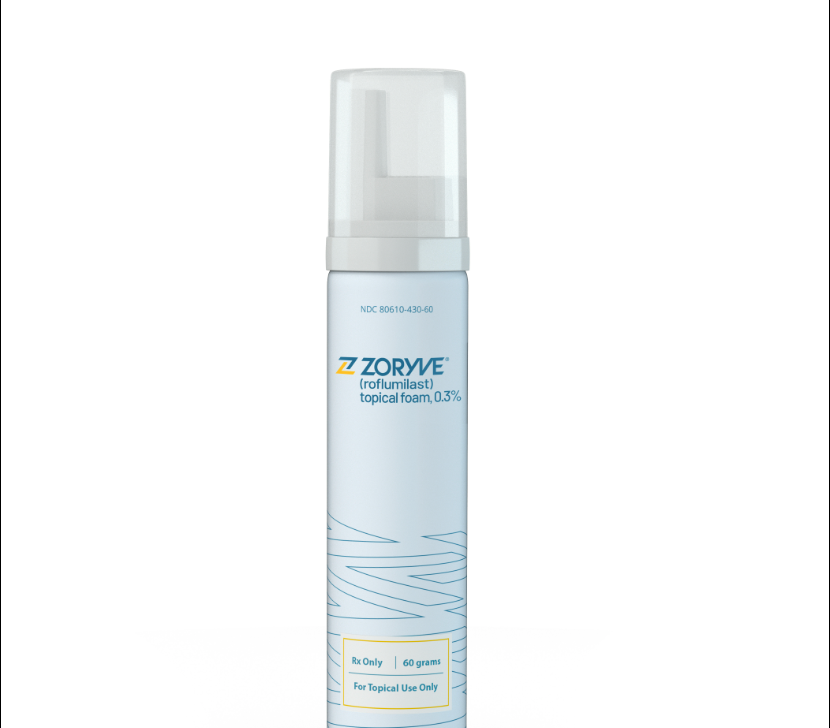
Zoryve (roflumilast) topical foam, 0.3% is the first approved treatment for seborrheic dermatitis with a new mechanism of action in more than two decades.
The FDA has approved Arcutis Biotherapeutics, Inc’s Zoryve (roflumilast) topical foam, 0.3% to treat seborrheic dermatitis in patients aged 9 years and older. The once-daily, steroid-free foam is the first approved treatment for seborrheic dermatitis with a new mechanism of action in more than two decades, according to Arcutis Biotherapeutics.1
“We know from dermatology clinicians and those living with seborrheic dermatitis that there has been a real struggle with disease clearance and treatment adherence due to lack of efficacy, difficulty treating certain body areas, inconvenient treatment regimens, and concerns about safety with long-term use,” Patrick Burnett, MD, PhD, FAAD, chief medical officer at Arcutis, said in a press release. “Zoryve foam is a once-daily, steroid-free topical treatment that can be used anywhere on the body, including hair-bearing areas, with no limitation on duration of use. We are proud to deliver meaningful innovation through this approval of Zoryve foam, and to offer a new topical treatment that effectively clears and controls the disease and can simplify its management for the millions of adults and adolescents living with seborrheic dermatitis.”1
Zoryve is a highly potent and selective phosphodiesterase type 4 inhibitor in development to treat inflammatory dermatoses, particularly areas with hair, such as the scalp. In the pivotal Phase II Trial 203 and Phase III STRATUM trials, Zoryve was found to provide rapid disease clearance and a significant improvement in itch. The parallel group, double-blind, vehicle-controlled trials analyzed the safety and efficacy of Zoryve treating seborrheic dermatitis among 683 adult and adolescent patients aged 9 years and older.
The STRATUM trial achieved its primary endpoint with 79.5% of patients administered Zoryve reached the Investigator Global Assessment (IGA) Success rate at week eight compared with 58.0% of vehicle patients. In Trial 203, 73.1% of individuals administered Zoryve achieved IGA Success compared with 40.8% vehicle.
Zoryve was found to produce a statistically significant improvement in IGA Success at week two compared to vehicle. Further, 50.6% of patients administered Zoryve achieved complete clearance at week eight. Patients administered Zoryve also achieved a statistically significant improvement compared with vehicle across all secondary endpoints, including itch, scaling, and erythema.
Further, 62.8% of patients administered Zoryve achieved a ≥4-point reduction in itch at week eight as measured by Worst Itch-Numerical Rating Score compared with 40.6% of the vehicle group. There were also significant improvements in itch observed at weeks two and four. Patients in the Zoryve group achieved a 28% improvement in itch from baseline in 48 hours vs. 13% in the vehicle group.
The drug was generally well tolerated, with the incidence of treatment-emergent adverse events (TEAEs) being low and similar between the active treatment and vehicle cohorts. Most of the observed TEAEs were mild to moderate in severity, with no serious TEAEs reported.
Overall, the most common AEs were COVID-19, nasopharyngitis, nausea, and urinary tract infection. The study showed that more than 90% of patients randomly assigned to use Zoryve completed the full 8 weeks and 0.7% in the Zoryve arm and 2% in the vehicle arm discontinued the study because of AEs.2
“In the STRATUM trial, Zoryve foam provided rapid disease clearance as early as Week 2 and significant itch relief in as little as 48 hours. In addition, almost 80% of patients achieved treatment success at week 8,” STRATUM trial investigator Andrew Blauvelt, MD, MBA, clinical investigator at Oregon Medical Research Center, said in a press release. “While multiple factors contribute to seborrheic dermatitis, inflammation and skin barrier dysfunction play key roles. Zoryve has been shown to effectively reduce the signs of inflammation, redness, and scaling in patients with seborrheic dermatitis, and with its unique formulation, Zoryve foam effectively delivers the drug without disrupting the skin barrier and has been shown to be safe and tolerable. Zoryve foam is thus ideally formulated, having the potential to become the new standard of care for seborrheic dermatitis treatment.”1
In a press release, Arcutis said Zoryve foam will be widely available via key wholesaler and dermatology pharmacy channels by the end of January 2024.
“Approximately 10 million people in the United States have seborrheic dermatitis, but until today, there have been limited treatment options. We are thrilled with this FDA approval and are excited to bring to market a new, highly effective steroid-free topical formulation that can be used anywhere on the body,” said Frank Watanabe, president and CEO of Arcutis. “Our commercial team is ready and poised to launch Zoryve foam very soon, and we are committed to ensuring affordable access to Zoryve foam to those who may benefit from this novel treatment.”1
References
1. FDA Approves Arcutis’ ZORYVE® (roflumilast) Topical Foam, 0.3% for the Treatment of Seborrheic Dermatitis in Individuals Aged 9 Years and Older. Arcutis Biotherapeutics, Inc. News release. December 15, 2023. Accessed December 18, 2023. https://www.arcutis.com/fda-approves-arcutis-zoryve-roflumilast-topical-foam-0-3-for-the-treatment-of-seborrheic-dermatitis-in-individuals-aged-9-years-and-older/
2. Arcutis announces positive topline results from STRATUM pivotal phase 3 trial of roflumilast foam 0.3% in seborrheic dermatitis. Arcutis Biotherapeutics. News release. June 6, 2022. Accessed December 18, 2023. Email.

Pharm Exec spent the year speaking with some of the most interesting professionals from the life sciences industry.

Jemperli plus standard-of-care chemotherapy with carboplatin and paclitaxel, followed by Jemperli plus Zejula as maintenance therapy produced a statistically significant and clinically meaningful benefit in progression-free survival in patients with primary advanced or recurrent endometrial cancer.
GSK’s Jemperli (dostarlimab) produced a significant improvement in survival among adults with primary advanced or recurrent endometrial cancer in a Phase III trial.1 Findings from the RUBY/ENGOT-EN6/GOG3031/NSGO trial show that Jemperli plus standard-of-care chemotherapy with carboplatin and paclitaxel, followed by Jemperli plus Zejula (niraparib) as maintenance therapy, achieved the primary endpoint of progression-free survival (PFS). The combination led to a statistically significant and clinically meaningful benefit across the overall patient population and among a subpopulation of patients with mismatch repair proficient/microsatellite stable (MMRp/MSS) tumors in those with primary advanced or recurrent endometrial cancer.
“Patients with MMRp/MSS primary advanced or recurrent endometrial cancer have few approved treatment options,” Hesham Abdullah, senior vice president, Global Head Oncology, R&D, GSK, said in a press release. “Today’s positive topline results reinforce our approach of building combination therapies with [Jemperli] as the backbone in an effort to improve patient outcomes and options.”1
Jemperli is a programmed death receptor-1 (PD-1)-blocking antibody that binds to the PD-1 receptor and blocks its interaction with the PD-1 ligands PD-L1 and PD-L2. It has shown potential both as a monotherapy and in combination with standard of care and future novel cancer therapies, particularly in patients with currently limited treatment options.
The two-part global, randomized, double-blind, multicenter RUBY trial analyzed the Jemperli combination in patients with primary advanced or recurrent endometrial cancer. Part 1 of the trial studied Jemperli plus carboplatin-paclitaxel followed by Jemperli compared with carboplatin-paclitaxel plus placebo followed by placebo. Part 2 of the trial analyzed Jemperli plus carboplatin-paclitaxel followed by Jemperli plus Zejula versus placebo plus carboplatin-paclitaxel followed by placebo. An analysis of the full trial data with the key secondary endpoint of overall survival (OS) is ongoing because the data are immature.
In August, the FDA approved Jemperli with carboplatin and paclitaxel, followed by Jemperli as a monotherapy, for the treatment of adults with primary advanced or recurrent endometrial cancer that is mismatch repair deficient (dMMR) as determined by an FDA-approved test, or microsatellite instability high based on findings from an interim analysis of the first part of the RUBY/ENGOT-EN6/GOG3031/NSGO trial.2 The FDA previously approved Jemperli as a single agent in adults with dMMR recurrent or advanced endometrial cancer that has progressed on or after prior treatment with a platinum-containing regimen in any setting and who are not candidates for curative surgery or radiation.
At a median follow-up of 24.8 months (range, 19.2-36.9), the addition of Jemperli to chemotherapy produced a 72% decline in the risk of disease progression or death compared with placebo plus chemotherapy. The estimated 24-month PFS rate was 61.4% compared with 15.7% with placebo. The 24-month OS rate with the Jemperli combination was 83.3% compared with 58.7% with placebo or chemotherapy.3
In terms of safety, grade 3 or higher adverse effects (AEs) were reported in 70.5% of patients administered Jemperli (n = 241) and in 59.8% of patients in the placebo (n = 246) cohort. Serious toxicities were reported in 37.8% and 27.6% of patients, respectively.
The most common any-grade AEs experienced by more than 20% of patients in the investigative and control cohorts were fatigue (51.9% vs 54.5%, respectively), alopecia (53.5% vs 50.0%), nausea (53.9% vs 45.9%), peripheral neuropathy (44.0% vs 41.1%), anemia (37.8% vs 42.3%), arthralgia (35.7% vs 35.0%), constipation (34.4% vs 35.8%), diarrhea (31.1% vs 28.9%), myalgia (26.1% vs 27.6%), hypomagnesemia (21.6% vs 28.5%), peripheral sensory neuropathy (21.2% vs 19.1%), reduced appetite (21.6% vs 17.5%), dyspnea (18.3% vs 20.3%), and rash (22.8% vs 13.8%).
Grade 3 or higher AEs reported in the investigative and control cohorts included anemia (14.9% vs 16.3%), neutropenia (9.5% vs 9.3%), decreased neutrophil count (8.3% vs 13.8%), decreased lymphocyte count (5.4% vs 7.3%), decreased white cell count (6.6% vs 5.3%), hypertension (7.1% vs 3.3%), pulmonary embolism (5.0% vs 4.9%), and hypokalemia (5.0% vs 3.7%), respectively.2
References
1. Jemperli (dostarlimab) plus Zejula (niraparib) combination significantly improved progression-free survival in primary advanced or recurrent endometrial cancer in RUBY Part 2 Phase III trial. GSK. News release. December 18, 2023. Accessed December 18, 2023. https://www.gsk.com/en-gb/media/press-releases/jemperli-plus-zejula-combination-significantly-improved-progression-free-survival-in-endometrial-cancer-phase-iii-trial/
2. Jemperli (dostarlimab) plus chemotherapy approved in the US as the first new frontline treatment option in decades for dMMR/MSI-H primary advanced or recurrent endometrial cancer. News release. GlaxoSmithKline. July 31, 2023. Accessed December 18, 2023. https://www.gsk.com/en-gb/media/press-releases/jemperli-plus-chemotherapy-approved-in-us-for-new-indication/
3. Mirza MR, Chase DM, Slomovitz BM, et al. Dostarlimab for primary advanced or recurrent endometrial cancer. N Engl J Med. Published online March 27, 2023. Accessed December 18, 2023. doi:10.1056/NEJMoa2216334

As companies continued to expand their DE&I efforts, Pharm Exec was there to cover it in 2023.
Equity for Women in Healthcare: 131 Years is Too Long to Wait
Closing the gender gap in pharma—and how we get there together.
Q&A with Amy West, Head of US Digital Health & Innovation Strategy at Novo Nordisk
Amy West, Head of US Digital Health & Innovation Strategy at Novo Nordisk, shares her insights on fostering collaboration, embracing change, and her compelling vision to revolutionize digital transformation and innovation in the field of healthcare.
Pharma’s ESG Equation: Materiality and Strategy are Key
Life sciences executives who are confronted by too many choices in launching their environmental, social, and governance programs can leverage these two foundational tools to hone in on the set of issues, actions, and disclosures they should prioritize to create value.
DE&I in Pharma: A Shared Aim Promoting Inclusivity from Non-Leadership Roles
In today’s changing workplace environment—one forever altered by the pandemic and the new approaches it spawned—employees at all levels play a vital role in developing and advancing inclusive behaviors across an organization and beyond.
Tough—But Rewarding: The Evolution of the Chief Diversity Officer
What Smita Pillai, global chief diversity, equity, and inclusion (DE&I) officer, Regeneron, learned from two decades in DE&I roles.

Pharma marketing teams had to deal with big changes in 2023.
Q&A With UCB’s Camille Lee on New Psoriasis Medication Approval
The UCB executive speaks on recent FDA approval of Bimzelx.
Artificial Intelligence Changing the Landscape for Healthcare Social Media Marketing
Experts from Hootsuite noted that the primary social media ROI concern for healthcare companies is the time and money it takes to maintain a multi-platform presence.
Fortifying Defenses Pre-Patent Cliff
Integrating artificial intelligence and advanced analytics throughout operations offers pharma companies a pathway to offset impending drug patent expirations.
Strategies for Success in an Evolving Commercialization Landscape
A phased launch approach may ultimately be more sustainable and enable maximum market penetration and commercial success with less upfront investment than traditional “go-for-broke” strategies.
Embracing Programmatic Advertising to Enhance Targeting of HCPs
The precision of programmatic advertising is reshaping the way life sciences brands engage with healthcare professionals, offering enhanced personalization, scale, and optimization in today’s digital landscape.

Published on:
Our top five episodes of the year.

As this exciting technology exploded in 2023, Pharm Exec was there to cover it all.
The Promise and Challenges of Generative AI in Healthcare
Pharma industry stakeholders must develop actionable roadmaps to prioritize the areas in which the use of generative artificial intelligence can create the greatest benefits.
Embracing AI: Q&A with Shalu Chadha
Accenture’s global life sciences technology lead discusses how the life sciences industry has embraced artificial intelligence.
AI and Drug ‘Re-Innovation’
The application of artificial intelligence is steadily finding a home in the pharma industry, but these tools may have unprecedented potential in a more nascent niche along the life sciences continuum: drug development.
Harnessing AI for Pharma Sales
Artificial intelligence is steadily becoming a game changer for the pharma industry, particularly in commercialization activities, such as sales and marketing—and efforts to help highly sought treatments reach the right patients.
Data, AI, and the New Era of Field Teams: Q&A with Paul Shawah, executive vice president of commercial strategy at Veeva
Setting up a field team for the future necessitates equipping it with a toolbox of cutting-edge technological advancements. These tools enable the team to swiftly acquire essential, accurate information, as collectively advocated by biopharma organizations at Veeva’s May 2023 Commercial Summit. Senior editor Fran Pollaro spoke with Paul Shawah, Veeva’s executive vice president of commercial strategy, about the roles of data, ChatGPT, and AI in introducing new medicines to the market.

Five trends in pharmaceutical marketing from the past year.
A recent Hootsuite social trends presentation focused on healthcare revealed that a significant majority of Gen Z use social media platforms like TikTok and LinkedIn to look up health-related information. Using a mix of medical, personal, and trendy posts—doctors on TikTok have gained millions of followers each; verified account or not. Some companies, like acne treatment Differin, utilize these doctors to answer FAQs to elevate trust and bring relatability to their product. Hootsuite also predicts that LinkedIn will become the new healthcare hub of social media.
Though the mask mandates have lifted, and the social distancing floor stickers have faded, COVID vaccine makers like Pfizer have turned to celebs like Martha Stewart, Michael Phelps, Travis Kelce and more to leverage their followings to encourage people to get their COVID vaccine and boosters. Other notable campaigns include Apellis’ Syforve being promoted by ‘The Fonz’ himself—Henry Winkler—and Lady Gaga taking center stage on behalf of migraine medication, Nurtec ODT.
The Hootsuite presentation also noted the industry is planning to utilize artificial intelligence (AI) more across the board. Beyond the ability to edit images and gather inspiration, pharma companies are also utilizing AI for customer support activities. The good news? The main reason organizations are embracing AI is to reduce staff workload, not replace employees. Consumers have expressed that they would be wary and untrusting of content created with AI, furthering the need for the human touch on campaigns.
Interestingly enough Big Pharma hasn’t had to do much to make a craze over anti-obesity/appetite suppressing drugs. Jimmy Kimmel even included a joke in his monologue at the Oscars. Kimmel was onto something as many celebrities have cited the assistance of drugs like Ozempic, Wegovy, and Jardiance as part of their weight loss journey successes—even if those medications were created for something like diabetes care. The hype has caused a significant increase in ad spend, nearly $500 million according to CNBC.1
With so much drama surrounding Twitter/X and Elon Musk, many companies have closed their wallets when it comes to ad spend on the platform. Always the more sarcastic platform, Twitter/X has become a place that has little to no rules, where any one can be verified and post whatever they please. Meta’s retort Threads hasn’t been proven popular enough to earn a vote of confidence, or significant dollars yet. Healthcare organizations have the most confidence in the ROI they’ll get from LinkedIn, Instagram, and Facebook.

Drug companies face new hurdles in a rapidly changing marketplace. How do they finance new drug development amid the uncertainty?
How much is a prescription medicine really worth?
For patients suffering from cancer or other severe illnesses where the right drug is a matter of life or death, no price is too high. Someone with a mild case of psoriasis or acid reflux, on the other hand, might think twice before paying too much.
For the scientists and pharmaceutical researchers who develop drugs, the investors who risk money to produce them, and the various organizations and governments that pay for them, defining the real value of medicine is a lot more complex. Biopharmaceutical firms and their investors today are facing an especially daunting range of market uncertainties, regulatory headwinds, and demands from politicians and pinched consumers.
For example, with the passage of the Inflation Reduction Act (IRA) in 2022, pharmaceutical companies–for the first time in U.S. history–will face government controls on the pricing of popular drugs. By the end of the decade, Medicare will impose price limits on dozens of the most widely prescribed therapeutics, such as Xarelto, Jardiance, and Stelara, under the new law.
Further complicating the landscape are steeply rising costs and rapid shifts in the marketplace. Labor, raw materials, and transportation costs are spiraling. The pandemic also stressed drug development supply chains and increased the urgency to develop expensive new technologies such as cellular and gene therapy.
As a Congressional staffer, a provider consultant, and an economist who has spent decades working on challenges like these at Pfizer, I appreciate how shifting market realities have buffeted the C-suites of established pharmaceutical companies firms while payers and policymakers have grown increasingly frustrated with costs and access.
What could a solution look like for the industry, patients, and payers where everyone comes out better than under the status quo, and what is stopping us from implementing such a solution?
The answer lies in taking a fresh, data-driven approach to the thorny problem of finding the right price for new medicines.At the center of this new comprehensive approach is more accurately assessing how new therapies will perform in the real world for specific groups of patients, and for all parties to agree that valuable treatments that are proven to have worked are worth the full price. Fortunately, we have the tools and expertise to make these assessments.
Today, we can quantify the risks surrounding new technologies, predict how real patients will receive new treatments, and calculate the potential financial returns with a degree of accuracy that was not possible even a decade ago. Understanding and predicting that value can pave the way for biopharmaceutical companies to accept more performance risk in the pricing paradigm and for payers to use the savings from treatments that disappoint to fund higher payments for those that do.
Those same predictive tools can help investors and leaders to estimate the relative size and characteristics of a potential market for a new drug and predict how patients with varying levels of disease will adopt a new therapy. We can use clinical trial data to forecast the best target audience. We can accurately analyze how financial risks and variables related to a drug might change under different regulatory frameworks.
In healthcare, there’s an infinite amount of data out there. The question is: what can we do with it? You can data mine to look for patterns, and use it to create some kind of machine learning platform. But all that data is based on past conditions, and if we know anything about the pharma world, we know it is changing profoundly. Drug companies need bottom-up models that reflect real experience in the clinical marketplace.
My old boss at Pfizer, Frank D’Amelio, used to say that as chief financial officer, he was like the brain of a great octopus whose arms constantly fed him information about every branch of the company. Those data helped us set the value of medicines and the prices we charged based on the needs of customers, the company, and shareholders. Unfortunately, a lot of startups and smaller biopharma firms aren’t financial octopi. They’ve got to solve the price conundrum with a lot less resources than Pfizer. They’re an octopus with no arms, yet they are arguably the future of medicine.
If you’re the CEO of one of these smaller firms, you might try to figure out the price of a promising new gene therapy, for example. The market might expect you to guarantee the performance of your expensive product, or your competitor might be willing to do so. You have some resources, but you’ve got to use them efficiently. You desperately need some good objective advice on pricing. You want to know, for example, where your new company’s new drug fits in the pantheon of other launches.
Software solutions and newer, cost-effective models can bridge that gap. Recently developed tools and models can help show you, for example, where your company’s vulnerabilities are, what your faulty financial assumptions might be, how the reimbursement environment might be in five years, or where you may need clinical data as you pursue licensing.
If you’re planning a product launch, or investing in one, you want to quantify risks and gather the best real-world data possible. Obtaining this information to understand pricing and the related math is not only important to the profit and loss picture of drug companies. It’s vital for future innovation. Revenue risks for drug producers can directly affect the development of new medicines and treatments.
Measuring the value of new medicines is hard. We have the tools to do it properly, however, in ways that save lives and resources that fuel more innovation for future generations.
Neal Masia is an Adjunct Professor of Economics and Management at Columbia University and former Chief Economist at Pfizer Inc. He is Co-Founder and CEO of EntityRisk, Inc.
Enabling Authenticity
Natalie Bickford, chief people officer at Sanofi, reveals how she approaches the employee experience, which ultimately influences employee retention, and discusses the importance of a corporate DE&I strategy in those efforts.
Built for the Moment
Starting out with limited pharma business knowledge, how the lessons learned and realizations made helped to forge a destined—and globe-spanning—leadership path for Christophe Bourdon, where today, as CEO of LEO Pharma, he is tasked with steering the longtime company’s return to profitability.
The Pivot to Digital
Chronicling Davidek Herron’s career crossover from playing professional basketball to leading Roche’s digital transformation and scale-up efforts—and the team lessons learned along the way.
Unwavering Focus
Christi Shaw, this year’s Healthcare Businesswomen’s Association (HBA) Woman of the Year, stays true to her beliefs—and life mission—of helping others.
2023’s Emerging Pharma Leaders
Pharm Exec profiles its 2023 Emerging Pharma Leaders.
2023 Pharm Exec Top 50 Companies
With the sales boom from COVID-19 products now in the rear-view, a resetting is underway for those in Pharm Exec’s listing of the top biopharma producers—shifting attention to new Rx roads ahead and the steady strategies needed to navigate a bumpy business terrain.
Crossing the Brain Barrier
COMPASS Pathways’ CEO, Kabir Nath, has a clear vision for psychedelics—and is leading the way with the company’s focus on psilocybin and efforts to separate the science from the hype.
A Fierce Focus On Unmet Need
From public defender to spearheading the adoption of innovative drugs, Wendy Short Bartie, senior VP and general manager for the hematology and cell therapy division at Bristol Myers Squibb, has remained a steadfast patient advocate—working to fulfill unmet medical needs and bring treatments to as many people as possible.
A New Era of Ethical Leadership
Lisa LeCointe-Cephas, SVP, chief ethics and compliance officer and office of general counsel, human health, Merck, uses her unique style of leadership—stop, drop, and roll—while elevating voices that need to be heard.
A Blueprint for Balance
Stephen Rivera, vice president, global technical accounting advisory services and policy, Johnson & Johnson, capitalizes on his lively personality—and a courageous career journey—to bring people together to shape the future of biopharma.
2024 Pipeline Report: First-World Focus
Pharm Exec’s 19th annual report on the trends of the day in drug development examines the surging investment in new treatments and advances for so-called “first-world” conditions, capturing the landscape of five expanding therapeutic areas: weight loss, osteoarthritis, Alzheimer’s disease, COPD, and psychedelics.
Finding that Spark
Lisa Conte, founder, president, and CEO of Jaguar Health, discusses how a climb up Mount Kilimanjaro would vault her to her true career calling—and spark a decades-long quest to accelerate breakthroughs in plant-based pharmaceuticals and supportive care.

Pivotal trial findings show favorable clinical safety and efficacy data for mRNA-1345 in lowering the incidence of respiratory syncytial virus-associated lower respiratory tract disease.
The results of a pivotal Phase III trial show favorable clinical safety and efficacy data for Moderna’s investigational respiratory syncytial virus (RSV) vaccine mRNA-1345. In findings published in The New England Journal of Medicine, a single dose of the vaccine produced lower incidence of RSV-associated lower respiratory tract disease (LRTD) as well as RSV-associated acute respiratory disease compared with placebo in those aged 60 years and older.1
mRNA-1345 consists of a single mRNA sequence encoding for a stabilized prefusion F glycoprotein and uses the same lipid nanoparticles as the Moderna COVID-19 vaccines. In July, Moderna filed marketing authorization submissions for mRNA-1345 for the prevention of RSV-associated LRTD and acute respiratory disease in adults aged 60 years and older.2
The company submitted the applications for the vaccine with the European Medicines Agency, Swissmedic in Switzerland, and the Therapeutic Goods Administration (TGA) in Australia. It also initiated the rolling submission process for a biologics license application to the FDA for the licensure of the vaccine. In January 2023, the FDA awarded mRNA-1345 with breakthrough therapy designation to prevent RSV-LRTD in adults aged 60 years or older. The novel vaccine was previously granted fast track designation in 2021.
The ongoing, randomized, double-blind, placebo-controlled, Phase II–III trial randomly assigned on a 1:1 basis adults aged 60 years or older to receive one dose of 50 μg mRNA-1345 (17,793 patients) or placebo (17,748 patients). The trial’s primary efficacy endpoints were prevention of RSV-associated LRTD with at least two signs or symptoms and with at least three signs or symptoms. The secondary efficacy endpoint was prevention of RSV-associated acute respiratory disease.
The results showed that a single dose of mRNA-1345 produced 83.7% efficacy against RSV-associated LRTD with at least two signs or symptoms, 82.4% efficacy against RSV-associated LRTD with at least three signs or symptoms, and 68.4% against RSV-associated acute respiratory disease. Researchers observed protection against RSV subtypes A and B, with consistent findings across subgroups defined by age and coexisting conditions.
The mRNA-1345 patient cohort showed a higher incidence of solicited local adverse events (AEs) at 58.7% compared to 16.2% in the placebo cohort. Systemic AEs were 47.7% in the investigational cohort compared to 32.9% with placebo, but were deemed mild to moderate and were temporary. Serious AEs were reported in 2.8% of the participants in each trial group.
An accompanying editorial published in The New England Journal of Medicine noted the importance of an effective preventative option against RSV globally.
“The burden of RSV disease in older adults in the United States and worldwide is substantial, and multiple RSV vaccines will provide an important intervention in this age group,” the study authors wrote.3 “However, the effects of RSV infection are most profound in infants, with at least 100,000 potentially preventable deaths each year, 97% of which occur in low- and middle-income countries. The vaccination of pregnant persons with RSV vaccines can protect their young infants by means of the placental transfer of antibodies.”
References
1. Wilson E, et al. Efficacy and Safety of an mRNA-Based RSV PreF Vaccine in Older Adults. Journal Article. 2023. New England Journal of Medicine. PG – 2233-2244. VI – 389 IP – 24 DOI: 10.1056/NEJMoa2307079. https://www.nejm.org/doi/full/10.1056/NEJMoa2307079. December 14, 2023 389(24):2233. Accessed December 18, 2023.
2. Moderna announces global regulatory submissions for its respiratory syncytial virus (RSV) vaccine, mRNA-1345. News release. Moderna. July 5, 2023. Accessed December 18, 2023. https://investors.modernatx.com/news/news-details/2023/Moderna-Announces-Global-Regulatory-Submissions-For-Its-Respiratory-Syncytial-Virus-RSV-Vaccine-MRNA-1345/default.aspx
3. Cohn, A. Hall, A. Continued Progress in the Development of Safe and Effective RSV Immunizations. Journal Article. 2023. New England Journal of Medicine. PG – 2289-2290. VI -389. IP – 24. DOI: 10.1056/NEJMe2311862. https://www.nejm.org/doi/full/10.1056/NEJMe2311862. December 14, 2023 389(24):2289. Accessed December 18, 2023.

Indication of Adbry (tralokinumab-ldrm) expanded to include patients 12 to 17 years of age with moderate-to-severe atopic dermatitis whose disease is not adequately controlled with topical prescription therapies or for whom those therapies are not advisable.
The FDA has approved an expanded indication for LEO Pharma’s Adbry (tralokinumab-ldrm) for patients 12 to 17 years of age with moderate-to-severe atopic dermatitis (AD) whose disease is not adequately controlled with topical prescription therapies or for whom those therapies are not advisable.1 Adbry is a human immunoglobulin G4 monoclonal antibody that specifically binds to human interleukin (IL)-13 and inhibits its interaction with the IL-13 receptor α1 and α2 subunits. Adbry is the first and only biologic FDA-approved for this indication.
“This is an important milestone on our path towards making a fundamental difference for those who need it most. This critical patient group now has access to a much-needed additional treatment option to manage their atopic dermatitis,” Brian Hilberdink, EVP and president, Region North America, LEO Pharma, said in a press release. “We are delighted to be able to offer Adbry, a highly targeted treatment, to both adult and pediatric patients in the US. This debilitating disease can have a particularly strong impact on pediatric patients, who often feel socially isolated because of their condition. We are incredibly proud of the progress we have made to date, and we will continue to work hard to address unmet needs in additional patient populations.”1
In clinical trials, the drug produced significant improvements in itch, sleep interference, anxiety, depression, and overall quality of life among patients 12 to 17 years of age with moderate-to-severe AD.2 The expanded indication is for an initial loading dose of 300 mg followed by 150 mg dose every two weeks for this patient group.
The FDA based its approval for the expanded indication of Adbry on data from the Phase III ECZTRA 6 trial. Investigators evaluated the drug’s efficacy and safety in 289 patients aged 12-17 years with moderate-to-severe AD who were candidates for systemic therapy. Of those enrolled in the trial, 98 patients were administered an initial dose of Adbry 300 mg followed by 150 mg every other week up to week 16.
The study showed that 21% of patients administered Adbry achieved an Investigator’s Global Assessment (IGA) score of 0 or 1 vs. 4% administered placebo. The trial also found that 29% of patients administered Adbry achieved at least a 75% improvement in Eczema Area and Severity Index score (EASI-75) vs. 6% administered placebo.
Further, 23% of patients administered Adbry achieved at least a four-point drop in Adolescent Worst Pruritis Numerical Rating Scale vs. 3% with placebo and a greater proportion of patients administered Adbry achieved at least a 90% improvement in EASI-90 compared to placebo.
“We know the symptoms associated with moderate-to-severe atopic dermatitis can have an impact on pediatric patients, which is why it’s so important to have treatment options with demonstrated efficacy in itch reduction and skin clearance,” said international coordinating investigator for ECZTRA 6, Amy Paller, MD, chair, Department of Dermatology, Feinberg School of Medicine, Northwestern University in Chicago, in a press release. “Clinical trial results that provide this evidence are invaluable to clinicians evaluating the safety and efficacy of treatment options for their pediatric patients.”1
In terms of safety, the drug’s profile was comparable to what has been reported in clinical trials by adults with atopic dermatitis. The most common adverse events reported in adults were upper respiratory tract infections, conjunctivitis, injection site reactions, and eosinophilia.
“The approval of Adbry for pediatric patients living with moderate-to-severe atopic dermatitis expands the therapeutic options for those living with this disease who historically have had a limited selection to choose from,” said Julie Block, president and CEO of the National Eczema Association, said in a press release. “Such advances in the atopic dermatitis treatment landscape provide much-needed hope for pediatric patients seeking a long-term treatment option that could work for them.”1
References
1. LEO Pharma Inc. Announces U.S. FDA approval of Adbry® (tralokinumab-ldrm) for the Treatment of Moderate-to-severe Atopic Dermatitis in Pediatric Patients Aged 12-17 Years. LEO Pharma. News release. December 15, 2023. Accessed December 19, 2023. https://www.businesswire.com/news/home/20231215374551/en/LEO-Pharma-Inc.-Announces-U.S.-FDA-approval-of-Adbry%C2%AE-tralokinumab-ldrm-for-the-Treatment-of-Moderate-to-severe-Atopic-Dermatitis-in-Pediatric-Patients-Aged-12-17-Years
2. Soong et al. Tralokinumab treatment substantially improves patient-reported outcomes in adolescents with moderate-to-severe atopic dermatitis at 16 weeks. WSAAI. Feb 6-10, 2022. Maui, HI. Poster Presentation. Accessed December 19, 2023.

Filsuvez (birch triterpenes) is indicated to treat partial thickness wounds associated with junctional epidermolysis bullosa and dystrophic epidermolysis bullosa.
The FDA has approved Chiesi Global Rare Diseases’ topical gel Filsuvez (birch triterpenes) to treat partial thickness wounds associated with junctional epidermolysis bullosa (JEB) and dystrophic epidermolysis bullosa (DEB). The regulatory action makes Filsuvez the first approved treatment for wounds associated with JEB.1
“We are grateful for the support of those living with EB and their dedicated caregivers, which allowed us to reach this landmark FDA approval and proudly provide Filsuvez as a solution for wound care management,” Giacomo Chiesi, head of Chiesi Global Rare Diseases, said in a press release.1
Filsuvez is indicated to treat wounds associated with JEB and DEB in patients aged 6 months and older. The gel can be administered at home for topical application to wounds and can be integrated into existing treatment plans.
The FDA’s approval was based on data from the Phase III EASE trial (NCT03068780), which was the largest global Phase III trial in patients with EB. The trial consisted of a three-month double-blind, randomized, controlled phase followed by a 24-month open-label, single-arm phase. The trial enrolled 223 patients, of whom 156 were pediatric patients, with EB target wounds between 10 and 50 cm2 in size present for at least 21 days and fewer than nine months.
Patients were randomly assigned to receive Filsuvez and wound dressings applied according to the standard of care. The trial’s primary endpoint was an evaluation of efficacy for Filsuvez compared with the control gel according to the number of patients with complete closure of the target wound within 45 days of treatment.
The study data showed statistical significance for the primary endpoint, while the key secondary endpoints did not reach statistical significance; however, researchers noted several differences in favor of Filsuvez.
The most frequently reported adverse effects (AEs) associated with Filsuvez were pruritis and pain at the wound application site (7.3%). Further, patients administered Filsuvez reported local hypersensitivity and skin reactions, such as urticaria and dermatitis.
EB is a group of rare diseases in which the skin becomes fragile and blisters easily. Rubbing or bumping of the skin may lead to tears, sores, and blisters that may appear anywhere on the body. More severe cases of the disease may include the development of blisters and sores inside the body, including in the mouth, esophagus, stomach, intestines, upper airway, bladder, and genitals.2
There is currently no cure for EB, as treatment typically involves addressing the symptoms, which may include pain management, treatment of wounds caused by the blisters and tears, and helping with daily quality of life. Although investigators have established that EB is an autoimmune disease, it remains unknown what causes the body to attack collagen in the skin.2
“The FDA’s decision to approve Filsuvez provides those living with EB a safe and effective treatment option for the most prominent and difficult symptom of EB, open wounds that may not heal,” said Brett Kopelan, executive director, DEBRA of America, in the press release. “Today marks an important milestone for those living with junctional EB, as Filsuvez is the first FDA-approved treatment for this variant of the disease.”1
References
1. GlobalNewswire. Chiesi Global Rare Diseases Receives FDA Approval for FILSUVEZ® (birch triterpenes) topical gel for the Treatment of Epidermolysis Bullosa. News release. December 19, 2023. Accessed December 19, 2023. https://www.globenewswire.com/news-release/2023/12/19/2798751/0/en/Chiesi-Global-Rare-Diseases-Receives-FDA-Approval-for-FILSUVEZ-birch-triterpenes-topical-gel-for-the-Treatment-of-Epidermolysis-Bullosa
2. Epidermolysis Bullosa. National Institute of Arthritis and Musculoskeletal and Skin Diseases. National Institues of Health. Webpage. Last Reviewed September 2023. Accessed December 19, 2023. https://www.niams.nih.gov/health-topics/epidermolysis-bullosa

Garadacimab is a novel, first-in-class, recombinant monoclonal antibody for hereditary angioedema that targets activated Factor XII.
The FDA has accepted a Biologics License Application (BLA) for CSL Behring’s garadacimab (CSL312), a once-monthly prophylactic therapy for hereditary angioedema (HAE). A Marketing Authorization Application (MAA) filed by CSL Behring was also accepted by the European Medicines Agency (EMA) for garadacimab.
“CSL is a company with a deep heritage in developing innovative treatments for the rare disease community, and we are extremely proud that our first homegrown recombinant monoclonal antibody is progressing our commitment to support HAE patients in need,” Emmanuelle Lecomte Brisset, PharmD, senior vice president and global head of Regulatory Affairs at CSL, said in a press release.1 “We believe that garadacimab has the potential to become a promising therapy in the prevention of HAE attacks and we look forward to working closely with global health regulators throughout the review process.”
The novel, first-in-class, recombinant monoclonal antibody targets activated Factor XII (FXIIa). FXIIa is a plasma protein that initiates the kallikrein-kinin cascade of HAE attacks.
Garadacimab targets FXIIa to slow the cascade of HAE attacks at the top, which differs from other HAE treatments that target downstream mediators. Garadacimab was previously granted orphan drug designation for patients with HAE by both the FDA and EMA.1
The agencies granted these designations based on data from the pivotal, multicenter, randomized, double-blind, parallel-group VANGUARD study, which analyzed the long-term efficacy and safety of garadacimab administered monthly at a dose of 200 mg doses as a prophylactic treatment for patients with HAE.
Patients in the trial were administered either garadacimab at a subcutaneous (SC) dose of 400 mg in two 200 mg injections or a volume-matched placebo, followed by five self-administered monthly doses of 200 mg SC garadacimab or volume-matched placebo. The trial’s primary endpoint was investigator-assessed time-normalized number of HAE attacks per month during the six-month treatment period. Safety was analyzed in patients administered at least one dose of garadacimab or placebo.1,2
Data from the study show that over a 6-month treatment period, the mean number of investigator-confirmed HAE attacks per month dropped significantly in patients administered garadacimab compared with the placebo cohort. The mean number of HAE attacks per month in patients administered garadacimab was 0 compared with 1.35 in the placebo cohort.
HAE is an autosomal dominant disease caused by the lack of or a dysfunctional C1-inhibitor protein.3 HAE’s estimated prevalence is one in 50,000, with the disease typically manifesting during the first two decades of life.
Although symptoms vary in severity, location, and duration, it typically involves the upper airway, skin, and gastrointestinal tract. The disease manifests with symptoms related to angioedema of the upper airway, skin, and gastrointestinal tract, with the most worrisome complication being upper airway swelling that may proceed to asphyxiation, which occurs in just 1% to 3% of cases.3
If the FDA approves garadacimab, it would be the first HAE therapy that targets activated FXIIa.
References
1. CSL Behring. CSL’s Garadacimab, a First-in-Class Factor XIIa Inhibitor, Receives FDA and EMA Filing Acceptance. News release. December 14, 2023. Accessed December 18, 2023. https://www.prnewswire.com/news-releases/csls-garadacimab-a-first-in-class-factor-xiia-inhibitor-receives-fda-and-ema-filing-acceptance-302016048.html
2. Craig TJ, Reshef A, Li HH, et al. Efficacy and safety of garadacimab, a factor XIIa inhibitor for hereditary angioedema prevention (VANGUARD): a global, multicentre, randomised, double-blind, placebo-controlled, phase 3 trial [published correction appears in Lancet. 2023 Apr 15;401(10384):1266]. Lancet. 2023;401(10382):1079-1090. doi:10.1016/S0140-6736(23)00350-1
3. Hereditary Angioedema. National Institutes of Health. Webpage. May 1, 2023. Accessed December 18, 2023. https://www.ncbi.nlm.nih.gov/books/NBK482266
Published on:
Explore the implementation of enterprise laboratory software and the start of a digital transformation in your lab with an industry expert who discusses maximizing returns on investment, upholding data integrity while managing cost containment, and adopting digital best practices. This podcast addresses critical topics such as cybersecurity, regulatory compliance and fiscal strategy for pharmaceutical labs and offers valuable insights for professionals at the crossroads of technology, finance, and pharmaceutical regulations. Discover how laboratories can use software solutions to surpass industry standards while managing costs with Bob Voelkner, Vice President, Sales and Marketing, LabVantage Solutions, Inc.

In a recent article published by Oxford Academic, authors discussed a number of ways that artificial intelligence (AI) and machine learning (ML) could transform biomedical research and healthcare. This includes enhancing operational efficiency, reducing costs, improving diagnostics, identifying therapeutic targets, and enabling personalized treatment. Despite these opportunities, challenges, such as responsible and ethical implementation, workforce diversity, and equitable access, remain.1
The article makes mention of Monica Bertagnolli, director of the National Institutes of Health, highlighting in a related piece, the need for a multidisciplinary approach involving researchers, clinicians, patients, community organizations, social scientists, equity researchers, and policy experts to optimize AI/ML outcomes.2 Authors also point to President Biden’s recent executive order on AI’s safe development, emphasizing the importance of responsible implementation, considering privacy, security, and civil rights.3
“As Bertagnolli rightfully points out, a multidisciplinary perspective is required to achieve these important goals—one that is inclusive of not only researchers and clinicians but also patients and community organizations, social scientists and equity researchers, and policy and legal experts,” the authors wrote.
ML, as a University of Colorado School of Medicine report notes, can be used to enhance the power of physicians and healthcare professionals, ranging from using closed captioning on a video call with a patient, to something more challenging, such as discovering new personalized medicine treatments for rare diseases.4 ML, the report adds, has evolved at a rapid pace in the last 10 years. CU School of Medicine mentions a 2014 joke about computers taking hours to identify a bird in a photo. Nowadays, a simple phone app can watch a birdfeeder, inform you when one arrives, and identify what type of bird it is.4
Oxford Academic authors acknowledge that there will be further equity challenges in AI/ML implementation, including hurdles in workforce diversity and geographic biases, potential for unintentionally discriminatory algorithms, and possible post-approval application inequities and digital divides.
“To ensure equity, prevent unintended consequences, and maximize AI’s impact and achievements, governance must instead be iterative and dynamic, capable of capturing the broad view of development and evolution of AI across sectors and across all facets of health and medicine,5” the authors wrote. “As described in a recent report from the National Academies and the NAM—Toward Equitable Innovation in Health and Medicine: A Framework—this will require considering the many types of equity in science and technology innovation and how to incorporate them across stages of the innovation life cycle—from conceiving and embarking on an idea, to research and development, to technological evaluation, to access and use of technology, through post-market evaluation and long-term learning. Governance for AI/ML must be able to address the various needs at every stage in the technological life cycle.”
Further improvements to scale and infrastructure are recommended as well. Citing international collaborative efforts, the authors believe that working together will be necessary to achieve scale and avoid costly duplicative efforts. Federal efforts to make this happen, the article cites, include Vice President Kamala Harris’s involvement in the AI Safety Summit. Furthermore, the US Department of State has been heavily involved in the Organization for Economic Cooperation and Development AI Policy Observatory, a platform, the authors explain, that is aimed to shape global public policies for responsible, trustworthy, and beneficial AI. Lastly, according to the article, the US is a member of the Global Partnership on Artificial Intelligence (GPAI), an international and multistakeholder initiative to guide the responsible development and use of AI, grounded in human rights, inclusion, diversity, innovation, and economic growth.
Oxford Academic authors call for a holistic approach to implementation of AI/ML, emphasizing the importance of equity throughout the process. Other vital aspects include making major advances in infrastructure; building out a dynamic, mission-driven governance framework for continuing innovation; and expanding capacity for international collaboration to address the major health challenges of our time.
References
1. Achieving the promise of artificial intelligence in health and medicine: Building a foundation for the future. Oxford Academic. December 19, 2023. https://academic.oup.com/pnasnexus/article/2/12/pgad410/7477225?login=false
2. Bertagnolli, M. Advancing Health Through Artificial Intelligence/Machine Learning: The Critical Importance of Multidisciplinary Collaboration. 2023. PNAS Nexus. https://doi.org/10.1093/pnasnexus/pgad356
3. The White House Executive Order on the Safe, Secure, and Trustworthy Development and Use of Artificial Intelligence. October 30, 2023. https://www.whitehouse.gov/briefing-room/presidential-actions/2023/10/30/executive-order-on-the-safe-secure-and-trustworthy-development-and-use-of-artificial-intelligence/
4.How Artificial Intelligence is Changing Health Care. University of Colorado Anschutz Medical Campus. October 25, 2023. Accessed December 21, 2023. https://news.cuanschutz.edu/medicine/how-artificial-intelligence-is-changing-health-care
5. Mathews, DJH; Balatbat, CA; Dzau, VJ. Governance of Emerging Technologies in Health and Medicine—Creating a New Framework. 2022. N Engl J Med. 386 (23), 2239-2242. https://www.nejm.org/doi/10.1056/NEJMms2200907?url_ver=Z39.88-2003&rfr_id=ori:rid:crossref.org&rfr_dat=cr_pub%20%200pubmed
Published on:
Explore the implementation of enterprise laboratory software and the start of a digital transformation in your lab with an industry expert who discusses maximizing returns on investment, upholding data integrity while managing cost containment, and adopting digital best practices. This podcast addresses critical topics such as cybersecurity, regulatory compliance and fiscal strategy for pharmaceutical labs and offers valuable insights for professionals at the crossroads of technology, finance, and pharmaceutical regulations. Discover how laboratories can use software solutions to surpass industry standards while managing costs with Bob Voelkner, Vice President, Sales and Marketing, LabVantage Solutions, Inc.

American Heart Association survey suggests holiday stress has a major impact on health habits.
A recent survey released by the American Heart Association revealed that 79% of respondents tend to neglect their health needs during the holidays, focusing instead on creating special moments for others. Additionally, 51% of Americans state that they take weeks to recover from holiday stress, with more than one-quarter of moms requiring a month or more for recovery. Furthermore, 63% of respondents find the holiday season more stressful than tax season, 71% regret not taking time to relax and enjoy the holiday season, and healthy eating remains the top priority to be overlooked.1
The nonprofit organization offers multiple solutions for people to keep track of their health during this time of year. This includes eating reasonable portions, more physical activity, and making sure to get enough sleep. Furthermore, they suggest connecting with loved ones whenever feeling stressed in order to enjoy the holiday season with happy and healthy hearts.1
“Chronic stress can negatively impact both your long-term mental and physical health in many ways if left unmanaged,” said Glenn N. Levine, MD, FAHA, American Heart Association volunteer, writing committee chair of the Association’s 2021 Psychological Health, Well-Being, and the Mind-Heart-Body Connection scientific statement, in a company press release. “The holidays are an easy time to justify putting off healthy habits, but it’s important to manage chronic stress and other risk factors to stay healthy during the holiday season and into the New Year.”
The survey, conducted by Wakefield Research, involved 1,000 nationally representative US adults, with results subject to a sampling variation of 3.1 percentage points. The American Heart Association stated that it is committed to promoting longer, healthier lives and equitable health in all communities.1
In an article published by CNET, author Taylor Leamey offers six strategies aimed to keep stress at bay during the holidays. These strategies include:
“The holidays are quickly approaching, and you might be feeling the pressure of this time of year,” wrote Leamey. “In addition to the elaborate meals, well-thought-out gifts and never-faltering smiles comes the anxiety. For many people, holiday festivities trigger an influx of stress and anxiety symptoms.”
References
1. New survey: 79% of survey respondents overlook their health needs during the holidays; find the holidays more stressful than tax season. Eurekalert. December 18, 2023. Accessed December 19, 2023. https://www.eurekalert.org/news-releases/1029378
2. 6 Expert Strategies to Keep Your Stress at Bay During the Holidays. CNET. December 19, 2023. Accessed December 19, 2023. https://www.cnet.com/health/mental/6-expert-strategies-to-keep-your-stress-at-bay-during-the-holidays/

Data will continue to grow in importance in 2024.
Many of the biggest stories in 2023 were related to technological advancements in the life sciences industry. These advancements have increased the importance of having high-quality data. Christoph Bug, vice president of global medical at Veeva, spoke with Pharmaceutical Executive about the trends he sees coming for medical affairs teams in 2024.
Pharmaceutical Executive: How will medical affairs teams focus on data in 2024?
Christoph Bug: Where would I start? Medical affairs is a slow moving beast. Some trends that I see coming over to 2024, and potentially even further, is around data and data-driven decision-making. This is from the operation side of data-driven decision-making, such as the availability of operational metrics and measuring medical impact. For me, these are the big topics. What does it mean?
If we start on the difficult end, the key question is how medical affairs measures its impact. What are the key responsibilities of medical affairs in a cross-functional setting? How does the role of medical affairs support the pharmaceutical industry? Lastly, how can that impact be measured in a compliant way? Those are the key challenges for medical affairs. They haven’t been solved in the last 10 years, and now the question is will they be solved next year. Maybe it takes a bit longer, but what I’m seeing is that there’s a lot of interest in the industry on that topic.
We have put out data and, for the first time, correlated medical activity (interactions with KOLs and treatment starts). This was the first time there was evidence for something that we believed had an impact. This has stirred new discussions and new interests. Wherever I am, talking to senior medical leaders and operational medical workers, this topic of measuring our impact and substantiated our contribution is big. We don’t have the ultimate solution, but there are a lot of little initiatives and people start to approach it from direction involving smaller steps.
This is one things that I’m expecting for 2024, that this journey of getting quantitively measuring the impact of medical affairs will continue.
PE: What are some of the new technologies impacting how people are collecting and analyzing data?
Bug: Technology-wise, I would say that the big technological platforms for data in medical affairs are something like a CRM system, or a system that’s essentially a hub where all of the information flows in. This includes documentation of interactions, insights, sentiment of customers, where customers are on a journey, and other data points.
Of course, functions have to use that system to get that data and be able to analyze and come to insights. Examples of this includes which customers haven’t been seen in the last six months, who’s lagging behind on expectations, how is the productivity of the teams, are enough medical insights being captured, and up to what does this do to the impact of the organization.
Also, tools that manage content are important. That would be my second pick. These are tools that get right content in the most efficient way to the right customer at the right moment. We know that access to physicians is declining because they have less time and can’t spend as much time with the industry. They need information at their fingertips, and it must be trustable, efficient, and come via the correct channel. Managing this process in an efficient way is extremely important. We see that 70% of the content that is created across pharma is never used. We have the data, but there’s a lot of value lost because money is spent on agencies to create content that is never used.
My third pick is external data. This would include 360-customer data. You must make sure that you pick the right customers and don’t leave customers out that are important. You must have the right topics to approach them and what their preferred channel is, specifically for medical affairs. You must know what customers are saying about your product, who do they work with, what are their key interests, and more.
PE: How important is the need for a singular platform to corral all this data? Are they more important than technologies that get more attention, like AI?
Bug: There is a lot of discussion around AI, and there’s not a single meeting where you don’t hear AI when you talk to people. AI is the recipe, but you still need the ingredients and someone that can cook.
Data is very fragmented and the quality needs to be high and controlled in order for AI to work. If you have uncontrolled, low-quality data, even the greatest algorithm will still return a result that’s less-than desired. Poor data can also make AI less reliable. Our strategy is to ensure that we control the data and that the quality is high.

If approved by the FDA, Xolair would be the first drug indicated to lower allergic reactions to multiple foods after an accidental exposure, including peanut, milk, and egg allergies.
The FDA has granted Priority Review to Genentech’s supplemental Biologics License Application (sBLA) for Xolair (omalizumab) for the treatment of allergic reactions, such as anaphylaxis, that may result from an accidental exposure to one or more foods in patients aged 1 year and older with a food allergy.1 If the FDA approves the application, Xolair would be the first drug indicated to lower allergic reactions to multiple foods after an accidental exposure. Roche said it expects the FDA to decide on the approval in the first quarter of 2024.
“Despite the significant and growing health burden from food allergies, treatment advances have been limited,” said Levi Garraway, MD, PhD, Genentech’s chief medical officer and head of Global Product Development.1 “We are proud to partner with the National Institutes of Health and leading research institutions on this groundbreaking study. The FDA’s Priority Review designation acknowledges the unmet need for these patients, and we hope to make Xolair available to as many people as possible living with food allergies in the US.”
If the FDA approves the sBLA, patients taking Xolair would still need to avoid the foods they are allergic to. Genentech and Novartis Pharmaceuticals Corporation collaborated to develop and co-promote Xolair in the United States.
Xolair is a monoclonal antibody that binds to and inhibits immunoglobulin E (IgE). IgE is involved in the pathophysiology of the allergic inflammation characteristic of asthma.2 Through this mechanism of action, IgE down-regulates the immune response to help gain control over allergy-driven inflammation.
The acceptance of the sBLA was based on a positive interim analysis of data by an independent Data and Safety Monitoring Board (DSMB) from stage one of the National Institutes of Health-sponsored pivotal three-stage, multicenter, randomized, double-blind, placebo-controlled Phase III OUtMATCH trial (NCT03881696). The study analyzed Xolair in patients allergic to peanuts and at least two other common foods. The DSMB analyzed data from the first 165 patients aged 1 to 17 years who participated in the first stage of the trial, which showed the study achieved its primary endpoint and key secondary endpoints.
Compared with placebo, Xolair was found to significantly increase the amount of peanuts—the trial’s primary endpoint—and milk, egg, and cashew—the trial’s key secondary endpoints—that it takes to trigger an allergic reaction in participants with food allergies. In terms of safety, adverse events were consistent with the previously established benefit-risk profile of Xolair for its approved indications in prior clinical trials.
OUtMATCH was sponsored and funded by the National Institute of Allergy and Infectious Diseases, supported by Genentech and Novartis, and conducted by the Consortium of Food Allergy Research across 10 clinical sites throughout the United States. OUtMATCH analyzed the safety and efficacy of Xolair in patients from 1 to 55 years of age with allergy to peanuts and at least two other common foods. To date, only stage one of the trial has been completed.
Patients in this stage were randomly assigned to receive placebo or Xolair injections either every two weeks or every four weeks for 16 to 20 weeks. The drug’s dose and dosing interval were determined by total serum IgE level and body weight.
The FDA granted Xolair with Breakthrough Therapy Designation in August 2018 to prevent severe allergic reactions after accidental exposure to one or more foods in people with allergies. Xolair is currently approved to treat moderate to severe persistent allergic asthma, chronic spontaneous urticaria, and chronic rhinosinusitis with nasal polyps.
References
1. FDA Grants Priority Review to Xolair (omalizumab) for Children and Adults With Food Allergies Based on Positive National Institutes of Health Phase III Study Results. Genentech. News release. December 19, 2023. Accessed December 20, 2023. https://www.gene.com/media/press-releases/15016/2023-12-19/fda-grants-priority-review-to-xolair-oma
2. Delimpoura V, Bonstantzoglou C, Liu N, Nenna R. Novel therapies for severe asthma in children and adults. Breathe (Sheff). 2018 Mar;14(1):59-62. Accessed December 20, 2023.

JAMA study aims to discover whether ignoring medical advice relates to financial status among patients with heart failure.
Recently published research points to a need for greater outreach efforts to improve medication uptake among underserved patient populations. In a JAMA Network study published last week, the authors set out to discover whether medication nonadherence amongst patients with heart failure (HF) correlates with neighborhood socioeconomic status (nSES).1
To find the answers they were looking for, the authors implemented a retrospective cohort study conducted between June 30, 2020, and December 31, 2021, among 6247 patients with HF with reduced ejection fraction. Patient addresses were geocoded, and nSES was calculated using the Agency for Healthcare Research and Quality SES index, which combines census-tract level measures of poverty, rent burden, unemployment, crowding, home value, and education, with higher values indicating higher nSES.1
The results found that patients living in neighborhoods with lower nSES had significantly higher odds of nonadherence to guideline-directed medical therapy for HF, with medication nonadherence being measured through the proportion of days covered (PDC) metric, with nonadherence defined as PDC < 80% over six months. Patients in lower nSES areas tended to be younger, of Black or Hispanic/Latinx ethnicity, with Medicaid insurance, lower left ventricular ejection fraction, and lower comorbidity index scores.1
According to a 2021 article by Medical News Today, numerous other reasons were given for adherence issues among underserved patient populations, with approximately 40%-50% of people not taking their prescribed medication. Examples for nonadherence include completely forgetting to take the medication, personal concerns and experiences, cost and systemic factors, and effects on health and healthcare.2
“Improving medication adherence is no easy task. It may involve asking a person to go against their cultural or ethnic practices and may even involve restoring trust in the medical community after years, and generations, of racism and other forms of discrimination,” writes Jennifer Huizen, author of the Medical News Today article. “Also, adherence might involve small changes, such as using an alarm or another medication reminder, but it might involve substantial changes to dietary or lifestyle habits. Several factors, including education, support systems, medical monitoring, motivation, and evaluations of effectiveness, may be involved in improving adherence.”2
The authors of the JAMA study stressed the fact that access to transportation and pharmacy density did not significantly mediate the association. However, walkability showed a small but statistically significant mediation effect, contributing to approximately 7% of the variability in nonadherence probability.1
“Overall, the association between nSES and medication nonadherence is likely multifaceted and due to complex, dynamic interactions between environmental, individual, and cognitive factors,” the authors wrote. “Neighborhood-level factors include environmental stressors, such as violence and perceived safety, which could serve as physical barriers to obtaining medications, and also act as emotional stressors that drain one’s capacity for adherence in the setting of immediate threat. Additionally, built environment factors, such as access to transportation, walkability, and could impede interactions with health care professionals to discuss medication-related concerns.”
Acknowledging the study’s limitations, the authors referenced the fact that it was a retrospective cohort study conducted across a single health system in an urban environment. They didn’t assess whether medications were delivered by mail or not. As a result of the electronic health record data, they also weren’t able to account for time since HF diagnosis or HF treatment history.1
In conclusion, the study states that future initiatives should focus on identifying and addressing neighborhood-level barriers to adherence. The study highlights an important gap that may contribute to known neighborhood-level disparities in HF care and outcomes.1
References
1. Neighborhood-Level Socioeconomic Status and Prescription Fill Patterns Among Patients With Heart Failure. JAMA Network. December 14, 2023. Accessed December 18, 2023. https://jamanetwork.com/journals/jamanetworkopen/fullarticle/2812884
2. Taking drugs as advised: What are the barriers? Medical News Today. April 12, 2021. Accessed December 18, 2023. https://www.medicalnewstoday.com/articles/taking-drugs-as-advised-what-are-the-barriers

Merck’s Biologics License Application for V116, a novel 21-valent pneumococcal conjugate vaccine has been given a Prescription Drug User Fee Act (PDUFA) date of June 17, 2024.
The FDA has granted priority review to Merck’s Biologics License Application (BLA) for V116, a novel 21-valent pneumococcal conjugate vaccine developed as a single dose for the prevention of invasive pneumococcal disease and pneumococcal pneumonia in adults. The BLA has been given a Prescription Drug User Fee Act (PDUFA) date of June 17, 2024.1
“Invasive pneumococcal disease poses a greater risk to older adults or those with weakened immune systems, in part due to disease-causing serotypes not covered by currently licensed pneumococcal conjugate vaccines,” Eliav Barr, MD, senior vice president, head of global clinical development and chief medical officer, Merck Research Laboratories, said in a press release. “If approved, V116 would be the first pneumococcal conjugate vaccine specifically designed to address the serotypes that cause most adult invasive pneumococcal disease. We look forward to discussing the data that support our filing with the FDA and are working with urgency to bring this potential new preventative measure to adult patients.”1
There are more than 100 different serotypes of pneumococcal bacteria that may affect adults differently than children.1 Those with a greater risk of infection include older adults and patients with certain chronic or immunocompromising health conditions, such as heart disease, lung disease, and liver disease. Mortality from invasive pneumococcal disease is highest among those aged 50 years and older.1
V116 includes eight serotypes that are not currently approved by pneumococcal vaccines, including 15A, 15C, 16F, 23A, 23B, 24F, 31, and 35B. Those serotypes were responsible for approximately 30% of invasive pneumococcal disease in those aged 65 years and older. Pre-pandemic 2019 data from the CDC indicate that the 21 serotypes covered by the V116 vaccine are responsible for 85% of invasive pneumococcal disease in adults 65 years of age and older.
The FDA based its priority review status for V116, in part, on data from the pivotal Phase III STRIDE-3 trial. The study analyzed the immunogenicity, tolerability, and safety of V116 compared to PCV20 (pneumococcal 20-valent conjugate vaccine) in adults who have yet to receive pneumococcal immunization.
The randomized, double-blind, active comparator-controlled study was designed to analyze the safety, tolerability, and immunogenicity of V116 vs. PCV20 for individuals 18 years of age and older. Participants were administered a single dose of either vaccine.
The trial’s primary endpoints included safety, serotype-specific opsonophagocytic activity geometric (OPG) mean titers at 30 days post vaccination, and percentage of patients greater than or equal to a 4-fold increase from baseline for serotype-specific OPG. The trial evaluated cohorts of patients aged 50 to 64 years and those aged 18 to 49 years.
In adults aged 50 years or older, V116 showed a non-inferior immune response compared to the PCV20 for all 10 common serotypes.2 The study showed that the immune responses produced by V116 were superior for 10 of 11 serotypes included in V116 but not included in PCV20, measured by OPA GMTs at 30 days, as well as the proportion of patients showing greater than or equal to a four-fold increase in OPA from day one to day 30. For those aged 18 to 49 years, V116 produced a non-inferior immune response compared to those aged 50 to 64 years.
In terms of safety, 61.7% of those administered V116 and 67.2% of those administered PCV20 reported at least one adverse event (AE). There were no serious vaccine-related AEs or vaccine-related deaths in the study.2
References
1. FDA Grants Priority Review to Merck’s New Biologics License Application for V116, an Investigational, 21-valent Pneumococcal Conjugate Vaccine Specifically Designed to Protect Adults. Merck. News release. December 19, 2023. Accessed December 19, 2023. https://www.merck.com/news/fda-grants-priority-review-to-mercks-new-biologics-license-application-for-v116-an-investigational-21-valent-pneumococcal-conjugate-vaccine-specifically-designed-to-protect-adults/
2. Merck announces V116, an investigational, 21-valent pneumococcal conjugate vaccine specifically designed for adults, met key immunogenicity and safety endpoints in two phase 3 trials. Merck. News release. July 27, 2023. Accessed December 19, 2023. https://www.merck.com/news/merck-announces-v116-an-investigational-21-valent-pneumococcal-conjugate-vaccine-specifically-designed-for-adults-met-key-immunogenicity-and-safety-endpoints-in-two-phase-3-trials/

In the coming year, efficiency and automation will take center stage to maximize constrained resources but balancing sensible financial management with strategic investments will be vital.
The breakneck pace of digital transformation spurred by COVID-19 continued to reshape the life sciences landscape in 2023. Rather than a single watershed moment, this year marked an inflection point as companies begin to move from reactionary adoption to the deliberate integration of advanced technologies across the value chain.
Over the year, the focus for life science companies once again remained on advancing R&D and process efficiency—as well as improving data quality in an effort to become more data-driven—all whilst fighting to keep heads above water amidst increasingly diverse regulatory requirements and the need to drive greater productivity from fewer resources. Now at the crest of foundational disruption and optimization, the overnight digital transformation sparked by the pandemic has cleared the path for life sciences leaders to reach the next level in 2024, where data and technology amplifies human potential rather than displaces it.
Let’s reflect on the key events that defined this transitional year and glimpse the future digital strategies that will separate the thriving from the surviving.
Throughout 2023, the life sciences industry has been heavily focused on leveraging advanced technologies such as artificial intelligence, machine learning, and automation to drive innovation and accelerate research and development. Though digital technologies present considerable opportunities for life sciences companies, most have yet to fully embrace and integrate these innovations in an ongoing, committed way that capitalizes on their transformative potential.
A number of organizations have been applying these tools and technologies to challenges such as R&D, drug discovery, personalized medicine, and enhancing clinical trials. However, the industry is grappling with low quality, outdated, and incomplete data, hindering progress toward newer systems that rely on these data.
In response to a greater understanding of data’s critical role in innovation and reduced time to market for new products, a wave of data-centricity in life science R&D processes opened many new challenges for organizations, particularly in master data management, data governance, and data interoperability. The challenge manifested in understanding who owns what data, how the data items link together, how to track and trace these data, and how to perform impact analysis on changes to the data.
Some life science companies have made strides this year in tapping into data’s potential to accelerate discoveries and outcomes. Organizations are becoming more aligned with common definitions (defining single consistent dose strength in your organization that are ready for IDMP, for example), and there has been an increase in adoption of cloud-based systems and platforms to consolidate, analyze, and share data. But these organizations are battling with data lacunae, cross-business data ownership, and a standard of data quality that is, in some cases, terrifyingly inconsistent. Is there the will—or the financial backing—to address this?
Part of the challenge is that large pharma companies have a significant amount of legacy data, and the clean-up or rationalization of that data is far more tasking, or perhaps impossible, and may not bring a large return on investment for older products. Small to medium pharma companies on the other hand look to stand a better chance at getting their data organized and aligned going forward.
Similarly, regulatory requirements and initiatives such as SPOR, IDMP, FHIR, and ePI, may drive companies to make changes in their master data in ways that meet the scope of those initiatives and regulations, but this does not give them time to step back and look at the bigger picture, which could give rise to different and more efficient long-term solutions and master data design.
The pandemic accelerated drug development timelines and heightened expectations for faster access to new therapies, and this urgency has certainly persisted post-pandemic. Intense competition and the high costs of drug development have motivated companies to try to recoup investments faster through quicker product launches. But, startups and smaller biotechs with leaner organizations and more agile processes are disrupting the market and setting new speed norms that large pharma is struggling to keep pace with; however, patient safety remains paramount.
While the pressures for speed have intensified, quality must be maintained. Striking this balance has been a key focus across the industry in 2023. One of the ways we’ve seen this come to fruition is through a greater focus on collaboration with industry partners.
Many companies have moved from the art of the possible in collaboration with other companies to kicking off those initiatives and actually making the investment. The increased squeeze of competition is making time-to-market an even bigger deal, and some of the “great firewalls” of larger life sciences companies are beginning to modernize to allow more rapid collaboration with new partners (suppliers, manufacturers, CROs, CMOs, co-development partners, auditors).
While the level of collaboration looks to have increased, the traditional ways of doing this—through tools such as SharePoint, Box, and email—are continuing to add to the pain of data and document duplication, lack of security, auditing, and versioning. In the coming years, life science organizations will need to begin the move to purpose-built, cloud-native collaboration solutions to connect partners in a unified ecosystem; breaking down silos, while increasing security and compliance, and reducing duplicative work. Ultimately, this will be essential to compressing development timelines and accelerating speed-to-market in today’s competitive climate.
So, have budget constraints in key areas of the business slowed progress and innovation in 2023? Or, have they instead forced decision-makers’ hands into investing in more strategic and efficient domains? Humanity’s collective short-term memory means we’re eternally and irrationally skeptical of the repeating patterns of both war and recession, especially following major global upheavals like the pandemic.
But they’re almost as sure as the sun rising. The smart money would be investing in automation and efficient structures/processes to weather the continuing storm, and that’s exactly what a number of organizations have been doing in 2023.
The most forward-looking companies paired fiscal restraint with targeted investments to reshape operations for lasting efficiency. They automated repetitive tasks to boost productivity beyond headcount, while cloud initiatives and digitization reduced IT infrastructure and security burdens.
There has certainly been some progress and advancements in innovation, yet our technical team have witnessed first-hand that the post-pandemic technological boom is being focused down to only strategic projects with the greatest ROI, which might not always be the most efficient long-term. This prioritization risks neglecting foundational enhancements that, while less glamorous, better position organizations for the future. Investments such as automations, data management, and governance may not directly drive revenue in the short-term but are crucial to compete in the coming years.
As we enter 2024, life science companies will need to find the right balance between fiscal prudence and continued investment in growth. The impacts will linger even as the economy recovers.
With the waters tested, 2024 is the time for life sciences leaders to dive fully into digital transformation, not just dip their toes. Life science companies have laid the groundwork needed to thrive in 2024 and beyond, with momentum building toward a foundation of high-quality data that enable and amplify human-driven processes. In the coming year, efficiency and automation will take center stage to maximize constrained resources but balancing sensible financial management with strategic investments will remain important—long-term thinking must not be sacrificed for short-term savings.
Partnership ecosystems will continue expanding, and quality, reusable data will be the essential thread that differentiates the organizations that can drive progress and innovation. The industry is sure to see rapid expansion in terms of data-driven automations. There is a general buzz in the air that structured data are the future, rather than document-driven workflows, which means there are a lot of exciting opportunities on the horizon to revolutionize business processes at every step from trials to safety monitoring.
However, existing data are currently “trapped” in documents at most organizations, so there is a pressing need for tools that can extract that trapped data and move it to a structured model. Once such a model is in place, there are many clear gains, from the ability to automate the generation of submissions to health authorities, to huge increases in pattern-tracking for areas such as pharmacovigilance and regulatory intelligence.
For life sciences leaders, 2024 is time to move beyond tentative implementation of new processes and technologies, confidently reshaping operations for the next normal. Companies that strategically harness data-driven, digital capabilities will propel the industry into a more innovative, resilient, and patient-centric future, ensuring they not only serve patient health more effectively but keep their costs under control.
About the Author
Max Kelleher is chief operating officer at Generis. He is passionate about providing a viable, pragmatic path for modernizing enterprise information management in regulated industries. His close work with both pharma companies and specialist solution partners has afforded him deep insight into the critical modern-day challenges that traditional approaches to business processes and information use in complex industries like life sciences do not fulfill.

CDC data show hospitalizations among all age groups spiked by 200% for influenza, 51% for COVID-19, and 60% for respiratory syncytial virus over the past four weeks, emphasizing the need for improved outreach efforts among at-risk populations.
The CDC has issued a health alert regarding an urgent need to boost low vaccination rates for influenza, COVID-19, and respiratory syncytial virus (RSV). The alert warns of ongoing increases in national and international respiratory disease activity for the “tripledemic” of respiratory diseases.
“Healthcare providers should administer influenza, COVID-19, and RSV immunizations now to patients, if recommended,” the CDC stated in its alert. “Healthcare providers should recommend antiviral medications for influenza and COVID-19 for all eligible patients, especially patients at high-risk of progression to severe disease such as older adults and people with certain underlying medical conditions.”
CDC data show hospitalizations among all age groups spiked by 200% for influenza, 51% for COVID-19, and 60% for RSV over the past four weeks. From September to December 1, 2023, weekly percentages of pediatric emergency department visits for pneumonia due to multiple etiologies were on the rise, but consistent with previous seasonal fall and winter respiratory activity.
There have been 12 pediatric deaths from influenza reported during the 2023–2024 season to date. The CDC received 30 reports from September 1 through December 10, for multisystem inflammatory syndrome in children (MIS-C). The illness typically occurs a month following SARS-CoV-2 infection, with illness onset among these cases reported from August 6 to November 9, 2023, which the agency said represents a relative increase compared with prior months. Elevated RSV activity was reported across much of the United States, according to the CDC.
“Influenza, COVID-19, and RSV can result in severe disease, especially among unvaccinated persons,” the CDC said in the alert. “Infants, older adults, pregnant people, and people with certain underlying medical conditions remain at increased risk of severe COVID-19 and influenza disease. Infants and older adults remain at highest risk of severe RSV disease; it is the leading cause of infant hospitalization in the United States.”
For the flu, vaccine coverage is low across all age groups compared with the 2022–2023 season (Table ), with 7.4 million fewer influenza vaccine doses administered to adults compared with last season. In terms of COVID-19 vaccination, coverage for 2023-2024 vaccine is still low.
As of December 2, 2023, 7.7% of children aged 6 months–17 years were vaccinated, which includes 2.8% in children aged 6 months–4 years, 17.2% in adults ≥18 years, which includes 36% in adults ≥65 years, and 9.6% in pregnant individuals. For RSV vaccination rates, as of December 2, 2023, 15.9% of US adults aged ≥60 years reported receiving an RSV vaccine.
Survey results indicate the top factors influencing the low vaccination uptake of vaccines for these respiratory illnesses were lack of provider recommendation, concerns regarding unknown or serious adverse effects (AEs), occurrence of mild AEs, and either lack of time or forgetting to get vaccinated.
The CDC is recommending that providers leverage all available tools to improve immunizations against influenza, COVID-19, and RSV. The CDC also noted that despite their importance, antiviral medications have been underutilized in the treatment of patients, especially those with a high-risk of progression to severe disease with influenza or COVID-19, including older adults and individuals with certain underlying medical conditions.
Reference
Urgent Need to Increase Immunization Coverage for Influenza, COVID-19, and RSV and Use of Authorized/Approved Therapeutics in the Setting of Increased Respiratory Disease Activity During the 2023 – 2024 Winter Season. Centers for Disease Control and Prevention. December 14, 2023. Accessed December 15, 2023. https://emergency.cdc.gov/han/2023/han00503.asp
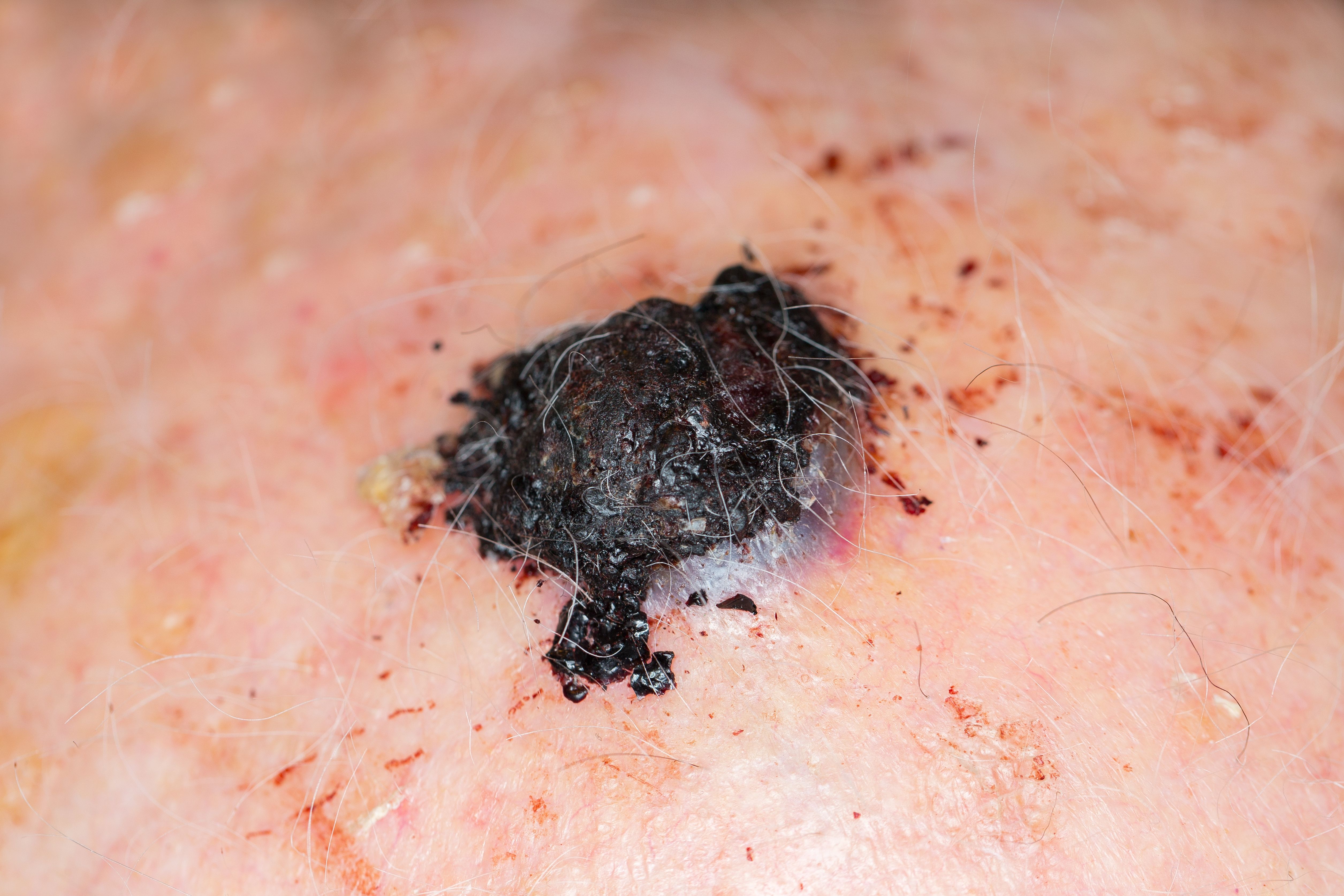
Adjuvant treatment with Moderna’s mRNA-4157 (V940) in combination with Merck’s Keytruda lowered the risk of recurrence or death by 49% compared with Keytruda monotherapy.
Findings from the KEYNOTE-942/mRNA-4157-P201 clinical trial show that Moderna’s investigational individualized neoantigen therapy plus Merck’s Keytruda (pembrolizumab) lowered the risk of death or relapse by nearly half in patients with resected high-risk melanoma (stage III/IV) following complete resection.
A planned analysis of the Phase IIb randomized trial found that at a median follow-up of approximately three years, adjuvant treatment with Moderna’s mRNA-4157 (V940) in combination with Keytruda continued to show a clinically meaningful improvement in recurrence-free survival (RFS) by lowering the risk of recurrence or death by 49% compared with Keytruda monotherapy.
“As we continue to follow participants in the KEYNOTE-942/mRNA-4157-P201 study, we are excited to see such a robust clinical benefit with mRNA-4157 (V940) as adjuvant treatment in combination with Keytruda in people with resected high-risk melanoma,” Kyle Holen, MD, Moderna senior vice president and head of Development, Therapeutics and Oncology, said in a press release. “These data add another positive analysis to the multiple endpoints and subgroups previously assessed in this study. Importantly for this technology, the KEYNOTE-942/mRNA-4157-P201 study was the first demonstration of efficacy for an investigational mRNA cancer treatment in a randomized clinical trial and the first combination therapy to show a significant benefit over Keytruda alone in adjuvant melanoma. We look forward to sharing these data with people impacted by this disease and the broader scientific community.”
Further, the treatment combination also showed a meaningful improvement in distant metastasis-free survival (DMFS) vs. Keytruda monotherapy, lowering the risk of developing distant metastasis or death by 62%.
V940 is comprised of synthetic mRNA coding for up to 34 neoantigens that are designed and produced based on the unique mutational signature of a patient’s tumor. After administration of the drug, the algorithmically derived and RNA-encoded neoantigen sequences are endogenously translated and undergo natural cellular antigen processing and presentation.
Keytruda is an anti-programed death receptor-1 (PD-1) therapy that improves the immune system’s ability to detect and fight tumor cells. The humanized monoclonal antibody blocks the interaction between PD-1 and its ligands, PD-L1 and PD-L2, which leads to the activation of T lymphocytes that could affect tumor and healthy cells.
In terms of safety, adverse events (AEs) in KEYNOTE-942 reported were consistent with prior findings. At approximately three years, rates of treatment-related grade ≥3 AEs were similar between the treatment cohorts at 25% for mRNA-4157 (V940) in combination with Keytruda vs. 20% for Keytruda monotherapy. The most common AEs of any grade attributed to mRNA-4157 (V940) were fatigue (60.6%), injection site pain (56.7%), and chills (49%).
“We are committed to driving research forward for innovative modalities in earlier stages of cancer, where we can make the most meaningful impact for patients, by combining Merck’s expertise in immuno-oncology with Moderna’s innovative mRNA technology,” said Marjorie Green, MD, senior vice president and head of late-stage oncology, global clinical development, Merck Research Laboratories. “We are pleased to see the results from these planned analyses on recurrence-free survival for V940 (mRNA-4157), and look forward to working with Moderna in expanding our clinical development program for the individualized neoantigen therapy.”
Based on data from the Phase IIb KEYNOTE-942/mRNA-4157-P201 trial, the FDA awarded Breakthrough Therapy Designation to mRNA-4157 (V940) plus Keytruda for the adjuvant treatment of patients with high-risk melanoma.
Earlier this year, Moderna and Merck initiated a Phase III trial of the combination for non-small cell lung cancer that is currently enrolling globally (INTerpath-002, NCT06077760) with plans to expand the developmental program to additional tumor types.
Reference
Moderna and Merck Announce mRNA-4157 (V940) in Combination with KEYTRUDA® (pembrolizumab) Demonstrated Continued Improvement in Recurrence-Free Survival and Distant Metastasis-Free Survival in Patients with High-Risk Stage III/IV Melanoma Following Complete Resection Versus KEYTRUDA At Three Years. Merck. News release. December 14, 2023. Accessed December 15, 2023. https://www.merck.com/news/moderna-and-merck-announce-mrna-4157-v940-in-combination-with-keytruda-pembrolizumab-demonstrated-continued-improvement-in-recurrence-free-survival-and-distant-metastasis-free-survival-in-pa/

The importance of enabling customer intelligence at scale.
Most healthcare professionals (91%) place a high value on scientific exchange1 with medical science liaisons (MSLs) and say that biopharma is underutilizing its MSL workforce. In addition, Veeva Pulse data shows that field medical growth has remained flat over the past 12 months. To bridge this gap between supply and demand, some biopharmas are looking to bring more efficiency and innovation to their engagement strategy.
Merck’s Eric Toron, global head of medical operations, sees this challenge as an opportunity for medical affairs to lead the way on an enterprise-wide approach to expert engagement. For Toron, just adding more MSLs isn’t the answer. The greatest impact comes from using data and technology to enable MSLs to work smarter and scaling this globally across multiple therapeutic areas.
Real-time customer intelligence2 based on a single source of truth enables field teams to have deeper, more relevant interactions with external experts. And cross-functional visibility3 ensures coordination, collaboration, and transparency of expert engagement planning across teams. These two solutions are key to Merck’s innovative approach. “The right technology takes work out of the system,” says Toron. “It helps us simplify and take some of the burden off our field teams. That means more focus on scientific exchange, which is critical to our organization.”
A customer intelligence solution should be simple, easy to use, and seamlessly integrated into the field teams’ everyday workflow. First and foremost, however, the data needs to be accurate. “If one of our MSLs goes into our solution and finds inaccuracies, they are never going to use it again,” says Toron. “They know these HCPs, they know these key accounts, and if it’s not accurate or the data is not timely, they won’t use it.”
To achieve that accuracy, Merck needed data that was both curated and updated in real time. Merck implemented Veeva Link Key People4, giving MSLs deep insights on individual scientific, digital, and community leaders in their target therapeutic area, answering questions like:
Building on the success and learnings from medical affairs, the Merck team enabled customer-facing roles across the entire organization to work from the same intelligence in a compliant way. “An enterprise-wide approach to engagement is really important to us at Merck,” says Toron. “Our partnership with Veeva helps us to be more deliberate in how we engage. We can focus on the data and scientific exchange rather than the technology that enables it.”
Despite the complexity that exists across global markets, Toron saw a common need for customer intelligence. “It’s the same concept–peer-to-peer scientific exchange–and, in many ways, it’s ubiquitous across countries. It’s used and accessed the same way. Of course, there are differences and subtleties, but we were able to leverage the commonality that exists.”
Even though the organization is now working off the same customer intelligence, orchestrating expert engagement across the enterprise is an entirely different challenge. It’s probably not too hard to imagine an MSL meeting an oncology key opinion leader (KOL) at ASCO only to hear them say, “You know, you’re the sixth person from your company I’ve talked to this week.”
A lot gets lost in that moment, including time, resources, and the opportunity to create a better, coordinated customer experience that puts the KOL, rather than the business, at the center of the engagement.
“It has always been really important to coordinate our expert engagement strategy within medical affairs, but that’s really only half of the story,” says Toron. “We have colleagues in clinical and commercial interfacing with the same healthcare professionals (HCPs), and we haven’t done a great job of showing up with deliberateness as one company. We’re competing with each other, and we’re overwhelming them.”
Next, Merck is partnering with Veeva to implement a transparent solution for expert engagement planning across the entire business. It will allow the company to orchestrate engagement across functions.”
This need for customer centricity is a core and pressing challenge for medical affairs–one that impacts the entire business, from clinical operations to field medical to marketing. And it’s a challenge thatMerck5 is facing head-on. As Toron puts it, “This is how you show up to your customer–as one company.”
Sonja Rivera is vice president of Veeva Link Key People.
Sources
Erasca will initiate the pivotal SEACRAFT-2 trial in the first half of 2024 to evaluate naporafenib in combination with trametinib in adults with unresectable or metastatic melanoma with an NRAS mutation.
Erasca’s naporafenib (ERAS-254) has been granted FDA Fast Track Designation for the treatment of adults with unresectable or metastatic melanoma with an NRAS mutation who progressed on or who are intolerant to a programmed cell death protein 1 (PD-1)/programmed death ligand 1 (PD-L1)–based regimen.1 Naporafenib, a selective pan-RAF inhibitor, was found to produce early activity in a multicenter, open-label, Phase Ib trial (NCT02974725) for metastatic melanoma.2
“We are now rapidly advancing clinical development of naporafenib in combination with trametinib in the post-[immunotherapy] setting in patients with NRAS-mutant melanoma with initiation of our pivotal phase 3 SEACRAFT-2 trial expected in the first half of 2024,” said Jonathan E. Lim, MD, chairman, chief executive officer, and co-founder of Erasca, Inc., in a press release.1 “Receiving fast track designation further strengthens our ability to work closely with the FDA toward our goal of bringing this new therapy for difficult-to-treat melanoma to patients as soon as possible.”
As part of the Phase III SEACRAFT-2 trial, investigators will analyze the clinical efficacy of the doublet compared with physician’s choice of single-agent dacarbazine, temozolomide, or trametinib among patients with NRAS-mutated metastatic melanoma who received prior treatment with an immunotherapy.1
In the multicenter, open-label, Phase Ib trial, investigators enrolled patients with confirmed advanced or metastatic NRAS-mutated cutaneous melanoma and patients with locally advanced or metastatic KRAS– or BRAF-mutated non–small cell lung cancer (NSCLC) who progressed after standard treatment or who did not have standard therapy available.2 Enrollment criteria included being at least 18 years of age, an ECOG performance status of 0 to 2, and at least one measurable lesion by RECIST v1.1 criteria.
For the expansion phase of the trial, patients could not have received prior treatment with a RAF, MEK1/2, and/or ERK1/2 inhibitor. For the escalation phase, the treatment combination was administered under fasted condition until the maximum tolerated dose was reached or the recommended dose for expansion was identified. Thirty-six patients were treated in the escalation phase and 30 patients were treated in the expansion phase, with a median patient age of 66.3 years (range, 22-83).
The trial’s primary objective was to analyze the safety and tolerability of the combination, with secondary endpoints that included objective response rate (ORR), disease control rate, duration of response (DOR), and progression-free survival (PFS) by RECIST v1.1 criteria.
The doublet produced an ORR of 46.7% in the trial among patients administered naporafenib at 200 mg twice daily plus trametinib at 1 mg once daily. ORR was 13.3% among patients administered naporafenib at 400 mg twice daily plus trametinib at 0.5 mg once daily.
Median DOR was 3.75 months (1.97-not estimable [NE]) and median PFS was 5.52 months among patients administered naporafenib at 200 mg twice daily plus trametinib at 1 mg once daily. In the naporafenib at 400 mg twice daily plus trametinib at 0.5 mg once daily cohort, median DOR was 3.75 months (2.04-NE) and median PFS was 4.21 months. The overall median PFS across dosing groups was 5.03 months.
In terms of safety, all 30 patients experienced at least one adverse effect (AE) in the expansion phase, including rash (80%), diarrhea (40%), and anemia, increased blood creatine phosphokinase, and constipation (37%).
References
1. Erasca granted FDA fast track designation for PAN-RAF inhibitor naporafenib in patients with advanced NRAS-mutated melanoma. News release. Erasca, Inc. December 11, 2023. Accessed December 15, 2023. https://investors.erasca.com/news-releases/news-release-details/erasca-granted-fda-fast-track-designation-pan-raf-inhibitor
2. de Braud F, Dooms C, Heist RS, et al. Initial evidence for the efficacy of naporafenib in combination with trametinib in NRAS-mutant melanoma: results from the expansion arm of a phase Ib, open-label study. J Clin Oncol. 2018;41(14):2651-2660. doi:10.1200/JCO.22.02018. Accessed December 15, 2023.

In clinical trials, Padcev (enfortumab vedotin-ejfv) plus Keytruda (pembrolizumab) produced a statistically significant improvement in survival compared to platinum-based chemotherapy alone in patients with locally advanced or metastatic urothelial cancer.
The FDA has approved Padcev (enfortumab vedotin-ejfv; Astellas Pharma and Seagen [now owned by Pfizer]) plus Keytruda (pembrolizumab; Merck) for patients with locally advanced or metastatic urothelial cancer (la/mUC).1 The FDA previously granted the application with priority review and breakthrough designation.
The efficacy of the combination was evaluated in the open-label, randomized EV-302/KN-A39 (NCT04223856) trial, which enrolled 886 patients with la/mUC who received no prior systemic therapy for advanced disease. Patients were randomly assigned 1:1 to receive either Padcev with Keytruda or platinum-based chemotherapy consisting of gemcitabine with either cisplatin or carboplatin.
The trial’s major efficacy outcomes were overall survival (OS) and progression-free survival (PFS) as assessed by blinded independent central review. The combination produced a statistically significant improvement in PFS and OS compared to platinum-based chemotherapy alone.1
Median OS was 31.5 months with the Padcev and Keytruda combination compared to 16.1 months with platinum-based chemotherapy. Median PFS was 12.5 months in the Padcev and Keytruda cohort compared with 6.3 months in the platinum-based chemotherapy arm.1
In the dose escalation patient cohorts A and K, the median follow-up time was 44.7 months and 14.8 months, respectively. In the combined analysis, the objective response rate was 68%, with complete and partial responses of 12% and 55%, respectively. The median DOR was 22.1 months in cohort A and not reached in cohort K.2
The most common adverse effects (AEs) reported in at least 20% of patients administered Padcev and Keytruda included laboratory abnormalities, increased aspartate aminotransferase, increased creatinine, rash, increased glucose, peripheral neuropathy, increased lipase, decreased lymphocytes, increased alanine aminotransferase, decreased hemoglobin, fatigue, decreased sodium, decreased phosphate, decreased albumin, pruritus, and diarrhea. Other common AEs observed in the trial were alopecia, decreased weight, decreased appetite, increased urate, decreased neutrophils, decreased potassium, dry eye, nausea, constipation, increased potassium, dysgeusia, urinary tract infection, and decreased platelets.1
Padcev is a first-in-class antibody-drug conjugate (ADC) directed against Nectin-4 with a microtubule disrupter, monomethyl auristatin. The FDA approved Padcev on December 18, 2019, for patients with previously treated la/mUC.
Approximately 81,108 US patients were diagnosed with bladder cancer in 2022. Urothelial cancer accounts for approximately 90% of all bladder cancers and can also be found in the renal pelvis, ureter, and urethra. Approximately 12% of cases are la/mUC at diagnosis.2
In April, the FDA granted accelerated approval to the combination for patients with la/mUC who are ineligible for cisplatin-containing chemotherapy. The action marked the first approval for an anti-PD-1 therapy in combination with an ADC in the United States for this patient population.2
“This approval is a major milestone in the treatment of patients with locally advanced or metastatic urothelial carcinoma because it is the first approved combination of an immunotherapy and an antibody-drug conjugate for these patients,” said Dr. Eliav Barr, senior vice president, head of global clinical development and chief medical officer, Merck Research Laboratories, in a press release.2 “This expands the use of Keytruda-based regimens to more patients with advanced urothelial carcinoma and demonstrates the value of collaboration in creating new combination approaches for patients in need of more options.”
References
1. FDA approves enfortumab vedotin-ejfv with pembrolizumab for locally advanced or metastatic urothelial cancer. FDA. News release. December 15, 2023. Accessed December 15, 2023. https://www.fda.gov/drugs/resources-information-approved-drugs/fda-approves-enfortumab-vedotin-ejfv-pembrolizumab-locally-advanced-or-metastatic-urothelial-cancer
2. FDA Approves Merck’s KEYTRUDA® (pembrolizumab) in Combination With Padcev® (enfortumab vedotin-ejfv) for First-Line Treatment of Certain Patients With Locally Advanced or Metastatic Urothelial Cancer. Merck. News release. April 3, 2023. https://www.merck.com/news/fda-approves-mercks-keytruda-pembrolizumab-in-combination-with-padcev-enfortumab-vedotin-ejfv-for-first-line-treatment-of-certain-patients-with-locally-advanced-or-metastatic/