
Can flexible printed circuits be used in medical devices?
flexible printed circuits
Most every device and electronic piece of equipment is outfitted with a printed circuit board (PCB). PCBs are laminated structures that host and connect a number of electronic components using conductive planes, pads and traces. Those components are typically made of resistors, capacitors and microcontrollers. The PCB is then etched to create its necessary electrical connections between the pads and components.
As devices become smaller and more compact, designers look for ways to maximize functionality while minimizing size. This trend is especially prevalent in medical applications where manufacturers are developing wearables and other portable devices. This often results in tight packaging specifications that limit the amount of room for the device’s circuitry. Fortunately, the flexible nature of flex and flexible printed circuits PCBs makes them ideal for these applications.
Unlike traditional PCBs, flex and rigid-flex circuit boards have the ability to conform to the desired shape and size of a particular device or medical accessory. This feature is particularly important when designing medical gadgets, which can take on wholly atypical form factors, such as circular or elliptical. The flexible structure of these circuits also allows the use of shorter wires that connect to stiff boards, reducing both the number of connections and their total height, which can help improve ergonomics while decreasing weight.
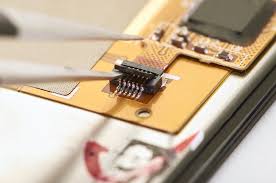
Can flexible printed circuits be used in medical devices?
Rigid-flex circuits are a versatile and cost-effective solution for a variety of medical devices. They are composed of a rigid component and a flexible circuit that are joined together with an adhesive layer. These circuits are typically fabricated with additional rigid areas that support the flex sections during assembly and offer physical stability. The flex sections can also be terminated with a combination of copper and polyimide materials, which can decrease overall production costs while improving reliability and performance.
Many medical applications require a high level of accuracy and durability. Luckily, the flexibility of flex and rigid-flex circuits can make these devices more reliable while still meeting strict medical specifications. They are also bio-compatible, which ensures that they can safely be placed in the human body. Flex and rigid-flex PCBs are also able to withstand multiple bends without breaking or losing their integrity. This is an essential factor in medical applications, which are typically required to withstand repeated bending and torsional stress during operation.
Despite these advantages, there are some critical design factors that must be taken into account when creating medical devices with flexible PCBs. First and foremost, it is important to make sure that the flex or rigid-flex circuit is properly terminated. To prevent tearing, IPC recommends terminating the flex or rigid-flex section of a product with tear-relief holes or tangent curved corners that have a radius of at least 1.5mm. These guidelines are simple to follow and can greatly reduce the risk of failures during operation.
Leave a Reply