










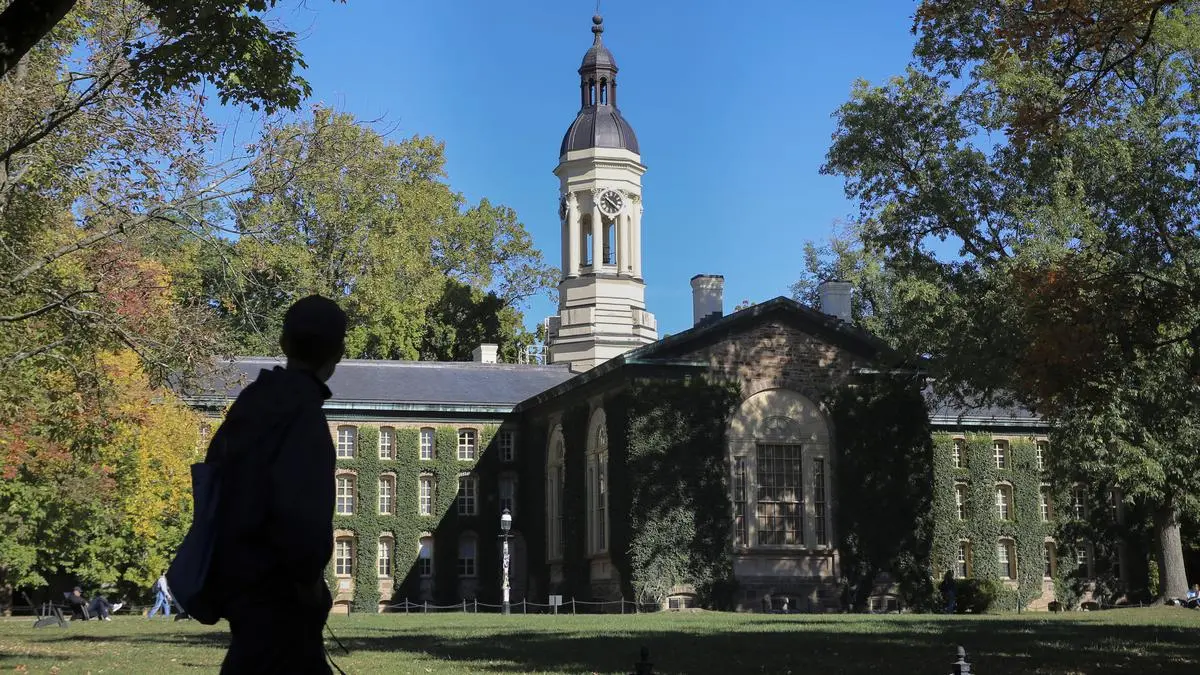
Category: Education

Trump threatens Harvard’s tax-exempt status over campus protests

No Comments

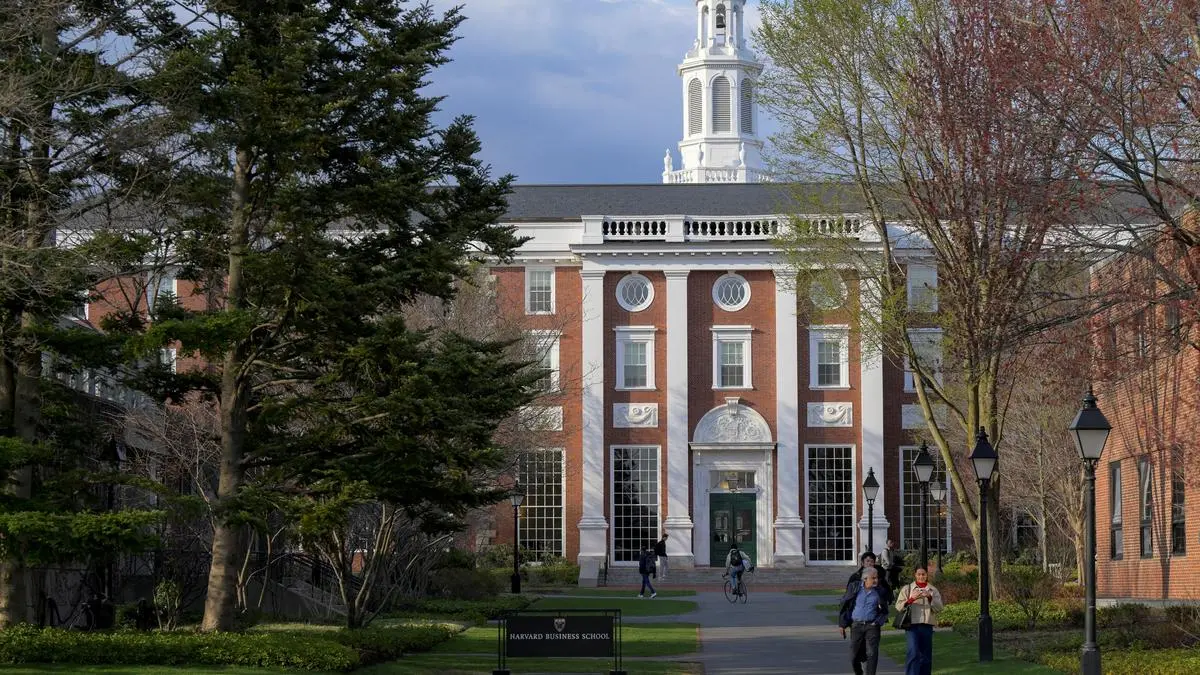
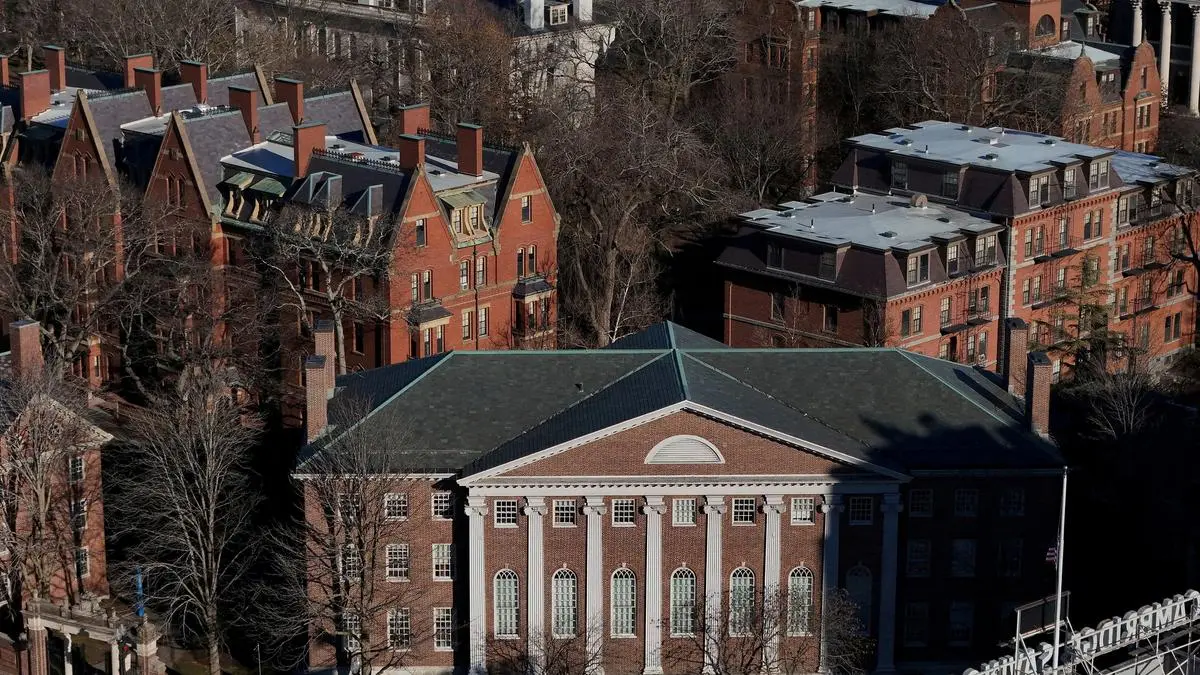
US President Donald Trump escalated his battle with elite universities by threatening to revoke Harvard’s tax-exempt status and demanding an apology over alleged antisemitism tied to pro-Palestinian protests.
| Photo Credit:
FAITH NINIVAGGI/Reuters

U.S. President Donald Trump threatened to strip Harvard of its tax-exempt status on Tuesday and said the university should apologize, a day after it rejected what it called unlawful demands to overhaul academic programs or lose federal grants.

Beginning with Columbia University, the Trump administration has rebuked universities across the country over their handling of the pro-Palestinian student protest movement that roiled campuses last year following the 2023 Hamas-led attack inside Israel and the subsequent Israeli attacks on Gaza.

Trump has called the protests anti-American and antisemitic, accused universities of peddling Marxism and “radical left” ideology, and promised to end federal grants and contracts to universities that do not agree to his administration’s demands.

Trump said in a social media post on Tuesday he was mulling whether to seek to end Harvard’s tax-exempt status if it continued pushing what he called “political, ideological, and terrorist inspired/supporting ‘Sickness?'”

He did not say how he would do this. Under the U.S. tax code, most universities are exempt from federal income tax because they are deemed to be “operated exclusively” for public educational purposes.

White House press secretary Karoline Leavitt told reporters Trump wanted to see Harvard apologize for what she called “antisemitism that took place on their college campus against Jewish American students.”

She accused Harvard and other schools of violating Title VI of the Civil Rights Act, which prohibits discrimination by recipients of federal funding based on race or national origin.

Under Title VI, federal funds can be terminated only after a lengthy investigation and hearings process and a 30-day notification to Congress, which has not happened at Columbia or Harvard.

Some professors and students have said the protests are being unfairly conflated with antisemitism as a pretext for an unconstitutional attack on academic freedoms.

Columbia, a private school in New York City, agreed to negotiations over demands to tighten its protest rules after the Trump administration said last month it had terminated grants and contracts worth $400 million, mostly for medical and other scientific research.

Harvard President Alan Garber in a letter on Monday said demands the Trump administration made of the Massachusetts university, including an audit to ensure the “viewpoint diversity” of its students and faculty and an end to diversity, equity and inclusion programs, were unprecedented “assertions of power, unmoored from the law” that violated constitutional free speech and the Civil Rights Act.

Like Columbia, he said Harvard had worked to fight antisemitism and other prejudice on its campus while preserving academic freedoms and the right to protest.

Hours after Garber’s letter, the Trump administration’s Joint Task Force to Combat Anti-Semitism said it was freezing more than $2 billion in contracts and grants to Harvard, the country’s oldest and richest university. The administration did not respond to questions about which grants and contracts had been cut, and Harvard did not respond to a request for comment.

Some Columbia professors have sued the Trump administration, saying the grant terminations violated Title VI and their constitutional speech and due process rights. A federal judge in New York ordered the Trump administration to reply by May 1.

After reading the Harvard president’s letter, Columbia’s interim president, Claire Shipman, said in a statement on Monday night that Columbia will continue with what it viewed as “good faith discussions” and “constructive dialog” with the U.S. Justice Department’s antisemitism task force.

“We would reject any agreement in which the government dictates what we teach, research, or who we hire,” she wrote.

On Monday, a group of U.S. universities, including Princeton and the University of Illinois, sued the Department of Energy over steep cuts to federal research funding in areas like advanced nuclear technology, cybersecurity and novel radioactive drugs.

Trump, who took office on January 20, faces court challenges to his immigration policies and pushback from state attorneys general trying to block his firing of government workers and suspension of trillions of dollars in federal grants, loans and financial support.

Published on April 16, 2025

Consumer protection watchdog warns coaching centres against misleading ads ahead of IIT-JEE results

No Comments

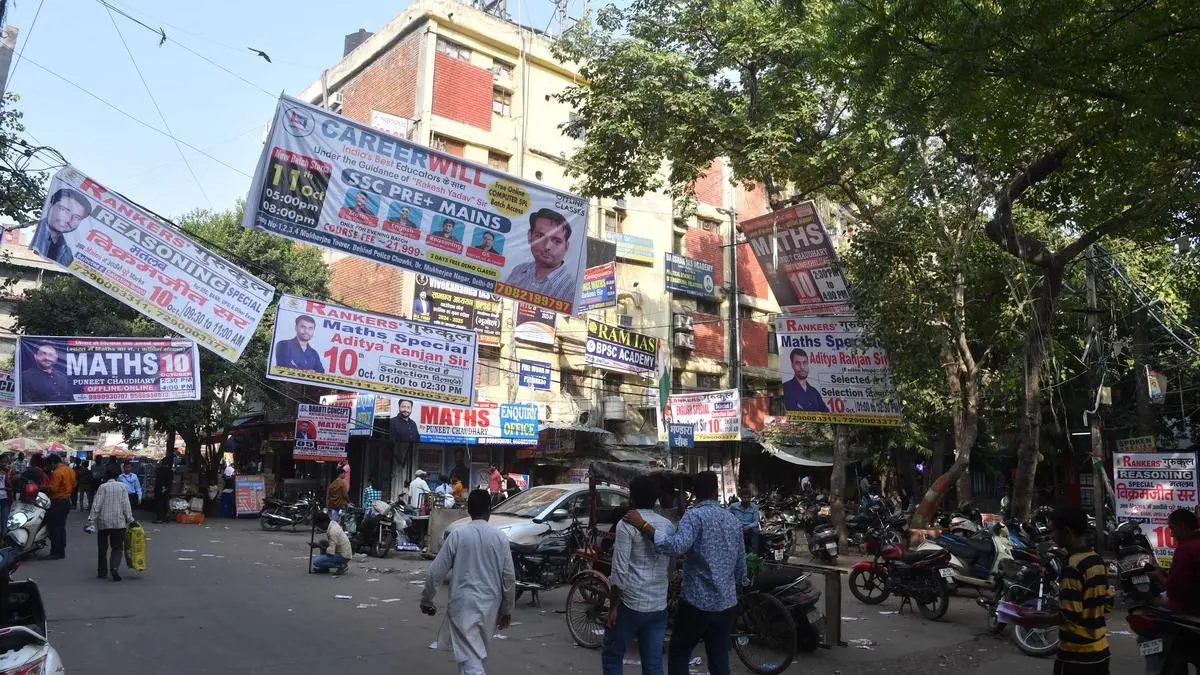
The Central Consumer Protection Authority (CCPA) on Thursday issued a stern warning to coaching centres to avoid misleading advertisements and unfair trade practices as IIT-JEE examination results approach.

The consumer rights watchdog has advised coaching institutes to strictly follow the 2024 guidelines set for such entities.

According to an official statement, coaching centres must ensure their representations are “accurate, clear, and free from misleading claims”.

The CCPA emphasised that advertisements should transparently disclose key details including students’ names, ranks, course types, and whether courses were paid for.

The authority has explicitly cautioned coaching centres against making “assurances of guaranteed success” and mandated that disclaimers be displayed prominently in the same font size as other important information.

The CCPA has already taken significant enforcement action in this sector, issuing 49 notices and imposing penalties totalling Rs 77.60 lakh on 24 coaching centres for violations. These centres have been directed to discontinue misleading advertisements and unfair trade practices.

Previous CCPA actions have targeted coaching centres offering services for various competitive examinations, including UPSC CSE, IIT-JEE, NEET, RBI, and NABARD, among others.

Published on April 17, 2025

Trump administration moves to strip Harvard of foreign student enrollment rights

No Comments

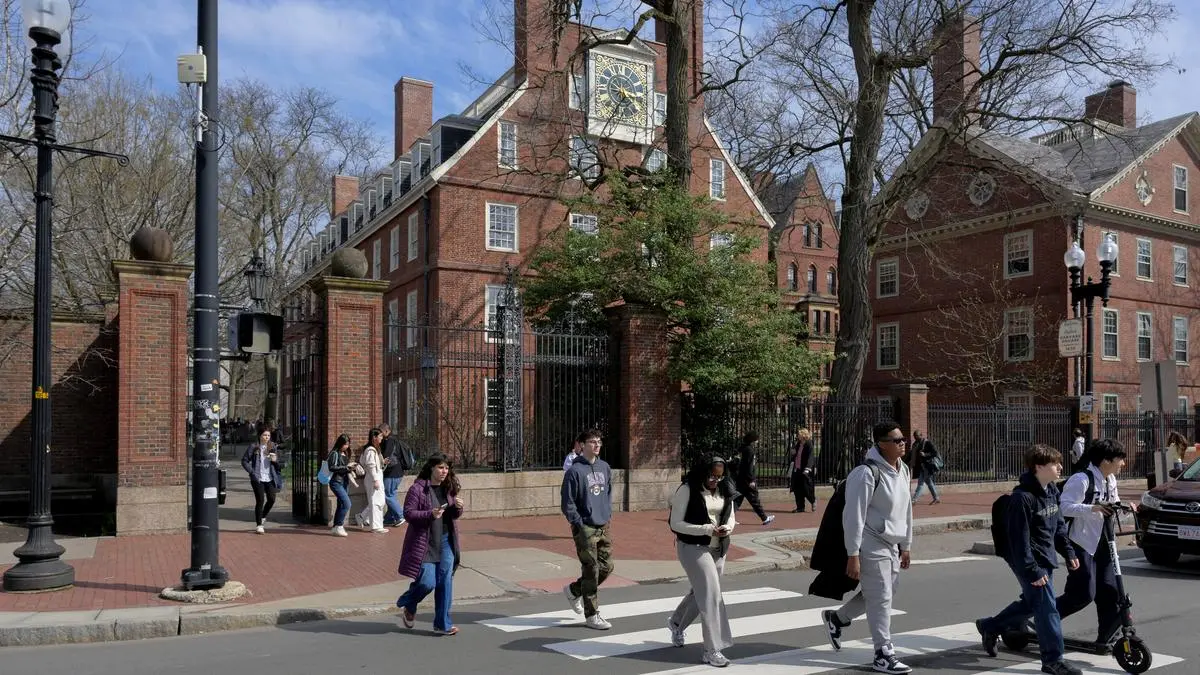
The move follows President Donald Trump’s broader crackdown on campuses hosting pro-Palestinian protests in response to Israel’s war on Gaza.
| Photo Credit:
FAITH NINIVAGGI/Reuters

The U.S. Department of Homeland Security said Harvard University will lose its ability to enroll foreign students if it does not meet demands from the Trump administration in the government’s latest escalation against the educational institution.

Department of Homeland Security Secretary Kristi Noem also announced on Wednesday the termination of two DHS grants totaling over $2.7 million to Harvard.

Noem said she wrote a letter to Harvard demanding records on what she called the “illegal and violent activities” of Harvard’s foreign student visa holders by April 30.

“And if Harvard cannot verify it is in full compliance with its reporting requirements, the university will lose the privilege of enrolling foreign students,” Noem said in a statement.

Harvard did not immediately respond to a request for comment.

President Donald Trump’s administration has threatened universities with federal funding cuts over pro-Palestinian campus protests against U.S. ally Israel’s devastating military assault on Gaza after a deadly October 2023 attack by Palestinian Hamas militants.

Trump casts the protesters as foreign policy threats who are antisemitic and sympathetic to Hamas. Protesters, including some Jewish groups, say the Trump administration wrongly conflates their advocacy for Palestinian rights and criticism of Israel’s actions in Gaza with support for extremism and antisemitism.

The Trump administration is also attempting to deport some foreign protesters and has revoked hundreds of visas across the country.

“With a $53.2 billion endowment, Harvard can fund its own chaos – DHS won’t,” Noem said, adding an “anti-American, pro-Hamas ideology” existed at Harvard.

Harvard has previously said it worked to fight antisemitism and other prejudice on its campus while preserving academic freedoms and the right to protest.

The Trump administration said late last month it was reviewing $9 billion in federal contracts and grants to Harvard and later called for restrictions – including a mask ban and removal of diversity, equity and inclusion programs – to be put in place for the university to continue receiving federal money.

Harvard on Monday rejected numerous demands that it said would cede control to the government. The Trump administration subsequently said it was freezing $2.3 billion in funding.

Trump also threatened on Tuesday to strip Harvard of its tax-exempt status. CNN reported on Wednesday the U.S. Internal Revenue Service was making plans to rescind the tax-exempt status of Harvard and that a final decision was expected soon.

Human rights advocates have raised free speech and academic freedom concerns over the crackdown by the government.

The Trump administration has frozen or canceled some funding for universities like Columbia, Princeton, Brown, Cornell and Northwestern as well.

It has also threatened to withhold funding over culture war issues such as DEI programs and transgender policies.

Rights advocates have also raised concerns about Islamophobia and anti-Arab bias during the Israel-Gaza war. The Trump administration has not announced steps in response.

Published on April 17, 2025

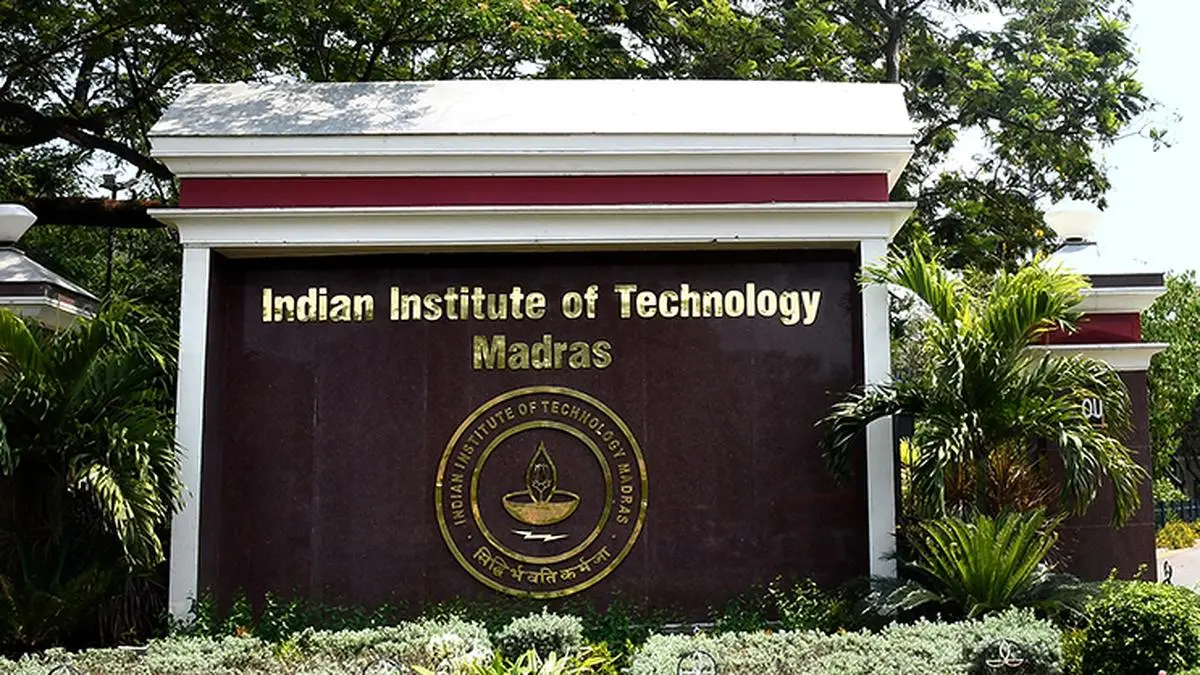
IIT Madras launches new PG Diploma in Emerging Tech domains

No Comments

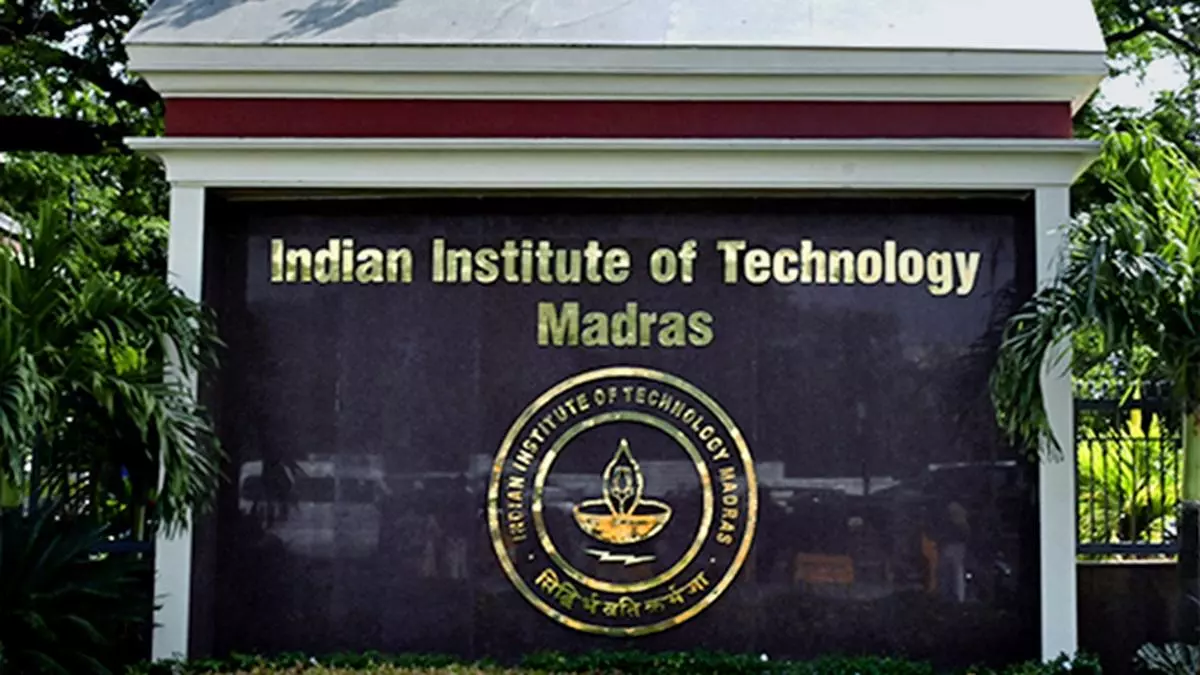
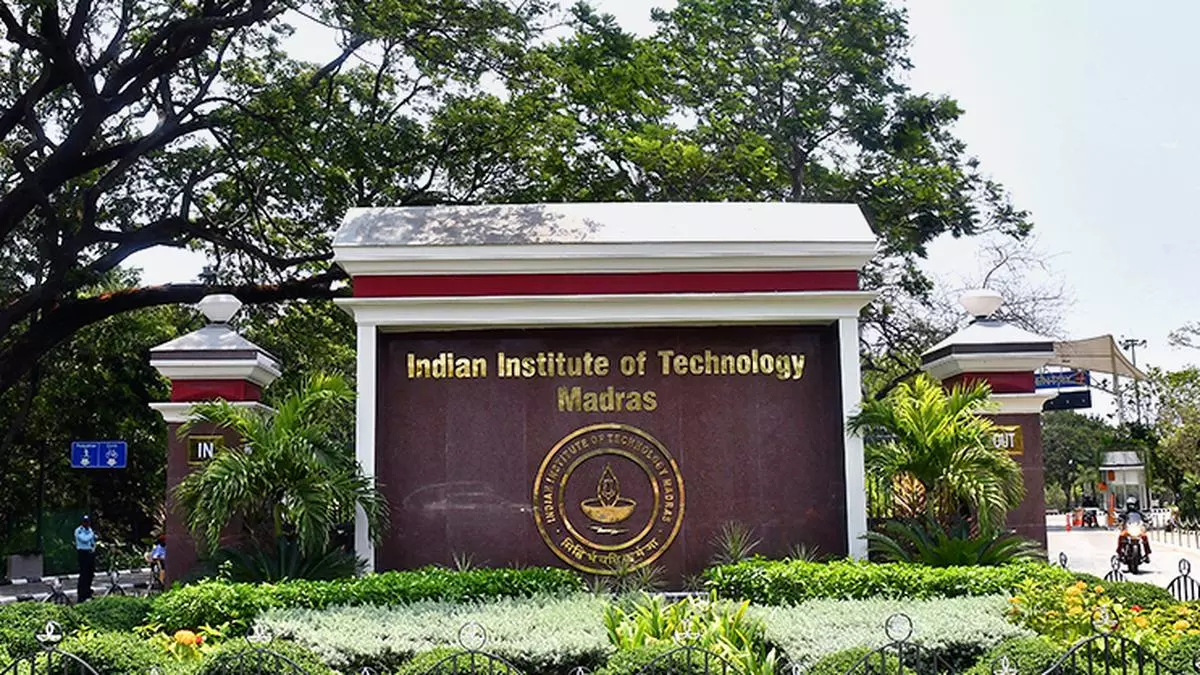
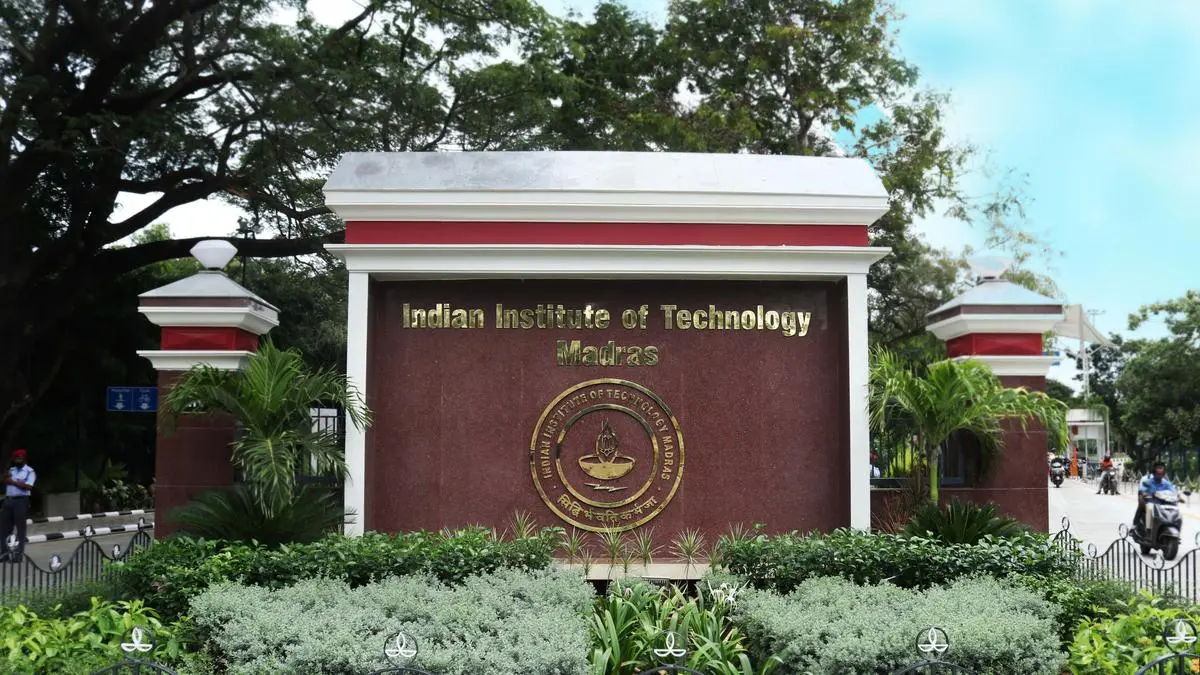
The Indian Institute of Technology Madras (IIT Madras) has launched new a Postgraduate Diploma (PG Diploma) programme for both fresh graduates and working professionals to upskill in industry-relevant technical expertise.

The program allows learners to access high-quality education while maintaining flexibility to pursue employment or internships simultaneously, a release from IIT-Madras said.

The specializations offered under this programme are Aerospace Engineering, Artificial Intelligence, Electrical Engineering (Integrated Circuits, Communication & Signal Processing, Multimedia, Microelectronics), Mechanical Engineering (Mechanical Design, Automotive Technology), Engineering Design (E-Mobility) and Process Safety.

The format of the programme is live online evening or weekend classes and access to recorded sessions thus allowing learners to pursue academic advancement while gaining industry experience through full-time jobs or internships. It also involves hands-on projects and interim assessments via remote proctoring. Final exams are conducted at designated centers across India.

Candidates who perform well in the PG Diploma program also have the opportunity to upgrade to a Web-Enabled M.Tech degree from IIT Madras.

The classes for the PG Diploma course commence from August/September 2025. The applications are open, and interested candidates are encouraged to apply till May 2025. The admissions are through an entrance exam, which will be held on 13th July 2025.

Published on April 16, 2025

EThames Business School teams up with KPMG for academic programmes

No Comments


EThames Business School (EBS) has collaborated with KPMG to offer a suite of industry-relevant academic programmes that bridge the gap between education and professional practice.

As part of this collaboration, KPMG in India, as academic partner, will help in delivery of the following programmes offered by EThames Business School (EBS). These include B.Com (Taxation), B.Com (Financial Accounting), BBA (Business Analytics), BBA (Financial Markets and Investment Banking), BCA (Data Science and AI) and BCA (Cyber Security).

“Our programmes, developed in collaboration with EThames Business School, are designed to prepare students for the jobs of tomorrow and propel their career forward,’‘ Narayanan Ramaswamy, Partner and Head of Education and Skill Development, KPMG in India said in a release.

“This partnership with KPMG in India is a game changer for our students, who will be entering the globally competitive job markets equipped with the knowledge and skills that align with cutting edge industry expectations” said Kali Prasad Gadiraju, Chairman, Ethames Business School. 

Published on April 16, 2025

Teacher accreditation-linked edtech Centa raises ₹20 cr led by Colossa Ventures

No Comments

The platform is looking to address a $11 billion market opportunity in India and tap into global markets going forward. 
| Photo Credit:
elenab

Centa, a teacher accreditation-linked edtech startup, has raised ₹20 crore in a funding round led by Mumbai-based venture capital firm Colossa Ventures.

The round also saw participation from existing investor Discovery Assets and angel investors.

The company plans to utilise the funds to scale its operations, expand its market reach, and strengthen its technology infrastructure.

Ramya Venkataraman, Founder and CEO, said, “This raise has not only given us the fuel needed for growth but also brought on board an investor like Colossa which combines a sharp sense of business growth with a great understanding of the practicalities of building a company.”

full stack platform

Founded in 2014, Centa is a full stack platform for teachers, focused on teacher certification, teacher upskilling and providing teachers to employers for full-time and part-time requirements. It currently has a network of 1.7 million teachers from more than 100,000 schools.

The platform is looking to address a $11 billion market opportunity in India and tap into global markets going forward.

Vandana Rajadhyaksha, Co- founder, Colossa Ventures, commented, “We are delighted to back Ramya Venkataraman, an exceptional, extremely committed and purpose driven founder, who understands the education sector deeply. With minimal teacher acquisition cost and a robust tech-enabled platform, we see CENTA playing a major role in bridging the teacher-student gap, addressing a global teacher shortage of 44 million. We strongly believe that learning outcomes can improve through addressing teacher quality and availability.”

The platform is also known for initiatives like the International Teaching Professionals Olympiad.

(With inputs from BL Intern Rohan G Das)

Published on April 15, 2025

Trump targets Harvard with $2.2 billion funding freeze over free speech dispute

No Comments

The federal government has announced a freeze on over $2.2 billion in grants and contracts to Harvard University after the institution refused to comply with the Trump administration’s demands to curb campus activism.
| Photo Credit:
BRIAN SNYDER/Reuters

The federal government says it’s freezing more than USD 2.2 billion in grants and contracts to Harvard University, since the institution said Monday it won’t comply with the Trump administration’s demands to limit activism on campus.

In a letter to Harvard Friday, the administration called for broad government and leadership reforms, a requirement that Harvard institute what it calls “merit-based” admissions and hiring policies as well as conduct an audit of the study body, faculty and leadership on their views about diversity.

The demands, which are an update from an earlier letter, also call for a ban on face masks — which appeared to target pro-Palestinian protesters. They also pressure the university to stop recognizing or funding “any student group or club that endorses or promotes criminal activity, illegal violence, or illegal harassment.” Harvard President Alan Garber, in a letter to the Harvard community Monday, said the demands violated the university’s First Amendment rights and “exceeds the statutory limits of the government’s authority under Title VI,” which prohibits discrimination against students based on their race, colour or national origin.

“No government — regardless of which party is in power — should dictate what private universities can teach, whom they can admit and hire, and which areas of study and inquiry they can pursue,” Garber wrote, adding that the university had taken extensive reforms to address antisemitism.

“These ends will not be achieved by assertions of power, unmoored from the law, to control teaching and learning at Harvard and to dictate how we operate,” he wrote. “The work of addressing our shortcomings, fulfilling our commitments, and embodying our values is ours to define and undertake as a community.” The demands of Harvard are part of a broader push of using taxpayer dollars to pressure major academic institutions to comply with President Donald Trump’s political agenda and to influence campus policy. The administration has also argued that universities allowed what it considered to be antisemitism to go unchecked at campus protests last year against Israel’s war in Gaza; the schools deny it.

Harvard is one of several Ivy League schools targeted in a pressure campaign by the administration, which also has paused federal funding for the University of Pennsylvania, Brown, and Princeton to force compliance with its agenda. Harvard’s demand letter is similar to the one that prompted changes at Columbia University under the threat of billions of dollars in cuts.

The demands from the Trump administration prompted a group of alumni to write to university leaders calling for it to “legally contest and refuse to comply with unlawful demands that threaten academic freedom and university self-governance.” “Harvard stood up today for the integrity, values, and freedoms that serve as the foundation of higher education,” said Anurima Bhargava, one of the alumni behind the letter. “Harvard reminded the world that learning, innovation and transformative growth will not yield to bullying and authoritarian whims.” It also sparked a protest over the weekend from members of the Harvard community and from residents of Cambridge and a lawsuit from the American Association of University Professors on Friday challenging the cuts.

In their lawsuit, plaintiffs argue that the Trump administration has failed to follow steps required under Title VI before it starts cutting funds, and giving notice of the cuts to both the university and Congress.

“These sweeping yet indeterminate demands are not remedies targeting the causes of any determination of noncompliance with federal law. Instead, they overtly seek to impose on Harvard University political views and policy preferences advanced by the Trump administration and commit the University to punishing disfavoured speech,” plaintiffs wrote.

More Like This

Protestors gather at the gates of Columbia University, in support of student protesters who barricaded themselves in Hamilton Hall (file photo)
The Trump administration is seeking the deportation of Mahmoud Khalil, a Columbia University graduate student and legal US resident, citing foreign policy concerns over his pro-Palestinian activism.  (A file photo)

Published on April 15, 2025

AICTE sets up panel to embed AI across disciplines, eyes 4 crore students

No Comments

AICTE chairman Prof TG Sitharam
| Photo Credit:
Siva Saravanan S

In a move to integrate Artificial Intelligence (AI) across all streams of technical education, the All India Council for Technical Education (AICTE) has established a committee to explore the lateral expansion of AI and applied AI beyond conventional programmes like BTech in Computer Science.

AICTE chairman Prof TG Sitharam informed that the committee is chaired by Anand Deshpande, Managing Director of Persistent Systems, and comprises experts from IITs, NITs, and other premier institutions specializing in AI.

“We are putting one more committee to introduce AI laterally across the programmes, especially Applied AI. The committee is chaired by Anand Deshpande… There are experts from IIT and NIT who also work in AI. We wanted them to advise how we can spread AI laterally, spread the curriculum in all streams,” Sitharam said.

As part of this initiative, AICTE has introduced AI in programs like BBA, BCA, and electrical engineering. The Chairman emphasized, “Everybody should understand Artificial Intelligence and data analytics. We have made a new curriculum for BBA and BCA. We have introduced AI in electrical engineering.”

AICTE is a national-level body responsible for accrediting and regulatory technical education in India.

The Chairman noted that faculty training has been prioritised to ensure effective teaching of AI.

“Our teachers should be trained… because one is AI teaching itself, and another is what is going to change–for example, students will submit assignments. How do you change the question so that they don’t simply copy it? They will utilize AI as a tool,” he said.

Declaring 2025 as the ‘Year of Artificial Intelligence, ‘ AICTE has launched several initiatives to promote AI in education. According to reports, the initiative aims to integrate AI across 14,000 colleges and empower 40 million students. Key elements include AI awareness campaigns, faculty development, and partnerships with leading tech companies.

AICTE currently revises its curriculum every two years through a structured process involving expert consultation. The Chairman stated, “We do (curriculum revision) every two years. For that you have to prepare a committee, you have to sit down with experts, like the entire process is repeated”

Published on April 14, 2025

Bower raises ₹11.5 cr in seed round

No Comments

HYDERABAD, TELANGANA, 13/02/2025: (from left) Pavan Allena, Founder of Bower School of Entrepreneurship, S Krishnan, Secretary, MeitY, Hema Katari of Bower School, and M Srinivasa Rao, former CEO of T-Hub, at the Breakfast with businessline event in Hyderabad on Thursday, February 13, 2025.
| Photo Credit:
NAGARA GOPAL

Bower School of Entrepreneurship, an entrepreneurship education startup, has raised ₹11.5 crore in seed funding from a group of prominent high-net worth individuals (HNIs) and Astir Ventures.

“The funding will help in deepening partnerships with leading universities, investors and industry leaders as the institution continues to shape the next generation of entrepreneurs through its experiential, application-first approach,” Pavan Allena, Founder of Bower, has said.

“We are planning to set up campuses in South-East Asia, the Gulf region, Europe and the USA in the next five years,” he said.

The startup registered a revenue of ₹1.5 crore in the fourth quarter of 2024-25. 

“This funding will be used to improve student experiences and develop an AI-powered course builder to deliver personalised entrepreneurship programmes at scale,” Pavan said.

Published on April 11, 2025

28% fall in Indian students headed to US in FY25 over visa, cost concerns

No Comments

At a time when a new bill has been introduced in the US Congress calling for termination of the Optional Practical Training (OPT) program, data shows that number of Indian students in the US dipped by nearly 28 per cent year-on-year (y-o-y) in March 2025, and the move to end OPT is likely to further hit Indian students’ sentiments towards US education.

businessline’s analysis of monthly Student and Exchange Visitor Information System (SEVIS) data of the US Department of Homeland Security indicates a sharp month-on-month decline in Indian students enrolled in the US.

Active Indian students count took a sharp dive from 3,48,446 in July 2024 to 2,55,447 in August 2024 – a month that typically coincides with the admission cycle in the US. This decline was a reversal of the previously consistent upward trend in Indian enrollment and since then, from August 2024 to March 2025, the number of active Indian students in the US has hovered around 2,55,000.

This comes at a time when instances of ad-hoc deportations and tighter visa regulations under Donald Trump’s new administration have led to unease among students who are F-1 and M-1 visa holders. The soaring cost of tuition spends is also adding to the problems.

Adding to the anxiety is the proposed bill titled “Fairness for High-Skilled American Act 2025” that seeks to eliminate OPT. A gist of the bill shows that it argues that OPT, which gives international graduates to stay in the US for up to three years after graduation, gives foreign students an unfair edge over American graduates. Data from Open Doors shows a 41 per cent jump in Indian students on OPT between academic years 2023 to 2024.

Poorvi Chothani, founder and Managing Partner of LawQuest, an immigration and employment law firm in Mumbai, told businessline that the Bill was introduced in the last week of March and is now open for public consultation for around 60 days. “It has to pass through various stages such as the House Committee and various Senate Houses before it even goes for the Presidential assent. If passed, it will only be for future effect and will only impact future OPT issues,” Chothani said.

businessline also spoke to various experts and students who are either already in the US or in the process of applying to get a sense of the sentiment.

Take the case of Siddarth N (name changed), an engineering graduate from Chennai who has two offers for Masters – one in a top tier US university and the other in Germany. He is declining the US admission and heading to Germany because of little assurance on job prospects and the overall “hostile atmosphere” in the US. “If you are considering the US as an option for higher studies, you may be stuck in the past. Funding/scholarship is tough to come by for MS programs and fees are also exorbitant. On top of that, with tougher work visas it doesn’t just make sense to study there as jobs are not guaranteed,” he said. “My seniors who are there right now are struggling to find jobs,” he adds.

There are others reconsidering their decision to opt for higher studies in the US. “My son, who will be completing his B.Tech this June, wants to go to Germany instead of the US for his MS in computers… He feels insecure not only about the visa but also about the fast-evolving conditions in the US,” K. Ratnakar, an officer in SBI, said.

However, a few who have managed to get scholarship, continue to stay on with their plans for an American dream.

For those already studying in the US too, the mood is cautious. Another student at a top university in the US said: “It has become quite difficult in the current market situation to find a job as an international student. Visa sponsorship costs also deter companies from hiring even well-qualified candidates.” He notes that some of his batchmates had applied to over 1,000 roles to secure a job.

“There is a notion that if we step out from US, we may not be allowed back. I have cancelled my plan to come home in India in coming June,” A Shashank, a second-year student of MS in a US university, said.

Career consultants and other education experts admit to a reduction in aspirations among Indian students for US education but say this could reverse if many of the current administration’s proposals become clearer.

Akshay Chaturvedi, founder of study abroad platform Leverage Edu says there is a decline in students headed to US as per their platform stats but also adds that it has been a pattern whenever the US sees a Presidential change. “Around March April, the numbers generally start to pick up (those aiming for August-September intake) but we are not yet seeing that happen,” he adds. Most student admissions, especially STEM, are going towards Germany and Ireland, he notes.

Devaki Thiyagarajan, Chairperson of the Travel Agents Association of India (Southern Chapter) also sees similar trends. Around 15-20 per cent of students who had planned to go to the US have dropped out; there is now more interest in traveling to countries like Australia, Germany, and France, she said.

Amit Anand, senior analyst, Everest Group, says the waning interest of Indian students in the US education is driven by rising visa uncertainty, high costs, and muted job prospects. “While this shift appears more cyclical than permanent, it has already begun to impact university enrollments, particularly in STEM graduate programs. However, with improved tech hiring, clearer post-study pathways, and better policy alignment, the US can still regain its position as the top choice for India’s STEM talent,” he said. He notes a similar trend from 2017 to 2020, during the earlier Trump presidency, when US higher education saw a multi-year drop in new international enrollments.

(With inputs from TE Raja Simhan, Naga Sridhar, and Aishwarya Kumar)

More Like This

Published on April 8, 2025

TA Pai Management Institute to organise graduation ceremony on Apr 12

No Comments

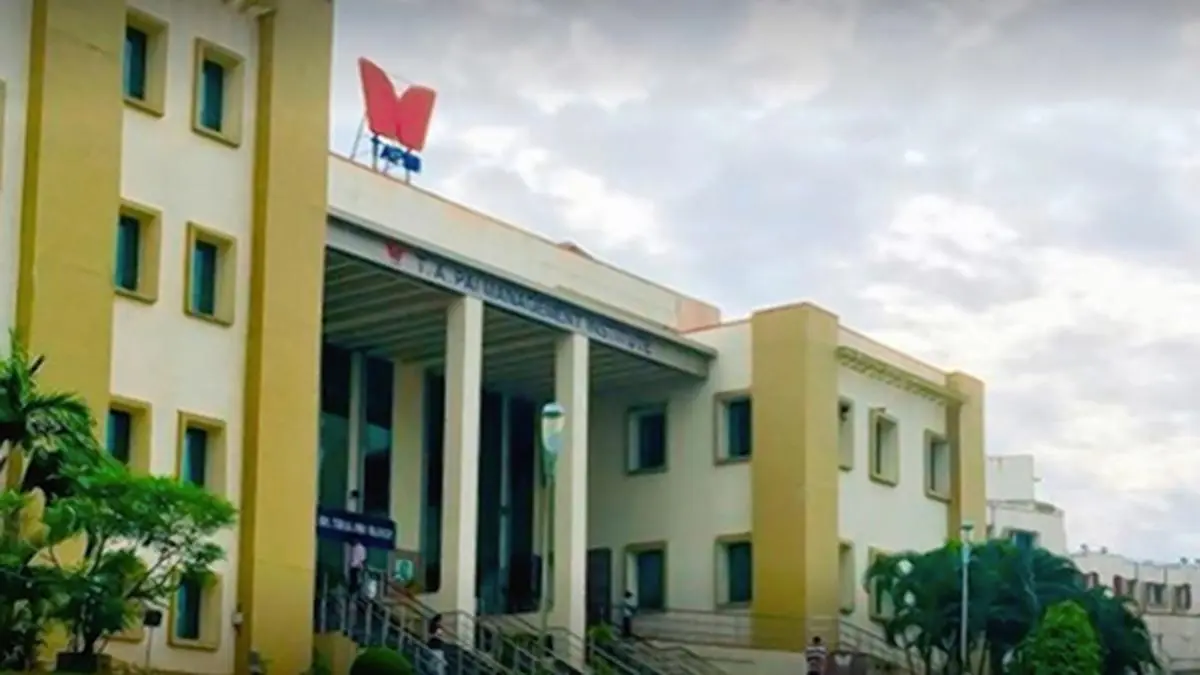
TA Pai Management Institute (TAPMI), a constituent of the Manipal Academy of Higher Education (MAHE), will be organizing its 39th annual graduation ceremony in Manipal, on April 12.

The graduating class has 347 students of the 41st batch of the MBA programme, 59 students of the 10th batch of the MBA – Banking and Financial Services programme, 43 students of the sixth batch of the MBA – Human Resources Management programme, 50 students of the fifth batch of the MBA – Marketing programme, and 25 students of the second batch of the MBA – International Business programme.

Payyavula Keshav, Minister for Finance, Planning, Commercial Taxes and Legislative Affairs, Government of Andhra Pradesh, will be the chief guest for the event. He will deliver the convocation address and present the awards to students who have demonstrated academic excellence.

Sharad Agarwal, Chief Business Officer, Classic Legends, Mumbai, will be the guest of honour, on the occasion.

Payyavula Keshav is an alumnus from the 1985-87 batch, and Sharad Agarwal is an alumnus from the 1999-2001 batch.

HS Ballal, Pro-Chancellor of MAHE, will preside over the event. The Vice-Chancellor, Pro Vice-Chancellors, Registrar, Director of TAPMI, and the faculty of TAPMI will be present for the graduation ceremony.

Published on April 10, 2025

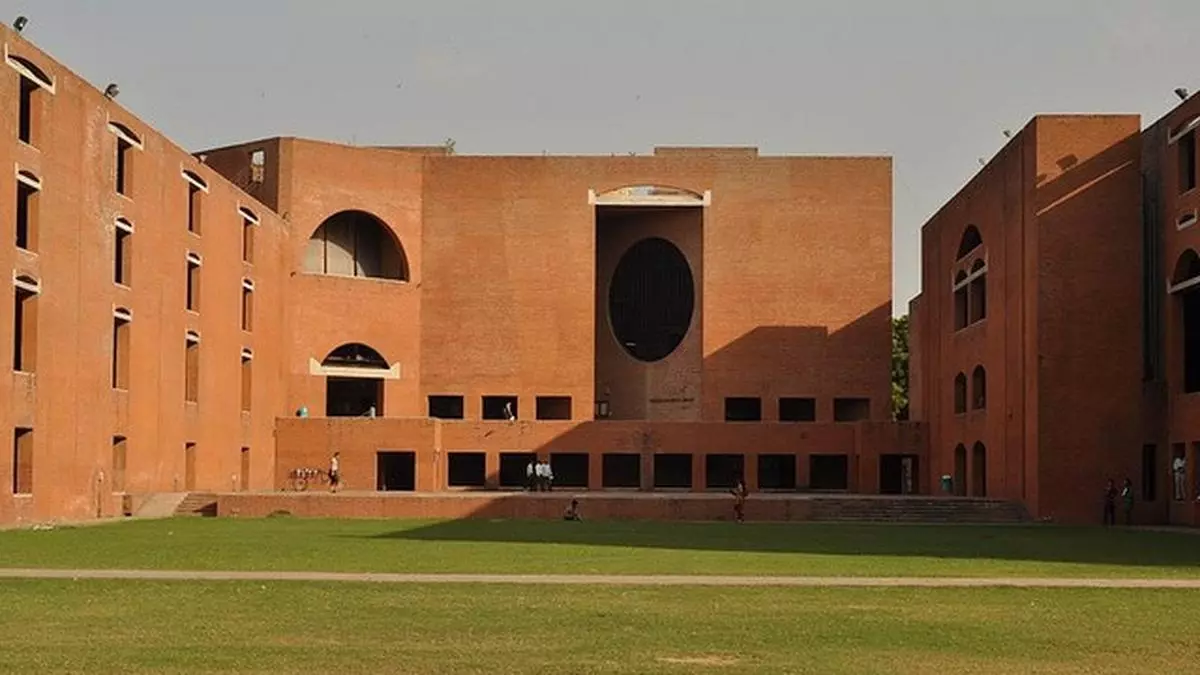
IIMA unveils a 2-phase development plan for its Dubai campus

No Comments

As the first programme, the IIMA Dubai Campus will offer a full-time one-year MBA that is designed to cater to the advanced management learning and upskilling needs of global working professionals and entrepreneurs. FILE PHOTO: General view of the Burj Khalifa and the downtown skyline in Dubai, United Arab Emirates, September 30, 2021. REUTERS/File Photo
| Photo Credit:
MOHAMMED SALEM

India’s top B-school — Indian Institute of Management Ahmedabad (IIMA) — has devised a two-phase campus development plan for setting up an international campus in Dubai. The institute will begin operations later this year from an existing building in Dubai International Academic City and will eventually move into a permanent campus in 2029.

“With the help of the Dubai Government, we have devised a two-phase campus development plan. We will operate out of a highly modern and state-of-the-art infrastructure designed especially for IIMA within an existing building in Dubai International Academic City,” IIMA director Professor Bharat Bhasker told businessline revealing the institute’s detailed plan for setting its first international campus.

A fortnight ago, during IIMA’s annual convocation, it was Professor Bhasker who had first made public IIMA’s intent to set up an international campus in Dubai and start offering courses from September 2025. “Meanwhile, the work for building a world-class campus (in Dubai) will start in about a few months, and we expect to move to the permanent campus in 2029,” he added.

On Tuesday, IIMA and the United Arab Emirates (UAE) Government signed a Memorandum of Understanding (MoU) in Mumbai for the establishment of the IIMA Dubai Campus. The MoU was exchanged by Professor Bharat Bhasker, Director, IIMA, and His Excellency Helal Saeed Almarri, Director General of Dubai’s Department of Economy and Tourism, in the presence of Sheikh Hamdan bin Mohammed bin Rashid Al Maktoum, Crown Prince of Dubai and Piyush Goyal, Union Minister of Commerce and Industry, Government of India.

As the first programme, the IIMA Dubai Campus will offer a full-time one-year MBA that is designed to cater to the advanced management learning and upskilling needs of global working professionals and entrepreneurs. For admissions, GMAT/GRE score will be taken into account.

“This immersive programme, with IIMA’s acclaimed case method pedagogy, aims to equip ambitious professionals with cutting-edge business insights to navigate global market challenges and prepare them for C-suite leadership while aligning with the UAE’s vision for innovation, entrepreneurship, and economic growth. Admission to the full-time One-year MBA at IIMA’s Dubai campus will follow a rigorous two-stage process based on the standardised GMAT/GRE score taken within the last five years,” Professor Bhasker added. The admission process will start soon, and the first batch will begin in September 2025.

When asked the quantum of investments needed to set up an international campus in Dubai, the IIMA director without revealing a figure said, “The Dubai Government has kindly facilitated and supported our entry into the Dubai market by providing the necessary investment to set up the campus.”

Asked why Dubai was chosen as a destination of IIMA’s first international campus, Professor Bhasker said, “Dubai has emerged as a thriving global epicentre for innovation, investment, and entrepreneurship, making it the ideal location for us to establish our first international campus. Dubai offers unparalleled access to international markets, world-class faculty, and a diverse, high-achieving peer group alongside IIM Ahmedabad’s legacy of academic rigour and international exposure for personal and professional growth. Our presence in Dubai will also strengthen our offerings in India, and together, these two campuses will help us become a global leader in management education with a seamless exchange of innovation and knowledge.”

Through the new international campus, IIMA plans to tap citizens of UAE, expat population working in the region and the international students aspiring to build their professional career in the region. “We aim to provide world-class management education to aspiring business leaders from the region. It includes the citizens of UAE and surrounding countries, the expat population working in the region, and international students aspiring to build their professional career in the region. With the ambitious economic development agenda of UAE, we believe IIMA’s offerings will boost the supply of managerial talent needed to accelerate the economic growth in the region,” the IIMA director added.

More Like This

Published on April 9, 2025

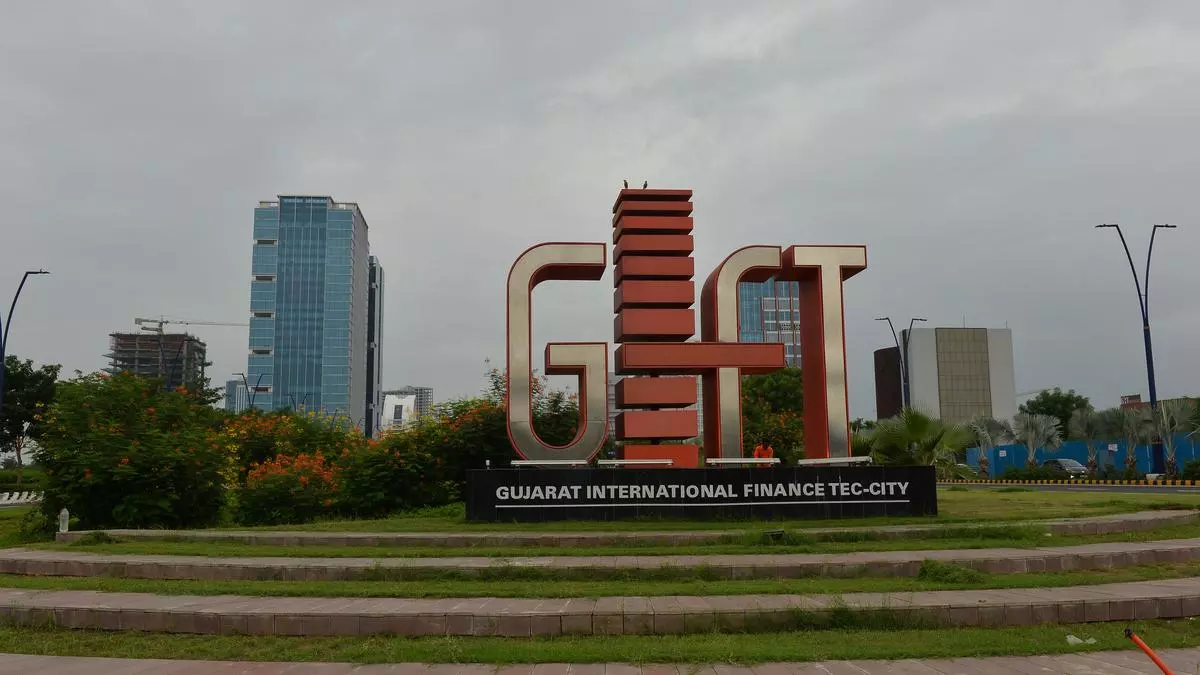
UK’s Coventry University gets nod for campus in GIFT City; to begin academic session from 2026

No Comments

Two courses will initially be launched at Coventry University GIFT City – a BSc Honours in International Business Management and BSc Honours in Business and Finance 
| Photo Credit:
Jacob Ammentorp Lund

After Queen’s University Belfast, a second university from the United Kingdom — Coventry University — will be granted licence to open a campus in GIFT City, Gujarat. The university, which has been given an “in-principle approval” , is expected to begin its academic session in 2026, said an official release

The approval for the university was officially announced at the 13th UK-India Economic and Financial Dialogue (EFD) which took place Wednesday at the London Stock Exchange where guests and speakers included the Chancellor of the Exchequer, Rachel Reeves, the Governor of the Bank of England, Andrew Bailey, and the Indian Finance Minister Nirmala Sitharaman, the release added.

Significant milestone

K Rajaraman, Chairperson of the International Financial Services Centres Authority, stated, “The in-principle approval granted to Coventry University for setting up its International Branch Campus marks a significant milestone in developing GIFT International Financial Services Centre as a global hub for higher education. 

Two courses will initially be launched at Coventry University GIFT City – a BSc Honours in International Business Management and BSc Honours in Business and Finance – with plans to add further courses in the future. In December 2024, businessline had reported that Queen’s University Belfast and Coventry had finalised plans to set up their international campuses in GIFT City. The entry of UK universities, follows the launch of campuses by two Australian Universities — Deakin University and University of Wollongong.

The new campus of Coventry, which has been given in-principle approval by the International Financial Services Centres Authority (IFSCA), would add to Coventry University Group’s current presence in the country following the opening of the Group’s India Hub in New Delhi. It also brings the level of planned investment by partners in the university’s branch and branded campuses around the world over the last five years to £1 billion. This includes campuses in Egypt, Morocco, China, Kazakhstan, Singapore and now India, the official release added.

Published on April 9, 2025

Dr. Agarwal’s, VIT Chennai join hands for AI-driven eye care innovation

No Comments

This initiative will involve over 200 optometry students and numerous VIT students from computer science and engineering disciplines, aiming to transform innovative ideas into market-ready products
| Photo Credit:

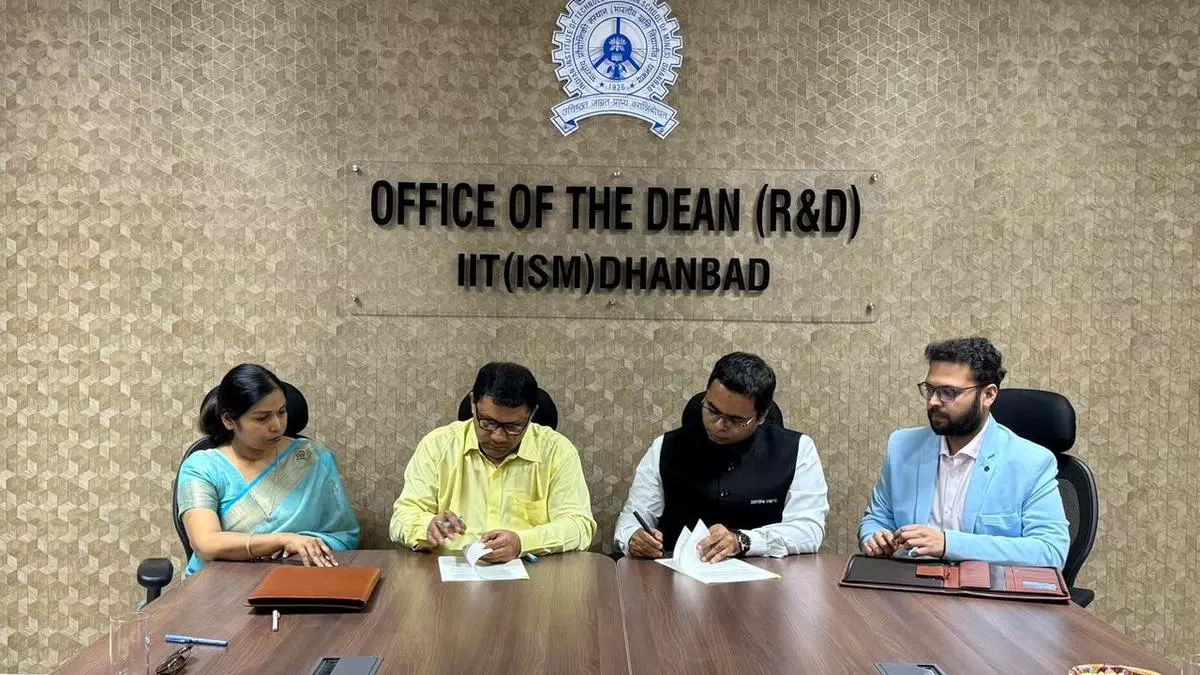
Dr. Agarwal’s Institute of Optometry (DAIO) has signed an MoU with VIT Chennai to collaborate on AI-based innovations in eye care.

The MoU was signed by Dr. D. Karpagam, Dean of DAIO, and Dr. T. Thyagarajan, Pro Vice-Chancellor of VIT Chennai, to promote interdisciplinary research and real-world learning. The partnership aims to develop AI-powered solutions, next-generation diagnostic tools, and clinical training and innovation in optometry.

As per the MoU, students from both institutions will jointly work on research, publish interdisciplinary studies, and develop AI-driven eye care solutions. DAIO will provide VIT students from Computer Science, AI, Electronics, Mechanical, and Mechatronics real-world exposure to clinical challenges while supporting joint PoC projects with expert guidance to turn ideas into market-ready innovations.

Over 200 optometry students and hundreds of VIT students from Computer Science, AI, and engineering streams will work jointly on research projects, diagnostics, and product development, according to a statement. 

Published on April 8, 2025

Amid growing Visa woes and rising tuition costs, number of Indian students in the US sees a 28% dip in FY25

No Comments

At a time when a new bill has been introduced in the US Congress calling for termination of the Optional Practical Training (OPT) program, data shows that number of Indian students in the US dipped by nearly 28 per cent year-on-year (y-o-y) in March 2025, and the move to end OPT is likely to further hit Indian students’ sentiments towards US education.

businessline’s analysis of monthly Student and Exchange Visitor Information System (SEVIS) data of the US Department of Homeland Security indicates a sharp month-on-month decline in Indian students enrolled in the US.

Active Indian students count took a sharp dive from 3,48,446 in July 2024 to 2,55,447 in August 2024 – a month that typically coincides with the admission cycle in the US. This decline was a reversal of the previously consistent upward trend in Indian enrollment and since then, from August 2024 to March 2025, the number of active Indian students in the US has hovered around 2,55,000.

This comes at a time when instances of ad-hoc deportations and tighter visa regulations under Donald Trump’s new administration have led to unease among students who are F-1 and M-1 visa holders. The soaring cost of tuition spends is also adding to the problems.

Adding to the anxiety is the proposed bill titled “Fairness for High-Skilled American Act 2025” that seeks to eliminate OPT. A gist of the bill shows that it argues that OPT, which gives international graduates to stay in the US for up to three years after graduation, gives foreign students an unfair edge over American graduates. Data from Open Doors shows a 41 per cent jump in Indian students on OPT between academic years 2023 to 2024.

Poorvi Chothani, founder and Managing Partner of LawQuest, an immigration and employment law firm in Mumbai, told businessline that the Bill was introduced in the last week of March and is now open for public consultation for around 60 days. “It has to pass through various stages such as the House Committee and various Senate Houses before it even goes for the Presidential assent. If passed, it will only be for future effect and will only impact future OPT issues,” Chothani said.

businessline also spoke to various experts and students who are either already in the US or in the process of applying to get a sense of the sentiment.

Take the case of Siddarth N (name changed), an engineering graduate from Chennai who has two offers for Masters – one in a top tier US university and the other in Germany. He is declining the US admission and heading to Germany because of little assurance on job prospects and the overall “hostile atmosphere” in the US. “If you are considering the US as an option for higher studies, you may be stuck in the past. Funding/scholarship is tough to come by for MS programs and fees are also exorbitant. On top of that, with tougher work visas it doesn’t just make sense to study there as jobs are not guaranteed,” he said. “My seniors who are there right now are struggling to find jobs,” he adds.

There are others reconsidering their decision to opt for higher studies in the US. “My son, Abhijeet, who will be completing his B.Tech this June, wants to go to Germany instead of the US for his MS in computers… He feels insecure not only about the visa but also about the fast-evolving conditions in the US,” K. Ratnakar, an officer in SBI, said.

However, a few who have managed to get scholarship, continue to stay on with their plans for an American dream.

For those already studying in the US too, the mood is cautious. Rushabh Shah, a student at a top university in the US said: “It has become quite difficult in the current market situation to find a job as an international student. Visa sponsorship costs also deter companies from hiring even well-qualified candidates.” He notes that some of his batchmates had applied to over 1,000 roles to secure a job.

“There is a notion that if we step out from US, we may not be allowed back. I have cancelled my plan to come home in India in coming June,” A Shashank, a second-year student of MS in a US university, said.

Career consultants and other education experts admit to a reduction in aspirations among Indian students for US education but say this could reverse if many of the current administration’s proposals become clearer.

Akshay Chaturvedi, founder of study abroad platform Leverage Edu says there is a decline in students headed to US as per their platform stats but also adds that it has been a pattern whenever the US sees a Presidential change. “Around March April, the numbers generally start to pick up (those aiming for August-September intake) but we are not yet seeing that happen,” he adds. Most student admissions, especially STEM, are going towards Germany and Ireland, he notes.

Devaki Thiyagarajan, Chairperson of the Travel Agents Association of India (Southern Chapter) also sees similar trends. Around 15-20 per cent of students who had planned to go to the US have dropped out; there is now more interest in traveling to countries like Australia, Germany, and France, she said.

Amit Anand, senior analyst, Everest Group, says the waning interest of Indian students in the US education is driven by rising visa uncertainty, high costs, and muted job prospects. “While this shift appears more cyclical than permanent, it has already begun to impact university enrollments, particularly in STEM graduate programs. However, with improved tech hiring, clearer post-study pathways, and better policy alignment, the US can still regain its position as the top choice for India’s STEM talent,” he said. He notes a similar trend from 2017 to 2020, during the earlier Trump presidency, when US higher education saw a multi-year drop in new international enrollments.

(With inputs from TE Raja Simhan, Naga Sridhar, and Aishwarya Kumar)

More Like This

Published on April 8, 2025

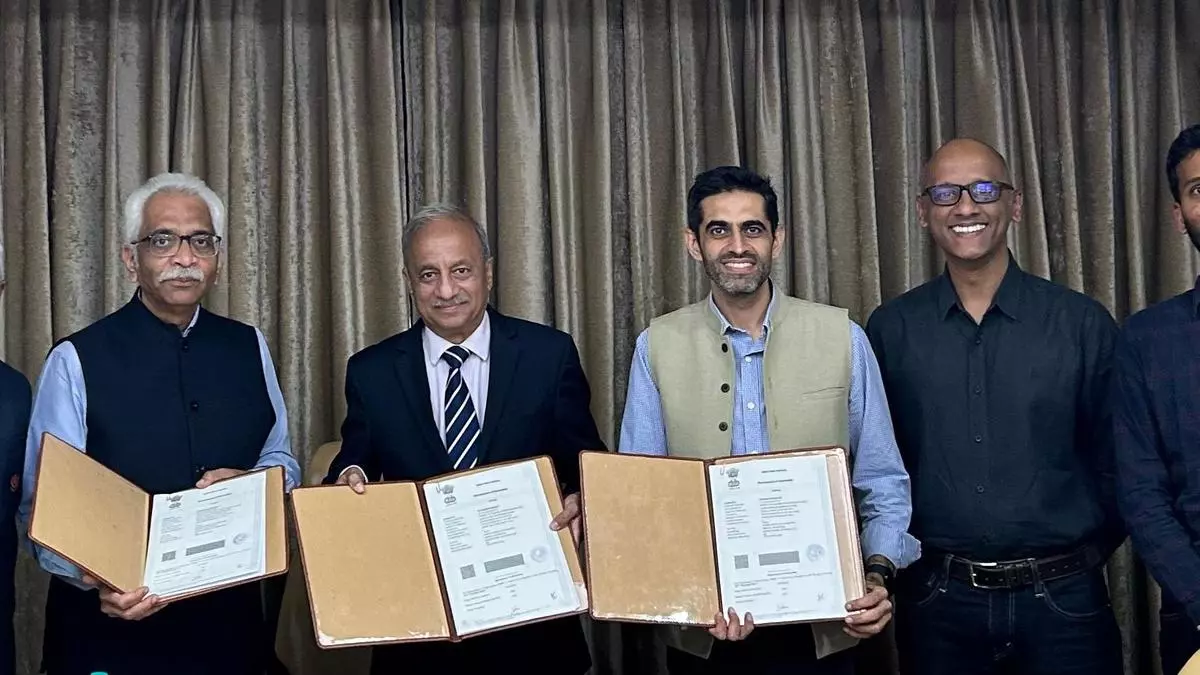
Tata Tech – RV College of Engineering to establish Center for Invention, Innovation, Incubation

No Comments

The MoU signing included attendance from key dignitaries from both Tata Technologies and RVCE, highlighting the collaborative effort to bridge the gap between academia and industry.
| Photo Credit:

Tata Technologies has partnered with RV College of Engineering (RVCE), Bengaluru, to establish the Center for Invention, Innovation, Incubation & Training (CIIIT) on the RVCE campus.

Tata Technologies has pledged approximately ₹50 crore to the initiative, while the Rashtreeya Sikshana Samithi Trust (RSST), which governs RVCE, has committed around ₹10 crore to the centre’s development.

The CIIIT aims to nurture a new generation of industry-ready engineers, technicians, and skilled operators who can be immediately deployed in modern industrial environments. The centre will also support micro, small, and medium enterprises (MSMEs) by supplying a steady pipeline of skilled professionals.

Commenting on the MOU, Dr. K. N. Subramanya, Principal, RVCE, said, “The Center for Invention, Innovation, Incubation & Training (CIIIT) at RVCE represents a transformative ecosystem to bridge academia and industry.

The MoU signing ceremony was attended by several dignitaries, including Dr. M. P. Shyam, President of RSST; Dr. A. V. S. Murthy, honorary secretary of RSST; D. P. Nagaraj, Joint Secretary of RSST; Dr K. N. Subramanya, Principal of RVCE; Dr K. S. Geetha, Vice Principal of RVCE; and several trustees and faculty members.

Shri Sushil Kumar, Global Head; Shri Pawan Bhageria, President; Shri Prashant H, Program Director; Sunil Mahadikar; and Prashant Handigund represented Tata Technologies.

Published on April 7, 2025

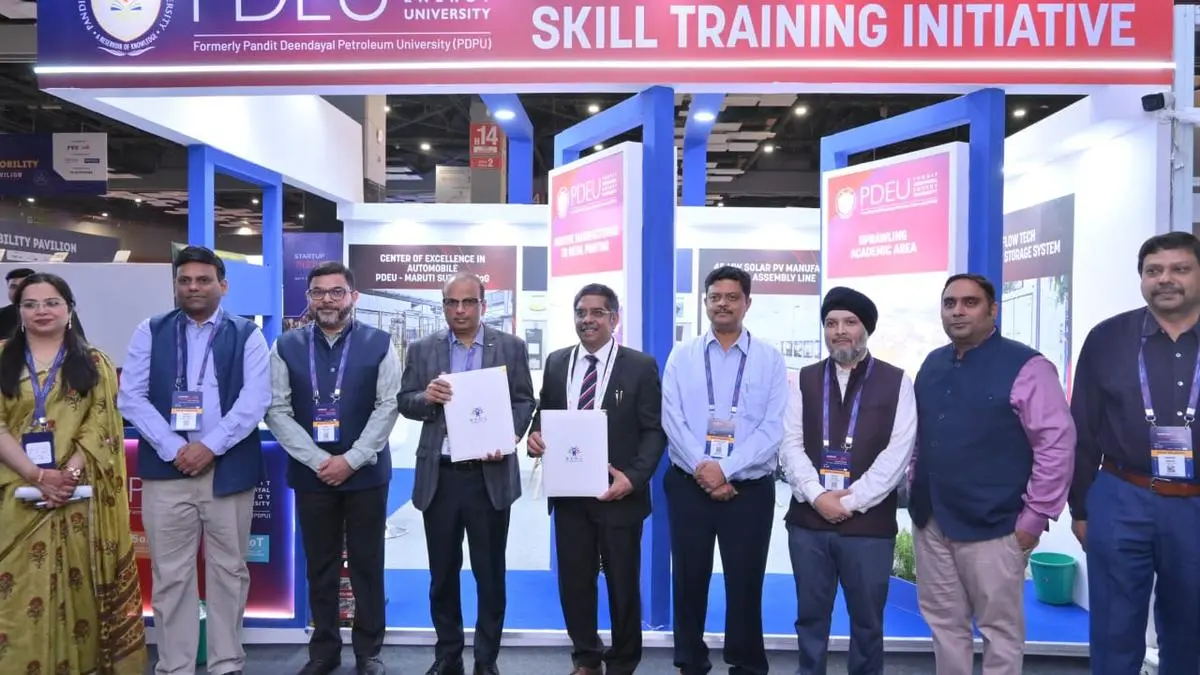
NSDC partners with Pandit Deendayal Energy University to skill youth in semiconductors, critical tech

No Comments

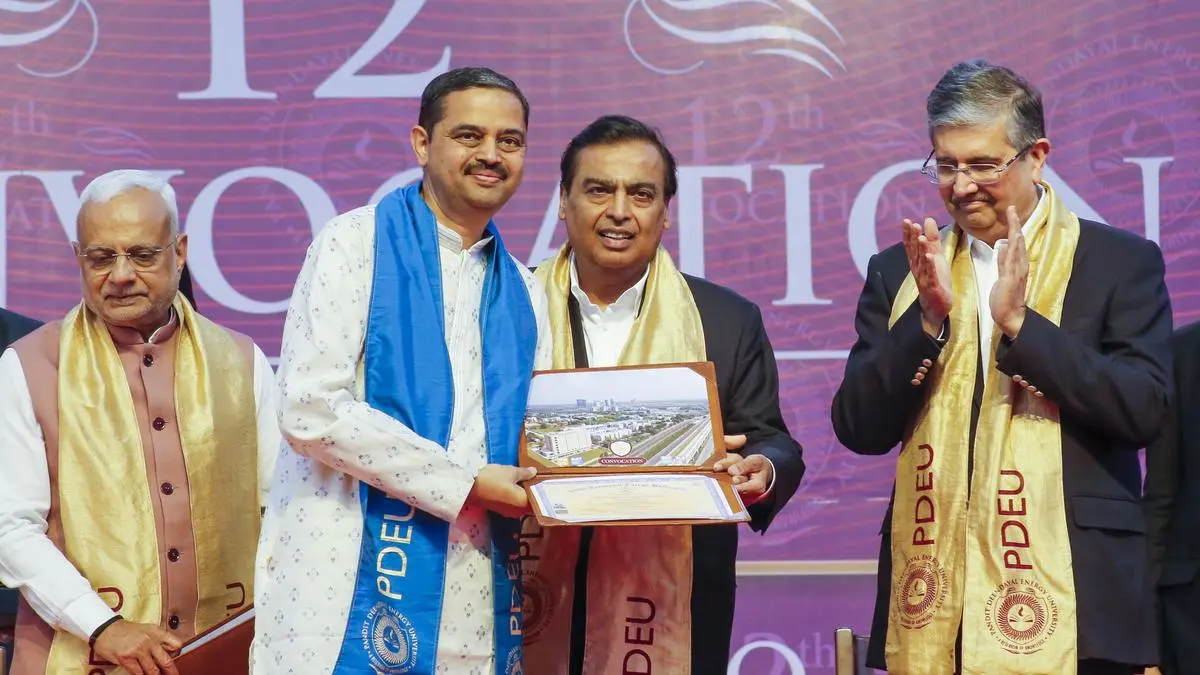
NSDC and Pandit Deendayal Energy University formalised their alliance through a memorandum of understanding (MoU) signed at the Startup Mahakumbh, April 5, 2025

National Skill Development Corporation (NSDC) has partnered with Pandit Deendayal Energy University (PDEU) to launch a state-of-the-art Centre of Excellence for skill development.

The initiative aims to equip learners with hands-on experience in manufacturing skill sets across critical sectors such as energy, semiconductors, health, water, seat manufacturing and food.

The two organisations formalised their alliance through a memorandum of understanding (MoU) signed at the Startup Mahakumbh.

The Centre of Excellence will focus on delivering specialised training in emerging technologies, including VLSI design, robotics, artificial intelligence (AI), machine learning, internet of things (IoT), data science, cloud computing, cyber security, smart manufacturing, blockchain etc.

With over 40 online and hybrid courses designed for students across ITI, diploma, undergraduate, and postgraduate programmes, this collaboration marks a significant milestone in advancing Skill India Mission, National Education Policy (NEP) 2020, and National Credit Framework by integrating vocational education and skill development into mainstream academia.

Innovation in RE tech

“This collaboration will support the development of training infrastructure in smart manufacturing, along with Centres of Excellence focused on automotive, EV charging, renewable energy, and semiconductors. Training in the semiconductor domain is already underway, paving the way for youth to gain practical exposure in high-demand, future-oriented fields,” NSDC CEO Ved Mani Tiwari said.

PDEU has empowered students by integrating industry-standard manufacturing lines within its academic campus, including a 45 MW solar PV manufacturing line and an ATMP semiconductor packaging line.

These facilities bridge the gap between academia and industry while fostering innovation in renewable energy technologies such as solar and wind energy, lithium and vanadium energy storage systems, carbon capture solutions, and smart hybrid grids.

“Our newly launched ATMP semiconductor packaging centre is designed to train students in back-end packaging, encapsulation, and other critical skills, creating a strong pipeline of industry-ready talent,” PDEU Director General S Sundar Manoharan said.

For the first time, experiential learning of up to 225 hours is being integrated into academic credits through the National Credit Framework, he added.

Centre of Excellence

Through this collaboration with NSDC, PDEU will further enhance its infrastructure by incorporating advanced manufacturing capabilities into the Centre of Excellence (CoE).

The CoE will serve as a hub for skill development programmes nationwide, targeting students from Tier-1, Tier-2, and Tier-3 institutions. It is aligned with key Sustainable Development Goals (SDGs), including SDG-4 (Quality Education), SDG-7 (Affordable & Clean Energy), SDG-13 (Climate Action), and SDG-17 (Partnerships for Goals).

To ensure seamless operations and sustainability, a Section 8 company will be established as part of this initiative. Jointly owned by PDEU and NSDC Trust, this entity will manage the CoE’s activities while creating an independent revenue stream through course fees.

It will also support flagship national initiatives like Make-in-India and Aatmanirbhar Bharat by preparing students for core manufacturing processes and fostering self-reliance in critical industries.

More Like This

The Kandla port which achieved a record 150 metric tonnes of cargo volumes during 2024-25 is looking to improve its efficiency. 
One of the key areas where India stands to gain is in exports to the US.

Published on April 5, 2025

PM Modi makes a pitch for Tamil, tells TN to impart med education in mother tongue

No Comments

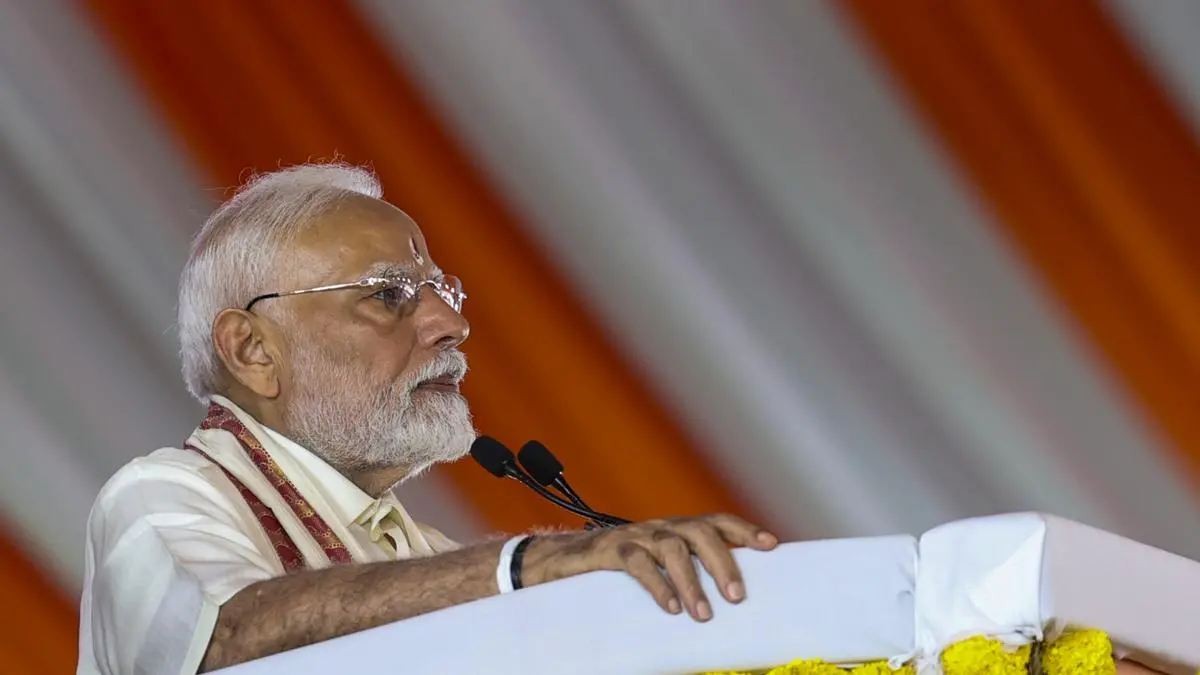
Prime Minister Narendra Modi addresses the gathering during the inauguration of the Pamban sea bridge and flagging off of the new Rameswaram-Tambaram (Chennai) train service in Rameswaram, Tamil Nadu.

Prime Minister Narendra Modi on Sunday made a strong pitch for Tamil and asserted that all efforts are on to take the language across the world and asked the Tamil Nadu government to impart medical education in Tamil medium to benefit the poor.

In his address after laying foundation stone and dedicating to the nation projects cumulatively worth over ₹8,300 crore, Modi, on the occasion of Ram Navami said Lord Ram’s good governance is the foundation for nation building.

Inaugurating the new Pamban bridge here, he said it was the country’s first vertical lift railway sea bridge. Modi said efforts were on to take Tamil language, heritage to all corners of the world.

Without naming anyone, Modi said he gets letters from leaders of Tamil Nadu and “they do not sign in Tamil.

“At least put your signature in Tamil.”

Further, he batted for teaching medicine in Tamil medium in the State so that students from poor families are benefitted. The PM, referring to beneficiaries from the State in respect of several initiatives said despite increased allocation to Tamil Nadu, some “cry” over funds.

Published on April 6, 2025

Adapting evolving technological landscape must for success: Somanath

No Comments

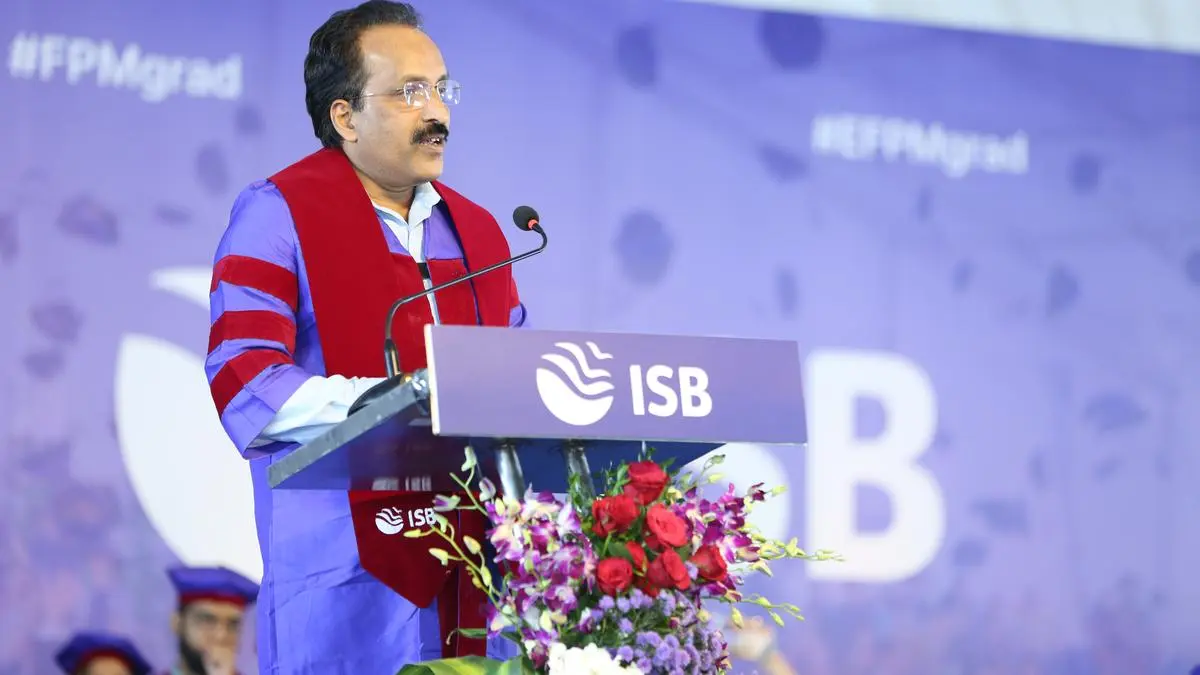
S. Somanath, Vikram Sarabhai Distinguished Professor at the
Indian Space Research Organisation (ISRO) addressing the graduating students at ISB in Hyderabad on Saturday.

There is a need for adapting a rapidly evolving technological landscape for success while being life-long learners, according  S. Somanath, Vikram Sarabhai Distinguished Professor at the Indian Space Research Organisation (ISRO).

In his address at the graduation ceremony of the Post Graduate Programme (PGP) of Class of 2025 at the Indian School of Business (ISB) here on Saturday, he advised the graduating students to view failures not as endpoints, but as essential stepping stones toward success. 

While only a few errors would be visible to the public, countless setbacks could occur behind the scenes, each serving as an opportunity to build resilience and foster innovation, the noted space scientist said.  

The former chairman of ISRO urged the graduates not to consider their education complete, but to remain lifelong learners, continuously adapting in a rapidly evolving technological landscape. 

It was important to cultivate an entrepreneurial spirit, anchored in the core values of humility, honesty and integrity, which he believes are indispensable for achieving long-term success in any field, he added. 

Harish Manwani, Chairperson, ISB Executive Board, asked the graduates to harness the power of bold aspirations, resilience and innovative thinking—just as evidenced by the visionary achievements at ISRO—while redefining success as a blend of economic value and broader societal impact. 

Rakesh Bharti Mittal, Chairperson, ISB Mohali Campus Advisory Board, said as the students take up leadership roles, their commitment to ethical responsibility, continual learning and inclusive growth would be vital.

Madan Pillutla, Dean, ISB, encouraged graduates to champion diversity and bridge ideological divides, reminding them that their journey begins with meaningful connections that extend beyond the classroom. He stressed the value of integrating different perspectives with kindness and integrity. 

At the graduation ceremony 563 students from the PGP Class of 2025 (Hyderabad campus), along with three scholars from the Fellow Programme in Management (FPM) and 16 scholars from the Executive Fellow Programme in Management (EFPM) received their certificates and accolades. T

Students who displayed academic excellence, extracurricular achievements and leadership skills were also honoured. Akhil Malani and Rajat Kumar Singh were announced as the ISB Gold Medallists for the PGP Class of 2025. Abhilash Bandari was announced the Chairperson’s Award for the Best All-Rounder (Hyderabad Campus) for the PGP Class of 2025.

Rajrupa Bose was awarded the ISB-Parmeshwar Godrej Award, in recognition as an exemplary woman student who has a strong record of commitment to social causes from the graduating PGP class.

Published on April 5, 2025

India’s UGC to grant equivalence for foreign degrees, tightens rules on offshore campuses and franchise programs

No Comments

The UGC aims to enhance transparency and consistency in the assessment of foreign qualifications, addressing long-standing challenges faced by returning students and facilitating their integration into India’s educational and professional landscape.

India will streamline the recognition of degrees, diplomas, and certificates earned from foreign educational institutions, excluding select professional fields like medicine, law, and architecture – which remain under statutory councils.

Now, students returning with overseas credentials or seeking admission to Indian universities can apply for an “Equivalence Certificate” through a dedicated online portal, ensuring their qualifications align with Indian academic benchmark.

The equivalence certificate issued shall be valid for all academic institutions, colleges, and institutions deemed to be universities, and universities, coming under the purview of the University Grants Commission (UGC), for the purposes of pursuing higher education and research; and for the purposes of employment in all public or other bodies wherein an educational qualification recognised by the Commission has been specified as essential.

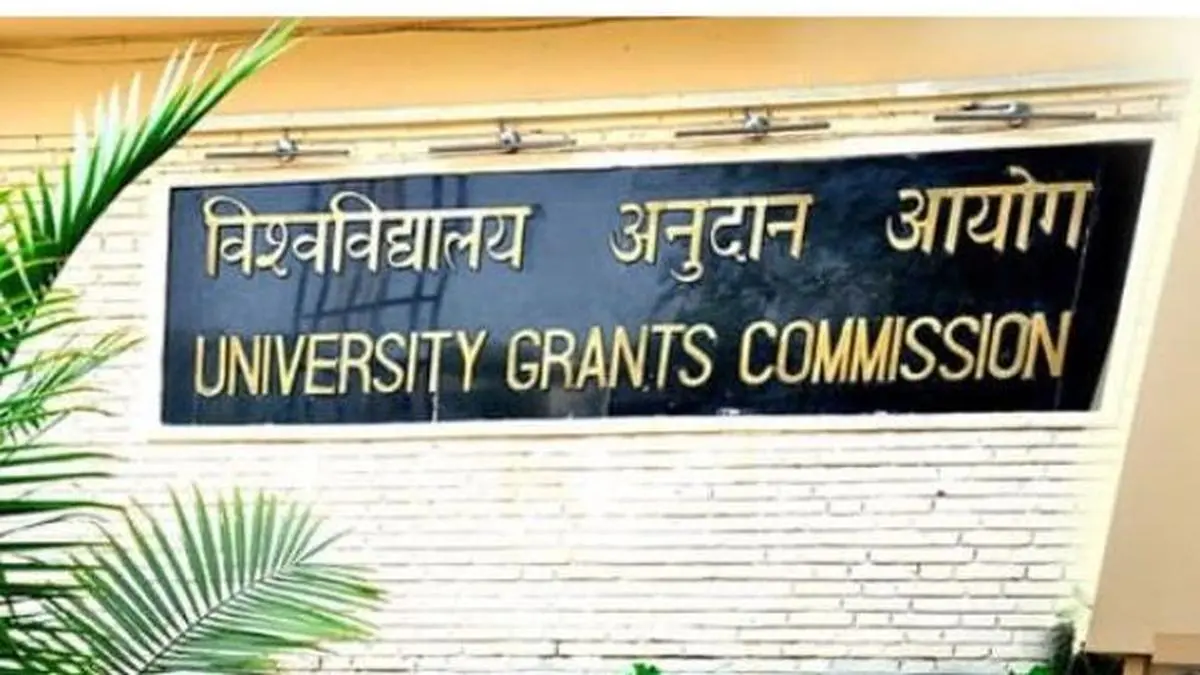
The UGC has rolled out the “University Grants Commission (Recognition and Grant of Equivalence to Qualifications Obtained from Foreign Educational Institutions) Regulations, 2025”, where the framework establishes this mechanism to grant equivalence to degrees, diplomas, and certificates earned from foreign educational institutions, thus facilitating smoother mobility for students pursuing higher education and employment opportunities in India.

However, professional qualifications in fields such as Medicine, Pharmacy, Nursing, Law, and Architecture governed by respective statutory councils in India are excluded.

At its core, the policy – which  is into effect immediately – addresses a long-standing need for transparency and consistency in equating foreign qualifications with Indian standards—a process previously marred by ambiguity.

Rigorous evaluation process

A key feature is the rigorous evaluation process.

Qualifications must come from institutions legally recognised in their home countries, and applicants must have met specific academic standards, including entry requirements mirroring those in India.

The Standing Committee, formed for this, will comprise education experts, and assess factors like program duration, credit requirements, and curricular outcomes. For flexibility, the committee will allow a 10 per cent variation in credits.

For instance, a foreign undergraduate degree with slightly fewer credits could still qualify if it meets core learning objectives—a pragmatic nod to diverse global systems.

“Many students return with international qualifications to seamlessly integrate into India’s higher education system or workforce. Such students need a structured procedure to evaluate foreign credentials without unpredictable delays and procedural ambiguity. Acknowledging this challenge, the University Grants Commission (UGC) has decided to establish a standardised equivalence framework by bringing in a new regulation,” M Jagadesh Kumar, Chairperson, UGC, told businessline.

According to him, the UGC has developed a transparent, technology-driven mechanism for recognising foreign qualifications from schools and higher education institutes. “If Indian institutions are to attract international students, we must ensure fair recognition of degrees earned abroad,” he said, pointing out that a long-standing issue has now been resolved.

Implications

The implications are profound.

For students, this means smoother transitions into Indian higher education or job markets, where recognized qualifications are often prerequisites.

Offshore campuses of foreign institutions, increasingly popular among Indian students, also fall under scrutiny—only those approved by authorities in both their host and origin countries will qualify. However, franchised programs, often criticized for quality concerns, are explicitly excluded, safeguarding academic integrity.

This move aligns with NEP 2020’s vision of internationalizing education.

It also integrates with the National Credit Framework, unifying credits across school, higher, and vocational education.

Students under collaborative government agreements or existing UGC frameworks won’t even need to apply—equivalence is automatic, easing bureaucratic hurdles.

Yet, challenges loom. The process hinges on accurate documentation.

Non-English transcripts will require authenticated English translations.

Appeals against rejections involve a Review Committee; while fraudulent applications risk certificate withdrawal and legal action.

Published on April 5, 2025

Trump administration targets Ivy League schools: Princeton’s research funding halted

No Comments

The Trump administration has halted dozens of research grants at Princeton University, the latest Ivy League school to see its federal money threatened in a pressure campaign targeting the nation’s top universities.

Princeton was notified this week that several dozen federal grants are being suspended by agencies including the Department of Energy, NASA and the Defense Department, according to a campus message sent Tuesday by Christopher Eisgruber, the university’s president.

Eisgruber said the rationale was not fully clear but that Princeton will comply with the law. The school is among dozens facing federal investigations into antisemitism following a wave of pro-Palestinian protests last year.

Related Stories
Govt vs academia: A futile tussle

Trump’s actions against universities are damaging US’ reputation. Governments are best advised to leave academia alone

“We are committed to fighting antisemitism and all forms of discrimination, and we will cooperate with the government in combating antisemitism,” Eisgruber wrote. “Princeton will also vigorously defend academic freedom and the due process rights of this University.” As President Donald Trump presses his political agenda on universities across the country, he has paid special attention to Ivy League institutions.

Related Stories
Columbia University agrees to Trump administration demands for federal funding restoration

The university released a memo detailing plans to ban face masks, empower security personnel to remove or arrest individuals, and appoint a new administrator to oversee its Middle Eastern, South Asian, and African Studies department

Columbia University was the first one targeted, losing USD 400 million in federal money with threats to terminate more if it didn’t make the campus safer for Jewish students. The school agreed to several demands from the government last month, including an overhaul of student discipline rules and a review of the school’s Middle East studies department.

The government later suspended about USD 175 million in federal funding for the University of Pennsylvania over a transgender swimmer who previously competed for the school. On Monday, a federal antisemitism task force said it was reviewing almost USD 9 billion in federal grants and contracts at Harvard University amid an investigation into campus antisemitism.

The pressure has created a dilemma for US colleges, which rely on federal research funding as a major source of revenue.

Related Stories
Cornell student faces deportation after pro-Palestinian protests amid Trump’s crackdown

Momodou Taal’s legal team argues that this move is an attack on free speech, especially following President Trump’s public vow to deport foreign activists seen as supporting Hamas

Eisgruber came forward as a voice of opposition as the Trump administration ratcheted up pressure on Columbia, calling it the greatest threat to American universities in decades.

“The attack on Columbia is a radical threat to scholarly excellence and to America’s leadership in research,” Eisgruber wrote in a March 19 essay in The Atlantic magazine. “Universities and their leaders should speak up and litigate forcefully to protect their rights.” The Energy Department confirmed it had paused funding to Princeton pending a Department of Education investigation around antisemitic harassment.

The Education and Justice departments declined to comment.

Princeton was among 60 universities that received a warning letter from the Education Department in March over accusations of antisemitism. It said the schools could face enforcement action if they didn’t address anti-Jewish bias on campus. All but two Ivy League schools, Penn and Dartmouth, were on the list.

Related Stories
Now, universities in Trump’s crosshairs

Institutions seen as anti-Semitic and those taking part in any “illegal” activity are being targeted

The Education Department launched an investigation at Princeton in April 2024 under the Biden administration. It was in response to a complaint filed by the editor-in-chief of Campus Reform, a conservative news organisation, the outlet reported. The complaint cited a pro-Palestinian protest that reportedly included chants of “Intifada” and others described as antisemitic.

The outlet’s editor has filed dozens of other antisemitism complaints with the Education Department.

The Trump administration has promised a more aggressive approach against campus antisemitism, accusing former President Joe Biden of letting schools off the hook. It has opened new investigations at colleges and detained and deported several foreign students with ties to pro-Palestinian protests.

Trump and other officials have accused the protesters of being “pro-Hamas.” Student activists say they oppose Israel’s military activity in Gaza.

It follows a campaign by Republican in Congress who demanded answers from university leaders after the wave of protests. A series of hearings on Capitol Hill contributed to the resignation of presidents at Harvard, Columbia and Penn.

Columbia’s interim president, Katrina Armstrong, resigned last week after the school agreed to the government’s demands.

IIT-Madras wants to teach students the science behind happiness with a new centre

No Comments

The IITs, which have long been seen as providers of scientific knowledge, also want to teach students the art of being resilient and look beyond grades.

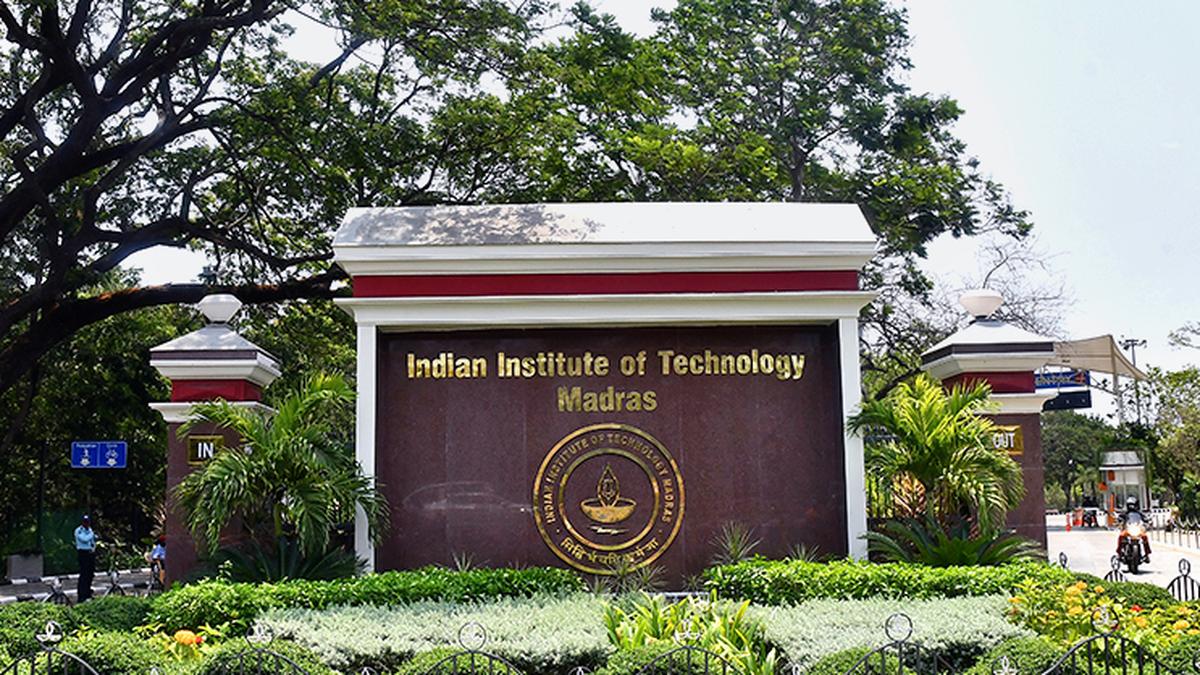
The Indian Institute of Technology Madras (IIT-Madras) is partnering with Rekhi Foundation for Happiness, a not-for-profit organisation, to establish a ‘Rekhi Centre of Excellence for the Science of Happiness’. Set to come up in the Department of Management Studies (DoMS), IIT Madras, this centre will focus on integrating the study of happiness into the academic curriculum.

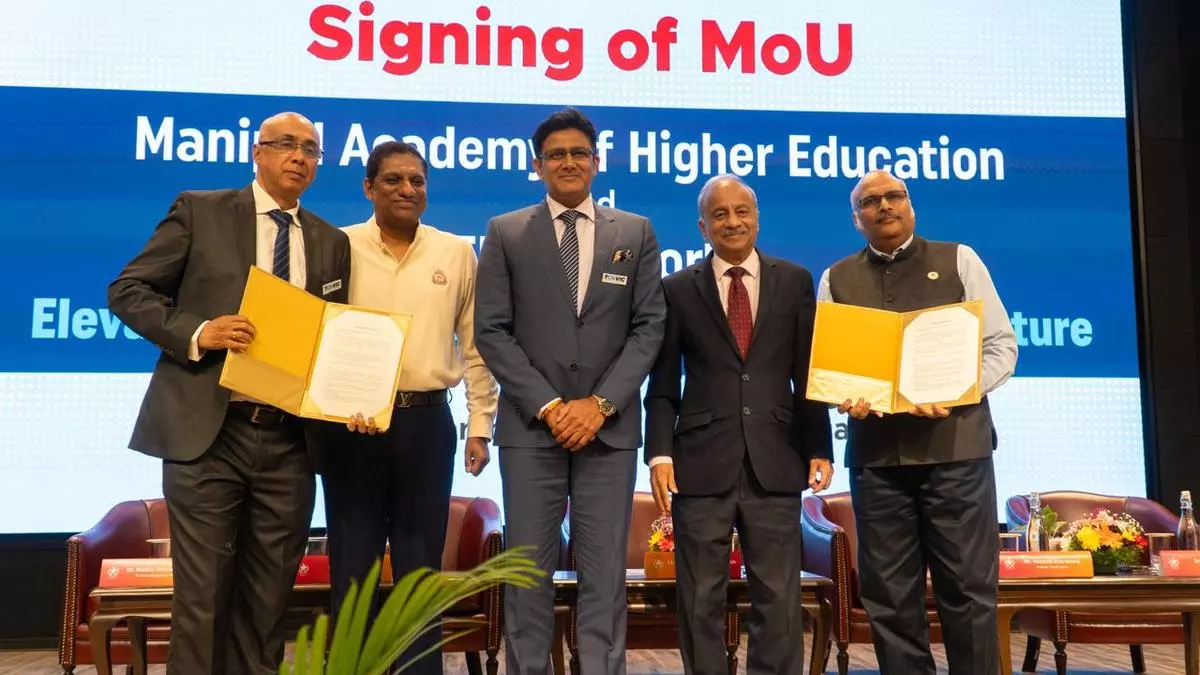
The institute, on Wednesday, signed an MoU towards this with Dr Satinder Singh Rekhi, Founder, Rekhi Foundation for Happiness.

This is not the first time that a higher education institute has tried to create an ecosystem of happiness. IIT-Kharagpur, IIT-Roorkee, IIT-Jammu, IIM-Lucknow, IIT-Delhi and others are a few that already run such centres, as per an IIT-M official. The establishment of the centre is part of IIT-Madras’ Be Happy programme, which includes counselling sessions, wellness plans and other initiatives to help students cope with the stress.

“The centre will focus on developing and delivering courses that empower students to cultivate positivity, build emotional resilience and lead purposeful lives. Additionally, it will offer hands-on learning experiences through a dedicated Mind Lab, equipped with cutting-edge tools to deepen practical understanding and application,” the institute said.

Resilient communities

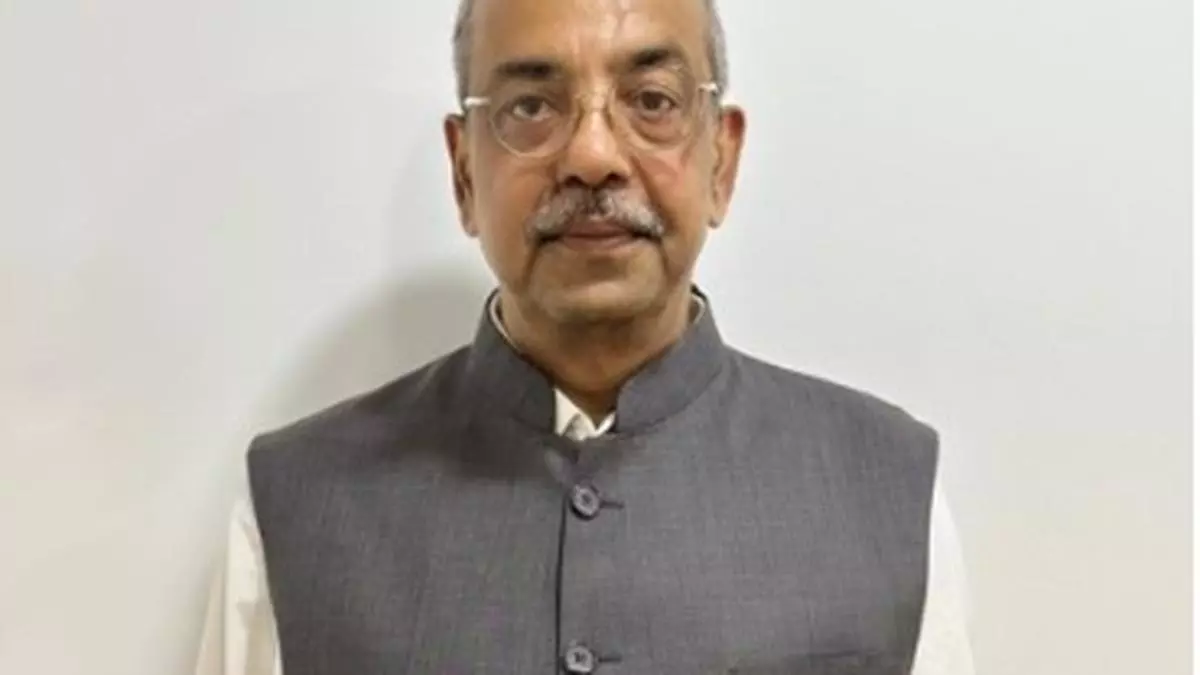
“The objective of this initiative should be to cultivate an ideal student-faculty environment, reinforcing the idea that true learning and holistic personal growth extend beyond academic scores,” V. Kamakoti, Director, IIT Madras, said.

The idea is promote the science of happiness, which is necessary for all our well-being — be it students or faculty or others, Prof Rupashree Baral, professor, IIT-Madras, said. “With this, we are looking to build more resilient communities overall and create capacity in our students to cope with uncertainties and pitfalls of all kinds,” she added.

Rekhi Foundation for Happiness is a non-profit trust founded in 2016 by Dr Rekhi. It works to advance the practice and knowledge of Happiness Science and Positive Psychology by establishing happiness centres in universities worldwide, fostering well-being through research, education and practical applications.

12 ventures from first batch of I-Venture immersive programme of ISB get funding

No Comments

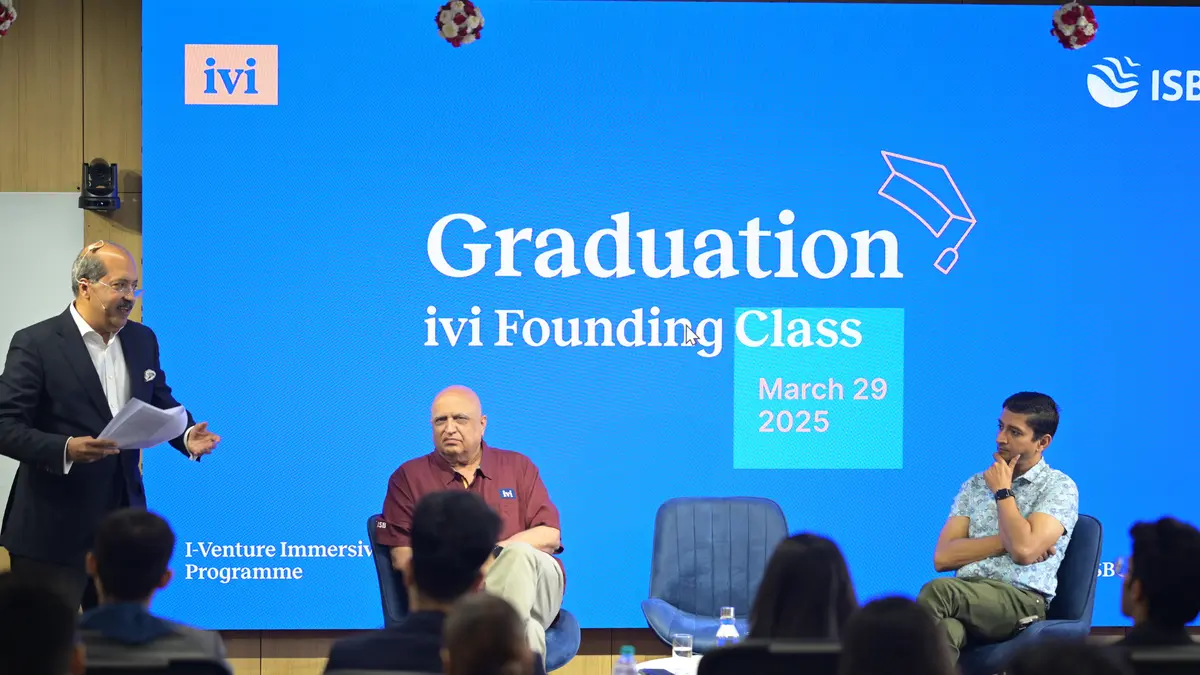
A batch of 51 young entrepreneurs from the founding class of I-Venture Immersive (ivi) programme at Indian School of Business (ISB) has graduated on Saturday in a ceremony held in Hyderabad campus.

For six months, ivi students have had access to ISB’s renowned faculty, a robust alumni network, leading investors, and industry experts. 

Building robust networks

Speaking on the occasion, Sanjay Nayar, Founder and Chairman, Sorin Investment Fund, President, Assocham said the entrepreneurial journey was about far more than just securing capital or chasing rapid growth. Success comes from nurturing strong mentorships and building robust networks, he added. 

Professor Bhagwan Chowdhry, Faculty Director, ISB I-Venture, said the I-Venture Immersive programme would give a real exam in the act of building a business—a test that continues well beyond graduation. The ISB would remain as a for the its graduates where they could always return for guidance, collaboration, and continued growth.

As part of Phase 2 of the programme, 12 ventures (15 students) from the graduating class have been selected to receive funding and extended venture-building support to accelerate their growth. “This crucial backing allows them to refine their business models, develop prototypes, and move closer to market entry with the continued support of ISB’s ecosystem,’‘ ISB said in a release. 

The global perspective offered by CFA programme can help finance professionals stand out, say experts

No Comments

Finance is an ever-expanding universe, offering opportunities for professionals across diverse roles such as investment managers, wealth managers, equity research, investment banking, corporate finance, and treasury operations, etc. A common among all these is the CFA accreditation, which can propel your career prospects and growth in the industry.

Are you aspiring to make a career in finance? Is a non-finance educational background holding you back? Can the CFA programme truly act as a magic wand to unlock doors in the finance world? Is artificial intelligence (AI) gobbling up jobs or making life easier? How to crack open opportunities?

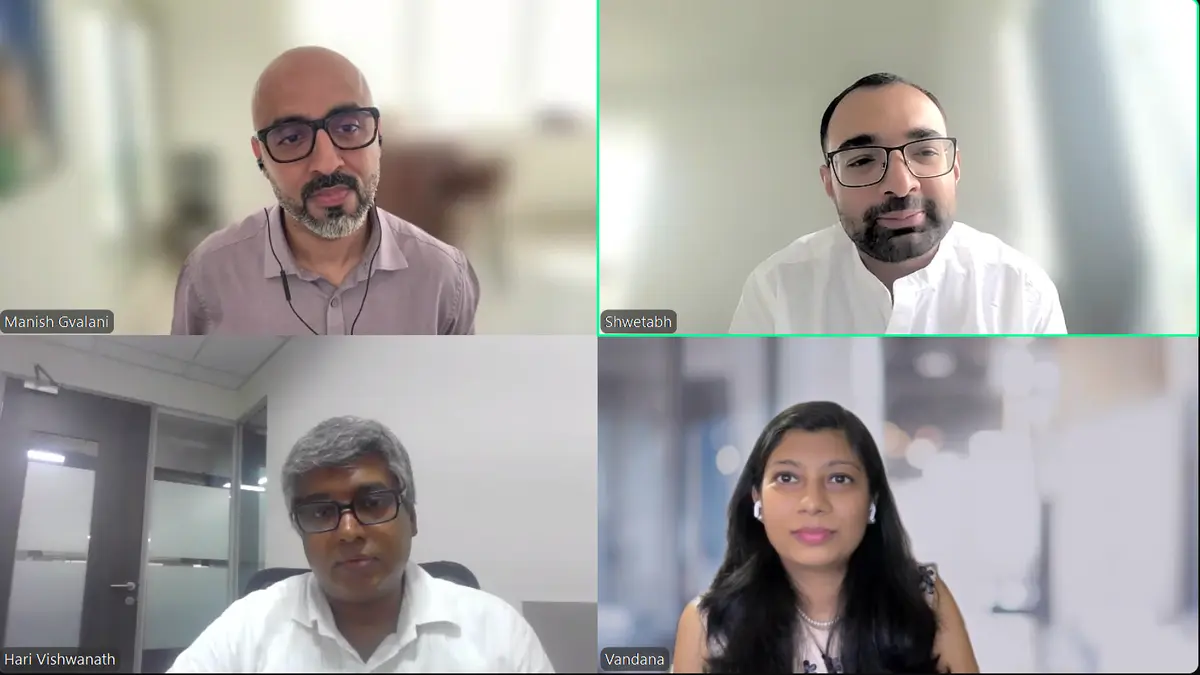
To address these questions and shed light on the global opportunities post completion of the CFA programme, the CFA Institute, in partnership with the businessline, hosted a webinar on Thursday titled ‘Unlocking global finance opportunities with the CFA program’. The event was moderated by Hari Viswanath, Editor of businessline Research Bureau (bl.portfolio).

Discussing the transformative role of AI in the financial world, Manish Gvalani, Director and Head of Signatory Advisory, Emirates NBD, observed that though AI helps to save time in problem solving, it is still the finance professionals and their knowledge that deliver effective solutions to customers. The practical world, however, needs communication skills to maintain and build relationships, win credibility and climb the career ladder, he said, urging aspirants to invest in these skills to stand out in the field.

Vandana Somani, Lead – India Operations for Neuberger Berman, added that automation through AI allows professionals save time, which can be invested in other strategies and initiatives. “Think of AI as a tool that you can use to optimise your time”, she said.

Shwetabh Sameer, a member of the investment team at the London-based VC firm Molten Ventures, added that AI literacy is becoming increasingly important across fields and also for finance careers.

Should one’s non-finance background deter them from a CFA certification? Sameer, who is a mechanical engineer himself, noted that it should not. The CFA curriculum and materials by itself are very detailed and filled with many examples, to help understand the practical concepts in finance, he said. “Building a small community of people doing CFA around you and discussing concepts should be good enough to complete the CFA charter as a whole,” he added.

Acknowledging the hectic nature of the course and stressing that it may require sacrifices in terms of social life and weekends, the panelists stressed that being a CFA-accredited finance professional gives you a global perspective of the industry and helps you stand out in the crowd.

To view the full webinar, please visit: https://bit.ly/43oBdNu

Infosys to launch Infosys Springboard Makerlab at Symbiosis in Pune

No Comments

Infosys has announced the launch of the Infosys Springboard Makerlab at Symbiosis International (Deemed) University in Pune. The new lab, the first of its kind, aims to provide young learners with hands-on experience in Science, Technology, Engineering, and Mathematics (STEM) fields to enhance their employability. It is open to students from all Symbiosis schools and colleges and from nearby educational institutions.

Infosys Springboard Makerlab offers access to a range of cutting-edge technologies, including educational DIY kits and equipment related to science, electronics, robotics, microcontrollers, Internet of Things (IoT), Augmented/Virtual Reality (AR/VR), drones, and 3D printing. The facility is designed to deliver experiential learning and equip students with skills aligned to Industry 4.0, automation, and digital transformation.

Dr. Vidya Yeravdekar, Pro-Chancellor, Symbiosis International (Deemed) University, said, “Together with Infosys, we are preparing students to excel in a rapidly evolving technological landscape. The establishment of Infosys Springboard Makerlab is a testament to our collaborative efforts to modernize the educational ecosystem in the country and empower students to become active creators and problem-solvers. By bridging the gap between theoretical knowledge and practical application, this Lab aligns with the National Education Policy 2024.”

Thirumala Arohi, EVP and Head – Education, Training, and Assessment, Infosys, said, “The launch of Infosys Springboard Makerlab at Symbiosis International (Deemed) University, in Pune, marks a significant step in ensuring seamless transition for young learners, from education to employability. This collaborative initiative will provide students with relevant and necessary hands-on experiences and help advance STEM education in the country. Through this lab, we aim to inspire the next generation of creators and problem-solvers and help create a future-ready workforce that can tackle the challenges of an increasingly automated and digitized world.”

UoH, Flinders University ink MoU for collaboration

No Comments

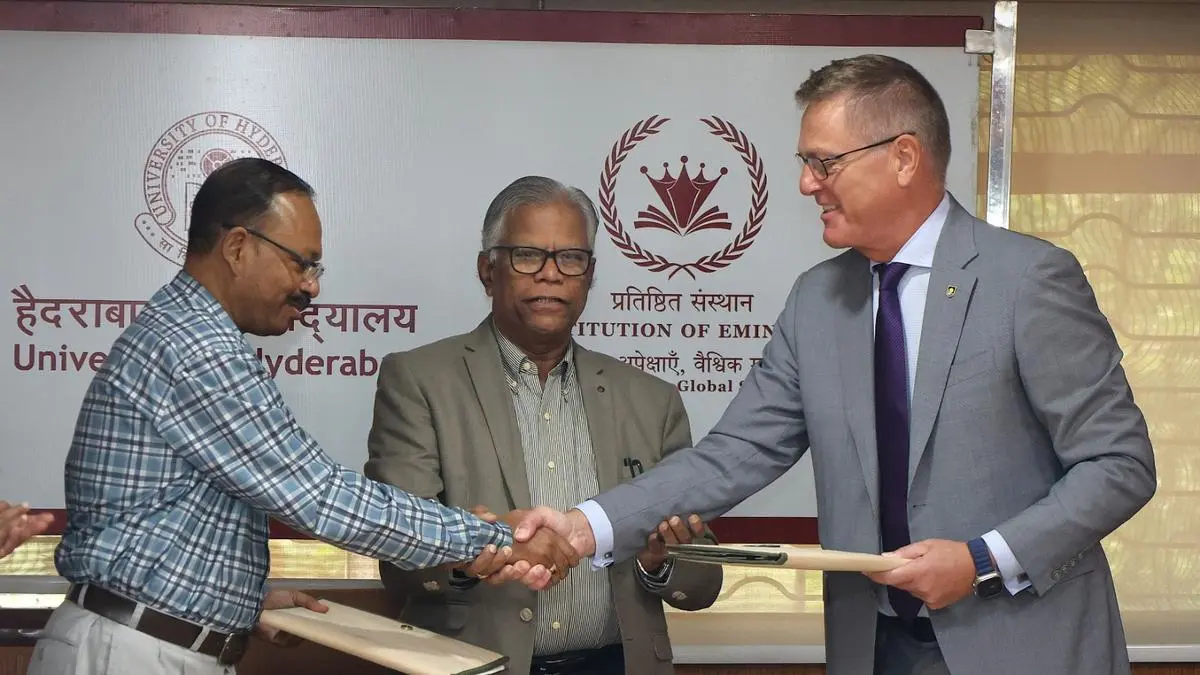
The University of Hyderabad (UoH) and Flinders University, Australia, have entered into a Memorandum of Understanding (MoU) 

The agreement aims to deepen collaboration in healthcare management, digital health, and business education while enhancing faculty and student exchange, joint research, and professional development.

The focus areas of collaboration will include joint postgraduate twinning programs in business and healthcare management, co-designed certificate programs and short-term executive training, collaborative research in health workforce, digital health, aged care, operations, and leadership, faculty exchange, co-teaching modules, and student mobility, as well as engagement with industry sectors in Telangana and South Australia, among others. 

“This partnership demonstrates our shared vision to build meaningful academic bridges and co-create solutions for global healthcare and management challenges,” said B.J. Rao, Vice-Chancellor, University of Hyderabad.

Colin Stirling, Vice-Chancellor of Flinders University, said: “Our collaboration with UoH is rooted in mutual respect and academic excellence. We are proud to advance this relationship in the presence of our government leaders,’‘ according to a release.

IIM Mumbai secures 100% placements for 2025 batch with record job offers

No Comments

IIM Mumbai has secured 100 per cent placements for its 2025 batch, with 198 companies participating in the placement drive. The institute reported a 10 per cent increase in total job offers compared to the previous year, highlighting a robust recruitment landscape.

The top 10 per cent of students achieved an average salary of ₹47.5 lakh, representing a 5 per cent increase from last year. Notably, the Pharma & Healthcare sector emerged as a standout performer, with job offers surging by approximately 130 per cent. Retail & e-Commerce and Consulting sectors also saw significant growth, with offer increases of 47.73 per cent and 28.92 per cent, respectively.

Accenture led the recruitment, extending 41 offers with an average package of ₹45.37 lakh, followed by PwC India and PwC US Advisory. Over 40 first-time recruiters joined the placement process, demonstrating the institute’s expanding industry recognition.

Prof. Manoj Tiwari attributed the success to the institute’s strategic focus on future-ready skills and strong industry connections. Despite challenges in FMCG and IT sectors, IIM Mumbai maintained a positive placement trajectory, underscoring its adaptability in a dynamic job market.

Take a ‘Pauz’ to de-stress, UPSC tells aspirants ahead of interview

No Comments

Union Public Service Commission (UPSC) has introduced a state-of-the-art relaxation solution for candidates under stress ahead of their interviews to qualify for becoming civil servants.

Named ‘Pauz’, it is an advanced de-stressing experience designed to help individuals manage stress through guided audio-based techniques, said UPSC sources.

In just 12–15 minutes, aspirants can effectively manage stress, recharge mentally by getting into a “quiet immersive space” by soaking into professional and short guided session, Commission sources said.

In just 12–15 minutes, aspirants can effectively manage stress and recharge mentally by immersing themselves in a “quiet immersive space” through a short, professional guided session, the Commission sources said.

UPSC sources said that it offers guided practices such as sitting in a relaxed position to become aware of one’s own breath, and that this solution has no religious or cultural import.

The Commission decided to take this curated step based on the feedback it received from candidates selected for interviews.

Pauz has been effectively integrated into UPSC interview preparation areas. Some users have already reported immediate reductions in stress and improved mental clarity, helping them perform at their best during interviews and assessments, the UPSC sources stated.

Around five lakh aspirants write the UPSC examination every year. Of them, nearly 10,000 candidates qualify for the Mains exam. Only 3,000 make it to the interview, and 1,000 become civil servants to serve in services like the Indian Administrative Service (IAS), Indian Police Service (IPS), and Indian Foreign Service (IFS).

The UPSC believes that the move is likely to address the growing concern over candidates taking their lives if they fail to clear one of the toughest examinations to secure jobs in the country.

Today’s professional environments—whether corporate offices, educational institutions, healthcare facilities, or competitive examination centres—are characterised by elevated stress levels and constant pressure to perform.

Georgian National University SEU to set up ₹1,300 crore campus in Andhra Pradesh

No Comments

Georgian National University SEU will be investing ₹1,300 crore in setting up its campus in the North Andhra region of Andhra Pradesh.

The Andhra Pradesh government and the university entered into a Memorandum of Understanding (MoU) in the presence of the State Minister for IT & Education Nara Lokesh in Amaravati on Monday.

Speaking on the occasion, Lokesh said the proposed investment of Georgian National University in the state would not only bring global education to students but also help in honing the skills of job aspirants in line with global requirements.

Apart from imparting world-class education and skills, the investment would also generate employment for 500 people, the minister said.

Established in 2001, Georgian National University SEU, located in Tbilisi, Georgia, is one of the renowned universities for international students, according to a release.

Cornell student faces deportation after pro-Palestinian protests amid Trump’s crackdown

No Comments

U.S. immigration officials on Friday sent an email to the legal team of Momodou Taal, a Cornell University student who has participated in pro-Palestinian protests, asking him to turn himself in, Taal’s attorneys said in a court filing.

A “notice to appear” sent by U.S. Immigration and Customs Enforcement officials is among the first steps in the deportation process.

Taal, a doctoral candidate in Africana Studies and dual citizen of the UK and the Gambia, has participated in pro-Palestinian protests against Israel’s war in Gaza following an October 2023 Hamas attack.

  • Read: Now, universities in Trump’s crosshairs

President Donald Trump has pledged to deport foreign pro-Palestinian protesters and accused them of supporting Hamas and being antisemitic.

Taal’s attorneys called the development a free speech assault. Taal previously filed a lawsuit to block deportations of protesters. He has said he was doxxed.

Protesters, including some Jewish groups, say their critics wrongly conflate their criticism of Israel and support for Palestinian rights with antisemitism and support for Hamas.

  • Read: Columbia University agrees to Trump administration demands for federal funding restoration

“ICE invites Mr Taal and his counsel to appear in-person at the (Homeland Security Investigations Office) in Syracuse at a mutually agreeable time for personal service of the (Notice to Appear) and for Mr Taal to surrender to ICE custody,” a U.S. government email said, according to the filing on Friday.

No timeline was mentioned.

ICE had no immediate comment.

Last year, Taal was in a group of activists who disrupted a career fair on campus that featured weapons manufacturers and the university thereafter ordered him to study remotely.

Trump’s administration has also attempted to deport other foreigners in its crackdown on pro-Palestinian voices. Human rights advocates have widely condemned the moves.

Columbia University protester Mahmoud Khalil was arrested this month and is legally challenging his detention.

Trump, without evidence, accused Khalil of supporting Hamas. Khalil denies links to the militant group that Washington considers a “foreign terrorist organization.”

Badar Khan Suri, an Indian studying at Georgetown University, was detained this week. Suri’s lawyer denies his client supported Hamas. A federal judge barred Suri’s deportation.

Columbia University agrees to Trump administration demands for federal funding restoration

No Comments

Columbia University has agreed to changes demanded by the Trump administration as a precondition for restoring $400 million in federal funding the government pulled this month over allegations that the school tolerated antisemitism on campus.

The New York-based university, acquiescing to the demands in a memo released on Friday, laid out plans to ban face masks on campus, empower security officers to remove or arrest individuals, and place a new official in charge of the department that offers courses on the Middle East.

What Columbia would do with its Middle Eastern, South Asian, and African Studies department was among the biggest questions facing the university as it confronted the loss of hundreds of millions of dollars in government grants and contracts. The Trump administration had told the school to place the department under academic receivership for at least five years, taking control away from its faculty.

  • Read: Cornell student faces deportation after pro-Palestinian protests amid Trump’s crackdown

Academic receivership is a rare step taken by a university’s administrators to fix a dysfunctional department by appointing a professor or administrator outside the department to take over. It is unheard of for the U.S. government to make such a demand.

While Columbia, in its memo, stopped short of referring to a receivership, its move appeared to meet that demand. The school said it would appoint a new senior administrator to review curriculum and faculty to make sure they are balanced, and provide fresh leadership at the department.

Professor Jonathan Zimmerman, an education historian at the University of Pennsylvania and a “proud” graduate of Columbia, called it a sad day for the university.

“Historically, there is no precedent for this,” Zimmerman said. “The government is using the money as a cudgel to micromanage a university.”

Zimmerman said the White House actions have apparently already had a chilling effect on higher education because officials at other universities failed to band together and speak out.

  • Read: Now, universities in Trump’s crosshairs

The White House had yet to respond to Columbia’s memo as of Friday evening, and the status of the funding remained unclear.

The Ivy League university’s response is being watched by other universities that the administration has targeted as it advances its policy objectives in areas ranging from campus protests to transgender sports and diversity initiatives.

Private companies, law firms and other organizations have also faced the prospect of cuts in government funding and business unless they agree to adhere more closely to President Donald Trump’s priorities. Powerful Wall Street law firm Paul Weiss came under heavy criticism on Friday over a deal it struck with the White House to escape an executive order imperiling its business.

The administration has warned at least 60 other universities of possible action over alleged failure to comply with federal civil rights laws related to antisemitism.

But Columbia has come under particular scrutiny, following the pro-Palestinian student protest movement that roiled its campus last year, when its lawns filled with tent encampments and noisy rallies against the U.S. government’s support of Israel.

Republican lawmakers in the U.S. House of Representatives last year criticized at least two professors of Palestinian descent working in Columbia’s Middle Eastern studies department for their comments about the war between Israel and Hamas in Gaza.

ARREST POWERS

Among its the outlined changes, the school has hired three dozen special officers who have the power to arrest people on campus and has revised its anti-discrimination policies, including its authority to sanction campus organizations, the memo said.

Face masks to conceal identities are no longer allowed, and any protesters must now identify themselves when asked, the memo said.

The school also said it is searching for new faculty members to “ensure intellectual diversity.” Columbia plans to fill joint positions in the Institute for Israel and Jewish Studies and the international affairs school in an effort to ensure “excellence and fairness in Middle East studies,” the memo said.

The sudden shutdown of millions of dollars in federal funding to Columbia University this month was already disrupting medical and scientific research at the school, researchers said.

Scientists and doctors who were awarded grants by the National Institutes of Health after months or years of work described receiving unusual notices by email last week saying their projects were terminated because of “unsafe antisemitic actions.”

Canceled projects included the development of an AI-based tool that helps nurses detect the deterioration of a patient’s health in hospital two days earlier than other early warning systems.

The administration also canceled funding for a study designed to improve the safety of blood transfusion therapies for adults, children and newborns, and research on uterine fibroids, non-cancerous tumors that can cause pain and affect women’s fertility.

Trump moves to dismantle the Education Department, shifting key programs to other agencies

No Comments

President Donald Trump began sketching a roadmap for dismantling the Education Department, with other agencies taking over responsibility for federal student loans and programmes serving students with disabilities.

The executive order Trump signed on Thursday to do away with the department did not offer a timeline or instructions, but his administration appears poised to carve away all but the department’s most vital operations.

The Republican president said during a White House event that student loans will be handled by the Small Business Administration, and “it will be serviced much better than it has in the past.” He also said programmes involving students with disabilities would be shifted to the Department of Health and Human Services.

Advocacy groups concerns

The decisions drew blowback from advocacy groups that fear disruptions will be inevitable. The Small Business Association announced Friday it will cut its staff by 43 per cent, raising questions about its ability to take on the Education Department’s USD 1.6 trillion loan portfolio.

“This can only result in borrowers experiencing erratic and inconsistent management of their federal student loans,” said Jessica Thompson, senior vice president of the Institute of College Access and Success. “Errors will prove costly to borrowers and ultimately, to taxpayers.” Trump’s executive order said the student loan portfolio is too big for the Education Department to manage. After the SBA cuts, however, it will be left with fewer than 4,000 employees — about the size of the Education Department before it was cut in half by the Trump administration.

Education Secretary Linda McMahon said she is preparing to relocate the department’s core operations to other agencies and roll back federal regulations. In an opinion piece published Friday by Fox News Channel, she said abolishing the department “will not happen tomorrow,” but she plans to pave the way.

“We will systematically unwind unnecessary regulations and prepare to reassign the department’s other functions to the states or other agencies,” McMahon wrote.

Protection for students with disabilities

The functions to be reassigned include the distribution of federal money to support low-income students and students with disabilities, the department’s management of student financial aid, civil rights enforcement and data collection, she wrote.

Some parent groups fear the reorganisation could result in weaker protections for children with disabilities. The National Parents Union said families are anxious HHS might treat students’ learning disabilities as medical issues and make them subject to insurance claims.

“Do we really think they are going to pay for our kid’s reading interventions?” said Keri Rodrigues, the group’s president. “Our children are not sick. They are not broken. They are not insurance claims.” Only Congress has the power to bring a full end to the Education Department. Republicans in Congress are planning legislation to eliminate the agency, though they face heavy opposition from Democrats.

On Friday, Democrats introduced a House resolution requesting Trump and McMahon turn over records related to the shutdown attempt. If the House Committee on Education and the Workforce takes action within 14 legislative days, it could go before the full House.

Opponents say Trump’s order will hurt students who rely on federal money and widen gaps between higher- and lower-achieving states. Some Democratic governors say it will lead to bigger class sizes and fewer after-school programmes.

Trump has denounced the department as a waste of taxpayer money, saying it has become infected by liberal ideology. He said its power should be turned over to states, which he sees as a remedy for America’s lagging education system.

Conservatives have long dreamed of closing the department, calling it an unneeded layer of bureaucracy that burdens local schools. Among those at the signing were the governors of several Republican states along with activists who say parents should have more power over their children’s education.

Since the Education Department was created in 1979, the nation’s student test scores have remained flat despite USD 1 trillion in agency spending, McMahon said in her Fox News piece.

The oddity of the task before McMahon, being responsible for the permanent closure of the department she leads, wasn’t lost on her.

“This is not a routine mission,” she wrote. “It is a transformation, driven by the clear will of the American people to return education to the states — and the decisive election of President Donald Trump.”

Jamia Millia Islamia hikes fees by up to 41% across courses for 2025-26

No Comments

Delhi’s Jamia Millia Islamia has announced a fee hike for the academic year 2025-26, with increases ranging from 16 to 41 per cent across various courses.

A comparison of the latest prospectus with that of the previous year reveals a sharp rise in tuition fees.

The Department of Persian has seen a 41.41 per cent increase, with fees rising from ₹6,700 to ₹9,475 per year.

The Department of Arabic follows closely, with a 37.15 per cent hike, pushing annual fees from ₹7,200 to ₹9,875.

Similarly, foreign language programmes, including BA (Hons) in Turkish and other languages, have also witnessed a 37.15 per cent fee rise.

Social sciences programmes, including MA and BA (Hons) in political science, four-year BA (multidisciplinary) and BCom (Hons), now cost ₹9,875 per year, reflecting a 32.99 per cent increase from the previous ₹7,425.

Science programmes, including BSc (multidisciplinary), geography, mathematics and physics, have undergone a 34.29 per cent hike, raising fees from ₹7,800 to ₹10,475 per year.

The fees for professional courses have also been increased. BTech programmes have seen a 19.04 per cent hike, increasing from ₹16,150 to ₹19,225 per year, while MTech programmes now cost ₹21,375 per year, marking a 16.48 per cent rise.

Law programmes, including LLM (regular) and BA LLB (Hons), have seen a 19 per cent hike, raising fees from ₹15,000 to ₹17,850 annually.

With all programmes witnessing an increase in tuition fees, students may face additional financial strain.

Meanwhile, the university has also announced the launch of 14 new courses and expanded its use of Common University Entrance Test (CUET) scores for admissions.

This year, 25 programmes — including nine undergraduate, five postgraduate, eight diploma, and three advanced diploma courses — will admit students based on CUET merit, up from 20 last year.

Universities should adopt oversight panels with diverse expertise to deal with students grievance

No Comments

The tragic incident of a girl student’s suicide at KIIT University and the subsequent unrest in the eastern part of the county has underscored the importance refining administrative frameworks.

Students should have access to channels for voicing concerns and those grievances must be addressed with sensitivity and fairness.

The unfortunate incident at KIIT University and Ashoka University has led to grief and calls for reform, it also provides an opportunity to reflect on the broader responsibilities of universities in ensuring student well-being.

Universities should ensure that the decision-making processes are transparent and always aligned with the best interests of students.

Educational institutions must anticipate and mitigate risks related to student safety, mental health and campus security.

Unlike corporations that are regulated by external bodies such as the RBI or SEBI, universities operate with greater autonomy, making it essential for them to self-regulate through well-defined governance structures.

To achieve this, universities across India could benefit from adopting the best practices from corporate governance, while still preserving the unique ethos of academia. One effective approach is to establish independent oversight committees comprising of individuals with diverse expertise. Such measures can help ensure greater accountability while preventing insular decision-making.

KIIT’s existing governance framework can be further strengthened through periodic reviews and external assessments, ensuring that it remains aligned with the best global practices.

Additionally, standardised policies for handling student grievances and disciplinary matters must be clearly defined and easily accessible.

Regular audits—covering not just financial aspects but also student welfare, academic quality, and campus climate—are crucial for ensuring that governance remain effective.

KIIT University, with its long-standing commitment to student welfare, can take this as an opportunity to lead the way in setting higher standards for governance in Indian education. By refining policies, enhancing oversight, and reinforcing its student-first approach, KIIT can further solidify its reputation as a forward-thinking institution that prioritises both academic excellence and student well-being.

Satyadeep Mishra, parent of a KIITian and Senior HR Leader, said while KIIT University is a progressive and matured university, the first generation institutions always grapple with balancing growth versus process orientation.

In hindsight, this is an opportunity for KIIT to evolve and streamline certain processes, he said.

Anna University & Nemetschek Group India sign MoU to establish AEC Centre of Excellence

No Comments

Anna University and Nemetschek Group India, provider of software for digital transformation in the AEC/O (architecture, engineering, constructions/operations (AEC/O) and media industries, has signed a Memorandum of Understanding (MoU) to establish an AEC Centre of Excellence aimed at enhancing industry readiness for engineering and architecture students.

The initiative is focused on raising awareness about emerging job opportunities and career advancements in core engineering fields such as Civil Engineering and Architecture, addressing concerns over the declining interest in traditional engineering disciplines amidst the rise of Artificial Intelligence (AI), Machine Learning (ML), and Information Technology (IT), says a release.

Nirmalya Chatterjee, Managing Director, Nemetschek Group India, in the release said the goal is to equip students with the necessary technological expertise and practical knowledge to meet the evolving demands of the industry. The Centre of Excellence will serve as a hub for skill development, ensuring that future engineers and architects are job-ready from day one, says a release.

Professor Shanmuga Sundaram, Director, CUIC, Anna University, expressed his enthusiasm for the collaboration, stating, the MoU with Nemetschek Group India will enable students to gain hands-on experience with cutting-edge AEC technologies, thereby enhancing their employability and preparing them for global career opportunities.

IIT Madras startup TuTr Hyperloop partners with global stakeholders

No Comments

Indian Institute of Technology Madras (IIT Madras)-incubated deep-tech TuTr Hyperloop is partnering with multiple national and international stakeholders to drive hyperloop technology in India.

TuTr Hyperloop Pvt. Ltd. (THPL), the Technical University of Munich (TUM), and Neoways Technologies GmbH (NEO) have signed an MoU to drive the research, development, and deployment of hyperloop technology.

The signing ceremony took place during the recent Asia’s first global Hyperloop Competition at IIT Madras’ Thaiyur campus. This partnership integrates academic research, industrial expertise, and engineering solutions to accelerate the validation and commercialization of Hyperloop systems.

  • Read also: IIT Madras launches admissions to UG programs for students who excel in international olympiads

The primary objective of this MoU is to develop a structured framework for collaborative research and development in hyperloop technology, focusing on core areas such as propulsion, levitation, structural design, infrastructure and advanced control systems. The partnership will work toward establishing large-scale testing and validation sites, ensuring the technical feasibility and safety of hyperloop transit systems.

This MoU establishes a strategic partnership that integrates world-class academic research, industrial expertise and advanced engineering solutions to drive next-generation mobility innovations. Through this collaboration, the four entities will work together to accelerate technology validation, infrastructure planning, and real-world commercial projects for hyperloop systems, says a release.

In addition to the Indo-German collaboration, TuTr Hyperloop has signed an MoU with SYSTRA, a global leader in transportation engineering, to advance next-generation high-speed transportation technologies in India.

The partnership combines TuTr Hyperloop’s expertise in Hyperloop and high-speed transit solutions with SYSTRA’s experience in infrastructure planning, engineering, and implementation. As part of the collaboration, Tutr Hyperloop and Systra will work towards establishing a pilot project to demonstrate hyperloop’s viability in real-world conditions. This initiative will serve as a testbed for refining and validating the technology, offering insights into how the hyperloop can be integrated into India’s transportation network for both passenger and cargo transit, the release said.

  • Read also: IIT Madras partners with Veranda Learning for competitive exam courses 
Hyperloop corridors

To ensure practical implementation, feasibility studies and route planning will be conducted to evaluate potential hyperloop corridors and urban mobility applications. This includes a detailed assessment of infrastructure requirements, safety measures, and environmental impact, ensuring that the solutions developed align with India’s long-term mobility goals.

IIT Madras’ Centre For Innovation showcase technologies built by students

No Comments

The students of Indian Institute of Technology Madras (IIT Madras) Centre for Innovation (CFI) showcased around 60 tech innovations built by nearly 1,000 of them across 26 teams during CFI Open House 2025 held in the campus on Saturday.

CFI, a student-run innovation lab, houses 14 clubs spanning diverse technological domains. Conducted annually, CFI Open House features products completely designed and built by students. This event offers a platform for the projects to gain visibility and attract further support from the industry and IIT alumni.

  • Also read: IIT Madras startup TuTr Hyperloop enters into international partnerships to drive high-speed mobility commercialisation in India

As per a statement by the institute, this year’s CFI Open House witnessed standout exhibits such as ‘S.A.M.V.I.D,’ an AI-powered humanoid designed to assist visitors, ‘Supersyringe,’ a volume-gated syringe that ensures precise anaesthesia dosage and ‘Drone Swarm,’ a coordinated fleet of drones designed for payload lifting and delivery.

“A vast majority of our undergraduates and a growing number of graduate students participate in CFI and allied activities. I am glad to note that this year has seen stellar performances by CFI teams in reputed National and International competitions while also showcasing some exceptional innovations and enriching our IP base,” V. Kamakoti, Director, IIT Madras, said.

A number of CFI students are also taking entrepreneurship seriously with teams reaching out to the pre-incubator Nirmaan, he added.

  • Also read: IIT Madras launches admissions to UG programs for students who excel in international olympiads

“Interestingly, this year we filed 15 patents based on the innovations and we are probably looking for three potential startups. I strongly believe that this year, the CFI team is moving in the right path of protecting more intellectual property and converting ideas to a product,” Prof. Sathyanarayana N Gummadi, Dean (Students), IIT Madras, said.

“This year saw a number of teams from CFI embarking on an entrepreneurial journey, with Matterize (AI for 3D printing), Automagri (farm automation) among the first such to incubate their startups immediately upon graduation, while Nirmaan pre-incubated teams like Pravahan (shipping), CGG (drone logistics) and waterfly (mass transportation) are pushing the limits of innovation,” Prof. Prabhu Rajagopal, Advisor (Innovation and Entrepreneurship), CFI-IIT Madras, said.

10 new ESIC medical colleges to offer 300 MBBS seats to insured childrens

No Comments

Around 300 out of 600 MBBS seats in the 10 new Employees’ State Insurance Corporation (ESIC) medical colleges are expected to be made available for children of 3.72 crore insured persons in the academic session beginning in August this year.

The 10 ESIC medical colleges are at Andheri (Maharashtra), Basaidarapur (Delhi), Guwahati-Beltola (Assam), Indore (Madhya Pradesh), Jaipur (Rajasthan), Ludhiana (Punjab), Naroda-Bapunagar (Gujarat), Noida and Varanasi (Uttar Pradesh), and Ranchi (Jharkhand).  

The Ministry of Labour & Employment has decided to reserve almost 50 per cent of the total seats for ESIC insured persons, or employees covered under the Employees’ State Insurance Act, 1948, and who work in factories with wages up to Rs 21,000 per month, Ministry sources said.

The intake of MBBS students into these ESIC medical colleges and hospitals will happen through the NEET exam scheduled for May 4, 2025.

Of the ten, only ESIC Model Hospital & PGIMSR Basaidarapur, Delhi and ESIC Model College Indore would have 100 MBBS seats each, while the remaining eight will have 50 seats each, sources said.  

Approval for opening 10 new medical colleges was accorded at the 194th meeting of the ESIC held on October 8 last year, to support the announcement made by Prime Minister Narendra Modi during the 2024 Independence Day speech for creating 75,000 new medical seats in the next five years.

These medical colleges and hospitals, which will cater to ESIC insured persons and their families and Ayushman Bharat Pradhan Mantri Jan Arogya Yojana (PM-JAY) beneficiaries, have come up in less than one year of the announcement, adding to the existing tally of 160 ESIC medical colleges in the country.

Fifty-one hospitals are run by the ESIC directly, and another 109 hospitals are under the control of the states through the ESI scheme, as per information shared with Parliament in 2023.

Additionally, there are 1,502 ESI dispensaries in the country, which include 36 dispensaries run by the ESIC directly and 1,466 run by the states under the ESI scheme (ESIS), the Ministry of Labour and Employment informed Rajya Sabha two years ago.

Other than that, there are 89 Dispensary-cum-Branch Offices (DCBOs) directly run by the ESIC.

MAHE improves its QS Subject Rankings in 2025

No Comments

Manipal Academy of Higher Education (MAHE) has been ranked in eight narrow subjects and one broad subject in Quacquarelli Symonds (QS) World University Rankings by Subject in 2025.

In the latest rankings, MAHE has been recognised in key subject areas, including life sciences, chemistry, biological sciences, computer science and information systems, dentistry, chemical engineering, medicine, pharmacy and pharmacology, and economics and econometrics.

In the rankings among the broad subjects, life sciences have improved from last year’s rank of 317 to 293 this year.

As compared to the previous year’s ranking, two narrow subjects made entries and have been ranked under the 400 band this year (chemical engineering, and economics and econometrics).

MD Venkatesh, Vice Chancellor of MAHE, said: “This achievement highlights our continued growth, with significant strides in multiple disciplines compared to previous years. Our consistent presence in global rankings is a testament to the dedication of our faculty, students, and researchers, who work tirelessly to push the boundaries of knowledge.”

This year’s expansion into new subject areas and improvements in ranking demonstrate MAHE’s upward trajectory on the global stage. These accolades reinforce MAHE’s commitment to fostering a world-class learning environment, driving pioneering research, and contributing to society through transformative education, he added.

PhysicsWallah appoints three independent directors ahead of IPO

No Comments

IPO-bound edtech major Physicswallah has appointed three independent directors to its board according to filings.

The edtech unicorn has onboarded Deepak Amitabh, Rachna Dikshit, and Nitin Savara as independent directors.

Savara, ex-deputy CFO at Zomato, holds similar roles across multiple firms., Amitabh, led PTC India and now oversees Adani Group’s flagship operations and. Dikshit, a former RBI regional director, serves as an independent director in several companies.

The edtech firm has changed the designation of Prateek Boob from executive director to wholetime director of the company for the period of five years, effective February.

Along with these three individuals, PW’s board includes Sandeep Singhal, Co-founder and Managing Partner at WestBridge Capital India Advisors, as well as the company’s co-founders, Alakh Pandey and Prateek Maheshwari. The board has reclassified the co-founders as whole-time directors from executive directors.

Recently, the company appointed Ajinkya Jain as group general counsel, company secretary, and compliance officer. In November, it appointed former Blinkit CFO Amit Sachdeva as chief financial officer following the announcement of its FY24 financial results.

Valuation doubles

Physicswallah had rasied $210 million funding round led by Hornbill Capital, which doubled its valuation to $2.8 billion. The edtech unicorn has raised $310 million till date from investors including Lightspeed Ventures, WestBridge and GSV Ventures.

The Noida-based firm, preparing to go public this year, is expected to file its draft IPO papers soon. The firm reported a consolidated loss of Rs 1,131.3 crore in FY24, a 13.5X surge from Rs 84.1 crore in the previous fiscal year.

IIMB secures 100% placements; 595 students land offers from 176 firms

No Comments

IIM Bangalore (IIMB) has recorded 100 per cent placements for its lateral and final placements for the PGP and PGPBA Class of 2023-25. All 595 students who participated in the placement process secured offers from 176 firms. The placement season saw strong participation from both legacy and new recruiters, with approximately 30 per cent being first-time recruiters, the institute stated. The total batch size was 602, with some students opting out of the placement process.

  • Also read: IIM Bangalore introduces online BBA programme

Professor Nishant Verma, Chairperson of Career Development Services, IIM Bangalore, said, “Despite being a challenging year for the job market around the world, IIM Bangalore conducted the process efficiently, setting a benchmark both in terms of the number of offers made and the diversity of roles across sectors.”

Management consulting accounted for 41 per cent of the offers, with 32 firms making 245 offers. This was followed by IT, software, analytics and product management, where 34 firms extended 80 offers.

The finance, banking and investment sectors saw 41 firms making 79 offers, while e-commerce, payments, telecom and logistics collectively accounted for 70 offers from 19 firms. The manufacturing, construction, energy and infrastructure sectors saw 16 firms making 37 offers.

Meanwhile, FMCG, retail and conglomerates contributed 23 offers, with participation from 8 firms. Additionally, the healthcare and education sectors together accounted for 23 offers.

IIM Kozhikode improve its position in QS World University Rankings

No Comments

Indian Institute of Management Kozhikode (IIMK) has secured a career-best #141 position in the QS World University Rankings by Subject 2025 for ‘Business & Management Studies’ category.

This marks a notable improvement from last year’s 151-200 range and a significant leap from its initial ranking in the 401-500 range in 2021, a press release said. IIM Kozhikode achieved an overall score of 68.5 in this edition of these rankings.

The QS World University Rankings by Subject 2025 analysed 5203 institutions worldwide, with 2303 institutions assessed in the Business & Management Studies category and 650 institutions were ultimately ranked in this edition.

Four key parameters

The rankings evaluate institutions on four key parameters: Academic Reputation; Employer Reputation; Citations per Paper; H-Index.

Debashis Chatterjee, Director, IIM Kozhikode, said “this consistent improvement in global standing reflects our focus on holistic learning, cutting-edge research, and industry relevance in Business and Management Studies”.

IIM Kozhikode’s consistent rise in global rankings is complemented by its strong domestic and international presence. The institute was ranked among the Top 3 management schools in India as per the NIRF Rankings 2024 and have now risen to global rank #68 in the Financial Times Rankings for Masters in Management category, Rank #70 for Financial Times Ranking for Executive Education- Open Enrolment category and world Rank #86 for Financial Times Global MBA 2025, for its one-year MBA.

Fewer Indians travelled to Canada, US and UK for studies in 2024: govt reply in Lok Sabha

No Comments

The number of Indians travelling abroad for studies declined by 15 per cent in 2024 as countries worldwide tightened their visa regulations.

As per a reply by Sukanta Majumdar, Minister of State in the Education ministry, in the Lok Sabha on Monday, 7,59,064 students went abroad for studies, according to information provided by the Bureau of Immigration (BoI). While this is a dip from 8,92,989 students in 2023, the number of students travelling overseas for education is marginally higher compared to 2022, when it was 7,50,365.

The data pertains to the number of Indians who disclosed their purpose of visit as “Study/Education” while going abroad. The data from BoI for prior years, as per information shared in Lok Sabha earlier, shows that the 2024 tally is higher than in the pre-pandemic days of 2019, when 5,86,337 students went abroad for studies.

Interestingly, the top destinations that registered biggest decline (in percentage terms) are Canada, US, and UK, all of whom have tightened Visa regulations for immigrants. In the backdrop of worsening diplomatic relations with Canada in 2024, the country had become stricter on student visa regulations. This had led to increased visa rejections and more scrutiny on applications.

Indian students travelling to Canada dipped 41 per cent; the UK saw a 27 per cent decrease, and 13 per cent fewer students travelled to the US for their studies in 2024. Australia also saw a 12 per cent decline. At 2,04,058, the US welcomed the maximum number of Indian students in 2024. Canada had the second-highest at 1,37,608. China is another country that saw a decline as 7,279 students travelled there in 2023 while only 4,978 went in 2024.

Interestingly, Germany, Bangladesh, Russia, and Ireland were among the top countries that saw biggest jump in Indian students travelling for studies at 49 per cent, 44 per cent, 34 per cent and 30 per cent increase respectively. At 34,702 there was a 49 per cent jump in Indians going to Germany for their studies. 31,444 students went to Russia for studies in 2024 compared to 23,503 in 2023. France, Philippines, and Uzbekistan are other countries that saw an increase in 2024.

“The dip in numbers for the US, and the UK are expected; largely driven by a shift in government and the impact of elections. Canada’s larger geopolitical tension with India with it putting caps on immigration always signaled a fall off this year,” Akshay Chaturvedi, Founder & CEO of study abroad platform firm Leverage Edu, said. “Germany has undoubtedly been a dominant force in attracting international students over the past 12-18 months, driven by its strong economy, tuition-free education, and thriving STEM ecosystem,” he added.

While countries like Germany have sustained their numbers for a long period, we are yet to see for how long these destinations can support exponential growth and how well their infrastructures are set up to support international students, Chaturvedi said.

India Inc’s CSR spending rises 13% in 2022-23, education and healthcare dominate

No Comments

India Inc’s annual corporate social responsibility (CSR) spending saw a 13 per cent rise in 2022-23, reaching ₹29,988 crore, compared to ₹26,616 crore in the previous year. More than half of this expenditure was directed towards education and healthcare, Harsh Malhotra, Minister of State for Corporate Affairs, informed the Lok Sabha in a written reply.

Education emerged as the biggest area of focus , receiving an estimated ₹10,086 crore—nearly one-third of the total CSR outlay. Meanwhile, healthcare accounted for ₹6,830 crore, reflecting a growing commitment from corporates to social welfare initiatives.

Steady Growth in CSR Spending

Data shared by the Minister revealed a consistent upward trend in CSR contributions over the years. From ₹20,218 crore in 2018-19, India Inc’s CSR outlay has steadily increased, reaching ₹24,966 crore in 2019-20 and ₹26,211 crore in 2020-21. The sharp jump in 2022-23 underscores the private sector’s growing role in nation-building through social investments.

Under Section 135 of the Companies Act, 2013, companies meeting specified financial thresholds are required to allocate at least 2 per cent of their average net profits from the last three years towards CSR activities. The Companies (CSR Policy) Rules, 2014, empower corporate boards to undertake these initiatives independently or through registered trusts, societies, or government-backed entities.

Regulatory Oversight and Expanding CSR Reach

A key regulatory change implemented in 2021 mandates that all CSR implementing agencies be registered with the Ministry of Corporate Affairs (MCA). As of now, 87,578 such agencies have been registered under the MCA21 system. However, the government does not maintain data on CSR expenditure at the level of individual parliamentary constituencies or implementing agencies.

Schedule VII of the Companies Act lists eligible CSR activities, including poverty alleviation, healthcare, sanitation, education, rural sports, and initiatives to reduce social and economic inequalities. While companies are encouraged to prioritise local areas for their CSR efforts, they have flexibility to balance regional and national development priorities.

With corporate contributions to education and healthcare surpassing ₹16,800 crore in 2022-23, India Inc’s role in driving social impact continues to expand. As regulatory frameworks evolve and CSR commitments deepen, these investments are expected to play a crucial role in addressing socio-economic challenges across the country.

Fewer Indian students travelled to Canada, US and UK for studies in 2024: govt reply in Lok Sabha

No Comments

The number of Indians travelling abroad for studies declined by 15 per cent in 2024 as countries worldwide tightened their visa regulations.

As per a reply by Sukanta Majumdar, Minister of State in the Education ministry, in the Lok Sabha on Monday, 7,59,064 students went abroad for studies, according to information provided by the Bureau of Immigration (BoI). While this is a dip from 8,92,989 students in 2023, the number of students travelling overseas for education is marginally higher compared to 2022, when it was 7,50,365.

The data pertains to the number of Indians who disclosed their purpose of visit as “Study/Education” while going abroad. The data from BoI for prior years, as per information shared in Lok Sabha earlier, shows that the 2024 tally is higher than in the pre-pandemic days of 2019, when 5,86,337 students went abroad for studies.

Interestingly, the top destination countries that registered the biggest decline (in percentage terms) are Canada, US, and UK, all of whom have tightened Visa regulations for immigrants. In the backdrop of worsening diplomatic relations with Canada in 2024, the country had become stricter on student visa regulations. This had led to increased visa rejections and more scrutiny on applications.

Indian students travelling to Canada dipped 41 per cent; the UK saw a 27 per cent decrease, and 13 per cent fewer students travelled to the US for their studies in 2024. Australia also saw a 12 per cent decline. At 2,04,058, the US welcomed the maximum number of Indian students in 2024. Canada had the second-highest at 1,37,608. China is another country that saw a decline as 7279 students went to China in 2023 while only 4,978 went for studies in 2024.

Interestingly, Germany, Bangladesh, Russia, and Ireland were among the top countries that saw biggest jump in Indian students travelling for studies at 49 per cent, 44 per cent, 34 per cent and 30 per cent increase respectively At 34,702 there was a 49 per cent jump in Indians going to Germany for their studies. 31,444 students went to Russia for studies in 2024 compared to 23,503 in 2023. France, the Philippines, and Uzbekistan are among other countries that saw an increase in Indian students who traveled for studies in 2024.

IIT Madras launches admissions to UG programs for students who excel in international olympiads

No Comments

Indian Institute of Technology Madras (IIT Madras) has launched admissions to undergraduate programs for students who excel in national and international olympiads, which are competitive examinations that assess and challenge students in various academic subjects and skills.

Called ‘Science Olympiad Excellence’ (ScOpE), this admission will be outside the JEE (Advanced) Framework with the students to be admitted from the academic year 2025-2026.

Similar to admissions through Sports Excellence Admissions and Fine Arts and Culture Excellence modes, ScOpE will also have two supernumerary seats per program of which one seat will be exclusively for women students.

The eligibility criteria such as passing of Class 12 and age, among other criteria, remain exactly the same as that of JEE (Advanced) for the respective year. The candidate also should not have been admitted to an IIT in the previous years.

The applications will be open for the first batch from June 3, says a release.

Himachal Board cancels Class 12 English exam amid possibility of paper leak

No Comments

The Himachal Pradesh Board of School Education has cancelled the Class 12 English examination for the March 2025 session across all examination centres in the State due to the possibility of a paper leak.

The breach was detected at a Government Senior Secondary School, Chowari area of Chamba district where the teachers mistakenly opened the English question paper of Class 12 in place of Class 10.

The Board took this decision after they received anonymous complaints on the “Exam Mitra App” on March 7, alleging that the Class 12 English question paper had been opened before the scheduled date and time. This application was introduced by the Board for the first time during this session’s examination.

The official notification from the Board reads, “As an anonymous complaint has been received in the Board office on dated 07.03.2025 (AN) regarding opening of Class-10+2 question paper in the subject of English of March-2025 Annual Examination at Govt. Sr. Sec. School, Chowari, Distt-Chamba mistakenly before scheduled date and time. Thereafter, the Board has taken a serious view and corroborated this fact from the video clips available in the Board office through the “Exam Mitra App” which has been introduced by the Board first time during this examination.”

“Therefore, the Chairman, Himachal Pradesh Board of School Education in exercise of the powers vested in him u/s 2.1.2 of the H.P. Board of School Education Examination Regulations 1993 amended up to July, 2017, orders for the cancellation of examination of Class 10+2 in the subject of English of March 2025 Annual Examination at all examination centres established in the entire state due to reason(s) explained as above. The fresh date for holding the said examination shall be notified separately in due course of time,” it added.

Leading industrialists unite to launch Nayanta University, a “New Hope” for higher education

No Comments

A group of India’s most respected industrialists, including Bharat Puri, Naushad Forbes, Farhad Forbes, Kris Gopalakrishnan, Nadir Godrej, Meher Pudumjee, and Satish Reddy, have come together to establish Nayanta University, a pioneering institution aimed at shaping the next generation of leaders and innovators. Named after the Sanskrit word for “New Hope,” Nayanta embodies the vision of bringing forward-thinking education to students across the country.

Set to welcome its first batch of students in August 2025, Nayanta University has been established under the Maharashtra State Private University Act. With a 100-acre campus under development in Pune, the university will offer a fully residential, interdisciplinary undergraduate program designed to prepare students for leadership in an increasingly complex world.

Admissions for the inaugural batch of 100 students opened in February 2025, with the university focusing on a need-blind, merit-based selection process to ensure deserving students are not held back due to financial constraints.

Industry-Academia Partnership for Real-World Learning

In a significant move, Nayanta University has partnered with the Confederation of Indian Industry (CII) to provide students with unparalleled internship, mentorship, and placement opportunities across the corporate, government, and social sectors. The collaboration highlights the growing role of industry in shaping higher education to ensure graduates are equipped with skills that are relevant in today’s fast-evolving economy.

Chandrajit Banerjee, Director General of CII, emphasized the importance of such collaborations, stating, “Education must remain aligned with real-world needs, and Nayanta University is a prime example of industry stepping up to shape the future. By creating opportunities for students from diverse backgrounds, Nayanta is fostering a new generation of leaders who will drive meaningful change.”

A Vision for Transformative Education

At the heart of Nayanta’s mission is a commitment to student-centered learning, interdisciplinary education, and real-world application. The university’s leadership believes that India needs a new model of higher education—one that nurtures creativity, critical thinking, and problem-solving skills, rather than rote learning.

Naushad Forbes, Chancellor of Nayanta University, emphasized this vision, saying “At Nayanta, we are not just offering degrees—we are nurturing minds that will shape the future. Our goal is to create an environment where innovation thrives, where students are encouraged to think critically and develop solutions for real-world challenges.”

Echoing this sentiment, Farhad Forbes, Co-Chairman of Forbes Marshall, added, “Nayanta will inspire students to think beyond boundaries, challenge conventional wisdom, and apply knowledge in impactful ways. We are committed to building an intellectually stimulating and socially relevant learning environment.”

Building a Brighter Future

Ranjan Banerjee, CEO of Nayanta Education Foundation, highlighted the university’s student-first approach: “Our vision is simple—prioritizing student success through personalized learning experiences. By empowering students and encouraging innovation, we are building a foundation for a brighter and more inclusive future.”

With its innovative curriculum, strong industry partnerships, and commitment to inclusivity, Nayanta University aims to set a new benchmark in Indian higher education. 

As India moves towards becoming a global economic powerhouse, institutions like Nayanta will play a crucial role in equipping young minds with the knowledge and skills needed to drive the country forward, economy watchers said.

MAHE, TENVIC partner to develop skilled sports professionals for India’s sports industry

No Comments

Manipal Academy of Higher Education (MAHE) and TENVIC Sports have signed a memorandum of understanding (MoU) to launch a comprehensive set of academic and infrastructural initiatives to develop skilled professionals for the sports industry and provide a structured career pathway for athletes, during and beyond their competitive years.

MAHE and TENVIC Sports will establish an interdisciplinary academic framework integrating sports coaching, management, technology, and sciences to nurture talent for India’s sports sector. The framework will be supported by a research and incubation hub, fostering innovation in high-performance training, sports infrastructure, and athlete support systems.

A key component of this partnership is the creation of ‘High-Performance Sports Centres’ across the MAHE campuses, allowing professional athletes to pursue academic qualifications alongside their training and offering hands-on learning opportunities for students in sports-related disciplines through internships and practical exposure.

Recognising the need for structured career transitions, the collaboration will also equip active and retired athletes with the skills and qualifications required to thrive in corporate and entrepreneurial roles. A media statement said MAHE and TENVIC Sports aim to engage with industry stakeholders, sports organisations and policymakers to drive meaningful change across the sports landscape.

Quoting Ranjan Pai, President of MAHE and Chairman, Manipal Education and Medical Group, the statement said, “MAHE’s collaboration with TENVIC demonstrates our commitment to innovation and excellence in higher education. Developing a new generation of professionals – excelling on the field and across India’s sports ecosystem – is a step towards a fitter nation with a competitive sports culture.”

MD Venkatesh, Vice Chancellor of MAHE, said “Partnering with TENVIC is a notable milestone in our vision of holistic education nurturing well-rounded individuals who contribute meaningfully to society. Sports is not just about competition; it develops character, discipline and leadership. We are proud to support India’s aspirations as a sporting nation.”

Anil Kumble, Co-Founder of TENVIC Sports, said “Since the founding of TENVIC 15 years ago, it has been my aspiration to bridge the gap between education and sports. I am pleased to announce that this vision has been realised through our partnership with MAHE.”

Vasanth Bharadwaj, Co-Founder of TENVIC Sports, said TENVIC’s collaboration with MAHE will nurture and develop Indian talent in sports coaching, technology, sciences and management.

‘59% of buildings in India vulnerable to quakes, make ideal case for retrofitting to reduce seismic risks’

No Comments

Low-cost base isolation technology as a means of protection from earthquakes developed at BITS-Pilani Hyderabad Campus can be effectively used to retrofit existing buildings, significantly enhancing earthquake resilience, says Mohan SC, Associate Professor, Department of Civil Engineering and Associate Dean-Infrastructure and Planning, at the Campus.

Base isolation system is a construction technique that separates a building’s structure from its foundation. This reduces the amount of energy that’s transferred to the building during an earthquake

Mohan told businessline in an interview National Disaster Management Authority has classified approximately 59 per cent of buildings in India as vulnerable to earthquakes, making retrofitting a crucial step in reducing seismic risks.

Could you explain how base isolation doubles up as an ideal retrofitting technology?

Among various retrofitting techniques, base isolation has proven to be one of the most effective methods for minimising earthquake damage. It works by reducing the seismic forces transmitted to the structure, rather than just strengthening the building to resist shaking. Retrofitting with base isolators involves temporarily lifting or supporting the building using a jacking system, followed by installing isolators at the foundation level. While this process requires careful engineering and precise execution, it has been successfully implemented in several countries to protect heritage buildings, hospitals, and other critical infrastructure. Despite technical challenges, base isolation remains a practical and highly effective solution for making older buildings earthquake-resistant. If implemented correctly, this technology can be adapted for a wide range of structures, ensuring safer buildings and better protection against future earthquakes.

What are options available for heavier structures in urban areas?

Air cushion base isolation is an experimental earthquake protection technique where a building is temporarily lifted on a cushion of compressed air during an earthquake, acting like an air-based shock absorber. This concept has been tested in Japan for light-weight houses, where sensors detect tremors and instantly pump air under the house, allowing it to float about 3 cm off the ground to reduce shaking. As of 2011, around 88 homes in Japan were equipped with this system, demonstrating its ability to absorb seismic shocks and minimise structural damage. However, for large, multi-story buildings in urban areas, this technology is not yet practical. Lifting a heavy apartment or office tower weighing thousands of tons on a cushion of air within seconds poses significant engineering challenges. Additionally, this system requires a constant power supply to function, and any air leakage issues during an earthquake could lead to system failure, potentially causing more damage than the earthquake itself. Moreover, non-uniform air distribution could create instability, making the structure unsafe. While air cushion isolation is an innovative idea, it is still in the experimental stages for heavy buildings due to the challenges involved.

Friction pendulum bearings are an effective coping mechanism in some cases. Do they work in India?

Friction Pendulum Bearings allow buildings to slide gently during an earthquake, reducing the force transmitted to the structure. The system works by placing the building on curved sliding surfaces, so when the ground shakes, the building moves like a pendulum, slowing down the impact and minimising damage. This technology has been successfully implemented in New Zealand, the US, Japan, and Chile, where it has proven highly effective in protecting critical infrastructure, bridges, and high-rise buildings. In India, these are technically feasible and could offer strong seismic protection, particularly for structures in high-risk zones such as the Himalayas, North-East India, and major urban centres like Delhi. However, their widespread use is still limited due to high costs, complex installation requirements, and a lack of awareness. While they are used in some special projects, such as hospitals and important government buildings, they remain too expensive for most residential and small commercial constructions. Another challenge is lack of well-defined building codes for base-isolated structures in India. Until the recent release of IS 1893: Part 6 (2022), there were no standardised guidelines for design and implementation of base isolation techniques.

Devices that absorb energy and reduce vibrations are in vogue in some countries. Your views?

Energy-absorbing devices act like shock absorbers, reducing force transferred to the structure. Many earthquake-prone countries have implemented these systems in high-rise buildings, bridges, and older structures through retrofitting. Among the most widely used devices are tuned mass dampers, which involve a large suspended weight that moves in the opposite direction of building sway during an earthquake, effectively counteracting vibrations. A famous example is the 730-ton golden sphere in Taipei 101 (Taiwan), which helps stabilise the tower during seismic events. Another widely used technology is viscous dampers, which contain a thick, high-viscosity fluid inside a cylinder with a piston. When earthquakes cause shaking, the piston moves through the fluid, dissipating seismic energy as heat. These are commonly found in high-rise buildings and bridges, especially in Japan and the US. Friction dampers rely on controlled sliding between solid surfaces, allowing movement while gradually dissipating energy. These dampers are commonly used in steel-frame buildings and bridges and have been widely installed in retrofitted buildings across Japan. Another effective system is tuned liquid dampers, which use a tank of liquid, such as water, to counteract movements. When an earthquake or strong wind sways a structure, the sloshing motion of the liquid stabilises the building. These are cost-effective and low-maintenance, making them an attractive option for high-rise buildings and industrial structures. Shape memory alloy dampers use advanced materials that can return to their original shape after being deformed. These dampers can absorb energy and restore stability, offering high durability and reusability. They are currently being tested and used in Japan and the US.

How does base isolation technology score over above technologies?

Above technologies significantly reduce damage: they can prevent beams and columns from bending too much and also keep the building’s contents from shaking violently. In short, countries globally have embraced these vibration-control devices, from high-tech dampers to base isolators, as a key part of earthquake-resistant design. While energy-dissipation devices are effective in reducing earthquake damage, they still allow some seismic forces to transfer to the structure before absorbing the energy. In contrast, base isolation offers a more proactive approach by reducing seismic forces at the foundation level, preventing them from reaching the building in the first place. This significantly enhances structural safety. However, in India, the biggest challenge remains cost and accessibility, making techniques difficult to implement in residential and low-rise buildings. This is where the low-cost base isolation system being developed at BITS-Pilani, Hyderabad campus plays a crucial role. By making earthquake-resistant technology affordable and practical, this innovative system can be widely adopted, helping to protect ordinary homes and smaller structures, which are often the most vulnerable during earthquakes.

Published on March 3, 2025

IIM Calcutta MBA program: 456 students secure 538 offers in final placements

No Comments

IIM Calcutta on Monday said its flagship MBA programme has recorded 100 per cent placements despite tough market conditions, with 456 students participating in the process securing 538 offers.

Concluded on February 21, the final placements for the 60th batch of the MBA programme witnessed 196 companies rolling out 538 offers for the students.

The consulting sector was at the top with 201 offers (37.3 per cent) being made, IIMC said in a statement. Boston Consulting Group(BCG) emerged as the top recruiter in the management consulting cohort while Accenture Strategy emerged as the top recruiter in the strategy consulting cohort.

Other consulting firms that participated were McKinsey, Kearney, Alvarez & Marsal, Arthur D Little, Auctus Advisors, EY-Parthenon, Monitor Deloitte, TCS, KPMG, PwC, and Vector Consulting, amongst others. American Express emerged as the top recruiter in the payments and card cohort, followed by Mastercard.

IIMC continued to attract marquee finance firms justifying its domain leadership.

As many as 114 offers were made in the areas of private equity, venture capital, investment banking, markets, asset and wealth management which saw participation from firms like Goldman Sachs, Bank of America, Citi, Barclays, UBS, HSBC, BNP Paribas, Avendus, Moelis, Elevation Capital, DE Shaw, Claypond Capital, Standard Chartered, Arga Investment Management, Neo Asset & Wealth Management, Kotak Mahindra Capital, Kotak Alternate Asset, Ambit, Prime Ventures, Edelweiss, Ebullient Securities, EY IB, and DC Advisory, amongst others.

Both new and legacy firms participated in the process. The technology sector witnessed participation from firms like Google, Microsoft, Navi, Infosys Global, HiLabs, ThoughtSpot, Ola, Browserstack, UKG, Optum, ITC Infotech, EXL, and HCL. These firms extended 78 offers (14.5 per cent).

As many as 145 offers (27 per cent) were made primarily in Marketing and General Management domain by firms like Tata Administrative Services, Aditya Birla Group, GMR, RPSG, Zomato, Vedanta, RPG, Adani, Puma, Coca-Cola, Dabur, Airtel and Mankind Pharma, among others.

“The placement season also saw participation from many new recruiters like DBS Bank, Welspun, Nykaa, Clear, Lava International, Juspay, Modelama Exports, Waaree Group, Fashion Accessories, Policybazaar, to name a few,” the business school said in the statement.

“This year saw many new trends and a greater interest in the pre-placement offers. Several global firms participated as first time recruiters reinforcing the trust in the talent pool at the MBA programme. As always, the strength and affection of the alumni base and network of the institute continued to provide strong support to the placement outcomes,” it added.

Professor Ritu Mehta, Chairperson, Placement Committee, said, “We are very fortunate to have remarkable placement results despite challenging market conditions. Our graduates have got great opportunities to kickstart their careers after the management degree. We are very grateful to our recruiters to repose their trust in our students and our academic ecosystem”.

Natarajan Sankar, Managing Director and Partner, and Saurabh Chhajer, Managing Director and Partner at Boston Consulting Group, said in a joint statement, “We are excited to welcome another exceptional cohort of candidates from IIM Calcutta this year. Joka has always been a campus we eagerly anticipate visiting, and once again, we were highly impressed by the depth and diversity of talent we met here. A big thank you to the placement team for ensuring a seamless process, from events to the final hiring day. We look forward to having this outstanding group join us at BCG!”

LEO1 reimburses ₹8 crore in education fee benefits through reward system

No Comments

LEO1, an edu-fintech company backed by cricketer Rohit Sharma, has distributed ₹8 crore in education fee benefits through its Fee Reimbursement Model (FRM) during the 2024-25 calendar year. The program rewards timely and advance tuition payments with LEO1 Coins redeemable across over 200 merchant partners.

An additional ₹1.7 crore worth of LEO1 Coins were credited for in-app purchases. More than 55,000 students have redeemed 50 lakh Coins for items ranging from electronics to snacks, with approximately 20 lakh Coins used in January alone.

The company’s Prime Membership includes free consultations to help families make informed educational and financial decisions.

According to Rohit Gajbhiye, MD & Founder of LEO1, the model creates long-term financial value in education while addressing cash flow challenges for universities. The program has reportedly improved on-time payments for several major educational institutions in India.

LEO1’s system includes a numberless prepaid student ID that functions as a contactless payment card. Partner institutions include Narayana, SAGE, Jain, LNCT, and Geetanjali University.

The company plans to expand to 22 cities with the goal of impacting 1.5 million students across India.

BITS-Pilani Hyderabad campus offers affordable ‘base isolation’ tech for buildings in quake-prone areas

No Comments

A primary reason behind devastation brought about earthquakes is that many buildings, especially in high-seismic zones, are either old or not designed to withstand strong seismic forces. 

One of the most effective techniques to protect them is base isolation, which reduces the impact of ground shaking by separating the structure from the moving earth. 

Base isolators refer to flexible pads or bearings used to separate a building’s structure from its foundation. These range from rubber bearings, friction bearings, ball bearings and spring systems, which help reduce damage to buildings during earthquakes.

Options limited for now

However, traditional base isolators are highly expensive, making them inaccessible to many, especially in rural and economically weaker regions, where resources for earthquake-resistant construction are limited, explains Mohan SC, Associate Professor, Department of Civil Engineering and Associate Dean-Infrastructure and Planning, BITS Pilani, Hyderabad campus.

This challenge is met best through sustained efforts to make a ‘base isolation technology’ affordable for ordinary people, Mohan told businessline on the occasion of World Science Day. A research team by him at the Advanced Structural Engineering Lab, BITS-Pilani, Hyderabad campus, has developed low-cost base isolation solutions. 

  • Read also: Nirmala Sitharaman inaugurates BITS Pilani campus in Kalyan, Mumbai
Affordable technolgies

“The research is ongoing, with continuous efforts to refine and develop even more advanced and efficient base isolation designs. The ultimate goal is to make earthquake-resistant construction affordable and accessible, particularly for vulnerable communities where the cost of conventional isolation systems is prohibitive,” Mohan says.

Proposed technologies include a non-reinforced elastomeric isolator that uses locally available rubber material, an easy-to-manufacture solution. There is also a fibre-reinforced elastomeric isolator that integrates low-cost natural fibre sheets instead of expensive synthetic fibres. It reduces costs while ensuring durability. A third proposed technology is un-bonded mesh elastomeric layered isolator that utilises a steel mesh sandwiched between rubber layers, enhancing vertical stiffness and flexibility.

‘Shake table’ tests

Thee isolators were rigorously tested on real-life scaled building models using a ‘shake table,’ an advanced facility that simulates actual earthquake conditions. The shake table replicates real seismic ground motions, allowing researchers to assess how well buildings equipped with these isolators withstand earthquakes. Test results confirmed that these isolators can be effectively used for lightweight houses, significantly enhancing earthquake resilience by reducing structural damage, Mohan said. 

Union Ministers hail Tamil Nadu’s contributions to education, entrepreneurship, and innovation

No Comments

Union Education Minister Dharmendra Pradhan and Union Minister of State for Education Sukanta Majumdar hailed Tamil Nadu’s contribution to education, entrepreneurship, and innovation.

Addressing the inaugural session of ‘IInvenTiv 2025’ at IIT Madras virtually on Friday, Pradhan said that Tamil Nadu has always been a land of innovation, entrepreneurship, and excellence. The State has given India some of the brightest entrepreneurs, innovators, scientists, and researchers who have made significant contributions to nation-building, he said.

He extended his invitation to the international representatives and sought to strengthen research ties to foster global startup opportunities. As of 2025, India has emerged as the world’s third-largest startup ecosystem, with a combined valuation exceeding $354 million, the minister said.

Echoing a similar view, Majumdar said Tamil Nadu will remain a land of innovation and entrepreneurship and always play a crucial role in the country’s economic growth. Many industry leaders hail from this State and have built enterprises that have shaped India’s progress. Their contributions have been instrumental in making the country a global force in technology and industry.

With a vibrant startup ecosystem, Tamil Nadu’s industrial is a cornerstone of the nation’s ambition to become a global manufacturing and technological leader, he said.

For India to emerge as a global superpower, we must become a startup and product nation. Higher educational institutions are playing a pivotal role in achieving this vision by fostering innovation, nurturing startups, and enabling technology-driven solutions that align with the needs of an Atmanirbar Bharat. The Centre has made substantial investments in research and innovation, he said.

V Kamakoti, Director, IIT Madras, said, “Through IInventiv 2025, we are now bringing together a platform in which industry leaders can look at technology transfer, investors can look at avenues for funding and foster future collaboration”. Around 180 exhibits from 39 participating institutions are participating.

UAV tech takes the limelight at IIT Madras’ IInvenTiv 2025

No Comments

Display of Unmanned Aerial Vehicles (UAV) took the limelight at this year’s IInvenTiv, A Global Innovation Showcase 2025, held at IIT Madras, showcasing some of the solutions to solve socio economic problems of the country.

IIT Indore had a drone-based antenna measures and testing system for communication, defence and space technology. SkyGuard, a semi-supervised drone technology from IIT Goa is for real time traffic rule enforcement and IIT Kanpur had a novel shape morphing drone. All the three are in prototype stage.

Abhirup Datta, Professor, Department of Astronomy, Astrophysics & Space Engineering at IIT Indore, told businessline that Low Frequency Antenna Categorisation System for Space Application can replace traditional anechoic chamber by utilising drone technology testing in real-world conditions. The drone can aid in the development of methodologies to increase efficiency of communication and detection of signals. The drone can also help in identifying infrastructural defects in remote locations.

Characterising large antennas, essential for applications like radio astronomy and deep-space communications, is challenging due to their size, which complicates measurements of gain, polarisation and radiation pattern. To address this, the institute autonomously revolves around the antenna with a Radio Frequency (RF) transmitting (Tx) payload, while the large antenna acts as a receiver.

  • Also read: OpenAI unveils GPT-4.5: A smarter, less ‘hallucinating’ LLM

The ground station collects data from the drone’s RF Tx payload and positional information, mapping it to characterise the antenna. The RF Tx payload has been tested and its integration with the drone is under testing. The system can help advancements in communication and scientific research, and is useful for communication, sectors defence and aerospace, he said.

Datta and Harsha Avinash Tansi are inventors of the drone for which a patent is under process.

An official of IIT Kanpur at the stall said that the quadcopter drone features a shape-morphing design that enhances manoeuvrability in confined spaces. It is equipped with a novel built-in-gripper that adapts to changing loads. It is ideal for rescue missions in hard-to-reach environments, such as collapsed structures and caves. The prototype has been validated through real-environment testing, he said.

Two wheeler riders face significant risks due to minimal protection with India recording an average of 304 daily fatalities in 2020 from accidents involving unhelmeted riders. Existing methods like manual surveillance are costly, have limited coverage and are inefficient in ensuring compliance with helmet regulations.

SkyGuard, an Automated Helmet Detection System, drone-based solution leverages deep learning for enhanced detection. The project, which is still in the prototype and tested inside IIT Goa campus, said an official. The project is supported by the Centre for Drone Applications, IIT Goa, funded by MeiTY under the Capacity Building for Human Resource Development in Unmanned Aircraft System, he said.

India’s largest R&D Fair

Other than drones, some of the interesting products on display at the exhibition included the world’s first autonomous wing-in ground craft for high-speed transportation by WaterFly Technologies incubated at IIT Madras. “Our vision is simple. We want to enable sustainable, high-speed transportation across the globe at less than $100 per ticket,” said Harish Rajesh, Co-Founder & CEO of WaterFly.

India’s largest R&D Fair, IInvenTiv 2025 showcases groundbreaking innovations from IITs, NITs, IISc, IISERs, and other top 50 NIRF-ranked premier institutes. It is being organised under the auspices of the Ministry of Education, Government of India.

Being held today and tomorrow (28th Feb & 1st March 2025) at the IIT Madras Campus, IInvenTiv brings together top research groups and industry from across India.

Sashi Reddi’s Boss Wallah acquires ffreedom app to launch innovative entrepreneurial platform

No Comments

 Boss Wallah, founded by investor and serial entrepreneur Sashi Reddi, will acquire the edtech platform ffreedom app. It entered into a formal agreement with Suvision Holdings Private Limited to acquire the platform. 

Sashi Reddi, founder and managing partner of SRI Capital, founded the software testing company AppLabs, which was by CSC (now DXC).

Besides the educational content of ffreedom, Boss Wallah’s platform will provide access to thousands of experts in multiple businesses. This addresses a massive gap in the market, providing  resources for aspiring entrepreneurs from tier-ii and tier-iii towns and helping  them build successful businesses.

With an initial investment of $7 million from Sashi Reddi and associates, Boss Wallah will provide a platform to  help thousands of entrepreneurs acquire the skills and advice they need to start and grow a business.

“There are dozens of platforms for JEE and government exams. But what India needs is people looking to build businesses that provide employment and allow people to earn an income. That is what the Boss Wallah platform will do,” Sashi Reddi, Founder and CEO of Boss Wallah, said.

The platform would focus on digital businesses, home-based businesses, small-scale manufacturing, handicrafts, farming, animal husbandry, retail, and food businesses.

“These are the kinds of businesses which can be built without much capital investment and employing 2-3 people to generate a great income in a small town without having to relocate to the metros,” he said.

CBSE draft norms propose biannual Class 10 board exams; seek feedback

No Comments

From 2026, class 10 students will be able to take CBSE board exams twice in an academic session or choose between the two editions–one in February and another in May, officials said.

The Central Board of Secondary Education (CBSE) on Tuesday approved draft norms which will now be put in the public domain and the stakeholders can submit their feedback by March 9 following which the policy will be finalised, they said.

Candidates will also have the option to appear for both examinations if they wish. Additionally, students will be allowed to skip specific subjects in the second attempt if they are already satisfied with the scores they have achieved in the first examination as well as particular subjects in the first attempt as well.

As per the draft norms, the first phase of the exams will be held from February 17 to March 6, while the second phase will be conducted from May 5 to 20.

  • Read: New Education Policy after 34 years. 10+2 system to go, flexible degree plan coming

“Both the examinations will be conducted on full syllabus and the candidates will be allotted the same examination centres in the two editions. Exam fees will be enhanced and collected for both exams at the time of application filing,” a senior board official said.

“The first and second editions of the board exams will also act as supplementary exams, and no special exams will be conducted in any circumstances,” the official added.

The new National Education Policy (NEP) recommended that to eliminate the “high stakes” aspect of the board exams, all students will be allowed to take the exams on up to two occasions during any given school year.

The Board has clarified that no separate supplementary exams will be conducted under this system. Instead, the second session of the Board examination will serve as the supplementary exam for those who wish to improve their scores.

“The list of candidates (LOC) will be finalised in September of the preceding year. This means that for the February 2026 exam, the list will be finalised by September 2025. No new candidates will be allowed to register for the May 2026 exam if they were not part of the September 2025 list,” the official said.

“Once the LOC is finalised, candidates will not be permitted to change their subjects. However, there is some flexibility in subject selection. If a candidate wishes to modify their subject choices, they can skip a subject in the first examination (February-March) and opt for a different subject in the second examination (May). However, if a candidate completes all subjects in the first exam, they will have to take the same set of subjects in the second exam if they choose to reappear,” the official added.

The Board has also decided that for practical and internal assessments, the evaluation will be conducted only once per academic year. No separate certificates will be issued after the completion of the first examination in February-March.

“The final passing certificate and marksheet will be issued only after the May examination. This document will include the marks obtained in both exam sessions (if the candidate appeared in both) as well as the best of the two scores for each subject,” the official said.

The new exam framework categorises subjects into seven groups: Language 1, Language 2, Elective 1, Elective 2, Elective 3, Regional and Foreign Languages, and Remaining Subjects.

IIM-A ends placements with higher offers, salaries despite “traditional recruiters” giving campus a miss

No Comments

Battling global macroeconomic instability and visa uncertainties — that crept in after the Trump administration took charge in the US — the Indian Institute of Management-Ahmedabad (IIMA) successfully concluded placement season with higher number of offers and higher average salaries, despite some traditional recruiters giving placements a miss.

“The job market was tough this year. The sentiments among recruiters reflected the same. While some of the multinational corporations (MNCs) are going through a hiring freeze, there were some regular recruiters at IIMA who were wondering how many students they can recruit this year. In other words, sentiments of IIMA’s traditional recruiters were on a downward spiral, but some new-age technological firms have shown interest in recruiting. Despite the struggle, we have managed a successful completion of the placement season where both the quality and quantity of offers have gone up,” Professor Vishwanath Pingali, Chairperson (Placements), IIMA told businessline.

When asked what kept some of the traditional recruiters away from IIM-A during the placements that were held in three clusters on January 31, February 3 and 6, Pingali said, “The uncertainties regarding visas after a regime change in the US and a global marco-economic instability, did play a role in keeping some of the big MNCs — especially in the technological domain — away from the campus. These entities preferred to wait and watch instead of committing to placements.” He however did not name the recruiters who gave the campus placements a miss.

The Professor said that the IIMA managed to tide over the crisis but falling back on new recruiters and seeking help from old contacts and supporters. “When some of our traditional recruiters expressed their inability to visit the campus this year, a bit of panic had definitely set in. But the placement committee reached out to new recruiters, leveraged our old contacts and also sought help from people who have traditionally supported IIMA. We have invested a lot in globalising our brand and that is also paying off. We have observed in IIMA that when the market is bad, there is a significant amount of trust recruiters place in recruiting students from IIMA,” he added.

Boston Consulting Group with 35 offers, made the most offers, followed by Accenture Strategy with 30 offers during the placements where students were placed across 30 cohorts. Though traditional recruiters from the US stayed away, there were some new recruiters from the finance sector in the US who came to the campus. In addition there were a few recruiters from GIFT City and some from Ahmedabad who attended the campus placements at IIMA. 

Asked if the salaries offered showed any adverse impact of the slack job market conditions, Professor Pingali said, “I am being very cautious while saying this as we are still collating our placement data. We have made a slight uptick in average salaries this year. High-end consulting firms have shown tremendous faith in IIMA this year.” The placement Chairperson said while consulting did well, offers from firms operating in the finance space “performed decently” as international offers for roles in Middle-east and European markets were on “expected lines.”

Among the Investment Banks, Goldman Sachs was the largest recruiter, making nine offers, closely followed by Avendus Capital with seven offers. Similarly in the General Management domain, Tata Administrative Services made the highest number of offers (five), followed by GMR Group with four offers. Amongst the new recruiters onboarded, some key firms were GMR Group, Pekers Group, Pluckk and Showtime Consulting. In the Laterals processes, FinIQ Consulting made the highest number of offers (11), closely followed by Navi Technologies with 10 offers.

Veranda Learning acquires 40% stake in BB Virtuals & 65% in Navkar Digital

No Comments

Veranda Learning Solutions has taken a 40.41 per cent stake in BB Publications Pvt Ltd (BB Virtuals) and acquired a 65 per cent stake in Navkar Digital Institute Pvt Ltd (Navkar Digital) for an undisclosed sum.

Veranda Learning will acquire an additional 10.59 per cent stake in BB Virtuals by June 2025.

The acquisitions amplify Veranda Learning’s position as a leader in commerce education across India and the company’s commerce vertical is expected to achieve a pro forma EBITDA exceeding ₹120 crores for FY25, says a release.

  • Also read: Refunds worth ₹1.56 crore secured for over 600 student claims, says DoCA

BB Virtuals, was founded by the Chartered Accountant educator Bhanwar Borana as an online platform for CA and commerce aspirants. It has trained over 200,000 students online, producing more than 500 all-India rank-holders.

Navkar Digital, founded by Hiteshkumar Shah, is an offline education platform for Chartered Accountancy (CA), Company Secretary (CS), and Cost & Management Accountancy (CMA) aspirants in Gujarat.

At the time of filing this report, Veranda’s share price on the NSE was trading at ₹237.64, down by ₹3.37 or 1.40 per cent.

Refunds worth ₹1.56 crore secured for over 600 student claims, says DoCA

No Comments

The Department of Consumer Affairs (DoCA) on Saturday said that it has refunds amounting to ₹1.56 crore for over 600 aspirants and students in the education sector. These students, enrolled in coaching centres for Civil Services, Engineering Courses and other programmes, were earlier denied rightful refunds despite following the terms and conditions set by the coaching institutes, it said in a statement. 

The students filed their complaints with the National Consumer Helpline (NCH), which facilitated a streamlined process for dispute resolution. 

“The swift action by the Department has helped students receive compensation for unfulfilled services, late classes, or cancelled courses, ensuring they do not bear the financial burden of unfair business practices,” it said in a statement.

  • Also read: Shaktikanta Das to be second Principal Secretary to PM

It has also directed all coaching centres to adopt a student-centric approach and has mandated clear, transparent refund policies to protect student’s financial interests. It has also stated that coaching institutes cannot deny legitimate refund claims and urged them to uphold consumer rights.

“By resolving grievances at the pre-litigation stage, NCH has helped prevent the escalation of disputes, offering an effective and accessible alternative to formal legal proceedings. This service has proven especially beneficial for students, who now have a dependable avenue to safeguard their interests,” it added. 

IIT Madras’ global hyperloop competition 2025 kicks off

No Comments

As many as ten Hyperloop teams, comprising 200 students of newly-founded and experienced teams, are competing in the Global Hyperloop Competition (GHC) 2025 being organised by Indian Institute of Technology Madras (IIT Madras). The event will host 150 industry delegates from across the world, representing the mobility, research, and hyperloop sectors.

It is Asia’s first international Hyperloop competition being held from February 21 to 25 at ‘Discovery,’ IIT Madras’ Satellite Campus located in Thaiyur, about 36 km from the main campus. GHC 2025 is set to position India at the heart of hyperloop innovation. It is aimed at uniting global talent, industry leaders, and researchers, fostering collaboration, innovation, and real-world implementation of hyperloop technology, says a release.

The competition is being conducted by IIT Madras, IITM Pravartak Technologies Foundation and SAE India, with additional support from the Ministry of Railways, Government of India.

Hyperloop is a high-speed train that travels in a near-vacuum tube. The reduced air resistance allows the capsule inside the tube to reach speeds of more than 1000 km/h.

Addressing the inaugural event, Pankaj Sharma, Principal Executive Director, Railway Board, said, “This event is not only a celebration of innovation but also a testament to how India is emerging as a leader in transportation technology.”

A key objective of the event is to showcase and propagate hyperloop concepts worldwide, fostering a transformative spirit among young minds in the field of transportation. The competition will be held at IIT Madras’ unique Hyperloop test infrastructure, a facility built with the support of Indian Railways, ArcelorMittal, L&T and HindalCo.

Satya Chakravarthy, Faculty Advisor, Hyperloop IIT Madras, said, the competition is a testament to India’s growing leadership in hyperloop innovation. By bringing together young innovators, industry leaders, and researchers, we are fostering a collaborative ecosystem that will accelerate the future of ultra-fast, sustainable mobility. IIT Madras is proud to be at the center of this transformation.”

The competition will feature three primary competition categories – Pod Demonstration (showcasing functional hyperloop pod prototypes); Hyperloop InnoQuest (a case study challenge exploring hyperloop technology and implementation) and DesignX (a platform for teams to present innovative hyperloop designs), the release said.

CAAR, IIT Madras, and SAEINDIA ink pact to boost automotive R&D

No Comments

In a move aimed at advancing automotive research and professional development, the Centre of Excellence in Advanced Automotive Research (CAAR) and the Society of Automotive Engineers India (SAEINDIA) have signed a Memorandum of Understanding (MoU). The agreement, formalised on February 14, aims to promote collaboration in organizing joint conferences and professional development programmes in the automotive and off-highway sectors.

CAAR, established under the guidance of the Indian Institute of Technology (IIT) Madras, is a globally recognized research institution dedicated to providing cutting-edge technology and policy advisory services to the automotive industry. The Centre also plays a crucial role in human capital development through advanced research initiatives, according to a statement.

“This initiative will benefit the auto industry by upskilling professionals in emerging technologies and fostering collaboration between industry and academia, said Thiru Srinivasan, CEO, CAAR.

Under this partnership, CAAR will contribute its expertise by providing knowledge resources, courses, research papers, and subject matter experts to support industry-focused initiatives. Additionally, CAAR will help shape the technological roadmap for the sector. Meanwhile, SAEINDIA will take the lead in organizing conferences and other professional development programs, ensuring alignment with industry needs and competencies.

MAHE, The/Nudge Institute join hands to provide sustainable livelihoods to vulnerable Jharkhand households

No Comments

Manipal Academy of Higher Education (MAHE) has signed a Memorandum of Understanding (MoU) with The/Nudge Institute to provide alternative, dignified, comprehensive and sustainable livelihood opportunities for the most excluded households in Jharkhand.

Under this MoU, a series of initiatives will be undertaken by The/Nudge and MAHE, through its constituent unit Manipal TATA Medical College (MTMC), to enable sustainable and diversified livelihoods for women-led households in identified areas of Jharkhand, and at the same time provide for primary healthcare requirements.

Starting April 2025, the partnership is expected to impact 43,500 households over the next six years across several districts in Jharkhand.

A media statement said that The/Nudge Institute has been supporting the efforts of the Jharkhand government to target women from particularly vulnerable tribal groups and those currently engaged in the manufacturing and selling of ‘haria’ and shift them to more dignified livelihoods.

  • Also read: Samsung Chennai strike intensifies; workers striking at Kanchipuram evacuated from temporary site

The programme enables an interest-free loan to purchase assets, provides 150 weeks of coaching on vegetable cultivation, livestock rearing while linking households to government programmes, market services, and livelihood assets.

Quoting Atul Satija, Founder and CEO of The/Nudge Institute, the statement said: “The support from MAHE and MTMC underscores our joint commitment to enable the upliftment of rural women in Jharkhand and is a significant milestone in our journey to serve the most excluded households in the region in partnership with the Government of Jharkhand.”

Lt Gen MD Venkatesh, Vice Chancellor of MAHE, said: “We are thrilled to partner with The/Nudge Institute which is looking to scale the evidence-based graduation approach to catalyse long-term, sustained socio-economic growth in the region. Given the long-term commitment of MTMC to the region, this initiative aligns with the vision to reach out to those who are socially and financially excluded and work towards the comprehensive well-being of the excluded households. MAHE, through MTMC, will participate in various primary health care initiatives, livelihood skill support.”

University of San Diego to invest up to $10 m in India, considers GIFT city and beyond

No Comments

Chell Roberts, Dean of the Shiley-Marcos School of Engineering at the University of San Diego (USD), discusses the institution’s plans to enter India. While the university is primarily looking to establish an off-campus centre in GIFT City with an investment of nearly $5–10 million, it is also exploring alternative locations like Hyderabad, Bengaluru, and Pune.

The University of San Diego has been exploring opportunities in India, particularly in GIFT City. Could you share an update on your plans?

GIFT City has been an exciting yet challenging opportunity for us. We were invited by the government to apply and were informed of our acceptance. However, entering GIFT City involves a complex legal and procedural process beyond just government approval.

We believe we now have the required programs that meet the highest rankings and are planning to re-engage in April with our business and law degrees. With the establishment of a new legal firm and support from the Tata Group, we are optimistic about successfully launching several programs in GIFT City, though not the full portfolio of programs.

By when do you expect to finalise the opportunity in GIFT City? Are you eyeing alternative approaches for expansion in India?

Yes, we are pursuing a dual approach. While we remain committed to entering GIFT City with select programs, we are also exploring partnerships with universities outside GIFT City to offer additional courses, and we plan to partner with one university in every State. In addition, we are offering students a twinning program where students can start their coursework at an Indian university and later transfer to USD, or complete their degree in India while following USD’s curriculum and academic standards.

We expect to finalise our opportunities in GIFT City as well as legal entity partnerships outside it by April.

What would the pricing model for programs look like?

We are trying to do three different pricing models. The most expensive would be to complete the degree from the U.S. The second would be the twinning degree, and the least expensive is to do it all in India and get the same quality of education.

What would the placement scenario look like for students choosing USD’s India campus? Are you exploring partnerships with Indian companies?

Since we are new in India, we are still building our placement network. However, we have strong industry partnerships in the U.S. with companies like Cisco, Caterpillar, and Qualcomm. Cisco India has confirmed that it will accept our students. We also have a relationship with Adani, mainly for executive education.

While you have finalised Gujarat, could you help us understand if you are still exploring other cities considering many cities in India are looking to attract foreign universities?

While Gujarat’s GIFT City is our primary focus, we are also considering other cities. Many locations in India have started offering similar trade-free zone opportunities. We have spent a lot of time exploring Hyderabad as an option, especially for its strong tech ecosystem. Similarily, we are exploring Bengaluru, Mumbai, Chennai, and Pune due to their strengths in engineering and business education.

If GIFT City works out, it will primarily house our MBA and legal programs, while engineering, AI, and data science programs might be better suited for Hyderabad, Bengaluru, or Pune. Ultimately, we aim to have a presence in multiple cities.

Published on February 18, 2025

Nitte tech institute’s students develop digital platform for college fest management

No Comments

A team of students from NMAM Institute of Technology (NMAMIT), Nitte (Udupi district), showcased an event management system, a digital platform designed to streamline the management of college fests and technical events, to industry experts in Mangaluru recently.

According to the team, the system features seamless event registration, team formation, real-time participant tracking, score judging system and automated scheduling, among others.

Highlighting the academic excellence and industry collaborations of NMAMIT, Shashank Shetty, Assistant Professor, NMAMIT, emphasised the importance of industry feedback in refining student projects.

Interacting with students, Praveen Udupa, Founder and Technical Director of A1 Logics, advised the team to generalise the platform for broader commercialisation, integrate AI-driven features, and enhance scalability beyond college fests. He encouraged the students to refine the platform for market readiness.

  • Also read: Yotta Data Services to provide over 50% of India’s AI Mission’s GPU compute capacity

Other members from A1 Logics — Prashant B Shetty (Director, Business), Shilpa Mulki (Project Manager), Gautham Nayak (Technical Head), and Gurudatt Shukla (Conference Manager) – provided their feedback on the platform.

The team of students included Satwik R Prabhu (Student Lead), Srivatsa R Upadhya, Shishir Karkera, Ananth Ravi Raj Shetty, Len Mendonca, Varshith Pawar HR, Sourav Bangera, Mohammed Mustafa, Ashton Prince Mathias, Rahul N Bangera, Shetty Ishan Ganesh, A Omkar G Prabhu, Riyaz Ahmed, Sathwik H, Sayeem Ahmed, Nandan R Pai, Athul D Bhandary, Samarth H Shetty, Pratham A Kadekar, Keerthan K, Aryan Singh, Gaurav Dhanraja, Aniruddha Upadhya K, Prakash L Waddar. Chaithra S Nayak, Karthik PK, and Snehal Shetty.

This multidisciplinary collaboration highlights NMAMIT’s commitment to fostering innovation across engineering domains, Shashank Shetty said.

ISB ranks 27th globally in FT MBA Ranking 2025, retains top spot among Indian institutions

No Comments

The Indian School of Business (ISB) has been ranked 27th in the Financial Times (FT) Global MBA Ranking 2025, marking a jump from last year’s 31st global ranking.

As per the rankings released on Monday, Hyderabad-based ISB has secured the 4th position globally in the alumni network this year, registering a rise from last year’s 8th position. 

  • Also read: ISB ranked first in India by Financial Times in Executive Education Custom Ranking 2024

“ISB’s rise in the FT ranking reflects our steadfast focus on innovation and adaptability. Just this past year, we undertook a comprehensive curriculum review for our flagship Post Graduate Programme in Management, as well as, launched a new PGP for Young Leaders programme in keeping with our mission to develop leaders who can manage the evolving business landscape in India and globally,’‘ Deepa Mani, Deputy Dean, Academic Programmes and Digital Learning, ISB, said in a release. 

ISB’s career services have retained its 19th rank, showcasing the ‘effectiveness’ of the school’s guidance and placement support. The school continues to promote gender diversity in management education, as indicated by its 24th ranking in the percentage of female students, while it secured the 23rd position in the carbon footprint category.

Second round of PM internship scheme commenced on Jan 9: FM Sitharaman

No Comments

The second round of the PM Internship Scheme (PMIS) pilot project commenced from January 9, the Lok Sabha was informed on Monday.

The companies are in the process of posting new as well as editing unfilled internship opportunities, Finance and Corporate Affairs Minister Nirmala Sitharaman said in a written reply to Lok Sabha question.

Sitharaman also said that so far ₹48 crore has been spent towards the PMIS pilot project, out of the ₹840 crore approved for the scheme. 

Announced during Budget 2024-25, PMIS aims to provide internship opportunities to one crore youth in top 500 companies over five years. 

The first round of the PMIS pilot project had received an encouraging response, with 28,141 applicants (aged 21-24) accepting internship offers from partner companies. This is out of 82,077 offers made to 60,866 candidates.

Most offers to UP

Uttar Pradesh led with the highest number of accepted offers (4,656), followed by Bihar (2,418), Madhya Pradesh (2,058), Andhra Pradesh (1,970), and Assam (1,780).

The pilot project, launched on October 3, 2024, initially targeted 1.25 lakh internships for FY 2024-25. The first round saw over 1.27 lakh opportunities offered nationwide, with Tamil Nadu (14,585), Maharashtra (13,664), Gujarat (11,690), and Karnataka (10,022) leading in openings.

PMIS is designed to enhance employability by offering industry exposure, not direct employment. 

Under the PMIS, there will be an allowance of ₹5,000 per month and ₹6,000 as a one-time grant to an intern. Companies will assess interns periodically and upload quarterly reports on the dedicated portal.

As per guidelines, the 12-month internship requires at least half the duration to be spent in actual work environments rather than classrooms.

The list of the top 500 companies selected on the basis of average Corporate SocialResponsibility (CSR) expenditure in the last 3 years, covers sectors like aviation and defence, automotive, banking and financial services, chemical industry, oil, gas and energy etc. Further, to promote internships in emerging sectors, scheme guidelines have a provision that any company/bank/financial institution desirous of participating in the scheme may approach the Ministry of Corporate Affairs (MCA), which would take a call keeping in view under represented sectors. Participation of the companies in this scheme is voluntary.

Through this scheme, the youth will gain exposure to real-life business environment across varied professions and employment opportunities. 

The guidelines of the PMIS pilot provide for the constitution of a monitoring and steering committee comprising all stakeholders, including industry representatives to oversee design implementation, operations and other aspects. Further, a concurrent Monitoring, Evaluation and Learning (MEL) framework is also provided for to enable tracking of the outcomes as well as ensure corrective actions during the course of implementation of the pilot project.

AMCA prototype to be ready by 2026-27, first flight in 2028: Project Director Neeli

No Comments

India on Monday showcased for the first time a full-scale model of the indigenously developed 5.5-generation stealth aircraft at 15th edition of Aero India 2025, marking an important turn of event in the country’s attempt to become aatmanirbhar in the aerospace domain.

The unveiling of the Advanced Medium Combat Aircraft (AMCA), conceptualised and designed by the Defence Research and Development Organisation’s Aeronautical Development Agency (ADA), interestingly coincided with the US and Russia pitching their own fifth-generation aircrafts – F-35 and SU-57 respectively – at the Aero India.

Powered with GE F-414 engines – which will be co-produced in India – the first prototype of the AMCA will be ready sometime between 2026 and 2027.

In all, the ADA wants to develop five AMCA prototypes and the first flight will take place in 2028, said Krishna Rajendra Neeli, Project Director of AMCA, in a detailed conversation about the production of next generation fighter jet.

The AMCA project has come a long way since its conception by five ADA scientists in 2009, Neeli said standing next to the model at the DRDO pavilion at Aero India.

Non-stealth properties

“AMCA is a fifth-generation aircraft that India is proudly showcasing to the country with its technologies, both aerodynamics and stealth features. The weapons can be carried internally weighing around one-and-a-half tonnes. It can also be used as a non-stealth aircraft by carrying the weapons at its wing station. That is how it can be used both ways,” he said, demonstrating its futuristic capabilities.

“The full-stealth AMCA aircraft programme was sanctioned by the government in April 2024. The total duration of the development phase is 10 years. The aircraft will be certified by 2032 and the plan for its induction in the Indian Air Force will be in 2034,” said Neeli.

Initially, the AMCA, a 25-tonne medium weight category class aircraft, will have 75 per cent indigenous content, which would be scaled up to 85 per cent subsequently. The GE F-414 engine will be the major outsourced component that would be fitted into the aircraft.

Work underway

To meet the timeline, the GE and Hindustan Aeronautics Limited (HAL) have begun production in India to ensure that the engine capable of producing 98 nN thrust is available on time for onboarding the AMCA frame.

Prototype for LCA Mk-2 

Before the fifth-generation aircraft, the F-414 engine will power Light Combat Aircraft (LCA) Tejas Mk-2 – a prototype of it will come out of the stable of HAL at the end of this year.

The LCA Mk-2 – a replacement for Indian Air Force’s Mirage 2000s and Jaguars fighters – will go for maiden flight trial in 2026, said Jitendra J Jadhav, Director General ADA.

Meanwhile, as the per the DRDO, the ADA is simultaneously working on developing key 5th-generation technologies, such as, AI-powered electronic pilot, netcentric warfare systems, integrated vehicle health management and internal weapon bay.

The AI-powered electronic pilot comprises multi-sensor data fusion to enhance situational awareness, pilot decision support system, automatic target identification system, combined vision system for navigation in poor visibility, and manned & unmanned teaming to integrate drones into future warfare.

IIM Kozhikode launches one-year Diploma in Management

No Comments

IIM Kozhikode is adding to the portfolio of courses it offers with the launch of its Diploma in Management (DiM), a one-year programme designed to cater to professionals and aspiring managers seeking to advance their careers and acquire current management skills.

This programme, says the Institute, is a step in aligning with the evolving needs of professionals and India’s National Education Policy (NEP) 2020.

The DiM is strategically positioned to bridge the gap between certificate-level courses and degree programmes, offering a practical, industry-relevant curriculum that combines academic rigour with real-world insights.

  • Read: Govt planning to use AI for identifying mule accounts to check cybercrime: Amit Shah

The programme introduces participants to a blended learning approach, including classroom sessions, live virtual classes, and asynchronous content, with a focus on general management areas as well electives like AI, fintech, business analytics, and digital marketing. Participants will benefit from workshops on specialised topics led by industry experts who will be spearheading 20 per cent of the curriculum and also mentor students on professional development. Students will also have the flexibility of credit transfer facilities to MBA progammes as part of DiM which will have two in-campus modules (five days each).

Speaking on the launch, Prof. Debashis Chatterjee, Director of IIM Kozhikode, said: “The Diploma in Management is our answer to the growing demand for skilling and reskilling in a rapidly evolving job market. This programme represents the spirit of innovation and inclusivity that drives our institution, providing professionals with the tools they need to lead with impact in the modern world.”

With eligibility criteria that ensures inclusivity for graduates and diploma holders with professional experience, the programme will admit participants based on a comprehensive selection process, including the IIMK DMAT (Diploma in Management Aptitude Test) followed by personal interviews.

  • Read more: Gujarat government unveils policy for setting up 250 new Global Capability Centres

The first cohort is scheduled to commence in the third week of May for the academic year 2025-2026. With plans to introduce specialisations in subsequent years and options for credit transfer to IIM’s MBA programmes, the DiM expects to be a game-changer for professionals aiming to upgrade their skills through executive education programmes. This participants on completion of the programme will also get Executive Alumni status and be part of the 10,000-plus strong global alumni network of IIMK.

IIT Madras & ISRO jointly develop aerospace quality semiconductor chip

No Comments

Indian Institute of Technology Madras (IIT Madras) and Indian Space Research Organisation (ISRO) have led the way in developing and successfully booting an Atmanirbhar aerospace quality SHAKTI-based semiconductor chip. The project aims to promote indigenous development of microprocessor-based products that offer best-in-class security and visibility for users adopting RISC-V technology, an open-source Instruction Set Architecture (ISA), for designing custom processors.

The SHAKTI microprocessor project was led by V. Kamakoti at Prathap Subrahmanyam Centre for Digital Intelligence and Secure Hardware Architecture in the Department of Computer Science and Engineering, IIT Madras. It is backed by the Union Ministry of Electronics and Information Technology under its ‘Digital India RISC-V’ initiative.

The ‘IRIS’ (Indigenous RISCV Controller for Space Applications) chip was developed from ‘SHAKTI’ processor baseline. It can be used in diverse domains from Internet of Things and compute systems for strategic needs. This development was part of the effort to indigenise semiconductors used by ISRO for its applications, Command and Control Systems and other critical functions aligning with its march towards ‘Atmanirbhar Bharat’ in Space Technologies, says a release.

The ‘IRIS-LV 1.0’ Semiconductor Chip developed by IIT Madras for ISRO
| Photo Credit: supplied

The ISRO Inertial Systems Unit (IISU) in Thiruvananthapuram proposed the idea of a 64bit RISC-V-based Controller and collaborated with IIT Madras in defining the specifications and designing of the semiconductor chip. The chip configuration was arrived at addressing the common functional and computing requirements of existing sensors and systems used in ISRO missions. Fault-tolerant internal memories were interfaced to SHAKTI core, enhancing the reliability of the design.

  • Read: India launches OALP X at IEW; invites foreign investors

This semiconductor conceived by IISU Thiruvananthapuram, designed and implemented by IIT Madras, manufactured by SCL, Chandigarh; packaged by Tata Advanced Systems, Ltd at Perjenahalli, Karnataka; Motherboard PCB (Printed Circuit Board) manufactured by PCB Power, Gujarat; motherboard assembled and mounted by Syrma SGS, Chennai and the software developed by IIT Madras and successfully booted at IIT Madras.

The ‘IRIS-LV 1.0’ Semiconductor Chip developed by IIT Madras for ISRO

The ‘IRIS-LV 1.0’ Semiconductor Chip developed by IIT Madras for ISRO
| Photo Credit:

Highlighting the importance of this new microprocessor, V. Kamakoti, Director, IIT Madras, said, “After RIMO in 2018 and MOUSHIK in 2020, this is the third SHAKTI chip we have fabricated at SCL Chandigarh and successfully booted at IIT Madras. That the chip design, chip fabrication, chip packaging, motherboard design and fabrication, assembly, software and boot – all happened inside India, is yet another validation that the complete semiconductor ecosystem and expertise exists within our country.”

  • Read also: Govt planning to use AI for identifying mule accounts to check cybercrime: Amit Shah

V Narayanan, Chairman, ISRO, said, “We at ISRO are very happy that the IRIS Controller conceived by IISU based on the SHAKTI processor of IIT Madras could be successfully developed end-to-end with Indian resources. This marks truly a milestone in “Make in India” efforts in semiconductor design and fabrication. It is planned to flight test a product based on this controller shortly and performance will be confirmed.”

Prime Minister Modi invites US universities to open campus in India during Trump meeting

No Comments

India and the US have agreed to strengthen collaborations between their higher education institutions, facilitate study abroad and explore opportunities for setting up campuses of premier American colleges in India.

Prime Minister Narendra Modi and President Donald Trump during their wide-ranging talks at the White House on Thursday also recognised that the talent flow and movement of students, researchers and employees, has mutually benefitted both countries.

According to the latest Open Doors Report, the number of Indian students studying in the US in the academic year 2023-24 is at 3,31,602, a rise of 23 per cent from 2022-23 when the number stood at 2,68,923.

“President Trump and Prime Minister Modi noted the importance of advancing the people-to-people ties between the two countries. In this context, they noted that the more than 300,000-strong Indian student community contributes over $8 billion annually to the US economy and helped create a number of direct and indirect jobs,” the joint statement said.

“Recognising the importance of international academic collaborations in fostering innovation, improving learning outcomes and development of a future-ready workforce, both leaders resolved to strengthen collaborations between the higher education institutions through efforts such as joint and dual degree and twinning programmes, establishing joint Centres of Excellence, and setting up of offshore campuses of premier educational institutions of the US in India,” it added.

  • Also read: Private Space: Adani Group among three finalists in India’s small satellite launch vehicle privatisation

During the joint press conference, Modi also said, “The Indian community in America is an important link in our relationship. To deepen our people-to-people ties, we will soon open new Indian consulates in Los Angeles and Boston.” He also said, “We have invited American universities and educational institutions to open offshore campuses in India.”

Indian Education Minister Dharmendra Pradhan in New Delhi posted on X, “Wholeheartedly welcome PM Modi and President Trump’s strong resolve to further strengthen academic collaborations between American and Indian HEIs.”

“This will add momentum to realising mutual priorities in education and research, give scale to our internalisation efforts, pave the way for fortifying knowledge bridges and take India-U.S. knowledge cooperation to greater heights,” he said.

International student enrolment in the United States in 2023 showed a substantial increase from the calendar year 2022.

The total number of SEVIS records for active F-1 and M1 students was 1,503,649 in the calendar year 2023, an increase of 10.4 per cent from the calendar year 2022, according to Student and Exchange Visitor Programme (SEVP) 2023 SEVIS by the Numbers Report.

SEVIS stands for Students and Exchange Visitor Information System.

F-1 and M-1 are the two non-immigrant student visas. J-1 is also a non-immigrant student visa but is mostly given to scholars in exchange programmes.

In 2023, India topped the list of sending 3,77,620 students to the US. China follows India with 3,30,365 students, according to the report.

  • Also read: Markets plunge for 8th straight day, worst run in 2 years 

“The number of students from India and China made Asia the most popular continent of origin. India sent 27.1 per cent more students compared to 2022 (+80,469). Reversing the trend from 2021 and 2022, China sent 1.9 per cent more students in 2023 (+6,169), the report added.

India last year announced its norms for foreign universities to set up their campuses in India. Previously, India had also opened up doors for foreign universities to have offshore campuses in GIFT City in Gujarat.

While the UK’s Southampton University is in the process of setting up its campus in India this year, two Australian universities — Deakin and Wollongong — already have campuses in the Gujarat International Finance Tec-City (GIFT City).

Queen’s University Belfast and Coventry University, have also received approval for setting up campuses in GIFT city. So far no US university has an offshore campus in India.

AIIMS, IITs to lead India’s AI Centres of Excellence in health, cities, agriculture

No Comments

AIIMS Delhi, IIT Delhi, IIT Kanpur and IIT Ropar have been selected to spearhead India’s Centres of Excellence (CoE) in Artificial Intelligence, focusing on health, sustainable cities and agriculture, respectively, Agriculture Minister Shivraj Singh Chouhan informed Parliament on Tuesday.

These centres will operate as consortiums, bringing together leading academic and research institutes, with industry partners and startups, Chouhan said in a written reply to the Lok Sabha.

The collaborative network includes prestigious institutions like IIT Madras, IIT Hyderabad, IIT Bombay, IIT Tirupati, IIT Guwahati, IIT Gandhinagar, IISc Bangalore, IIIT Hyderabad, AIIMS Patna, NIT Meghalaya, NIT Hamirpur and NIT Calicut.

The selection process was rigorously evaluated by an Apex Committee comprising industry experts, AI specialists, academicians, and ministry representatives.

The initiative, which falls under the government’s “Make AI in India and make AI work for India” vision, has been allocated a total financial outlay of ₹990 crore from 2023-24 to 2027-28.

Agilisium joins hands with IITM Pravartak to advance life sciences, digital learning

No Comments

Agilisium, a data innovation partner for life sciences companies, has partnered strategically with IITM Pravartak to accelerate Life Sciences and Healthcare endeavours. It aims to collaborate on joint research, social impact programs, and innovative solutions.

Through the MoU, Agilisium will leverage its technological expertise and resources to augment Regional Interaction Centres (Kalvi Shakthi program) – village-based study hubs designed to connect rural students with qualified educators via technology. This partnership will augment existing critical infrastructure, implement digital platforms for remote learning and healthcare, and collaborate on content development, transforming these centres into hubs of educational excellence in rural communities, according to a release.

Together with IITM Pravartak, Agilisium aims to improve access to quality education, increase digital literacy, and empower local populations with essential knowledge and skills. These centres will serve as vital conduits for knowledge dissemination, helping to bridge educational disparities while driving sustainable community development. The release said this partnership will also work towards a rural health program by leveraging emerging technologies and the existing framework that IITM Pravartak has established across India.

Boston Consulting Group and Accenture Strategy make highest offers at IIMA placements

No Comments

Boston Consulting Group and Accenture Strategy made the highest number of offers while participating in the just-concluded final placements process for the Post Graduate Programme in Management – Class of 2025 – at the Indian Institute of Management-Ahmedabad (IIM-A).

Boston Consulting Group made the most with 35 offers, followed by Accenture Strategy with 30 offers during the placements, where students were placed across 30 cohorts.

Also read: Accenture Strategy makes highest offer at IIMA placements

“This year, the following cohorts witnessed a significant increase in the number of offers: Niche Consulting offers increased by 22%; Fintech by 40%; Cards and Financial Advisory by 300%; Advisory Consulting by 120%; Retail B2B & B2C by 400% and Consumer Tech by 800%,” IIMA stated.

Professor Viswanath Pingali, Chairperson of the Placement Committee at IIMA stated, “Amidst the current volatile state of the geopolitical environment, we expected strong headwinds for this year’s placement season. However, corporates showed faith in IIMA as usual. Students, too, were well prepared for the job market. Variety of firms and roles offered are testaments to the quality of students at IIMA, as well as the faith the recruiters have in our institute and its students.”

  • Also read:IIMA eyes final placements as barometer of job market

Among the Investment Banks, Goldman Sachs was the largest recruiter, making nine offers, closely followed by Avendus Capital with seven offers. In the General Management domain, Tata Administrative Services made the highest number of offers – five, followed by GMR Group with four offers. Amongst the new recruiters onboarded, some key firms were GMR Group, Pekers Group, Pluckk and Showtime Consulting.   

In the Laterals processes, FinIQ Consulting made the highest number of offers (11), closely followed by Navi Technologies with 10 offers.  

MAHE conducts first convocation for online graduates

No Comments

Manipal Academy of Higher Education (MAHE) conducted the very first convocation for online graduates recently. As many as 426 students, who successfully completed postgraduate programmes through a fully online learning experience, were awarded degrees on the occasion.

The postgraduate programmes included MBA, MSc (Business Analytics), MSc (Data Science), Post Graduate Certificate (PGCP) in Business Analytics, and PGCP in Logistics and Supply Chain Management. MAHE launched its online degree programmes in September 2022.

A media statement said that students from 22 different countries around the globe attended online. Students from South Sudan, the Democratic Republic of Congo, and Uganda attended in person to receive their degrees.

  • Also read: MAHE to host Manipal Entrepreneurship Summit

By partnering with the External Affairs Ministry, MAHE’s online education initiative helps to make higher education accessible to African Youth. In the first convocation of online education, 204 African students received their degrees under the e-Vidya Bharati Pan-African Scholarship Project.

Quoting HS Ballal, Pro Chancellor of MAHE, the statement said the convocation for online graduates highlights the significant milestone achieved by MAHE in impacting the lives of the students in a better way as well as strengthening and maintaining the bond with international countries. “This momentous occasion is not only a defining milestone for our graduates but a significant chapter in MAHE’s legacy, as we embrace the future of education in an evolving world,” he said.

Lt Gen MD Venkatesh, Vice Chancellor of MAHE, said this initiative by MAHE is shaping the education of students from all over the world. “Under the UGC guidelines, MAHE has been pioneering in the field of online education programmes ever since its launch in September 2022. The convocation event inspired many by bringing together working professionals from the industries together,” he said.

AI-driven study abroad platform Vidysea raises $1 million in seed funding 

No Comments

Vidysea Education Private Limited, a Noida-based AI-powered study abroad guidance platform, has secured $1 million in seed funding led by Zee Learn Limited (ZLL) and Aarvi Family LLP, with additional participation from founders and other shareholders.

The shares of Zee Learn Limited (ZLL) were trading today at ₹7.50 down by ₹0.05 or 0.66 per cent on the NSE today at 2.15 pm.

The five-month-old startup, founded in September 2024, plans to use the funding to strengthen its product offerings and expand its team. Vidysea’s platform aims to simplify the decision-making process for students seeking international education opportunities, from K12 to graduate school levels.

  • Also read: Airtel Payments Bank Q3 net up 70% at ₹18.5 crore 

ZLL CEO Manish Rastogi emphasized the growing need for personalized career guidance and praised Vidysea’s approach to providing unbiased, technology-driven recommendations. Vidysea CEO and founder Karunn Kandoi highlighted that the platform will help students navigate program selection and secure admissions to their preferred institutions.

  • Also read: BrahMos NG ready for development in 2027-28

The company’s services include personalized program recommendations, admission requirement guidance, and support for profile building through extracurricular activities, essays, and recommendation letters. The platform also assists students throughout their academic journey, from initial exploration to settling into their new educational environment.

Ravi Patel from Aarvi Family LLP expressed confidence in Vidysea’s mission, stating that investing in education technology is equivalent to investing in society’s future.

GMR Aero Academy partners with RMIT for advanced aviation training

No Comments

GMR School of Aviation & GMR Aero Academy and Royal Melbourne Institute of Technology (RMIT) have signed a Memorandum of Understanding (MoU) for specialized training and professional education in key sectors of the aviation industry. 

The collaboration will focus on developing joint training and professional education programs to meet industry demand, including diplomas, degrees, top-ups/credit transfers, and specialized courses or modules for students and professionals. 

Ashok Gopinath, President & Accountable Manager of GMR Aero Academy and GMR School of Aviation, said, “By developing training programs that align with industry demands, we aim to foster a highly skilled workforce capable of meeting the challenges of an increasingly complex and competitive industry.”

“This partnership allows us to create meaningful, real-world educational opportunities that respond directly to the needs of the aviation sector,’‘ Lea Vesic, Director of RMIT Aviation Academy, said in a release.

IIT Madras & ISRO jointly develop and successfully boot aerospace quality semiconductor chip

No Comments

Indian Institute of Technology Madras (IIT Madras) and Indian Space Research Organisation (ISRO) have led the way in developing and successfully booting an Atmanirbhar aerospace quality SHAKTI-based semiconductor chip. The project aims to promote indigenous development of microprocessor-based products that offer best-in-class security and visibility for users adopting RISC-V technology, an open-source Instruction Set Architecture (ISA), for designing custom processors.

The SHAKTI microprocessor project was led by V. Kamakoti at Prathap Subrahmanyam Centre for Digital Intelligence and Secure Hardware Architecture in the Department of Computer Science and Engineering, IIT Madras. It is backed by the Union Ministry of Electronics and Information Technology under its ‘Digital India RISC-V’ initiative.

The ‘IRIS’ (Indigenous RISCV Controller for Space Applications) chip was developed from ‘SHAKTI’ processor baseline. It can be used in diverse domains from Internet of Things and compute systems for strategic needs. This development was part of the effort to indigenise semiconductors used by ISRO for its applications, Command and Control Systems and other critical functions aligning with its march towards ‘Atmanirbhar Bharat’ in Space Technologies, says a release.

The ‘IRIS-LV 1.0’ Semiconductor Chip developed by IIT Madras for ISRO
| Photo Credit: supplied

The ISRO Inertial Systems Unit (IISU) in Thiruvananthapuram proposed the idea of a 64bit RISC-V-based Controller and collaborated with IIT Madras in defining the specifications and designing of the semiconductor chip. The chip configuration was arrived at addressing the common functional and computing requirements of existing sensors and systems used in ISRO missions. Fault-tolerant internal memories were interfaced to SHAKTI core, enhancing the reliability of the design.

This semiconductor conceived by IISU Thiruvananthapuram, designed and implemented by IIT Madras, manufactured by SCL, Chandigarh; packaged by Tata Advanced Systems, Ltd at Perjenahalli, Karnataka; Motherboard PCB (Printed Circuit Board) manufactured by PCB Power, Gujarat; motherboard assembled and mounted by Syrma SGS, Chennai and the software developed by IIT Madras and successfully booted at IIT Madras.

The ‘IRIS-LV 1.0’ Semiconductor Chip developed by IIT Madras for ISRO

The ‘IRIS-LV 1.0’ Semiconductor Chip developed by IIT Madras for ISRO
| Photo Credit: supplied

Highlighting the importance of this new microprocessor, V. Kamakoti, Director, IIT Madras, said, “After RIMO in 2018 and MOUSHIK in 2020, this is the third SHAKTI chip we have fabricated at SCL Chandigarh and successfully booted at IIT Madras. That the chip design, chip fabrication, chip packaging, motherboard design and fabrication, assembly, software and boot – all happened inside India, is yet another validation that the complete semiconductor ecosystem and expertise exists within our country.”

V Narayanan, Chairman, ISRO, said, “We at ISRO are very happy that the IRIS Controller conceived by IISU based on the SHAKTI processor of IIT Madras could be successfully developed end-to-end with Indian resources. This marks truly a milestone in “Make in India” efforts in semiconductor design and fabrication. It is planned to flight test a product based on this controller shortly and performance will be confirmed.”

State Public Universities must level up to power Viksit Bharat 2047, says NITI Aayog CEO Subrahmanyam

No Comments

State Public Universities (SPUs), which account for over 80 per cent of higher education students in India, must enhance both quality and scale if the country is to achieve its Viksit Bharat 2047 goals. NITI Aayog CEO BVR Subrahmanyam said on Monday. 

He made these remarks while releasing the report “Expanding Quality Higher Education through States and State Public Universities” along with NITI Aayog Vice Chairperson Suman Berry and Member VK Paul.

“Whole idea is to have SPU ecosystem that is comparable to whatever has been said at the national level through national university. That is the goal,” Subrahmanyam said. 

This is a seminal report given that there are lot of constraints within which State Public education system works, he added.

Doubling Higher Education Enrolment by 2047

By 2047, India will need to double its higher education enrollment from existing 4.5 crore to over 9 crore students. However, the challenge is not just expanding access but ensuring that these students receive an education that aligns with the needs of a developed nation.

“The goal is not just to have 9 crore students with degrees, but 9 crore students with education that meets the requirements of a developed country,” Subrahmanyam said.

He pointed out that while Central Government institutions like IITs, AIIMS, and NITs receive significant attention for their role at the frontier of knowledge, SPUs cater to the vast majority of students and must strengthen their capabilities.

Challenges in the State Public University System

Subrahmanyam acknowledged that many SPUs face challenges in quality and scale, and emphasised the need for comprehensive reforms. “The bulk of SPUs must upskill in both quality and quantity of education. That is a big challenge,” he noted.

The report highlights four critical areas where SPUs need improvement and made necessary recommendations—Quality; governance; Employability and Funding and financing

Since over 7 crore of the projected 9 crore students in 2047 will study in SPUs, Subramanyam raised concerns about whether these institutions will have the capacity to provide quality education or merely produce graduates unfit for even routine clerical jobs.

State Governments Must Lead Reforms

Subrahmanyam stressed that State Governments hold the key to transforming higher education. “Who controls governance in SPUs? Who ensures quality? Who makes sure graduates are employable? It is the State Governments,” he pointed out, urging them to take decisive action.

The report lays out a roadmap for reforms, primarily directed at State Governments, with support from the Ministry of Education at the Centre. It highlights the need for better funding models, industry-linked education, and streamlined governance structures.

“If States are willing to take four steps, the Government of India will take one step to support them,” Subrahmanyam assured.

A Roadmap Aligned with NEP 2020

The NITI Aayog CEO described the report as a seminal work that complements the National Education Policy (NEP) 2020, providing a detailed roadmap for State-level reforms in higher education.

“This report acts as a guidepost for States, outlining what needs to be done to transform the SPU ecosystem to match national standards,” Subrahmanyam said.

With India’s aspirations of becoming a developed economy by 2047, strengthening State Public Universities will be critical in shaping a skilled and globally competitive workforce. The report sets the stage for urgent action, with the onus now on State Governments to drive meaningful reforms, according to NITI Aayog officials.

Bit Puzzling 

Suman Berry, Vice Chairman, NITI Aayog highlighted that India has traditionally done extremely well I. Secondary education and established strong foundation. “However I am a bit puzzled as to why that tradition has not survived in our public Universities. In many of the jurisdictions in the West such as the US, it is public universities that has set the standards and not private universities”, he said.

BCCI-Byju’s settlement: NCLAT directs NCLT to decide on the matter within a week

No Comments

National Company Law Appellate tribunal (NCLAT) has directed the National Company Law Tribunal (NCLT) to decide within a week over BCCI’s plea for settlement and withdrawal of insolvency matter against ed-tech firm Byju’s.

A two-member bench comprising Justice Rakesh Kumar Jain and Jatindranath Swain on Friday directed the NCLT while disposing of the plea filed by Riju Raveendran against the previous order of the tribunal to reinstate Glas Trust and Aditya Birla Finance into the Committee of Creditors (CoC) of Byju’s.

“The NCLT is directed to decide the application, preferably in a week’s time,” the NCLAT said.

However, the Chennai bench of the NCLAT also made it clear that it has not made any observations on the facts.

Riju Raveendran, former promoter of Byju’s and brother of Byju Raveendran has challenged the order of the Bengaluru bench of NCLT, which had on January 29 directed disciplinary proceeding against resolution professional of ed-tech firm and nixed his direction to exclude Glas Trust and Aditya Birla Finance from the ed-tech’s CoC .

NCLT had directed the Insolvency & Bankruptcy Board of India to conduct an enquiry against Pankaj Srivastava, resolution professional of Think & Learn, which owns the ed-tech firm Byju’s.

The tribunal had also cancelled the reconstitution of the CoC of Byju’s, carried out by the Interim Resolution Professional on August 31, 2024, in which Srivastava had excluded Glas Trust and Aditya Birla Finance.

In his petition before NCLAT, Riju Raveendran submitted that NCLT should not have reconstituted when the matter for withdrawal of CIRP on account of settlement with BCCI is pending.

Raveendran contended that a settlement with BCCI was arrived even before the CoC was constituted.

He further submitted that the Supreme Court has granted them liberty to pursue appropriate remedies, following the settlement and NCLT’s order for reconstitution of CoC goes against it.

CIRP was initiated against Think & Learn, which operates in the ed-tech sector under the brand name Byju’s on July 16, 2024, under the directions of the Bengaluru bench of NCLT.

Later, NCLAT set aside the insolvency after Byju’s promoter agreed to pay ₹158 crore, unpaid by the ed-tech firm for the sponsorship rights.

However, this was challenged by Glas Trust, which represents US-based lenders before the Supreme Court, which set aside the NCLAT order and restored it.

Fin IQ, NewGen Software & OYO emerge as top recruiters in 3rd cluster of placements at IIMA

No Comments

Fin IQ Consulting, NewGen Software Tech and OYO emerged as the largest recruiters at the third cluster of final placements for PGP class of 2025 that concluded at the Indian Institute of Management-Ahmedabad (IIMA).

While Fin IQ Consulting and NewGen Software Tech made five offers each, OYO followed in second with four offers during the third cluster that comprised of eight cohorts including BFSI, Analytics & IT Consulting, Core Manufacturing and Infrastructure, Renewable Energy and Greentech, Government Enterprises, Enterprise Tech, FinTech and Logistics, stated an official release here, Friday.

Recruiters like Google, Hilabs, NPCI, NewGen Software Tech, Javis, Qualcomm, S&P Global, Clinton Health Access Initiative, Integrow Asset Management and NASDAQ participated in the third cluster. Many new recruiters participated this year across cohorts, including Pekers Group. There were numerous dream applications for Cluster 3, reinforcing the value of candidate-recruiter fit that the Cluster-Cohort system offers. Students had international opportunities like IKEA (Sweden) and Fast Retailing, the release added.

During the first cluster, Boston Consulting Group with 34 offers emerged as the “largest recruiter” , while Bengaluru-based United Breweries Ltd emerged as the largest recruiter in Cluster 2.

Meanwhile, the placement process for PGP-FABM (Post-Graduate Programme in Food & Agribusiness Management) for the batch of 2023-25 also concluded with 44 students expected to join their respective companies in the month of April-June 2025.

’Way to look at the economy of innovation is to look at the humungous population and convert that into human capital’

No Comments

“The only way to look at the economy of innovation is to look at the humungous population and convert that into human capital. The ability to see value in deficiencies and inadequacies and generate value out of that is important,” Debashis Chatterjee, Director, IIM Kozhikode, said in his lecture on the 15th Foundation Day Lecture at ICFAI on ‘Globalising Indian Thoughts: Insights from Leadership Chronicles’.

“Skills that grow out of inadequacies are not learnt in universities,” he said. Chatterjee focused on the need to discover skills over developing skills and bringing them to the fore of conventional thinking. Referring to the enormous potential in India, he said that the world can learn from India on how to operate on scale and scope.

“Neither artificial intelligence nor natural stupidity can access that core of our existence that starts with I am; I am is my existential reality. No device can replicate this existential reality; it cannot be programmed. Our education is rooted in this whole journey of who’s this individual that’s pursuing this learning and for what purpose, it needs a new narrative”, he added.

He highlighted the importance of setting global benchmarks in research excellence. He concluded his speech by highlighting the three important roles that educational institutions play — research, teaching and consulting. He emphasised on the importance of flexpertise – expertise flexible enough to connect to the receiver of the value. 

C Rangarajan, Chancellor, ICFAI Foundation for Higher Education, who presided over the function, said that what was relevant thousands of years back may not be relevant in the present situation. He said it is important to identify the ancient Indian knowledge that is relevant in the modern age.

Banks need more professionals skilled in customer relations and sales: Manipal BFSI Academy’s Balasundaram

No Comments

Manipal Academy of BFSI plays a key role as a training partner for major private sector and public sector banks in shaping the future workforce of the BFSI industry. It trains about around 10,000 recruits for banks every year. Business Line spoke to Balasundaram Athreya, President & Head – Campus Operations, Manipal Academy of BFSI and emerging trends in hiring by banks and future prospects. Some excerpts:

What are the emerging trends you see in the recruitment for bank jobs? How has been the interest of job-seekers in the BFSI sector?

The BFSI industry employs around 15 lakh employees in the country. At the entry-level, where we supply about 10,000 people annually, we’re noticing some trends. The top third of graduates increasingly find better opportunities elsewhere as BFSI roles shift towards sales and relationship management rather than desk jobs. On the other hand, the bottom third of graduates are often unemployable or untrainable, lacking the basic competencies that the industry requires. This leaves the middle third of graduates, who traditionally sought BFSI jobs. However, we’re observing a decline in the quality of candidates, particularly in communication skills, confidence, and English proficiency. 

 How serious is the concern over the decline in the quality of human resources? What skill sets are needed for bank job aspirants today?

While the decline isn’t drastic, attracting top-tier talent to banking has become more challenging after Covid-19. As for the industry, there are three primary roles in banks – customer-facing roles like sales and relationship management, operational roles like branch or regional operations, and analytics, audit, and compliance. Increasingly, the focus is on customer-facing roles. These roles demand financial product knowledge, interpersonal skills, and customer-handling abilities. The increasing emphasis on sales and relationship skills turns off many people who once saw banking as a stable, desk-bound nine-to-five job. Today, process automation is another factor. As technology advances, process roles are decreasing, and banks need employees with more customer-facing and sales-oriented skills.

How has women’s participation in bank jobs been? Are banks making any special efforts to onboard women staff?

Women now comprise 30-40 per cent of the workforce across private banks, marking a significant increase from the 15-20 per cent seen in the pre-Covid19 period. Banks like Axis Bank made it a point to send out at least 2-3 batches in a year as women-only to us, which is a direct result of the vision and policy of the bank. The increase in the number of women in the workforce is driven by two factors. First, the number of women graduating every year has increased. Second, banks also aggressively pursue diversity, equity, and inclusion policies, which they see as strategic for the future. Banks recognize the long-term benefits of having a diverse workforce and are actively hiring more women.

Manipal Academy has been a major training partner for banks. How is it going, and what are the plans for the future? 

Right now, the flagship program we run is the entry-level probationary officer program for four major banks in the private sector – ICICI Bank, Axis Bank, HDFC Bank, and Kotak Bank. In the public sector, we run similar entry-level probationary officer programs for IDBI Bank and have completed programs for the Bank of India. In the past, the Academy handled public sector clients, including Bank of India, Andhra Bank, Indian Overseas Bank, Indian Bank, Syndicate Bank, Central Bank of India, and others. We continue to manage IDBI Bank’s entry-level probationary officer program. This year, we might also handle programs for the Central Bank of India. Our private sector customers are sustained, long-term partners. For instance, ICICI Bank has been with us for 15 years, Axis Bank for 12 years, and HDFC Bank for 6–7 years. Kotak Bank has just started now and is growing rapidly. Our flagship program, co-created with banks, covers areas like products, people and processes. Banks recruit candidates through an entrance exam and interviews, then send them to us for campus-level training. These candidates, typically graduates, undergo a training program followed by an internship and on-the-job training before becoming full-time employees.

Published on February 5, 2025

MAHE to host Manipal Entrepreneurship Summit

No Comments

The Manipal Entrepreneurship Summit (MES) 2025, organised by Manipal Academy of Higher Education (MAHE) and executed by E-Cell MIT (Manipal Institute of Technology), will be organised from February 6-8.

The flagship event of MES — Innovation Mela — will showcase over 120 startups, research projects, patents, and innovations on February 8. This expo will offer a platform for founders to present their ideas and products to a diverse audience, including students, mentors, and investors.

A media statement said representatives from leading venture capital firms will attend, making the event a prime opportunity for funding, investments, and mentorship.

The summit will also host competitions for aspiring entrepreneurs such as Pitch Tank, Case Maze, and Reroute & Resurge, offering a total prize pool of ₹4 lakh.

This year’s theme ‘Fuelling Future Founders’ underscores the summit’s mission to empower and support student entrepreneurs. Through mentorship, guidance, and a dynamic startup ecosystem, MES aims to transform ideas into successful ventures, it said.

Quoting HS Ballal, Pro-Chancellor of MAHE, the statement said: “We are confident that MES 2025 will continue to inspire and cultivate successful entrepreneurs who will make a meaningful impact on the world. It is truly exciting to witness so many young individuals stepping up to create change, and we eagerly look forward to the innovative startup ideas that will emerge from this summit.”

Lt Gen MD Venkatesh, Vice Chancellor of MAHE, said MAHE has always encouraged its students to think beyond the ordinary and innovate. “MES 2025 serves as a remarkable platform to showcase our students’ entrepreneurial spirit and the unwavering support we provide in nurturing it,” he said.

Cdr Anil Rana, Director of MIT, said MES is a transformative platform that empowers students to think beyond limits, turn ideas into ventures, and become job creators.

United Breweries top recruiter in Cluster 2 placements at IIMA

No Comments

Bengaluru-based United Breweries Ltd emerged as the largest recruiter at Cluster two of final placements held for the PGP class of 2025 at Indian Institute of Management-Ahmedabad (IIMA).

United Breweries made six offers during the second cluster that comprised six cohorts including conglomerates, Consumer Goods & Durables, Consumer Services, Advertising and Media, Pharma & Healthcare and Retail B2B & B2C. The second cluster of placements was held on Tuesday. 

Mankind Pharma and Pluckk, which made five offers each, were among the top recruiters in the second cluster. A total of 23 recruiters participated in this second cluster. 

The Consumer Goods & Durables cohort saw recruiters like Phillip Morris International, United Breweries, L’Oreal, Dabur, and Wipro Consumer Care, while the conglomerate cohort saw recruiters like Adani Group, Aditya Birla Group, GMR Group, CK Birla Group, Tata Administrative Services and Abhinandan Lodha Group. 

The other visiting firms included the likes of Bluestone, Haleon, Purplle, among others. The third cluster of placements will be held on February 6.

Solar cell developer Art-PV receives $10 million grant from MNRE 

No Comments

IIT Bombay-incubated Art-PV India Pvt Ltd has received a $10 million grant from the Ministry of New and Renewable Energy (MNRE). The company will use the funds to establish a plant for manufacturing high-efficiency tandem solar cells, sources told businessline. 

Art-PV has developed a tandem cell capable of converting 29.8 per cent of sunlight into electricity, compared to approximately 23 per cent for conventional solar PV cells. Technically known as a ‘2-Terminal Monolithic Silicon/CdTe-Perovskite’ cell, it absorbs a broader range of light wavelengths, thereby improving energy conversion efficiency. The cell consists of a silicon base on which cadmium telluride (CdTe) and a perovskite-structured material are grown. 

It is important to note that ‘perovskite’ refers to a specific atomic and molecular structure. This structure is inherently unstable, and researchers are actively working to enhance its stability. One approach to addressing this challenge is layering the perovskite material onto a commercially available silicon cell, which is the method Art-PV has employed. 

Industry partners

Art-PV counts solar cell manufacturers First Solar and Waaree among its industry partners. Both companies are expected to assist in further developing and commercialising the technology, in exchange for preferential licensing rights. 

First Solar is a thin-film solar PV manufacturer with a plant near Chennai, while Waaree specializes in crystalline silicon-based PV cells. According to a source, perovskite material can be integrated with both thin-film and crystalline PV technologies. In terms of Technology Readiness Level (TRL), the source estimated that Art-PV’s new cell is at TRL 6 (prototype demonstration) or TRL 7 (demonstration in an operational environment). 

A 2 MW pilot plant is expected to be established at IIT Bombay. 

Art-PV was incubated at the Society for Innovation and Entrepreneurship (SINE), an organization dedicated to fostering start-ups. 

ICCI, Cochin College signs MoU for industry-academia collaboration 

No Comments

The Indian Chamber of Commerce & Industry and Cochin College have signed MoU to foster industry-academia collaboration. The partnership aims to bridge the gap between academic knowledge and industry practices, enhancing students’ educational experience and employability.

The MoU was signed by Akshay Agarwal, president of ICCI, and Mridhula Menon V, Principal, Cochin College.

Benchmark for industry-academia collaborations 

The collaboration will focus on various initiatives such as internships and training, R&D, industry visits, guest lecturers and seminars, placement support and so on. It will also offer students with hands-on experience through internships, workshops, and training programs in collaboration with industry experts.

The partnership between ICCI and Cochin College is expected to set a benchmark for industry-academia collaborations and pave the way for future endeavours, said a press release.

Economic Survey flags high fees, regional imbalance in India’s medical education

No Comments

There are challenges in the medical education system in India and certain gaps needs to be addressed, the Economic Survey noted. Fees across private medical colleges, which hold nearly 48 per cent of the seats, “still remain high”, it said.

Although the regulatory framework has made progress, there is “opportunity to evolve and keep pace”.

One challenge mentioned is affordability. Unlike other professional education streams, medical education fees are highly regulated, but they “still remain high.”

“If universal coverage is the goal, prioritising cost and equity in medical education will be key to achieving it,” the Survey said adding that .

The consequence is that, every year thousands of students go abroad to around 50 countries especially those with lower fees such as China, Russia, Ukraine, Philippines, Bangladesh.

It also pointed out that the subsequent regulatory issues in addressing the difficulties faced by foreign medical graduates and the need to maintain standards in allowing them to practice in India “has been a challenge”.

The very low pass percentage of foreign medical graduates in qualifying exam (16.65 per cent -odd) indicates sub-par quality of medical education abroad including lack of clinical training.

“As policy intervention to dissuade medical education abroad is crafted, keeping costs is India within reasonable limits is essential,” it was suggested.

Fee structures

In government medical colleges, the respective state governments are responsible for the fixation of fees. In the case of private unaided medical colleges, the fee structure is decided by a committee set up by the respective state government under the chairmanship of a retired High Court Judge.

The National Medical Commission (NMC) has issued guidelines for determining  fees and all other charges in respect of 50 per cent of seats in private medical institutions deemed to be universities.

“Despite such measures, fees remain high – at ₹60 lakh to one crore or more in the private sector which holds 48 per cent of MBBS seats,” it said adding that “this highlights the opportunity to make medical education more accessible and affordable for all.”

Skewed In favour of Southern States

Also noted was the fact thatavailable opportunities for medical education appear to be geographically skewed, with 51 per cent of undergraduate seats and 49 per cent of postgraduate seats are in the southern states.

“Further, the availability is skewed in favour of urban areas with the urban to rural doctor density ratio being 3.8:1,” it noted adding the imbalance in distribution can be attributed to the state/region level of economic development, demand for and expansion of healthcare services, and increasing market for medical value travel.

Rural areas remain underserved, too.

The number of candidates aspiring to study MBBS increased from around 16 lakh in 2019 to 24 lakh in 2024.

The National Eligibility cum Entrance Test – Under Graduate (NEET-UG) is the single mode of entry through which students enter into medical education, MBBS courses in India and abroad.

Since FY19, the number of medical colleges has grown from 499 to 648 in FY23 to 780 in FY25, during which time the MBBS seats increased from 70,012 (FY19) to 96,077 in FY23 ; and to 1,18,137 in FY25. Post-graduate seats increased from 39,583 (FY19)to 64,059 in FY23; and to 73,157 in FY25.

There are 13.86 lakh practitioners of modern medicine registered as of July 2024, or a ratio of 1:1263.

Economic Survey 2025 advocates deregulation in health and education sectors

No Comments

Regulatory institutions in the areas of health and education must constantly balance “needs of the society and that of the ease of provision of services,” and there is a need for deregulation so that private players can bring in efficiency, the Economic Survey 2025 noted.

This is in line with the larger theme of deregulation that CEA V Anantha Nageswaran mentioned.

It added that where the market, primarily indicating private players, “can do an effective job,” the regulations can “either be withdrawn” or compliances made “voluntary with disclosure”.

Tight regulations increase the compliance and supervision burden on State capacity that is already stretched and as a result “it gives rise to unfulfilled expectations” on the part of the public.

Therefore, for India to “receive the demographic dividend in full in the coming years, regulatory institutions need to evolve” with a focus on “allowing outcomes to happen without being fixated on inputs”.

The Survey pushes for a “trust-based regulation backed up by transparency and disclosure” in these sectors pointing out that the “regulated deserves a chance”.

Regulators, in fact, have been asked to develop their own assessment parameters; and report “on their own effectiveness transparently”.

Push for NEP

The Survey notes that National Education Policy (NEP 2020), “visualises a paradigm shift in the Indian higher education system” and envisages autonomy for institutions to innovate.

It recognises that ‘regulation of higher education has been too heavy-handed for decades…’ and that the ‘regulatory system is in need of a complete overhaul in order to re-energise the higher education sector and enable it to thrive’. Towards this end, the NEP suggests several institutional reforms.

“It asks that regulation must be light-but-tight, and aimed at financial probity and good governance. Regulation must also ensure transparency of key aspects in the functioning of a university ….,” it said.

Government health expenditure up

“In the Total Health Expenditure of the country between FY15 and FY22, the share of government health expenditure(GHE) has increased from 29.0 per cent to 48.0 per cent. During the same period, the share of out-of-pocket expenditure in Total Health Expenditure declined from 62.6 per cent to 39.4 per cent,” indicating success of government run insurance schemes, the Survey noted.

It mentioned that data of GHE and health outcomes based on OECD countries shows that health expenditures, economic growth(GDP) and healthcare provision (number of doctors), reduce infant mortality while positively impacting life expectancy.

Health expenditures have increased worldwide as it has in India too.

The latest National Health Accounts statistics for 2021-22, released in September 2024, said, the Total Health Expenditure in FY22 is estimated to be ₹9,04,461 crore (3.8 per cent of GDP and ₹6,602 per capita at current prices). The Total Health Expenditure per capita (at constant prices) has shown an increasing trend since FY19, it noted.

Out of the Total Health Expenditure, the current health expenditure is ₹7,89,760 crore (87.3 per cent), and capital expenditure is ₹1,14,701 crore (12.7 per cent).

“An increase in the share of capital expenditure in Total Health Expenditure from 6.3 per cent in FY16 to 12.7 per cent in FY22 is a positive sign as it will lead to broader and better health infrastructure,” it noted.

It also pointed out that government health insurance schemes constitute a 5.87 per cent share in healthcare financing schemes, out of which social insurance schemes have a 3.24 per cent share; and the government-supported voluntary insurance schemes have a 2.63 per cent share.

Finance Minister Nirmala Sitharaman boosts higher education with 10,000 medical seats and increased funding for IITs in budget

No Comments

Finance Minister Nirmala Sitharaman has announced several measures to strengthen higher education, including adding 10,000 medical seats in one year as part of 75,000 additional seats over the next five years. 

In her budget speech, she noted that there are 23 Indian Institutes of Technology (not counting IIT Zanzibar and IIT Abu Dhabi, run by IIT Madras and IIT Delhi, respectively). She said that the number of students passing through the 23 doubled from 65,000 to 1,35,000 in the past ten years. 

Sitharaman also said that additional infrastructure would be created in “the five IITs started after 2014”, to facilitate “education for 6,500 more students.” It is not clear as to which five, because according to the Council of Indian Institute of Technology, seven came into existence after 2014 – IIT Palakkad and IIT Tirupati came in 2015, and IITs at Dhanbad, IIT Bhilai, IIT Goa, IIT Jammu and IIT Dharwad in 2016. 

Sitharaman also said the hostel and other infrastructure at IIT Patna would be expanded. 

The Budget has increased ‘Grant support to IITs’, allocating Rs 10,659 crore compared with Rs 9,703 crore in the revised estimates for 2024-25 – a rise of 9.8 per cent. 

Centre of Excellence in AI 

The finance minister recalled that in her last budget speech, she had said three Centres of Excellence in Artificial Intelligence would be set up for AI in agriculture, health, and sustainable cities. In today’s budget speech, she announced one more CoE for AI, for education, “with an outlay of Rs 500 crore.” 

The Budget has allocated Rs 200 crore for the CoE—the other ₹300 crore must then come from extra-budgetary sources. In the Budget for 2024-25, ₹255 crore had been provided for the CoEs in AI, but only ₹110 crore were spent, as per the revised estimate for last year. 

PM Research Fellowship 

Sitharaman said 10,000 fellowships would be provided for technological research in IITs and the Indian Institute of Science “with enhanced financial support” over the next five years. 

Under this scheme, the best students who have completed or are in the final year of B. Tech or Integrated M.Tech or M.Sc. in Science and Technology streams from IISc/IITs/NITs/IISERs/IIITs are be offered direct admission in PhD programme in the IITs and IISc. Eligible students are offered a monthly stipend of ₹70,000 for the first two years, ₹75,000 for the 3rd year, ₹80,000 for the 4th and 5th years. Apart from this, a research grant of ₹2 lakh is provided to each of the Fellows for 5 years to cover their foreign travel expenses—for presenting research papers at international conferences and seminars. Up to 3,000 Fellows (1,000 per year) are selected for three years. 

The finance minister noted that the government added about 1.1 lakh UG and PG medical education seats in ten years, an increase of 130 per cent. “In the next year, 10,000 additional seats will be added in medical colleges and hospitals, towards the goal of adding 75,000 seats in the next 5 years,” she said. 


Boston Consulting Group largest recruiter at Cluster 1 of placements at IIMA

No Comments

Boston Consulting Group with 34 offers emerged as the “largest recruiter” at Indian Institute of Management-Ahmedabad (IIMA) which conducted the first cluster of final placements for the PGP class of 2025.

Over 47 firms participated in Cluster 1 on Friday which comprised six cohorts – investment banking and markets, management consulting, niche consulting, advisory consulting, cards and financial advisory, private equity, venture capital, and asset management, stated an official release here, Saturday.

Prominent recruiters in the management consulting cohort included regular recruiters such as BCG, McKinsey, Kearney, Accenture Strategy, Monitor Deloitte, Simon-Kucher, EY Parthenon, Deloitte, PwC and KPMG. Prominent recruiters in the Investment Banking and Markets space included Avendus Capital, Moelis, HSBC, with the highest offers in Investment Banking made by Goldman Sachs (8). 

The PE and VC domain saw an uptick, with the participation of firms like General Atlantic, Everstone, Elevation Capital, Arga Investment. American Express rolled out 15 offers, highest in the cards and financial advisory cohort. Firms such as Transformation X (Dubai) and Arthur D Little (Riyadh) rolled out international placement opportunities for the student pool, the release added.

The Clusters 2 and 3 of placements will be held on February 3 and 6, respectively.  

CL Educate acquires digital exam assessment business from NSEIT for ₹230 crore

No Comments

Education company CL Educate has completed the acquisition of the Digital Exam Assessment (DEX) business of NSEIT Limited, a step-down subsidiary of the National Stock Exchange of India (NSE), for ₹230 crore.

This acquisition strengthens CL Educate’s position in the fast-growing Rs 7000-crore assessments market in India, which is projected to grow annually at 12 per cent, reaching Rs 13,500 crore by 2028. Digital assessments, the space that CL Educate is specifically entering, accounts for 64 per cent of the assessments market in India, and is projected to grow at an even faster clip of 16 per cent.

The acquisition has an additional earn-out of ₹75 crore linked to FY25 performance, and is in sync with CL Educate’s strategic vision to diversify and expand into adjacent education sectors. DEX is the second-largest player in India’s digital assessments space, with a 20 per cent relative market share.

The DEX business provides scalable solutions across Recruitment & Promotion Exams, Professional Certifications, Vocational Assessments, Entrance Exams, and Employability Enhancement. With this acquisition, CL Educate aims to leverage its 30 years of experience in India’s education space to enhance DEX’s offerings and expand its footprint in the global digital assessment market, estimated at $15 billion.

Queen’s University Belfast to become 1st UK university to enter GIFT City

No Comments

Queen’s University Belfast which is opening an international campus in GIFT City, Gujarat will begin the academic session in January 2026 and will offer five postgraduate programmes that will be tailored to the specific needs of the Indian economy.

The University from Northern Ireland is a 200-year-old educational institution and also figures in the list of top 200 universities of the world. Through the five postgraduate programmes that will be initially offered to students at GIFT City, the University will focus on equipping students with high-demand skills in the areas of finance, technology and business analytics, stated the University in an official statement on its website.

  • Also read: Tata Motors share price today: tanks 9% post Q3 results

In December 2024, businessline had reported about International Financial Services Centre Authority (IFSCA) providing the necessary clearances to set up an international campus in GIFT City. Queen’s University will be the third foreign educational institution to open an international campus in GIFT City after two Australian Universities — Deakin and Wollongong University.

Dipesh Shah, Executive Director, IFSCA in GIFT City stated, “We welcome Queen’s University Belfast to GIFT IFSC. The international branch campus regulations of IFSCA enables seamless onboarding of top foreign universities in GIFT City. This would be the first UK University entering GIFT IFSC.”

  • Also read: Whirlpool Corp to cut stake in Indian arm to 20% in 2025

In addition to the five postgraduate programmes offered initially, the University plans to increase the range of courses and also welcome PhD students. Queen’s President and vice chancellor professor Sir Ian Greer stated, “We are delighted that work is underway to bring Queen University’s world-class education to the wider student base in India. Our campus will offer opportunity and potential for a diverse range of students whilst also delivering social value and impact to the region. With a focus on innovation and collaboration, our GIFT City campus will create opportunities for knowledge exchange and advance the4 shared goal of sustainable development.”

A member of the Russell Group, Queen’s also figures among the UK’s top 24 leading research-intensive universities.

Veranda Learning partners with Nursing Europe; partnership targets revenue of ₹200 crore in 5 years

No Comments

The Chennai-based Veranda Learning Solutions has announced a partnership with Norway’s Nursing Europe AS to empower Indian nurses with the skills needed to secure employment in Europe’s healthcare sector. Nursing Europe AS specialises in providing fully EU-qualified and licensed nurses to healthcare providers across European nations.

The partnership is projected to generate significant revenue, with estimates of over ₹200 crore in the next 3-5 years by placing over 2,000 students, says a release.

Europe faces a critical shortage of healthcare professionals, with the World Health Organization projecting a shortfall of 13 million healthcare workers by 2030.

Countries like Norway, Denmark, Germany, Austria, and Italy urgently need qualified nurses to meet this growing demand. This shortage presents a unique opportunity for Indian nurses, who are highly skilled but often encounter challenges such as degree recognition, language proficiency and cultural adaptation when seeking employment abroad, the release said.

The global skilling initiative will offer a range of training and support services, including courses designed to meet European healthcare standards, focusing on both clinical and non-clinical competencies and preparing Indian nurses to achieve fluency in the languages required for effective patient care in their destination countries, the release said.

The share price of Veranda Learning on the NSE closed at ₹234.80, up by ₹11.42 or 5.11 per cent.

MICA records highest stipend during summer placements for 2024-26 batch

No Comments

MICA, a marketing and communication institute in Ahmedabad achieved a record highest stipend of ₹5 lakh for a two-month internship offered during summer placements for the 2024-26 batch.

This is a 10 percent growth compared to the ₹4.55 lakh offered last year. The placement process participation of recruiters like Google India, Accenture S&C, IBM, Hindustan Lever, MasterCard, L’Oreal, Nivea, Puma India, Coca-Cola Company, Titan, and HSBC among others saw average stipends rise by 4.5 percent to ₹1.58 lakh for the two-month internship period.

Notably, the top 25 students secured an average stipend of ₹4,20,072 compared to ₹3,63,800 last year, while the top 50 students received an average stipend of ₹3,48,368, up from ₹3,01,820. “The demand for summer hires has remained strong across sectors this year, with particularly positive traction in FMCG, IT/ITES, BFSI, and Consulting,” stated Indranil Banerjee, Head of Corporate and Alumni Relations at MICA, in an official statement.

  • Read also: Queen’s University Belfast to become 1st UK university to enter GIFT City

FMCG, IT/ITES, BFSI, and consulting firms have been among the most enthusiastic recruiters, reflecting the shift toward data-driven marketing, digital transformation, and customer-centric strategies. This year, the internship roles spanned across diverse domains like Sales and Marketing, Analytics,

Strategy, Sports Marketing, Media Procurement, E-commerce, Corporate Communications, Product Management, D2C Product Marketing, Market Research, Product, Management Trainee, Consulting, Associate Consultant, Retail Operations and Marketing and many more, the statement added.

Vidyadhan initiative targets to reach 1-lakh scholarship mark by 2030: Shibulal 

No Comments

Vidyadhan, a philanthropic initiative started by Infosys Founder Shibulal’s family,  is targeting to provide one lakh scholarships by 2030.

Run by the Shiblal Family Philanthropic Initiative (SFPI), the programme so far supported over 14,000 students through 50,000 scholarships in 20 States and Union Territories.

“We follow a rigorous filtering process to select the deserving candidates for the scholarships. The process includes a written test and house visits,” a senior functionary of the organisation has said.

At a function held here on Wednesday to mark the 25th anniversary of the programme, S D Shibulal and Kumari Shibulal interacted with the old and new candidates that were selected for the programme.

“Every child deserves a chance to dream and achieve. Vidyadhan has been a catalyst for making those dreams a reality,” Kumari, Co-Founder of SFPI, said.

Shibulal said the organisation aimed to break the cycle of poverty and create a generation of confident, self-reliant individuals. “We would like to scale the programme to provide one lakh scholarships by 2030,” he said.

Final placements at IIMA to begin on Jan 31

No Comments

The Indian Institute of Management-Ahmedabad (IIMA), the top B-school in the country, will begin its final placement process for the Post-Graduate Programme (PGP) from January 31.

The placement process for 2024-25 has been divided into three clusters. While the placements for Cluster 1 will be held on January 31, those for Cluster 2 and 3 will be held on February 3 and February 6, respectively. IIMA follows a cluster-cohort-based placement process wherein companies are assorted into cohorts on the basis of their industry profiles and several cohorts are invited to the campus in a particular cluster, stated an official release from the institute.

The placements for the PGP-Food and Agri Business Management will also be held parallely on the same dates. 

IIMA hosted an elaborate mix of firms from diverse sectors during the Laterals Placement process that concluded on January 21. The highest offers — eleven– were rolled out by FinIQ Consulting. Other recruiters present included Browserstack, Mastercard, Navi, Zomato, and Vector Consulting Group, amongst others, the release added.

No power can halt India’s growth, says Mukesh Ambani at PDEU convocation

No Comments

No power on earth can stop India’s growth trajectory, said Mukesh Ambani, chairman and managing director of Reliance Industries, while speaking at the 12th convocation ceremony of Pandit Deendayal Energy University (PDEU) at Gandhinagar, in Gujarat.

“Within a couple of years, India will emerge as the third largest economy in the world. No power on earth can stop India’s growth trajectory. I can clearly foresee that India will become the most prosperous nation in the world, before the end of this century,” said Ambani while addressing the convocation Tuesday evening.

“But, India with other large economies also has a big responsibility. We must not allow economic growth to endanger planet earth and further worsen the climate crisis. Therefore, the transition from fossil fuels to clean and green energy, has to be accelerated. I am supremely confident that green technologies and green enterprises can reverse the ecological degradation and indeed make our planet more beautiful and liveable for future generations. Our Prime Minister wants India to become the greenest nation in the world. For this purpose, India is transforming into a deep tech-nation, with advanced manufacturing capabilities,” he added.

Addressing the graduating students, Ambani also told them that they were entering the “golden age of India.” “There has never been a better time to be young and ambitious in India. You are stepping into the golden age of India. You are not only its inheritors but also its creators. The future belongs to you,” he said.

FIITJEE faces operational challenges and financial setback amid centre closures, working on bounce back strategy

No Comments

On Saturday, January 25, FIITJEE – one of the largest training institutes in India primarily for engineering aspirants – said, it was working to “resume operations at all place within a reasonable time.” This came after centres pan- India, but primarily across Delhi – NCR, UP and MP, closed down overnight leaving several students in the lurch.

A glance through FIITJEE Ltd’s – almost a three-decade old entity – last available finances by businessline, indicate some stress with declining profits – down 77 per cent on a three-year basis (FY21-23), falling EBITDA (earnings before interest, tax, depreciation and amortisation), drop in revenues by 8 per cent (for a three year basis).

On a five year comparison (FY19 – 23), revenues are down 5 per cent, and profits are up 3 per cent CAGR.

As per filings with RoC and also available with Tracxn – the global start-up data platform – the last financial reports are updated till FY23.

In FY23, the company, as per Tracxn – had a negative cash flow from activities to the tune of ₹18 crore, and cash flow from financing activities were also in the negative, at ₹8.2 crore. Cash and cash equivalents for the period was ₹5.3 crore.

Numbers Game

The data reveals, FY23 revenues were up 22 per cent up year-on-year to ₹481.1 crore, from ₹394.4 crore in FY22 (a year partly impacted by Covid). Revenues have however took a fall from the FY20 peak, when it stood at ₹618 crore, up by 1 per cent-odd y-o-y over ₹615 crore of FY19. Highest revenue fall was reported in FY22 – a Covid year – at ₹394.4 crore.

Interestingly, during this five year period under review the company wiped out losses of FY19 which were to tune of ₹135 crore-odd and reported a profit of ₹20 crore in FY20. Profits peaked (in the five year review period) in FY21 to ₹57 crore, but there was a sharp decline a year later to ₹0.4 core in FY22. In FY23, the company had slipped into losses of ₹71 crore, as per Tracxn data.

The company’s EBITDA – a measure of profitability – also indicate a similar fluctuation.

In FY23, there was an EBITDA loss of ₹41.2 crore, while in the year-ago-period there was a positive EBITDA of ₹23.9 crore (for FY22). However, FY22 EBITDA was down 75 per cent-odd y-o-y from the ₹101 crore in FY21 – when it had peaked over a five year period. In FY20, EBITDA was 53.8 crore. In FY19, the company had a negative EBITDA of ₹109 crore-odd.

FIITJEE is yet to respond to queries from businessline; or share a turnaround plan.

In fact, there has also been a fall in its teaching staff numbers. Last available numbers with Tracxn show it had 1431 employees in September 2024, down 37 per cent. In fact, the employee count has been going down on sequential basis too. As on April there were 1689 staff (down from 2042 in March), and since then the head count went down to 1670 in May, to 1495 in June, and so on till there was a slight jump in August at 1466.

The company has an authorised capital of ₹62.7 crore and a paid up capital of ₹42.5 crore.

What FIITJEE said earlier

The Delhi-based company issued an official statement last week pointing out that the current turmoil is because of “overnight desertion of the centre by the Centre Managing Partner along with the entire team” and that the “present turmoil in the institution is temporary”.

Explaining the financial set-up FIITJEE said, every managing partner is responsible for the P&L of the centre. And all centre-level operational decisions (strategy & planning for business growth, management, revenue generation, administration, infrastructure, costs & expenses) are managed and executed at “exclusive discretion and judgement” of the managing partners-cum-centre heads.

“The corporate office at Delhi only follows the advice of the Managing Partners in order to grow the business,” it said adding that managing partners have a profit-sharing model (besides getting a regular salary).

Squarely blaming the managing partners, the company said, “owing to mismanagement & exploitation …FIITJEE’s financial situation worsened in January 2024. Group CFO forecasted that after 6 months, the company might run into operational cash crunch.”

In February 2024, the company had told its managing partners to “optimise excess manpower” while outlin(ing) a strategy for bouncing back.

L&T academy churns out tunnelling workforce 

No Comments

At Larsen & Toubro’s Tunnelling Excellence Academy (TEA) in Kancheepuram, Sekar (name changed), wearing goggles and a helmet, keenly observes his instructor describing the working of the massive tunnel boring machines (TBMs) used to drill underground metro rail corridors. He and the other trainees at the academy will soon join the large workforce involved in laying underground metro lines around the country.

India’s rapid development of metro rail systems has led to the creation of a nearly 1,000 km network across 25 cities. L&T is one of the main companies executing metro projects in India. To remedy the dearth of skilled people, the company is creating its own trained pool of human resources. 

It has deployed 21 TBMs in places such as Chennai and Hyderabad to execute several metro, railway, road, and water infrastructure projects.

In-house talent

The company’s maiden metro tunnelling project dates back to 1999 — an engineering, procurement, and construction (EPC) contract for Delhi Metro. However, that section of the network was mostly elevated, and the scope of work changed when underground metro projects were launched in Chennai, Mumbai and Bengaluru.

In the absence of in-house talent, the tunnelling staff were mostly hired from outside the company. That’s when the need for the academy was felt, as the company targeted becoming a major player in the tunnelling business. 

Established in 2018, the TEA is the country’s first dedicated training centre for tunnelling and underground construction. It offers a mix of classroom-based learning and hands-on training, covering all aspects of tunnelling — from designing and construction to operating TBMs, says K Senthilnathan, Executive Vice President and Head-Technical Services, Heavy Civil Infrastructure, L&T Construction.

“We have so far trained over 1,000 people at various levels, including frontline supervisors and engineers. It is only for internal use. However, the market is very dynamic and some of the people who were trained here have left. Meanwhile, we have to sustain our business and we continue training more people,” he says.

TEA also has a tie-up with Visvesvaraya National Institute of Technology, Nagpur, which has a department specialising in rock mechanics. 

Trainees attend a two-week theoretical session there. In the case of middle managers, after 45 days of training at various sites, they receive practical training at TEA. Those at the junior or primary level receive training at TEA before being assigned to various sites, he says. 

The minimum qualification for a tunnelling workman is 12th pass; the engineers involved in this work typically have a background in rock mechanics or geotechnical studies. 

Skill Pool

The academy’s director, Puny Praya Boni, says tunnelling in India is a relatively new field of work. L&T is contributing to the growth in the number of skilled engineers and workmen to help realise the dream of ‘Atmanirbhar Bharat’, he adds.

The TEA aims to function as a global centre of excellence for academic research in tunnelling and related underground construction technologies, Senthilnathan says. Those trained at the academy are currently deployed at various sites in India and overseas. Refresher courses are also on offer, he says.

Tunnelling is a complicated line of work, as it involves working underground with little knowledge of what to expect in the terrain. The technicians are often called upon to take split-second decisions. Any emergencies also require the personnel to act fast, with no time to reach out to superiors above the ground for instructions.

Given the intensive nature of the work, tunnelling projects call for workers with a passion for the job, says Boni.

Trump administration’s policies may drive shift in Indian students’ higher education choices

No Comments

The Trump administration’s policies on citizenship, stricter immigration, and visa rules may influence the preferences of Indian students pursuing higher education in the United States, according to industry players.

India is the top source of international students in the USA. According to the latest Open Doors Report, in the 2023-2024 academic year, 331,602 Indian students are studying in the United States. However, industry experts suggest a potential decline in the number of Indian students choosing the US due to evolving policies and growing uncertainties

Since taking office, President Trump has introduced policies that have created uncertainty for international students. Dr. Ramakrishnan Raman, Vice-Chancellor of Symbiosis International (SIU – Deemed University), highlighted that the administration’s emphasis on recognising only two genders and its colour-blind policies could undermine diversity and inclusion—values that US universities are widely recognised for.

Additionally, amendments to citizenship laws and stricter immigration rules have caused hesitation among prospective Indian students. “This creates a sense of ambiguity for those planning to study and work in the US,” Raman explained.

Stricter visa regulations and potential financial challenges have further complicated the situation. Nitish Jain, President of SP Jain Group, noted that delays in visa processing and complex immigration policies have made the US less appealing. “Many students cannot afford to wait for months for visa approvals or navigate these hurdles,” Jain added.

Numbers decreasing?

Over the past six months, the number of Indian students pursuing higher education in the US has declined. “In the last six months, the volume has fallen. I think it will fall further,” stated Aman Singh, co-Founder of the digital ecosystem for international higher education GradRight.

Destinations like the UK, Australia, have emerged as attractive alternatives.

Rise of alternatives

As the US becomes less accessible for many, Indian students are increasingly exploring alternative destinations and programs. The UK has reintroduced its Graduate Route, allowing students to stay and work for two years after graduation. Australia continues to attract students with its post-study work opportunities and inclusive policies, elaborated Jain.

Dual degree programmes are also witnessing rising demand. Dr. Raman cited the success of a dual degree programme of Symbiosis with Macquarie University in Sydney, which received 2,200 applications for just five seats. “We expect these numbers to grow as students consider alternatives amidst policy uncertainty,” added Raman.

Additionally, satellite campuses of US universities in other countries, such as Rochester Institute of Technology in Dubai and Hult International Business School in Dubai, offer students the chance to earn US degrees while studying in more accessible locations.

Despite the challenges, experts remain optimistic about the resilience of Indian talent. Jain emphasised that skilled and adaptable students will continue to find opportunities globally. “The demand for high-quality education and global exposure will not diminish. The key is for students to build transferable skills that are in demand across industries,” he noted.

Commenting on the visa delays, Sonal Kapoor, Chief Commercial Officer at Prodigy Finance, observed that despite the increased scrutiny of student applications, the resulting pressure is prompting many students to rush their applications to universities in the US.

Singh highlighted a potential silver lining in these policy changes: a shift in demand toward programs in AI, cybersecurity, and other future-focused fields. “While some students may face challenges, top-tier talent will still find ways to thrive in high-quality institutions,” he said.

FIITJEE owner among 12 booked for closure of centres in Delhi-NCR

No Comments

The owner of FIITJEE and 11 others have been booked on a complaint by the parents of the coaching institute’s students after several of its centres in Delhi-NCR shut down, police said on Saturday.

FIITJEE founder DK Goyal, Chief Financial Officer (CFO) Rajiv Babbar, Chief Operating Officer (COO) Manish Anand and its Greater Noida branch head Ramesh Batlesh have been named in the FIR, a Noida Police spokesperson said.

“Based on the complaint of parents, a case has been registered on charges of criminal conspiracy and breach of trust,” Deputy Commissioner of Police (Noida) Rambadan Singh said.

On Friday, students and parents said several FIITJEE centres have unexpectedly shut down across Delhi-NCR and many teachers have resigned allegedly due to non-payment of salaries for months.

  • Also read: FIITJEE’s Delhi-NCR centres shut down, leaving students in a lurch

FIITJEE provides coaching for competitive exams to engineering aspirants and has 73 centres across the country.

Citing the complaint of Satsang Kumar, a resident of Greater Noida, the Noida Police spokesperson said that the institute’s centre in Noida, Sector-62 was open till Tuesday but closed an hour before schedule. Later, it was found that the centre had been completely closed. He claimed that more than two thousand students studied at the centre.

Similar allegations have also been made by Manoj Kumar, a resident of Sector Omega-2 of Greater Noida.

The abrupt closure of FIITJEE centres has left many students and their parents, who have paid fees running into lakhs of rupees, in the lurch.

FIITJEE’s Delhi-NCR centres shut down, leaving students in a lurch

No Comments

India’s ed-tech segment – including the offline coaching centre segment – went into a turmoil with the sudden closure of several branches of the coaching institute FIITJEE in Delhi NCR and north-India. Apart from speculation over the institute’s financial health following several teachers resigning en-masse over unpaid salaries, sources said closures were accentuated by new safety audit norms that were introduced by civic bodies of the region.

The closure has left hundreds of students in the lurch, with parents protesting against the institute. Several pictures and videos showing the parents protesting outside the institute’s now-shut branches have gone viral on social media.

Many parents have filed police complaints, alleging that the private coaching institution shut down without prior notice or or refunding them.

Sources said, institute closures have been reported across cities like Delhi, Noida, Meerut, Varanasi, Gaziabad, and others.

Community platform LocalCircles said feedback from parents in North India indicates that a large number of FIITJEE centers have unexpectedly shut down. It also pointed out to a larger issue with coaching institutes.

Coaching the classes

In a survey that it conducted, which received 10,000 responses, 58 per cent parents flagged “broken promises, trust and transparency issues” with coaching institutes in the last 24 months. The data showed that 21 per cent parents have had issues with the “teaching staff changes/effectiveness”, while another 21 per cent have had “refund issues”. Some 38 per cent of respondents hinted at “false promises, trust and transparency issues” and 20 per cent of respondents indicated that they had faced all the three issues during the last 2 years.

Sachin Taparia, Founder, LocalCircles said: “There is a broader need for intervention in how coaching classes are conducted, the standards and consumer protection. The Ministry of Education and the Ministry of Consumer Affairs need to work in collaboration and set rules for how the coaching industry needs to operate in India with clear standards, do’s and don’ts. Till that is done, incidents like FIITJEE will continue to occur impacting students negatively.”

Govt crackdown

Incidentally, coaching centres like FIITJEE have also been bearing the brunt of government crackdown following accidents in Delhi and other areas. Safety audits had been carried out and some of the coaching institutes and their locations were allegedly declared unfit and unsafe, leading to sealing of premises or closure of centres.

FIITJEE was started nearly three decades ago by DK Goel, a mechanical engineering graduate from IIT Delhi. The chain of coaching institutes specialises in engineering entrance exam training and also offers NEET entrance coaching. The institute also provides coaching for basic foundation classes of 8,9 and 10 and has a pan-India presence.

Perplexity offers free access to premium subscription for IIT Madras community

No Comments

In a bid to pay it forward to his alma mater and generate more product awareness among India’s innovative youth, Aravind Srinivas, the co-founder of AI search engine Perplexity, has given free Perplexity Pro access to all students, faculty, and staff of IIT Madras.

Perplexity Pro is the AI-powered search platform’s premium subscription plan giving access to variety of advanced AI models and is priced at around $20 per month. Estimates suggest that almost 12,000 free licenses would have been offered to IIT-Madras given the strength of students and faculty.

“We’ve given free Perplexity Pro to all students and faculty and staff of IIT Madras, where I did my undergrad. Super excited to start there as we begin our expansion for Indian campuses,” Srinivas said in a post on X.

The post hints that this is also a way for Perplexity to get more people to experience its products in India, which has a large addressable market for AI-powered tools given its young knowledge base. Perplexity has also set in motion its India expansion, as recently indicated by Srinivas in a hiring post on LinkedIn. He posted that the company is looking to recruit someone to help expand its presence in India, and the role involves travel and meeting with strategic partners in a fast-paced, startup environment.

Srinivas  attended school in Chennai and received  his undergraduate engineering degree at IIT-Madras. Founded in 2022 by Srinivas, Andy Konwinski, Denis Yarats, and Johnny Ho, Perplexity’s valuation had grown rapidly to touch almost $9 billion as of December 2024, when it raised a $500 million round. Its investors include Jeff Bezos, Andrej Karpathy, Susan Wojcicki, Elad Gil, Naval Ravikant, and institutional investors.

An internal mail sent to IIT students and staff by the institute director noted that: “IIT-Madras is partnering with Perplexity to provide free Perplexity Pro to all students and faculty. Perplexity combines real-time internet search with large language models to deliver detailed answers backed by trusted sources. Students around the world use Perplexity to kickstart their research, find high quality sources in seconds, and study for exams.” IIT-Madras also thanked Srinivas for the generous gesture as part of the note.

“Wonderful gesture @AravSrinivas for @iitmadras!! I am sure that we will put this to great use! You will expand your presence in India in no time! Not just in campuses,” B Ravindran, IIT-Madras professor and Head of Wadhwani School of Data Science and AI, said in a post on X.

Speaking to businessline, Ravindran added that Perplexity Pro allows users to carry out search using not just a single AI model but multiple advanced models, such as GPT-4, Claude, and even Perplexity’s own model and making it valuable for students and faculty, each with its own unique strengths.

Perplexity AI co-founder and CEO Aravind Srinivas said, “Knowledge is power, and one of its most powerful things is that it is available to anyone who wants to achieve it. AI native search is changing how future generations learn and consume information online, and it is an honor to make Perplexity Pro available to all students at my alma mater. IIT Madras has significantly shaped the person I am today. With this collaboration, I am optimistic about how the future generation will build remarkable AI products and models globally and in India.”

Shaping inclusive leaders: How B-schools are integrating DEI into education and practice

No Comments

Business schools are increasingly at the forefront of addressing Diversity, Equity, and Inclusion (DEI) concerns, recognising their critical importance in shaping tomorrow’s leaders. Just as businesses worldwide focus on creating more inclusive environments, business schools have evolved – updating their curricula, implementing innovative strategies, and ensuring that their graduates are well-equipped to lead with sensitivity regarding DEI issues.

Integrating DEI into the curriculum

While traditional functional subjects such as finance, marketing, and leadership continue, these subjects are increasingly being infused with DEI-related content. For example, core courses in organisational behaviour and strategy now include very specific lessons on inclusive leadership, biases in decision-making, and how diversity can potentially enhance organisational performance.

Further, business schools now also offer specialised courses dedicated to diversity management, social responsibility, and sustainable and ethical leadership. These courses often cover topics such as understanding the impact of unconscious biases, building inclusive teams, and addressing potential inequality within corporate structures. A quick look at schools across the world will indicate courses such as “inclusive leadership,” “social innovation,” and “corporate social responsibility,” all of which emphasise how business decisions can affect a range of stakeholders, including underrepresented or marginalised people.

Strategies for DEI beyond curriculum

To truly embed DEI principles into their culture, business schools are adopting a range of innovative strategies that go beyond curriculum changes. First, schools are looking at hiring and nurturing diverse faculty. Diversity among faculty not only provides different perspectives on the curriculum but also serves as an important role-model for students. These faculty can bring their lived experience toward contributing to a more comprehensive learning environment. I also believe that as business schools are also focusing on diverse leadership teams, they are shaping the strategic direction of the school, ensuring that DEI becomes a central pillar in both their teaching and research. Second, business schools are forging partnerships with organisations that prioritise diversity and inclusion.

That is, they are increasingly working with companies, non-profit organisations, and social enterprises to provide students with opportunities to learn, imbibe, and apply their DEI learning in real-world settings. For example, students can collaborate on projects with organisations that are committed to improving workplace diversity or designing strategies for social impact. These partnerships can help students bridge the gap between theory and practice, providing them with tangible experiences that can demonstrate the real-world relevance of DEI issues. I have also seen examples of programmes that encourage students to engage directly with underrepresented communities (for exmple, action research, pro-bono work) wherein students can understand on-the-ground social and economic challenges.

Real-world applications of DEI learning

Business schools do not stop at teaching about DEI. Schools, the world over, are increasingly encouraging their students to actively apply what they’ve learned in real-world scenarios. For example, one can see student-run social enterprises or internships or action projects with diversity-conscious firms. All these activities help students turn their knowledge into actionable leadership. Student-led initiatives have also assumed the form of activities such as “diversity day” or “assistive technology conferences” or conclaves and virtual meets wherein open conversations, workshops, and networking opportunities between students, faculty, and industry leaders can serve as practical learning platforms related to diversity and inclusion in the workplace.

Overall, I believe that as our business world continues to evolve, business schools are uniquely positioned to ensure that our next generation of leaders is equipped with the skills, empathy, and mindset to lead diverse, equitable, and inclusive organisations.

— Mukta Kulkarni

(The writer is the Dean (Programmes) and Chairperson of the Office of International Affairs at IIM Bangalore)

Adda247 ties up with Axis Bank to integrate education with career

No Comments

Adda247, a leading ed-tech and test preparation platform, has embarked on a transition journey by integrating education, skilling and career development to build a future-ready workforce.

The online platform is the process of building partnerships and has tied up with the education institution Shoolini University and Axis Bank.

The collaborations will help design programs that combine academic learning with practical, industry-relevant skills while also meeting the demand side of the economy, said Adda247.

  • Read also: Q3 Results Today Live:

Bimaljeet Singh Bhasin, CEO, Skilling and Higher Education, Adda247 said the company aims to bridge the gap between traditional education and the evolving needs of industries, while addressing the needs of both job aspirants and professionals.

The shift reflects a broader transformation in India’s skilling ecosystem, where the focus is increasingly on integrating academic learning with job-specific skills, he said.

By working closely with organisations, the company gains first hand insights into the specific skills required for various roles and design skilling programs that prepare learners for immediate job opportunities, ensuring alignment with industry expectations, said Bhasin who has 15-year experience in the industry.

Cross-functional expertise demand for specialised skills in areas such as technology, BFSI and the digital economy is growing fast. Roles in data analytics, AI, digital marketing and customer service now require not just technical know-how, but also broader cross-functional expertise.

  • Read also: HDFC Bank’s Q3 performance triggers decline in share prices

A tech professional specialising in AI must also understand customer journeys and market dynamics to drive meaningful impact. Similarly, customer-facing roles now require interpersonal skills alongside proficiency with digital tools, he said.

Adda247 is working with industry leaders to develop programs focused on high-demand areas like AI, cloud computing, and customer service.

Apollo University, Apollo Hospitals partner with University of Leicester for digital health

No Comments

The Apollo University, Apollo Hospitals and University of Leicester, United Kingdom, have partnered to establish the Centre for Digital Health and Precision Medicine (CDHPM) at The Apollo University campus in Chittoor, Andhra Pradesh. 

The advanced research centre, which was formally inaugurated on Monday, will bring together the expertise and resources of both institutions to create a global hub for digital health and precision medicine. The CDHPM Centre will be the hub in Chittoor, while another hub at the University of Leicester will be based at the BHF Cardiovascular Research Centre at Glenfield Hospital, Leicester.

“With the CDHPM, we aspire to transform healthcare delivery by bettering disease prediction, prevention, diagnosis, and management for acute and chronic conditions and are committed to profoundly impacting global healthcare,’‘ Prathap C. Reddy, Chancellor of the Apollo University and Founding Chairman, Apollo Hospitals, said in a release. 

  • Read also: Relief to Vodafone Idea: Delay of 295 days in filing SLP cost IT Department ₹1600 crore

Nishan Canagarajah, President and Vice Chancellor, University of Leicester, said: “The establishment of the centre will allow Leicester and Apollo to build the healthcare of the future, which has the potential to transform lives not only in India and the UK but around the globe.’‘

With a $2 million grant, Chandrika Tandon gives back to alma mater MCC

No Comments

Chandrika Tandon almost never made it to the 187-year-old Madras Christian College. Her mother wanted to enroll her in a girl’s college and get her married soon after. But Chandrika had other ideas. She wanted to enroll on a new B.Com programme MCC had launched in the early 1970s. It took the principal of Holy Angels school in Chennai, where she had studied, visit her home to persuade her mother to allow Chandrika to enroll at the Sylvan co-ed campus of the college on the city’s outskirts.

Now, as a famous alumna of the college, Tandon is giving back to MCC: with a matching grant of $1 million to the college, in addition to the $ 1 million she donated earlier, she inaugurated the MCC Boyd Tandon School of Business here today, a school which bears her name as well as that of Alexander Boyd, a distinguished former principal of the college. Also present were KM Mammen, Chairman, of the MCC Association and Chairman of MRF and P Wilson, Principal of MCC.

In her address, Tandon emphasised that the B-school will be different in many ways. The B-school will be part of the larger MCC eco-system which is deeply involved in liberal arts and the sciences which the students can be part of. “We want to create holistic individuals who will be resilient so our approach will be interdisciplinary,” she said. Unbounded is the vision of the school, she added.

She said that the B-school students can also leverage the MRF Innovation Park that has been established on the MCC campus and the students will be required to form a company to understand a real-world situation: “Maybe 80 per cent may fail but they will learn valuable lessons along the way,” she added.

Social immersion is another area the B-school will emphasise to get the students to gain empathy and make them aware of what is happening in the areas of climate change, sustainability and deprivation.

The B-school will create a strong bridge between industry and the school and Tandon mentioned that in the six months since the school launched the programme, with 60 students, over 80 industry experts have come to talk to the students on a variety of subjects from AI to logistics. Students are already working part-time in companies to gain industry experience she pointed out, which is also a requirement of the B-school’s curricula. At least 75 per cent of practising managers are part of the academic council. As MCC Principal Wilson explained: “The problem-solving ability of students can be enhanced from multiple perspectives in the ecosystem that we have created.”

Work smarter, live better: An open letter to Gen Z

No Comments
Dear Gen Z,

You are the ‘generation of possibilities.’ As I write this, some of you are already in your first jobs. This letter is for you. You may already be asking how much of your life you will give to work.

In India’s not-so-distant past, the norm was clear. The Factories Act mandated a 48-hour, six-day work week, with overtime as an exception, not the rule. By the 1980s, many companies shifted to a five-day work week, reducing working hours to 40. Well done. But today, voices call for 70- or even 90-hour weeks across the company as the country becomes increasingly aspirational.

But the question is, do we need to work that long, and what should be our attitude to work in general and the company in particular?

Way of life

For my dad’s generation, “Work is Worship” wasn’t just a phrase but a way of life. Loyalty to an employer was sacred. Many spent 35 years with just one or two companies. They worked with integrity and grit, but even capped their work week at 50-55 hours.

Then came my generation, the one that went berserk. Ranks in school and colleges were important. We glorified work, placing career over everything else, including family and friends. Work culture became toxic, with verbal abuse flying thick and fast in high-pressure environments. Professions such as accounting, audit, medicine, law and investment banking became synonymous with extended hours. And what was the cost of this? Health deteriorated, relationships strained and personal passions withered. Early burnouts, receding hairlines and hefty paunches became the level of physical fitness. The painter in you died, and so did your desire to run the marathon for India. The result: Today, India is the global capital for lifestyle diseases.

Your generation has the best opportunity to redefine work. You have the tools for it. Today, technology has made the world borderless and remote work is a reality. You can cut out long commutes and work from home. These shifts bring flexibility, but also blur the lines between work and life.

Remember the law of nature. A day is divided into three equal parts: eight hours for work, eight hours for sleep and eight hours for everything else — time to grow, rest and simply be. Yet, there’s a toxic myth that long hours equal patriotism. Let me be clear: You’re not heading to war. You’re stepping into a workplace to earn a living and create something meaningful. Working 90 or 100 hours a week doesn’t make you a hero; it makes you burnt out.

Smart, not long

Studies tell us what common sense should be: Working longer doesn’t mean working better. A Stanford study found that productivity drops sharply after 50 hours a week. After 55 hours, additional work is practically useless. Countries like Germany and Norway understand this. They’ve adopted shorter work weeks and consistently rank higher in productivity per hour. Microsoft Japan experimented with a four-day work week and saw a 40 per cent rise in productivity. The lesson? Work smart, not long.

You already have the resources to make it happen. AI tools like ChatGPT can handle the boring work, while you shift your energy toward work that truly matters. Embrace technology to enhance efficiency rather than extend your hours. The future of work isn’t about spending endless hours at your desk; it’s about delivering meaningful results. So, don’t wear overwork like a badge of pride. Champion efficiency over exhaustion.

Spend your evenings and weekends on things that rejuvenate you. Read a book, pursue a hobby, listen to music, walk, hit the gym, or spend time with people. Unplug on vacations — leave the office mobile and laptop behind. Your well-being isn’t negotiable. Explore a second passion, stay physically and mentally fit and nurture relationships. These things will sustain you through life’s ups and downs.

Remember, no soul in that company will care for you the day you leave your job. You have a unique opportunity to learn from global best-practices.

Countries with shorter work weeks have become more productive, healthier and happier. Let’s measure success not by hours logged but by the impact we create. Let’s build workplaces that value creativity, good health and sustainability as much as profits.

This is your moment. Use technology, question toxic myths and do what truly matters. Get up and show that a workplace is one where work serves life — not vice versa. The power to create this change lies in your hands.

With hope and belief in you,

– V Pattabhi Ram

The writer is a CA, and co-author of the book, ‘India in 2047: The Amazing Rise of a Modern Nation’

India’s GDP contribution from the EdTech sector is expected to quadruple by 2029: Report 

No Comments

The EdTech sector in India is witnessing unprecedented growth, with its contribution to the country’s GDP projected to rise from 0.1 per cent in 2020 to 0.4 per cent by 2029, according to a joint report by the Internet and Mobile Association of India (IAMAI) and Grant Thornton Bharat.

The report highlighted that in 2020, India’s GDP was valued at $2.67 trillion, with the EdTech market contributing $2.8 billion–equivalent to 0.1 per cent of GDP. “The EdTech sector in India is rapidly growing, with its contribution to GDP expected to increase from 0.1 per cent in 2020 to 0.4 per cent by 2029, highlighting its expanding role in the economy and alignment with government initiatives”.

  • Read also: Hotel chains cash in on demand, seek new opportunities in Sri Lanka

It noted that with the sector’s steady growth over the years, driven by increasing digital adoption, government support, and evolving consumer demand for online education, the sector is expected to reach valuation of $29 billion by 2030.The Indian EdTech market is expected to grow at a compound annual growth rate (CAGR) of 25.8 per cent over the next few years. In 2024, the market is already valued at $7.5 billion, solidifying its position as the third-largest funded EdTech ecosystem globally, after the United States and China.

As of December 2024, India has over 17,000 EdTech companies, including seven unicorns. This number is second only to the United States, which boasts 13 EdTech unicorns.

However, the report also noted challenges in terms of funding. The Indian EdTech sector saw a peak in funding in 2021, securing $4.86 billion. Since then, investment in the sector has sharply declined, dropping to $2.88 billion in 2022 and further plummeting by 87 per cent to $535 million in 2023.

By the end of 2024, the sector managed to secure around $730 million. The funding downturn is attributed to broader macroeconomic conditions and cautious investor sentiment, which have impacted investment flows across industries. Despite these hurdles, the Indian EdTech sector remains a promising and dynamic space. With a focus on innovation and scalability, it is poised to play a pivotal role in the country’s economic growth and educational transformation.

Telangana to revise higher education for industry readiness

No Comments

:

In a significant move to revive and modernise higher education in the State, which suffered due to neglect over the last few years, the Telangana Council of Higher Education (TGCHE) has decided to overhaul its undergraduate curriculum by completely revising its syllabus to make it industry-ready. 

The council would emphasise on skills development and fostering entrepreneurship and innovation ecosystem.

  • Read also: Online learning least popular, OTT content most accessed by internet users in India: Report

The council, however, has not addressed the critical issue of staffing government colleges and universities. Numerous vacancies remain, and the resulting lack of teachers poses a significant challenge to higher education in the state.

It called for suggestions from the public to help it rebuild higher education in the State. The initiatives signal a drive to align education with industry demands, enhance graduate employability, and foster innovation.

Acknowledging the evolving demands of the job market, the TGCHE proposes to bridge the gap between academic learning and practical skills, ensuring graduates are ‘industry-ready’. The revised curriculum will provide hands-on learning and industry-relevant knowledge.

It also proposes to devise a new internship programme to equip students with industry-aligned competencies. Subject-specific committees will lead the syllabus revision process.

In a bid to foster collaboration and inclusivity, the TGCHE is inviting suggestions from academics, industry experts, students, and policymakers to inform wider reforms within the higher education system. A dedicated Google form is made available on the TGCHE website (www.tgche.ac.in) to facilitate this process.

  • Read also: GST@18% on sale margin of old & used EV notified, applicable only for registered dealers
Key focus areas

The council said the new programme is aimed at integrating technology and digital transformation; strengthening research and development; introducing Faculty Development Programmes.

Mandaviya advocates career centres in universities to boost job creation

No Comments

Union labour Minister Mansukh Mandaviya on Wednesday urged the industry to develop home-grown models for understanding and assessing employment, jobs, unemployment, skilling, growth, and the economy to map the country’s real situation and not interpolate data into “foreign constructs.”

He also said that model career service centres would be set up in every university under the PPP mode to boost job creation.

The Union Minister said this after hearing industry presentations in core sectors—including manufacturing, logistics, green jobs, hospitality, and tourism—at the CII Conference on the Future of Jobs, ‘Sharing Tomorrow’s Workforce: Driving Growth in a Dynamic World’.

Mandaviya recommended that the industry not pitch its domain workforce prospects on models that do not reflect conditions here.

He said every continent has its own model. Some may not consider self-employment a job, but it is a very big sector generating employment in the country.

“Which model are we analysing? Do we have our own model?” he remarked, as he suggested for mapping, among others, of data and demography to offer out-of-the-box solutions on employment that are rooted in Indianess.

He, however, lauded the CII’s initiative of creating a model career counselling centre in Gurugram.

“This type of model (centre) should be in PPP mode….I want to set up a career counselling centre in every university through industries bodies like CII, FICCI and ASSOCHAM wherever they have the reach,” Mandaviya said while emphasising that he has directed his ministry to seek access of all such efforts.

He suggested that the premises for setting up the centre would be given by universities while the skilling and work would be done by the federations and local industries bodies, and logistics support would be given by the employment ministry.

Sharing his thoughts on future of jobs, he said that the National Career Service portal should have interface so that job seekers can easily navigate opportunities as per their qualifications and experiences, both in India and abroad.

He insisted that demand and requirement lead to skilling and, subsequently, employment, which is why, in the Employment Linked Incentive, the Ministry is introducing the hub-and-spoke concept. It’s a model with a central hub connected to multiple spokes for efficient management of various things.

There is no dearth of jobs or employment and all jobseekers need are directions.

“We have skill as well as manpower. We need to create an ecosystem. Wealth creators should be respected. When wealth is created then employment is created,” he said.

The minister also stressed the need for tweaking the definition of employment, saying all those creating wealth by working at home or in their fields are also employed. He said women are a major workforce in the agriculture and animal husbandry sectors, which are not recognised in the database.

He also suggested that there should be a task force for workforce analysis.

Tata Group partners with IISc to establish ₹500 crore medical school in Bengaluru

No Comments

Tata Group on Tuesday said it has partnered with the Indian Institute of Science (IISc) to establish Tata IISc Medical School at the institute’s Bengaluru campus and will contribute ₹500 crore to support it.

The Tata IISc Medical School will be a centre of excellence that seeks to catalyse a unique model of clinical research and medical education in India by integrating basic science and engineering with clinical science and practice, the group said in a statement.

It will focus on various specialities, including oncology, cardiology, neurology, nephrology, diabetes and metabolic disorders, infectious diseases, integrative medicine, and public health.

It said that under a Memorandum of Understanding (MoU) signed on Tuesday, the Tata Group will contribute ₹500 crore to support the establishment of the medical school.

Tata Sons Chairman N Chandrasekaran said, “Healthcare is one of India’s biggest challenges and also one of its greatest opportunities, given the scale at which technology will be able to transform everything from diagnosis to care and community health.” He said, “The institute’s emphasis on cutting-edge research and global collaboration will create a highly qualified cadre of physician-scientists trained in the latest approaches to modern medicine.” “Their effect will be felt across the spectrum of healthcare, and will help individuals access quality treatment,” he added.

IISc Director G Rangarajan said the institute owes its existence to the munificence and far-sighted vision of Jamsetji Nusserwanji Tata, who was unparalleled in his philanthropy towards education in India.

“We are firmly committed to carrying forward this legacy and breaking new ground in creating affordable healthcare solutions for India and the rest of the world,” he said.

After a century of contributions to science and engineering, Rangarajan said, “We now have a unique opportunity to create new frontiers in medicine.”

FM Sitharaman: Protecting India’s digital infrastructure vital for economic growth

No Comments

Pointing out that India’s digital infrastructure is facing “threats”, Union Finance Minister Nirmala Sitharaman on Monday said the country needed “tech-savvy forces” that could defend and protect its “digital world”.

“It is important for us to recognise the newer challenges which are facing the country’s security. Today’s technology does not recognise borders. Technology which is available to us to increase productivity, is being misused by some vested interests or dark forces,” said Sitharaman while addressing the 4th convocation ceremony of the Rashtriya Raksha University (RRU) at Gandhinagar, Gujarat.

“The digital public infrastructure which we have created for ourselves is also facing a threat. People who misuse their skills in the digital world can even threaten many of our installations, digital payment areas, and premier institutions like stock markets, banks, payment institutions or portals offering e-marketing services…Because of the strength of our digital access, you have people targeting them. As much as we need forces to take care of our borders, we need forces within the country who are tech savvy and conscious of the threats before us and protect the digital world which is a big catalyst for our economy to grow leaps and bounds,” she added.

Pointing out that many developed countries do not have the digital prowess that India has seen in the last 10 years, the finance minister said, “India is growing in the eyes of our competitors, and It is also growing in the eyes of those people who see this kind of growth from an emerging democracy as something which is astonishing. While there can be many well wishers, there are also people who feel that this should not be entertained and can challenge us.”

Stating that India is now becoming “ a hub for defence production”, Sitharaman said that the country has graduated from being the second largest arms importer between 2015-19 to be among the top 25 arms exporters. “Over 100 companies are exporting products like Brahmos missile, Pinaka rocket systems and Dornier aircraft. India has achieved the highest growth in indigenous defence production. In value terms we have reached a record high of ₹1.27 lakh crore in 2023-24. This is a 2.7 fold increase over 2014-15. Defence exports also surged to an all time high reaching ₹21,083 crore in 2023-24 from ₹686 crore 2013-14. So you see a 30 fold increase in defence exports,” she added. Sitharaman also said India has doubled its port capacity in the last decade.

Avanse Financial aims to support K-12 students with tailored financing solutions

No Comments

Avanse Financial Services, one of the leading players in the education financing sector, focuses on its strategic plans to expand and diversify its distribution network while strengthening its digital marketing efforts.

It aims to further diversify its product suite to meet the needs of an expanding demographic of borrowers, especially in response to recent macroeconomic trends that have seen a surge in students pursuing undergraduate programs abroad.

In line with its strategy to broaden its borrower base, the company is expanding its portfolio of domestic education loans to include financing options for K-12 students, test preparation courses and skill development programs.

This aligns with the company’s mission to make education financing seamless and affordable for every deserving student. Thus, it serves students aspiring to study abroad and caters to the increasing demand for domestic education financing across the country.

To capture a fast-growing borrower base, the company plans to ramp up its partnerships with educational service providers and leverage technology to create a more seamless borrowing experience.

The company has adopted a hybrid approach, combining physical branches and a third-party distribution network to grow the business. About 16 per cent of the company’s student loan disbursements for international education came from its direct acquisition channel, compared to 15 per cent in FY23.

As part of its broader growth strategy, Avanse Financial Services expanded its product offerings and coverage. The company now serves students at 1,585 universities across 49 countries, demonstrating the global reach of its international education loan portfolio.

Avanse Financial Services will also focus on strengthening its domestic operations through a multi-channel distribution model. Its physical presence spans 19 branches and strategically located sales representative offices across major education hubs in India. The company leverages a vast network of education counsellors, direct selling agents and digital channels to service borrowers in 545 locations nationwide.

Institute of Gems & Jewellery plans expansion into GCC market

No Comments

The Institute of Gems & Jewellery (IGJ), which is affiliated with the Gem & Jewellery Skill Council of India, has announced expansion plans especially in the GCC market in its 10th year of operations to equip professionals in the burgeoning jewellery industry.

Founded by Safa Group, a leading brand in the luxury life-style segment, IGJ has so far trained over 12,000 professionals and placed them in global markets. IGJ is emerging as a premier trainer and innovation hub across the country, said K.T.M.A. Salam, chairman of the group.

“As we enter 10th year, our mission is to modernise the jewellery sector, integrate cutting-edge technologies, and address the evolving needs of the global market. IGJ is to foster innovation and equip the next generation of skilled professionals to lead the industry into the future”, he said.

  • Also read: GJEPC, De Beers join hands to promote natural diamond

The company has taken measures to address the skill gap of the gem and jewellery industry in line with the government’s National Education Policy and skilling mission. It had recently signed an MoU with Saudi Gold Precious Metal Association to offer technical training for the youth in Saudi Arabia to equip them for the ever evolving job market of gem and jewellery industry.

The institute is also in the process of launching a jewellery start-up incubator to empower entrepreneurs with resources and guidance and an innovative e-learning platform for jewellery courses.

According to Salam, Safa Gold & Diamonds – part of the group — has chalked out plans to open 100 stores for design and light weight jewellery across the country in the next five years. World over, there has been a shift to design and light weight jewellery among the youth and the company hopes to cash in on the rising trends.
A road map for expansion has also been prepared which would include entering the capital market with an SME IPO in the 2025-26 fiscal year, he added.

Genrobotics ties up with Polytechnic College, Palakkad for industry-on-campus initiative

No Comments

R. Bindu, Kerala Minister for Higher Education has inaugurated the first-ever Industry-on-Campus Initiative at Government Polytechnic College in collaboration with Genrobotics, the startup that introduced the World’s First Robotic Scavenger, Bandicoot. The initiative will function as a manufacturing unit for advanced robotic solutions of Genrobotics.

The facility, part of the Kerala Government’s Industry on Campus (IoC) programme, will serve as a hub for manufacturing advanced robotic solutions by Genrobotics, including Bandicoot 2.0, Bandicoot Mobility Plus and other ongoing projects.

  • Read also: BL Explainer. Understanding HMPV – symptoms, treatment, and why you need not worry

The initiative aims to bridge the gap between academic learning and industry practices by providing students with training under the guidance of industry experts. Through this programme, students will gain valuable insights into real-world operations and work with advanced technologies, preparing them with the skills needed for careers in high-demand sectors such as robotics, healthcare and renewable energy.

The Minister said that the new initiative offers students greater opportunities for their future while shaping a new generation equipped with advanced technological skills. Genrobotics, known for tackling urban sanitation challenges through robotics, developed Bandicoot to eliminate manual scavenging.

As part of the partnership, selected students from the Electrical, Electronics, and Mechanical departments of Govt Polytechnic College Palakkad, will have the opportunity to gain direct experience at the Genrobotics unit. The students will spend certain hours on the manufacturing unit for their training and for which stipend will be provided to them by Genrobotics.

  • Read also: At least 25 miners trapped in flooded Assam mine, Army pressed into action

With its broader vision, Genrobotics is committed to equipping the younger generation with expertise in robotics, ensuring these technologies are more widely available. The initiative not only supports the students’ development but also aligns with Genrobotics’ mission to contribute to the growth of skilled professionals, while strengthening the local technological ecosystem.

NIT Tiruchirapalli to build ₹150-cr research and innovation hub

No Comments

NIT Tiruchirappalli (NITT) is expanding its entrepreneurship development and incubation programme with a dedicated research and innovation hub at a cost of nearly ₹150 crore. It plans to spend ₹100 crore on the multi-storey building and ₹50 crore for equipment, said its director G Aghila.

The institute’s Board of Governors have given the consent for the project. The institute will seek funding from the Union Education Ministry, take loan and assistance from the 48,000 strong alumni, she told newspersons. She addressed the media at the NIT Tiruchirapalli’s Global Alumni Meet 2025 (GAM 2025) to be held in Chennai on January 4.

Aghila said the hub will be spread over 20 acres inside the institute’s campus and help in fostering an ecosystem to promote innovation, research and entrepreneurship.

K Mahalingam, President, RECAL (NIT Tiruchirapalli’s student alumni body) said GAM 2025 will bring together alumni from across the globe to celebrate the shared legacy of REC/NIT Trichy. With a network of 48,000 alumni, including 930 plus CEOs and 1,300 plus founders/co-founders who have shaped industries and driven transformative change across the globe.

Holistic ecosystem

RECAL, which was formed in 1987, addresses the holistic ecosystem of student, institution and alumni, and has raised over ₹10 crore for various initiatives, including scholarships for more than 1,000 students. “Our vision is to raise ₹100 crore by 2030,” he said.

Tata Sons’ Chairman N Chandrasekaran will be the chief guest at GAM 2025 and Tamil Nadu’s IT Minister Palanivel Thiaga Rajan will be the Guest of Honour.

Gopi Kalayil, Chief Business Evangelist, AI-Google, Veera Muthuvel, Project Director, Chandrayaan 3 TV Narendran, Chief Executive, Tata Steels, Shyam Srinivasan, Chief Executive, Fed Fina and Vishu Venugopalan, Chief Executive of Guidance Tamil Nadu are some of the major participants in the event, he said.

31,946 new CAs minted in 2024: ICAI

No Comments

As many as 11,500 new Chartered Accountants (CAs) have been minted in the recent November edition of CA exams, according to ICAI.

Taken together with 20,446 candidates qualifying in May 2024, the current year at 31,946 has been the best in the post Covid era in terms of number of chartered accountants.

In 2023, about 22,080 candidates qualified as chartered accountants. In 2022, 26,250 candidates cleared the CA final exams. 

Two candidates — Heramb Maheshwari (Hyderabad) and Rishab Ostwal (Tirupati) secured the All India first rank and one each got second and third in the CA final exams in recent November edition. 

Currently, there are 4.25 lakh chartered accountant members in the Institute of Chartered Accountants of India (ICAI), which is the world’s largest accounting body.

Meanwhile, ICAI has successfully concluded the 26th Council and 25th Regional Councils Elections. 

32 Central Council Members and 64 Regional Council Members, elected through a preferential voting process . The New Council Term will be effective from Feb 12 next year. 

On the occasion, Ranjeet Kumar Agarwal, President ICAI, said, “The election saw participation of approx. 1,64,500 of eligible members voting for shaping the future of the accounting profession in India. I extend my best wishes to the newly elected members of the Council and Regional Councils and look forward to their contributions in taking ICAI to newer heights.”

Madras HC orders SIT to investigate sexual assault at Anna University

No Comments

The Madras High Court on Saturday directed the constitution of a Special Investigation Team (SIT) to probe the alleged sexual assault of a female student on the Anna University campus here recently.

All three members of the SIT will be women IPS officers. The court also directed the state government to pay the victim a compensation of ₹25 lakh.

A bench of Justice S M Subramaniam and Justice V Lakshminarayan gave the order while hearing a plea for transferring the probe into the matter to the Central Bureau of Investigation (CBI).

The bench further said the victim’s studies should not be affected, and Anna University should not charge her any fees.

The woman was sexually assaulted in the campus of the premier technical varsity recently, prompting widespread outrage from opposition parties and the civil society. One person has been arrested so far in connection with the incident.

Reliance Foundation Undergraduate Scholarships results for 2024-25 announced

No Comments

On the occasion of Reliance’s Founder-Chairman Dhirubhai Ambani’s 92nd birth anniversary, Reliance Foundation announced the results of its prestigious undergraduate scholarships for the 2024-25 cohort, an official release said. Building on the legacy of nurturing excellence and empowering future leaders, 5,000 talented undergraduate students across India have been selected. This programme underscores Reliance Foundation’s commitment to nurturing young talent and empowering them to shape India’s future.

Nearly 100,000 first-year undergraduate students from diverse backgrounds across all States and Union Territories of India had applied for the Reliance Foundation Undergraduate Scholarships. The scholars have been selected on the basis of their Class XII marks, an aptitude test and economic criteria, from diverse backgrounds and academic disciplines across India. They will receive ₹2 lakh financial grants, mentorship, and holistic development opportunities, the release said.

Around 70 per cent of the scholars selected this year are from households with annual income of less than ₹2.50 lakh. 83 per cent of the students have scored more than 90 per cent in Class XII. Out of the selected, 147 are students with disabilities. Selected students hail from 540 districts studying in 1300 institutes across the country. The scholarships cover tuition fees, hostel expenses and other educational costs, enabling the bright students to focus on their studies without financial constraints.

  • Also read: Venture capital activity in India grows 14.1% in 2024, hits $16.77 billion

In addition, they offer comprehensive support, mentoring and professional development. Scholars also have access to workshops, seminars and training programmes to enhance both their technical and soft skills. In December 2022, on Reliance’s Founder-Chairman Shri Dhirubhai Ambani’s 90th birth anniversary Mrs Nita Ambani, Reliance Foundation Founder & Chairperson, announced Reliance Foundation’s additional commitment of 50,000 scholarships over 10 years, making it India’s largest private scholarship. Since then, 5,100 students, 5000 undergraduate and 100 postgraduates, are awarded scholarships every year.

“We are privileged to recognise and support these exceptional young minds. Through the Reliance Foundation Undergraduate Scholarships, we aim to empower students to reach their full potential and make significant contributions to India’s growth story. The application call received an overwhelming response, with close to one lakh applications after which the 5000 selected scholars have been identified after a competitive process. Education is the key to unlocking opportunities, and we are proud to be a part of the transformative journeys of these students”, said a spokesperson from Reliance Foundation.
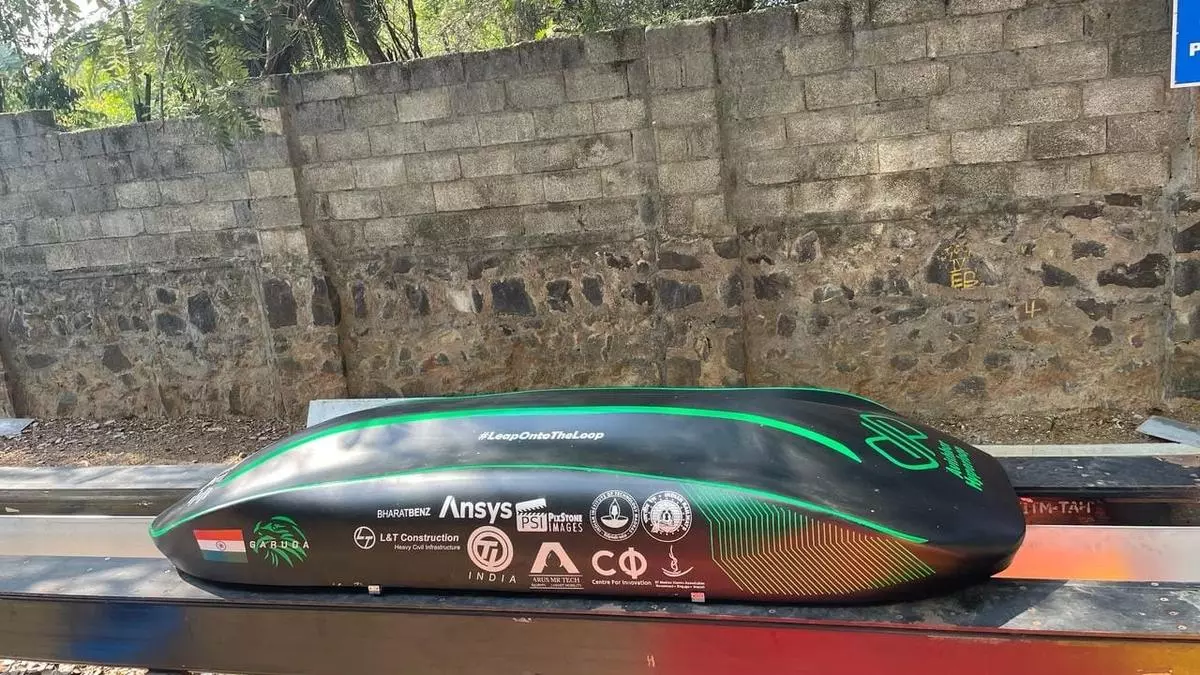
The Dhirubhai Ambani Scholarships launched in 1996, and Reliance Foundation Scholarships launched in 2020, have reached over 28,000 youth across India till date, enabling them to pursue higher education, progress to leadership positions and boost their professional growth, the release said.

  • Also read: Trump asks US Supreme Court to halt ban on TikTok

Shashidhar Nanjundaiah receives 2024 Leadership Award from PRSI

No Comments

The Public Relations Society of India (PRSI) has conferred its Leadership Award for 2024 on Shashidhar Nanjundaiah, Professor and Dean of the School of Digital Media and Communication at Mahindra University in Hyderabad.

“He has been selected for the award for his work in propagating higher education in media, communication, and allied areas like public relations. Chhattisgarh Deputy Chief Minister Vijay Sharma gave away the award at the PRSI’s 46th All India Public Relations Conference held at Raipur recently,” a press release said.

“His work in higher media education and balancing the interests and aspirations of media education and the profession makes him special,” Ajit Pathak, Chairman of PRSI and a board member of the International Public Relations Association, said.

Before his stint at Mahindra University, Nanjundaiah led and started a few private institutes of media and communication, including Symbiosis Institute of Mass Communication (Pune).

The 68-year-old society has a network of 23 active chapters in the country.

Queen’s University Belfast and Coventry University plan to establish international campuses at GIFT City in Gujarat, India

No Comments

Following Australia, two universities from the United Kingdom — Queen’s University Belfast and Coventry University — have filed applications to set up their respective international campuses at GIFT city in Gujarat.

“Earlier this week, we gave approval to Queen’s University Belfast to set up their campus in GIFT City. This will be the third foreign university to set up a base here. They have big plans and have proposed to start with 800 students,” K Rajaraman, Chairperson of International Financial Services Authority (IFSCA), told businessline. 

Based in Northern Ireland, Queen’s is almost 200-year old and is ranked in the top-200 in the world for impact and sustainability. As a member of the Russell Group, Queen’s is one of UK’s 24 leading research-intensive universities. “The Queen’s University Belfast will start by offering post graduate programme. It has a plan to set up its research arm and also may offer undergraduate programmes,” another official said. Of the 24,000-odd students currently studying in Queen’s, over 1000 are from India.

Coventry campus

The second UK university that has proposed to set up a campus in GIFT City is Coventry University which was established in 1843 and has more than 13,000 international students from 160 countries. This University already has branch campuses in Egypt, Poland, Morocco and Kazakhstan. The university had launched its “India Hub” at Delhi in March 2024 which collaborates with the Indian government, academia and industry to tackle global challenges such as climate change, economic development and health issues.

The IFSCA unveiled its International Branch Campus Regulations in October 2022, permitting India-branch campuses of foreign universities to repatriate funds in a relaxed regulatory environment. As per the IFSCA regulations, all transactions undertaken by the universities will occur in freely convertible foreign currency and the infrastructure conditions which are applicable to other India-based universities will not be enforced within GIFT City. These foreign entities have been permitted to offer courses that include research programmes in financial management, fintech, science, technology, engineering and mathematics.

Two Australian universities have already started their international campus in GIFT City. In January 2024, Deakin University became the first foreign university in India to open an international campus at GIFT City. In July, it welcomed the first batch of 45 students for a post graduate course in business analytics and cyber crime. The students are from Gujarat, Maharashtra, Delhi, Chennai and Bengaluru. In November 2024, University of Wollongong (UOW) became the second Australian University to open a similar campus. UOW is offering courses in Master of Financial Technology.

Foreign university norms

Foreign universities are granted GIFT IFSC registration for a period of five years. This can be renewed for an additional period of five years. Those universities that have secured a position within top-500 in global overall ranking or subject ranking in latest QS World Universities ranking can only apply for setting up a campus in GIFT City. Institutions that are “reputed” in its home jurisdiction are also eligible to set up a campus in GIFT City.

AP Govt to fill 3,300 vacant teaching positions in universities

No Comments

Andhra Pradesh Government is working on taking up recruitment of 3,300 teaching positions in the 17 universities in the State soon.

The scrutiny of applications for Vice-Chancellors (VCs) of the universities is currently under process and filling vacant teaching positions in the universities will be taken up after completion of VC appointments, according to official sources. 

There has been no recruitment in the State universities for over a decade. Even though the previous YSR Congress Government had initiated a new common process of recruitment for all vacant university positions, the process ran into legal tangles on the allegations of irregularities as well resistance from some universities with an argument that a degree of autonomy should be enjoyed by the universities in recruitment for positions in higher education, especially those above assistant professor cadre. 

The new NDA government is also in the process of streamlining university management with an aim to keep universities away from politics. Last week, a noted academician Professor Madhu Murthy, currently a member of the Warangal NEET Board of Governors, was appointed as Chairman of Andhra Pradesh Higher Education Council.

This also clears the way for the appointment of VCs and other measures to strengthen state universities as the APSCHE Chairman Post was vacant for almost five months following the resignation of as the previous chairman Hema Chandra Reddy after the YSR Congress Party lost mandate in the state assembly elections held in May this year.

Optimism in Indian job market: Upcoming B-School placements set for 15-20% salary hike

No Comments

Pointing to the “optimism” in the job market in India, Shantanu Rooj, founder and CEO of TeamLease EdTech feels that the upcoming placement season in India’s top B-schools is expected to fetch salary packages that are 15-20 per cent higher than the average salaries the previous year.

“Because of the global situation and political uncertainty, the IT sector which was one of the largest employers, was not hiring for the last six quarters. But our research says that in a quarter or two the industry is going to return to the job market scouting for fresh talent. Like the IT sector, most sectors are growing and willing to hire. Our research also says that we are expecting a hike of 15-20 percent in average salaries that were pocketed by B-school graduates the previous year. Offers from IT, Consulting. E-commerce and Startups will be among the biggest employers for B-school graduates,” says Rooj during an interaction with businessline 

  • Read:Robust final placements at top B-schools allay fears of slowdown in hiring

According to him, the average salary packages in the top IIMs in the country range between ₹30-35 lakhs. “In the newer IIMs like IIM-Ranchi, IIM-Raipur, IIM-Bodh Gaya or IIM-Udaipur, the average salaries stand far lower at ₹15-20 lakhs. The good quality management colleges like IMT Ghaziabad or FMS Delhi or XLRI Jamshedpur or MDI in Gurgaon attract a good number of employers offering good pay packages. For instance FMS Delhi this highest package was Rs one crore-plus and their average around is ₹40 lakhs.” he added. The current job market shows high demand for roles in digital marketing, product management, business analytics, and consulting. Positions such as Data Analysts, product managers, digital marketing specialists and management consultants are sought after. 

Earlier this month, Professor Vishwanath Pingali, Chairperson (Placements), IIMA, had told businessline that the institute was “cautiously optimistic” about the upcoming placement season as some of the recruiters at IIMA were reassessing their workforce requirements, which were lower than what the firms had predicted at the beginning of the year.

  • Read also: Why can’t B-schools forecast MBA demand better?

Rooj from TeamLease EduTech felt that some sectors, like FMCG, have slowed down. “In the FMCG sector, the urban consumption story has slowed down. However, since the last few quarters there has been talks about rural consumption going up and this will drive a lot of growth in the FMCG sector. This growth will in turn drive hiring for fresh talent from B-schools,” he said, adding that the third-quarter results of Indian companies will usher in “bullishness” in the Indian job market. 

PhysicsWallah signs ₹1,000 crore deal with Andhra Pradesh government to set up varsity of innovation

No Comments

The Andhra Pradesh government and EdTech company PhysicsWallah have signed an agreement to set up a University of Innovation (UoI) at an investment of up to ₹1,000 crore.

The UoI is set to emerge as the first institute of eminence in the state and aligns with Chief Minister N Chandrababu Naidu’s aim to provide the state’s youth with education in Artificial Intelligence (AI) and other emerging technologies.

“We are committed to investing up to ₹1,000 crores by GSV Ventures – US and other investors, the purpose is to create an institution that combines academic learning with industry relevance. The UoI will help learners with the skills they might need in a constantly evolving job market, in an attempt to foster entrepreneurship and innovation,” said PhysicsWallah founder and chief executive Alakh Pandey in a press release on Friday.

  • Also read: Ex-Indian cricketer Robin Uthappa faces arrest over provident fund fraud

The UoI will work towards blending academic excellence, innovation, and research, focusing on addressing key challenges in education and employability.

Following a hub and spoke model, the varsity will serve as a central hub with satellite centres across the southern state serving as spokes.

Further, in a bid to keep the curriculum aligned with the market, PhysicsWallah is collaborating with industry partners like Amazon Web Services India Pvt Ltd to provide industry-relevant education.

IT Minister Nara Lokesh added that the partnership with the EdTech company aims at advancing innovation and equipping Andhra Pradesh’s youth with skills which align with industry demands and standards.

  • Also read: BIMARU states turn the tables as MF AUMs in smaller states grow faster

Physics Wallah signs MoU with Andhra govt to build AI-focused Institute Of Eminence

No Comments

The Government of Andhra Pradesh (GoAP) and edtech major Physics Wallah (PW), have signed a Memorandum of Understanding (MoU) to establish the University of Innovation (UoI).

The University of Innovation will work towards blending academic excellence, innovation and research. Its focus is to address key challenges in education and employability.

Hub-and-spoke model

The initiative will follow a hub-and-spoke model, with the university serving as the central hub and satellite centres across Andhra Pradesh acting as spokes. This approach is an attempt to provide students from diverse backgrounds and regions access to contemporary, hybrid education that combines online and in-person learning experiences.

Alakh Pandey, Founder & CEO, PW said, “We are committed to invest up to ₹1,000 crore by GSV Ventures – US and other investors, the purpose is to create an institution that combines academic learning with industry relevance. The UoI will help learners with the skills they might need in a constantly evolving job market, in an attempt to foster entrepreneurship and innovation.”

The university will also attempt to leverage technology, including AI-driven tools and adaptive learning platforms, to ensure personalised learning experiences for all students. PW is also collaborating with industry partners like Amazon Web Services (AWS) India to provide industry relevant education.

Founded in 2020 by Pandey and Prateek Maheshwari, Physics Wallah currently operates offline and hybrid centres in more than 105 cities in India. It also claims to offer free education to over 4.6 crore students through its 112 YouTube channels in five vernacular languages.

The edtech start-up has now set its eyes on listing on the stock exchanges next year. It recently raised $210 million in its Series B round led by Hornbill Capital at a post-money valuation of $2.8 bn.

Student Tribe partners with Marut Drones to empower future drone pilots

No Comments

Student Tribe, an online student community with 6.50 lakh members in eight cities, has partnered with Marut Drones to expose students to opportunities in drones and drone technology.

“It’s a comprehensive ecosystem designed to transform how students learn, engage, and build careers in emerging technological fields,” Charan Lakkaraju, Founder & CEO of Student Tribe, said.

The collaboration would offer structured learning beyond traditional academic curricula, besides providing networking opportunities with industry experts.

The duo would organise an annual Drone Fest where students can interact with technology and showcase their potential.

Marut Drones, a DGCA-approved Remote Pilot Training Organisation (RPTO), will offer a five-day Drone Pilot Training (RPC) workshop. The workshop will cover flight simulator training and drone flying practice, hands-on field experience, solo field flying tests, and DGCA certification upon successful completion.

Mahindra University launches School of Hospitality Management

No Comments

Mahindra University has launched School of Hospitality Management, offering a new B.Sc. (Hons.) in Culinary and Hospitality Management. The four-year programme will commence in the next few weeks with 30 seats, followed by a regular session in August 2025 with 60 seats.

The programme would also focus on emerging areas like culinary innovation and technology-driven customer experiences.

“With the hospitality sector expected to generate significant employment opportunities, this new school marks a significant development in hospitality education in the country,” Yajulu Medury, Vice-Chancellor of Mahindra University said.

He said the university would invest ₹70 crore to build infrastructure, including kitchens, to equip the students with hands-on skills.

The university, which is promoted by the Mahindra group, would use the network of Mahindra Holidays to train the students in various aspects of hospitality management.

The School boasts partnerships with renowned institutions like Virginia Tech and Conrad N. Hilton College.

Chef K. Thirugnanasambantham, Dean of the new school, said students would be exposed to newer technologies such as AI which would enhance the customer experience. 

The school charges a fee of ₹4 lakh year for the course.

MAHE climbs to 401st in QS Sustainability Rankings 2025, secures top 10 spot in India

No Comments

Manipal Academy of Higher Education (MAHE) is ranked 401st in the ‘QS Sustainability Rankings 2025’ among 1,751 institutions ranked globally. In the previous ranking, MAHE was placed at 576th.

MAHE is ranked 74th out of 661 Asian colleges, up from 139th the previous year. MAHE has moved up from 13th place to ninth place out of 78 institutions in India, securing its place among the top 10 universities in the nation. MAHE is currently India’s second-ranked private institution in the ‘QS Sustainability Rankings 2025’.

Quoting Lt Gen MD Venkatesh, Vice-Chancellor of MAHE, a media statement said: “This recognition is a testament to MAHE’s unwavering dedication to integrating sustainable practices into our academic programmes, research initiatives, and institutional operations. Our focus on addressing global challenges through education and innovation has been the driving force behind this success. It is heartening to see our efforts acknowledged on such a prestigious platform, and I extend my gratitude to every member of the MAHE community for their contributions.”

The QS Sustainability Rankings assess institutions on a wide range of sustainability metrics, including environmental impact, social responsibility, research excellence, and the integration of sustainable practices across operations.

One of the key factors contributing to this success is MAHE’s commitment to research that addresses pressing global issues, it said, adding, MAHE has invested significantly in interdisciplinary research centres focused on areas such as renewable energy, climate change, healthcare innovation, and sustainable urban development.

MAHE has implemented green campus initiatives, including solar energy installations, waste management systems, water conservation efforts, and sustainable building practices. These measures have reduced the university’s environmental footprint, it said.

MAHE aims to scale up its research efforts, engage more actively with global sustainability networks, and empower its students to become change-makers in their respective fields, the statement added.

–EOM–

MCC-MRF Innovation Park inaugurated at Madras Christian College

No Comments

Udhayanidhi Stalin, the Deputy Chief Minister of Tamil Nadu, inaugurated the 45,000 sq. ft. MCC-MRF Innovation Park on the Madras Christian College (MCC) campus. This facility was established with ₹30 crore in funding from the Chennai-based MRF Foundation.

The MCC-MRF Innovation Park is an initiative designed to promote innovative research, support start-up ventures, and nurture emerging talent. Its mission is to foster creativity, enable ground breaking ideas, and empower the next generation of entrepreneurs and innovators.

The Park will focus on key areas such as business analytics, nanomaterials, big data analytics, computational informatics, and healthcare and digital solutions.

During the inauguration, Udhayanidhi Stalin highlighted Tamil Nadu’s ambitious goal of supporting over 5,000 start-ups in the coming years. “I am confident that this innovation park will contribute to the creation of hundreds of start-up companies, boosting Tamil Nadu’s economy and elevating India’s economy to the next level,” he said.

First innovation centre

The Deputy Chief Minister also lauded the initiative, noting that it is the first innovation centre in the country to be set up at an arts and science college, spanning an impressive 45,000 sq. ft.

The Innovation Park will also feature an amphitheatre, pavilions, and multi-purpose spaces for hosting cultural events, seminars, and workshops. It will include co-working spaces to encourage collaboration among innovators and entrepreneurs, fostering creativity and cultural exchange.

K M Mammen, Chairman of the MCC Association & Board of Directors and Chairman of MRF Limited, stated that the collaboration between MCC and MRF as a strong example of how partnerships between institutions can create lasting opportunities. “The MCC-MRF Innovation Park represents a unique chance to nurture future leaders and innovators by offering access to advanced resources, expert mentorship, and a platform to transform ideas into impactful solutions,” he said.

T M Anbarasan, Tamil Nadu Minister for MSMEs, Arun Mammen, Vice Chairman of MRF and P Wilson, Principal & Secretary of the MCC Association, among others were also present at the inauguration.

RRU & IICA launches masters in Financial and Economic Crimes for professionals

No Comments

Rashtriya Raksha University (RRU) in collaboration with Indian Institute of Corporate Affairs (IICA) has launched the Masters in Financial and Economic Crimes for working professionals.

  • Read more: Brane Services, RRU join hands for drone robotics centre in Gujarat

This programme offers a comprehensive curriculum that equips participants with advanced knowledge and practical skills to tackle financial crimes, stated an official release on Thursday. It provides a global perspective on legal frameworks and emerging technologies, enhancing investigative and analytical capabilities.

With a blended learning approach and real-world exposure, graduates are prepared for leadership roles in law enforcement, regulatory bodies, and the financial sector. 

The programme also offers valuable networking opportunities and access to an esteemed alumni community, empowering professionals to safeguard economic stability and integrity, the release added.

Job offers galore at engineering colleges from IT companies and GCCs

No Comments

Campus placements are showing positive momentum at engineering colleges this year, with top information technology service providers and Global Capability Centres (GCCs) vying with each other to hire freshers. Colleges report robust job offers this year, up almost 50-60 per cent at the same time last year.

businessline reported in November that top four IT firms recorded positive net hiring for the first time in two years as employee utilisation rises and new projects pick up. The same continues in December as the placement drive picks up pace.

At the Vellore Institute of Technology, 10,458 offers were made this year by 409 companies; GCCs accounted for half of them. Still, 6,000 students are yet to be placed. Comparatively, 8,000 offers were made in 2023, said a source.

For instance, TCS has offered 3,912 offers this year compared to 1,000 last year; Cognizant (850); Infosys (650) and MindTree (540) as against 200 to 300 last year.

Some of the top multinationals and GCCs who offered jobs at VIT included Microsoft, Amazon, PWC, Deloitte, KPMG, Bank of America and HSBC, the source said. Nearly 50 per cent of hiring was from GCCs, the source said.

At SASTRA University in Thanjavur, 1,860 offers were made from around 100 recruiters. Over 50 recruiters have agreed to visit the campus in the next 1-2 months, said a source. Recruiters are very cautious in their selection and are keen to select the best. However, the bulk recruiters are not giving offers as they did before Covid. “We are very positive and confident that in the even semester (January-June) we will get a good number of offers and will reach our annual target as usual,” the source said.

A source at Anna University said the placement numbers are identical to last year. The number of students getting more than ₹20 lakh salary has increased significantly. “We have requested service industries to have a second round of selection preferably in March to recruit all our students,” the source said.

Sriram Rajagopal, co-founder, Diamondpick, a recruitment solutions provider, said placements have been better than last year in engineering campuses. “Most IT services companies have maxed out on utilisation and are hiring for attrition backfill and new growth. IT spending is showing signs of improvement,” he said.

Monica Jamwal Managing Director, Talent Solutions, ANSR, said that GCCs, specifically mature ones, plan to hire 50% more freshers compared to last year across functions. “GCCs are extending up to 30% higher salary offers than homegrown IT services firms,” she added. As per ANSR Research, 5-10 per cent of GCC hiring each year comes from college campuses. 

According to Rajesh Kumar, co-founder & CEO, Kalvium, an education and skilling platform, the quantum of job offers seen currently were reached only in February/March last year as GCCs and product companies have offered more jobs and IT services hiring too has picked up. “GCCs are offering both level-1 jobs (basic profile that freshers would do in services firms) and also higher-level jobs that involve deeper algorithmic problem-solving skills,” he added.

Veranda Learning to raise ₹250 crore via preferential issue for strategic acquisitions

No Comments

Chennai-based Veranda Learning Solutions, an end-to-end solutions provider in the education space, will raise ₹250 crore through a preferential issue. The funds raised will be directed toward acquisitions, deferred consideration payouts, and growing its existing business. This preferential raise is part of the broader fundraising plan to be completed this financial year.

The company announced its plan to acquire a 51 per cent stake in BB Publications Pvt Ltd (BB Virtuals) for ₹126 crore and a 65 per cent stake in Navkar Digital Institute Pvt Ltd for ₹46 Crores. According to a release, these acquisitions will strengthen Veranda’s CA/CMA coaching offerings and strengthen its position as a leader in commerce education throughout India.

This fundraising equips Veranda with a capital base to drive the next phase of growth and demonstrates investors’ confidence in the vision and our potential for growth. The company is on track to close all acquisitions this financial year, and no further equity dilution in Veranda Learning is expected beyond this financial year, said Kalpathi S Suresh, executive director and chairman of Veranda Learning.

Veranda Learning’s share price closed at ₹271.50 on Wednesday, up ₹17, or 6.68 per cent.

IIM Kozhikode, SAIL signs MoU for collaborative learning

No Comments

The Indian Institute of Management Kozhikode (IIMK) and the Management Training Institute (MTI) of Steel Authority of India Limited (SAIL), has signed an MoU to foster collaboration in academic activities and human resource development interventions.

The MoU was signed by Sanjay Dhar, Chief General Manager, MTI-SAIL, and Julius George, Head (Admin & HR), IIM Kozhikode. The partnership will enable both institutions to leverage their expertise for capacity-building, knowledge sharing, and skill enhancement, said a press release.

  • Also read: Adani Power seeks lifeline for troubled power plant amid Bangladesh payment delays

Key areas of collaboration include organizing long and short-duration training programmes for SAIL executives; Joint research, case studies, conferences, and consultancy activities; certification programmes and customized learning solutions; Faculty exchange and academic support for mutual growth.

The MoU also envisions exploring emerging opportunities, projects, and joint initiatives that capitalize on the strengths of both organizations.

Nischal’s launched AR, VR-based content for students

No Comments

Nischal’s Smart Learning Solutions Pvt. Ltd. (nischals) has unveiled two products – an AI-powered Augmented Reality (AR) app for students in grades 6 to 12, and Virtual Reality-powered 3D E-Books designed for primary students in grades 1 to 5.

Nischal’s Lens uses AI and AR to turn traditional learning materials into interactive tools, offering over 35,000 videos and more than 28,000 3D animations and simulations. The app integrates the Emi Knowledge Graph, providing an interdisciplinary learning experience. 

The VR-powered 3D E-Books offer a strong academic foundation for primary students, featuring over 1,000 simulations, over 150 hours of 3D animated videos, and over 100 IQ development games, according to Nischal Narayanam, Founder of Nischal’s Smart Learning Solutions, said.

The company’s products are used in over 5,000 schools, impacting more than 1 million students globally. 

“Developed after five years of research, Nischal’s Lens serves as a personal tutor in the palm of every student’s hand, offering a vast library of content, leveraging cutting-edge technology, and seamlessly integrating them with school curricula,” Nischal said.’

  • Also read: 70% of Indian workers seek upskilling, highlighting urgency to reskill

Institute of Eminence status making a qualitative shift in UoH: VC B J Rao

No Comments

The status of the Institution of Eminence (IoE) and the execution of programmes under the initiative has made a qualitative difference to the University of Hyderabad (UoH), according to its Vice Chancellor, Prof B J Rao. 

“We have been implementing various programmes under the IoE for more than three years and it is a project where spending is entirely goal oriented and results oriented,’‘ Rao told businessline. 

The Union Government had accorded IoE status to UoH in September 2019, in recognition of its standing, ability and potential to move into the league of the world’s best institutions.

The IoE tagline ‘national needs, global standards’ is to be geared towards academic, financial and administrative support for all its stakeholders, faculty, students and non-teaching staff. As part of Its UoH has earmarked special funds for implementing various initiatives. 

“The university views IoE as a good opportunity in its history to leverage its existing reputation, practices and services to catapult itself into the best and highest leagues globally. We have spent ₹450 crore so far on achieving IoE goals,’‘ the Vice Chancellor said. 

  • Also read: Nischal’s launched AR, VR-based content for students

The objectives of UoH in implementing IoE include sprucing up of infrastructure, securing high-end equipment for various laboratories of different departments, building new infrastructure and encouraging research projects of the faculty by extending funds. 

“Most of our infrastructure and lab equipment were almost 50 years-old. Similarly, there is a need to encourage research projects of the faculty and their exposure to create an ecosystem of innovation, entrepreneurship and translational research among the students and faculty members through start-ups and public-private partnerships,’‘ Rao said. 

A substantial part of IoE funds of ₹450 crore spent so far went into creation of new infrastructure including hostel, upgrading of equipment and research support.

“More than 200 faculty have been benefited so far by way of IoE research funding so far. We are also providing ₹1 lakh travel assistance to attend seminars and conferences abroad if abstracts/research papers are accepted in foreign countries,’‘ the Vice-Chancellor said. UoH has also lined up renovation of existing student hostels and employee quarters apart from adding new ones.

The initiative is helping in facilitating exposure of UoH faculty to their international counterparts, Rao said adding that the focus was also on supporting students and research scholars from the socially-disadvantageous sections by extending non-NET fellowships.

“We have touched almost all stakeholders of the university with IoE support and are now drawing up plans for the non-teaching staff.

On the impact of the IoE status and initiatives being taken, Rao said: “There has been visible positive impact already. I also believe that there will be greater impact in the long term even after I leave the system.’‘

  • Also read: Markets tread water amid global economic uncertainties 

“Will benefit a large number of students”: PM Modi after cabinet approves opening of 85 KVs

No Comments

After the cabinet approved the opening of 85 new Kendriya Vidyalayas (KVs), Prime Minister Narendra Modi on Saturday said that this decision will benefit a large number of students and create many employment opportunities.

Talking to social media X, PM Modi wrote, “Our government has taken another big decision to make school education as accessible as possible. Under this, 85 new Kendriya Vidyalayas will be opened across the country. While this step will benefit a large number of students, it will also create many new employment opportunities.”

On Friday, the Cabinet Committee on Economic Affairs, chaired by PM Modi approved the opening of 85 new Kendriya Vidyalayas (KVs) under the Civil/Defence sector across the country.

It also decided to expand KV Shivamogga in Karnataka to facilitate increased number of Central Government employees by adding two additional Sections in all the classes under the Kendriya Vidyalaya Scheme.

The total estimated requirement of funds for the establishment of 85 new KVs and expansion of 01 existing nearby KV is ₹5872.08 crore (approx.) spread over a period of eight years from 2025-26. This includes a capital expenditure component of ₹2862.71 crore (approx.) and operational expenditure of ₹3009.37 crore (approx.), according to an official release.

As on date, there are 1256 functional KVs, including 03 abroad viz. Moscow, Kathmandu and Tehran and a total number of 13.56 lakh (approx.) students are studying in these KVs.

The administrative structure for implementing the project will require creation of posts at par with the norms fixed by the Sangathan for running of one full-fledged KV with a capacity of approximately 960 students. Hence, 960 X 86 = 82560 students would benefit.

As per norms in vogue, a full-fledged Kendriya Vidyalaya provides employment to 63 persons and accordingly, approval of 85 new KVs and the expansion of one existing nearby KV, which will add 33 new posts, a total of 5,388 direct permanent employment opportunities will be created.

Construction and allied activities associated with augmentation of various facilities in all KVs are likely to generate employment opportunities for many skilled and unskilled workers.

Unacademy CEO denies sale rumours, focuses on long-term growth

No Comments

Unacademy CEO and co-founder Gaurav Munjal said the edtech company is not looking for ‘any sale or M&A’ reaffirming its commitment to long-term growth.

“We are not doing any Sale or M&A. Ignore the rumors,” Munjal said in his LinkedIn post. This statement comes amid reports of Unacademy being in advanced discussions with Allen Career Institute for a potential $800 million deal.

He said that 2024 will be the company’s best year in terms of growth in the offline business and overall unit economics.

He outlined that the company’s offline test preparation segment saw 30 per cent growth, accompanied by substantial improvements in unit economics.

While the online test preparation business experienced degrowth, the company successfully enhanced its unit economics, signalling a shift toward operational efficiency, he noted.

Unacademy’s group-level cash burn has decreased by 50%, a critical step in aligning the business towards profitability.

The company reported healthy cash reserves of $170 million, with no debt and a runway exceeding four years, positioning it strongly in the competitive edtech market.

Munjal also highlighted growth in its other business arms. Graphy, a creator-focused platform, achieved a 40 per cent increase in business while remaining profitable. Additionally, Airlearn, a recently launched US-based venture, has surpassed an annual recurring revenue (ARR) of $400,000 within just a few months of its launch.

Founded in 2015 by Gaurav Munjal, Hemesh Singh and Roman Saini, Unacademy started as an online test preparation platform. Since then, it has expanded to offline or hybrid learning. The company laid off 250 employees earlier this year as part of a restructuring exercise to become profitable.

‘No dearth of jobs in the US for Indian students’

No Comments

Indian students and parents are growing increasingly anxious about their future prospects in the US, amidst reports of a depressed job market and scarce internship opportunities. The impending presidency of Donald Trump, known for his tough stance on immigration, has further compounded their concerns. Representatives from top US universities, however, claim that there is no dearth of job opportunities for Indian students.

Chell A Roberts, Dean of Shiley-Marcos School of Engineering at the University of San Diego, expressed optimism about job prospects for Indian students in the US during the Trump administration.

His comments came as a respite for Indian students and parents , amidst reports of a depressed job market and scarce internship opportunities.

He referenced Trump’s campaign promise to offer green cards to international students graduating with tech degrees from American universities. He further suggested that the Trump administration had been receptive to India, citing the appointment of several Indian-Americans to positions of power. He concluded that, Indian students would likely continue to find opportunities in the US.

Kathryn Graddy, Dean and a Professor in economics at the Brandeis International Business School, seconded Chell’s views. She acknowledged concerns about the administration’s focus on illegal immigration but believed that the need for qualified workers would outweigh potential negative implications for Indian students.

They are here, along with other representatives from several US universities, to take part in the second edition of GradRight’s flagship event, ShiftED 2024. Over 4,000 students, 8 financial partners, 24 leading foreign universities, and industry leaders are taking part in the two-day event.

Replying to a question on concerns about the reported poor job openings in the US, Claire Almand – Associate Director of Marketing of education financing firm MPower, said that there was a distinction between undergraduate and graduate students. While acknowledging the challenges faced by undergraduate students, she said that graduate students, particularly those pursuing advanced degrees, continued to find success in the US job market.

Stating that the US economy is performing well, Kathryn said that Indian students often excel in these areas, making them highly sought-after in the job market. “Indian students work hard. We have a 97 per cent placement rate for Indian students in the US, and 100 per cent of their graduates secure jobs,” she said. 

She does not anticipate this positive trend changing, emphasising the continued need for technically skilled professionals in areas like finance, business analytics, and AI. 

There are not enough US students pursuing advanced degrees in these fields, creating significant opportunities for international students. 

Chell pointed out that the job market for technical professionals is strong,” despite fluctuations in the tech sector. “The placement rate for engineering students is 97 per cent. Streams like cybersecurity are in high demand, noting that students with a good GPA are quickly hired. 

“Students who are highly skilled and attend reputable institutions have excellent chances of securing employment,” he said.

IIT-M Pravartak & Cambtech launch skills courses in Supply Chain & Logistics

No Comments

IITM Pravartak Technologies Foundation is collaborating with Cambtech Training and Placement firm to offer certification programs in Supply Chain and Logistics Sector.

The courses are designed to provide students with a simulated environment (Virtual Office), giving them a real-life simulation of the actual work environment throughout the courses. An Artificial Intelligence platform will provide the students with a virtual corporate environment for carrying out various financial transactions in real time.

The First Batch of this course will commence on 1st January 2025. The Last Date to register for this batch is 25th December 2024. Interested candidates can register through the following link – https://digitalskills.iitmpravartak.org.in/courses.php

The Certified Programmes will be offered in Supply chain management, Chartering Practice, Port and Terminal management and International Liners Trade. A certificate will be issued by Cambtech and the knowledge partner IITM Pravartak on the completion of the course. Cambtech Training and Placement is a premier group in skilling in the engineering industry, says a release.

Mangala Sunder, Founder, Digital Skills Academy – IITM Pravartak, said the objective of these courses is to provide graduate students from Indian academic institutions and employees in multiple industrial sectors, with the necessary skills towards employment or reskilling in the relevant sectors and make them industry and job-ready.

In addition, the trainers will cover multiple areas through large problem sets and hands-on training, which will also help the students to face competitive examinations in the Supply chain and Logistics sector well and with confidence.

Vaishnavi B Iyer, Founder and CEO, Cambtech, said, upskilling is a need of the hour for every aspiring and ambitious candidate to get constructive placement in the fields of Supply Chain and Logistics. The virtual learning platform designed by Cambtech will provide a unique and exclusive training environment for the same through various modes.”

India is at the forefront of the AI upskilling global trend, says Udemy’s Vinay Pradhan

No Comments

Recognising the growing enterprise interest in AI upskilling, Vinay Pradhan, Country Manager and Senior Director for Udemy in India & South Asia, and Caoimhe Carlos, Vice President of Global Customer Success at Udemy, discussed India’s approach to AI skilling, the technology’s role in bridging the country’s skill gap, and Udemy’s future plans for the Indian market in a conversation with businessline.

How is the demand for AI upskilling in India? 

Vinay Pradhan: India is at the forefront of the global trend towards AI upskilling. We track the trends in terms of skills that people across the globe access, and if you look at 2024 trends or towards the end of 2023 trends, Gen AI specifically and AI overall did see an upward trend and that still continues.

Caoimhe Carlos: What we have seen happen in the last 12 months is a shift around the kind of AI upskill in demand. In the beginning, there was a lot of demand around technical competency like how do you build large language models. Now, there’s a higher demand for AI productivity course content both on a global level and on an Indian level. At a global level we are now seeing 8 enrolments per minute in our gen AI content every day, and India is actually our second largest market for AI consumption. In terms of AI adoption, we certainly see India’s demand for AI upskilling as the highest. Even the India government was one of the first to have an AI strategy back in 2018.

People often talk about skill gaps and the digital divide. How does the entry of AI impact the skill gap? Can it widen?

Vinay Pradhan: AI is actually been a sort of a boon in terms of ability to bridge skill gaps in a more targeted way. In the past, most approaches sort of broadly applied to a large group of people, but those individual differences would still be there in terms of gaps. It’s always a combination of skills at the end of the day. So with AI now, the nuanced gaps in skillsets are being addressed.

Caoimhe Carlos: India is actually probably ahead at filling the skills gaps versus other regions that we would work with. As the demand for AI skills has increased, there’s been a similar increase in demand for very specific soft skills. Things like communication, creative thinking, problem solving, those are skills that become more important for humans as AI drives productivity and efficiency. The strategic differentiator for humans then becomes our ability to effectively communicate and think creatively, things that AI can’t do today.

What roles do Udemy’s instructors play here? Do you see them staying here for a long time or AI will be replacing them in the future?

Vinay Pradhan: I think we’re very much of the opinion that humans have a very deep connection to learning from other humans. AI today is capable of driving some efficiencies, but we really believe that technology can’t replace a subject matter expert who’s got deep expertise teaching somebody else that skill set. What we’ve built is a marketplace where we’ve got 75,000 subject matter experts who are highly skilled in their domains. We can use AI technology to help make the learning experience better, but we don’t believe that AI is going to be a replacement for human-to-human or instructor-led training.

Caoimhe Carlos: We’re also leveraging AI to help our instructors build better courses. But we don’t see a world where instructors go away. Well, who knows what AI will bring in the next 10 years but not right now.

How does the leveraging of AI for upskilling impact costs?

Caoimhe Carlos: When AI was launched, there was a lot of concern about the cost of leveraging large language models. But the cost of running AI and large language models has actually decelerated at one of the fastest rates of any technology of all time. So actually, the cost impact of leveraging AI is nowhere near as dramatic as the industry expected at the time when AI came out. So I think that perspective has shifted a little bit for the market.

Is Udemy planning to collaborate with any universities or any entities in India?

Vinay Pradhan: We’ve seen with the New Education Policy, a shift in terms of the fact that a large chunk of educational credits are now going to be dependent on students acquiring industry-ready skills, which is where we believe we come in with a very significant differentiator, because our content that we bring in comes from almost about 75,000 global experts and subject matter experts in different skill areas, and they’re all practitioners. We also have no plans to collaborate with schools but we do see some kids accessing marketplaces to learn our courses.

Caoimhe Carlos: They are not academicians, they’re practitioners, and hence the applied part of the skill is something which the students will be able to acquire. So while we presently do not have a university-specific sort of a product or a plan to really collaborate with a university to come up with something, our existing product itself is actually something which can cater to that need.

What are Udemy’s plans for India going forward?

Vinay Pradhan: We will continue to support companies as they make a very clear move towards building what’s called a “skills as a currency” because it’s a must-have from a business growth point of view. We want to align more what we do with our customers here in India to helping them achieve those business outcomes. We will also continue to bring in the capabilities that we are constantly enhancing in our platform from an AI point of view as well. We’ve also got a Hindi collection as a part of our offering now. So we are also trying to help expand the coverage. This gives more options to people in India, especially companies that have people in the interior of India, who are more comfortable learning in Hindi.

APFD, APFDC team up with ISB to revitalise forest economies and empower women

No Comments

The Andhra Pradesh Forest Department (APFD), Andhra Pradesh Forest Development Corporation Limited (APFDC) and Bharti Institute of Public Policy at the Indian School of Business (ISB) entered into a strategic collaboration for forest management and community livelihoods in Andhra Pradesh.

A tri-party MoU, which was as part of the collaboration, aims to create a comprehensive Resource Inventory of Seasonal Forest Produces (SFPs) using advanced digital and geospatial technologies. 

“With this MoU, we aim to address challenges in realising this untapped potential with the help of globally recognised institutions such as the Indian School of Business. This collaboration provides us with a new opportunity to develop a strong, scalable model that stands to gain national and international recognition”, Chiranjiv Choudhary, Head of Forest Force, Andhra Pradesh Forest Department said in a release.

According to Ashwini Chhatre, Associate Professor and Executive Director, Bharti Institute of Public Policy, ISB, there is a need to formalise the forest economy as it is informal and unorganised. “The main challenge is the invisibility of the forest economy, which makes it difficult to invest or ensure its sustainability. With our collaboration with the forest department, we can formalise these transactions leading to livelihoods, creating visibility, and tracking progress on the ground and step in as the need arises.”

“The scope of this initiative is broad, and we are certain that this collaboration will not only benefit our forest communities but also promote the culture of scientific forest management,’‘ Rajendra Prasad Khajuria, VC & MD, Andhra Pradesh Forest Development Corporation Limited (AP FDC), said.

Dr Rajendra Singh joins Anant National University as Professor of Practice

No Comments

Dr Rajendra Singh, popularly known as the “Waterman of India,’ has joined Anant National University in Ahmedabad as the Professor of Practice in Community Leadership in Environmental Design.

At Anant, Dr Singh will mentor students through real-world, on-ground projects that foster community engagement and problem-solving skills.

He will lead live-action projects, ensuring that learning extends beyond textbooks. His extensive experience will help Anant enhance the pedagogy through insightful critiques, creating an impactful learning environment, stated an official release, Saturday.

Dr Anunaya Chaubey, Provost, Anant National University, also announced the launch of the Anant Centre for Indigenous Knowledge Systems and Practices, which will be chaired by Dr Singh.

This centre will take a scientific and organised approach to mapping India’s diverse indigenous knowledge systems, including both current practices and those at risk of extinction, from Bhavan Nirman and agriculture practices to water conservation, the release added.

Take ICAR nod before giving permissions to agri colleges, universities: ICAR D-G

No Comments

The Indian Council of Agricultural Research (ICAR), a Union Agriculture Ministry’s arm responsible for agricultural research and education, has cautioned States against the unbridled establishment of new agricultural colleges and universities.

In a letter to Chief Secretaries of States, Himanshu Pathak, Director-General of ICAR, said this trend could impact the country’s agricultural education quality. This proliferation of institutions has led to concerns regarding inadequate infrastructure and insufficient numbers of qualified and experienced faculty.

  • Also read: Kerala to launch insurance scheme to cover entire cattle population

Pathak said the National Agricultural Research and Education System (NARS), which comprises ICAR and State Agricultural Universities (SAUs), played a major role in making India a food surplus nation and improving the quality of agricultural higher education.

“Recently, it has been noticed that the performance of SAUs is affected by the proliferation of universities, including those carved out from the existing universities. These universities were set up without adequate planning, infrastructure, teachers, and meagre allocation of resources,” he said.

Stating that ICAR is the apex body for agricultural education, research, and extension in the country, he asked the States to follow ICAR’s recommendations and obtain ICAR’s permission before granting approvals for the establishment of new agricultural universities or colleges.

  • Also read:Leading automakers set to launch 100% ethanol vehicles: Gadkari

This consultation with ICAR is deemed essential to ensure the new institutions meet the required standards for providing quality agricultural education in terms of infrastructure, faculty, and other necessary resources.

He asked the Chief Secretaries of respective States to take the necessary steps to follow the ICAR directive.

Number of new recruiters at IIMA’s Summer Placement rises over 4 times

No Comments

The number of new recruiters participating in the Summer Placement process for the MBA Class of 2026 in the Post Graduate Programme in Management at IIM Ahmedabad (IIMA) has increased more than fourfold this year.

“This year, there were 51 new recruiters compared to 12 last year,” stated an official release from IIMA on Monday evening regarding the placement process held on November 12, 15, and 18. The new recruiters included BNP Paribas, Cranmore Partners Limited, DE Shaw India, Deutsche Bank, Deutsche Bank AG, EY Parthenon – Singapore, HSBC (Hong Kong), IIFL Securities (Investment Banking), Pkeday Advisors, Roland Berger, Simon Kucher, UBS, Bharat Serums and Vaccines Limited, Bharti Enterprises, Emcure Pharmaceuticals Ltd, and Fast Retailing Japan, among others.

“Given the unique market conditions, the Placement Committee onboarded several new recruiters that the students preferred, which is reflected by the significant rise in applications that the new recruiters had,” IIMA stated. Other new recruiters that attended the Summer Placement process earlier this month included GMR Group, Lodha Ventures, Michelin India Private Limited, Sony Pictures Networks, Trampoline, United Breweries (Heineken Group), Welspun Living, Zydus Wellness, Axis Bank, Black Brix, Boult Audio, Consultadd Services Private Limited, Forbes Marshall, and others.

A total of 159 firms posted job descriptions (JDs), with 125 of them making offers for 147 roles across three different clusters. Professor Viswanath Pingali, Chairperson of Placements at IIM Ahmedabad, stated, “This year, we completed the summer placement process in hybrid mode, during which all the students were placed with offers across multiple sectors and industries. This year once again saw an increase in the participation of firms and the variety of job roles as compared to the previous years. This indicates that the demand for high-quality talent continues to grow and demonstrates the strength of relationships we have built with our recruiters over the decades. At IIMA, we strive to develop future leaders for enterprises and will continue to supply the industry with the country’s most exceptional talent pool of future managers. With our consistent record of producing high achievers, we continued to attract regular as well as new recruiters further strengthening our recruiter pool.”

This year, five students opted out of the placement process to work on their own ventures under the IIMAvericks Fellowship. During the summer placement process, newer-age firms continued to tap into IIMA for their growing talent needs, with exciting start-ups in the financial technology space, such as Zaggle and Progcap, participating. Other prominent start-ups, like Trampoline Store and Boult Audio, also extended two offers each across the cluster process.

ICAI signs MoU with CBSE to enhance commerce-based skill courses

No Comments

The Institute of Chartered Accountants of India (ICAI) has signed a Memorandum of Understanding (MoU) with the Central Board of Secondary Education (CBSE) to promote commerce-based skill courses for students across the country.

The partnership aims to foster cooperation between ICAI and CBSE to advance commerce-oriented skills, specifically in the Banking, Financial Services and Insurance (BFSI) sector. 

The MoU was signed by the Committee on Career Counselling in ICAI with the Department of Skill Education, CBSE.

The prime focus will be enhancing students’ skills and employability through specialised courses aligned with industry requirements.

ICAI will provide expert inputs on course content, syllabus development, study materials, training modules, and career guidance. 

The CA Institute will also conduct enrichment activities and participate in workshops and training sessions organised by CBSE, emphasising sensitising educators and students about career opportunities in accountancy and related fields.
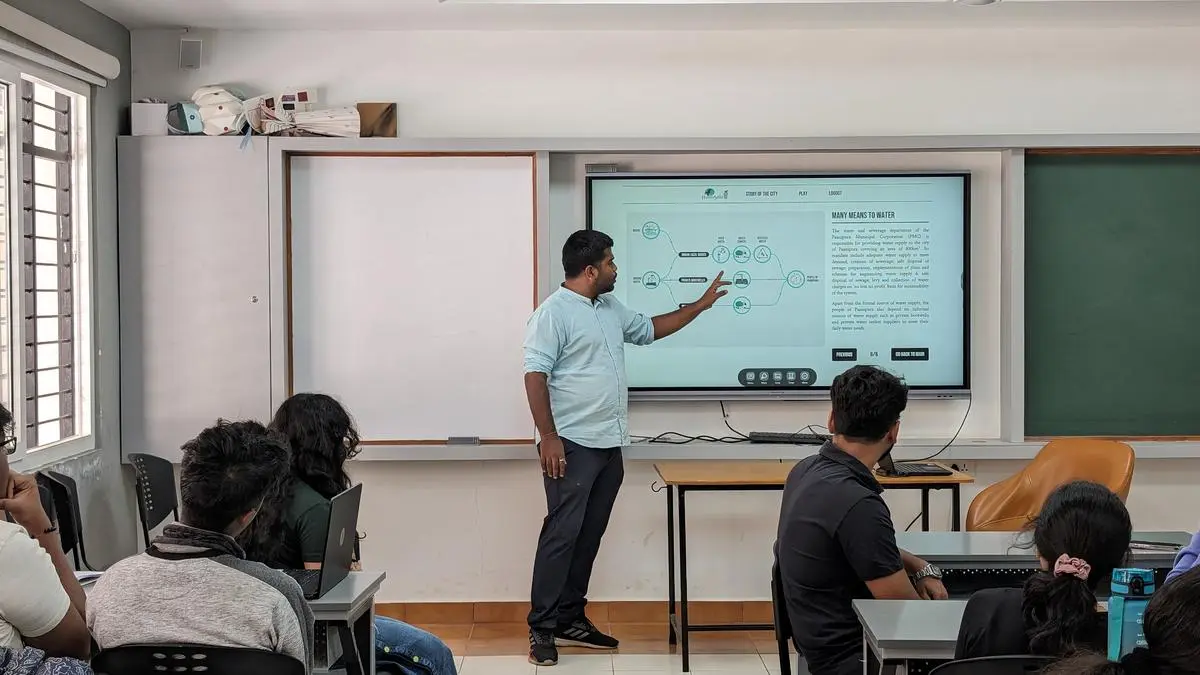
Ranjeet Kumar Agarwal, President, ICAI, said, “The signing of this MoU with the CBSEis a significant step towards enhancing the skill development ecosystem for students across the country. Through this collaboration, ICAI aims to promote commerce-based skill courses and ensure that students are equipped with relevant, industry-aligned competencies.”

This partnership reflects ICAI’s commitment to bridging the gap between academic learning and professional requirements, he said, adding that CA Institute is confident that it will open new avenues for students to pursue rewarding careers in accountancy and finance.

As part of this collaboration, ICAI and CBSE will jointly conduct awareness programs targeting school principals, teachers, and management teams of CBSE-affiliated schools across India. 

The programs will focus on promoting commerce-based skill courses under the BFSI sector and highlight their importance for students’ career development. Additionally, CBSE will organise capacity-building initiatives for teachers of commerce-related subjects to equip them with the necessary skills and knowledge to teach these courses effectively.

The CA Institute actively engages in strategic collaborations with educational institutions . To date, it has entered into 85 MoUs with a diverse range of universities, colleges, and educational organisations. 

These partnerships are designed to foster academic excellence, research innovation, and knowledge exchange, ultimately contributing to developing a highly skilled and educated workforce.

IISR Kozhikode gets NABL accreditation for its labs

No Comments

ICAR-Indian Institute of Spices Research, Kozhikode, has been assessed and accredited by the National Accreditation Board for Testing and Calibration Laboratories (NABL) for its spices quality and organic manure testing laboratories.

IISR said in a release that the recognition is a stepping-stone for quality testing of spices and organic manures as NABL certification is recognized globally, making it more accurate and reliable that meets stringent standards. The streamlined processes reduce turnaround time and also certify ICAR-IISRs commitment to quality.

  • Also read: Foxconn tells India recruiters: Nix marital status in iPhone job ads

In the present-day sustainable farming system goals, quality of the organic manure used is a major factor. The quality parameters moisture, pH, electrical conductivity, total organic carbon content, its nitrogen, phosphorus and potassium contents essentially decide the quality of the organic manures.

With this accreditation, IISR is positioned to support the spice processing industry to provide the essential testing services with respect to the quality parameters like piperine, oleoresin, curcumin, moisture content etc to adhere to regulatory requirements and enhance consumer confidence in spices available in the market. This will help go a long way in ensuring the quality and purity of spices, from a laboratory that meets rigorous standards for quality and competence.

  • Also read: Adani Green back to tap overseas bond markets, Fitch assigns ‘BBB-’rating

There are also plans to pursue NABL accreditation for additional parameters/scope for holistic coverage of regulatory requirements of spices samples.

The scientists associated with the accreditation process are V.Srinivasan,. Shamsudheen M,. Sivaranjani R and technical assistants, Karthika N and Sajina O for sample analysis.

IIM-B says no discrimination even as protestors allege caste discrimination

No Comments

The Indian Institute of Management Bangalore (IIM-B) has refuted accusations alleging there was caste discrimination.

The institute in its official statement said, “The Institute has long prioritised nurturing an inclusive work environment, one that promotes the growth and development of all our stakeholders who come from diverse backgrounds, including SC/ST and OBC communities.”

Furthermore, it denied claims of caste discrimination in recruitment, and said, “Since 2019, over 10 new faculty members from reserved categories (SC/ST/OBC) have joined the institute.”

Earlier on Wednesday, IIMB was accused of caste discrimination, with protesting associations alleging that the institution has specifically targeted faculty members who raised concerns about diversity and inclusion on campus, according to a joint statement issued by the groups.

Protestors sought full implementation of reservation policies at the institute, with specific reference to the lack of roster maintenance.

Additionally, they demanded adherence to constitutional mandates for reservation in admission, recruitment, and promotion for students, faculty, and staff belonging to Scheduled Castes (SC), Scheduled Tribes (ST), and Other Backward Classes (OBC).

Other key demands included the establishment of dedicated grievance redressal cells for SC, ST, and OBC communities, and commitment to creating a safe and inclusive environment for all stakeholders at IIM-B.

The demonstration was organised by the All-India OBC Students Association (AIOBCSA), Dr. B.R. Ambedkar Association of Engineers (BANAE), and the OBC Federation of India at Freedom Park on November 20. The organisations further announced plans to escalate their concerns to the President of India, the Prime Minister, and the Union Education Minister.

  • Also read: IIM Bangalore introduces online BBA programme

IIT(ISM) Dhanbad signs MoU with sentra.world to research on use of biochar for steel making 

No Comments

The Indian Institute of Technology (Indian School of Mines) Dhanbad has signed a Memorandum of Understanding (MoU) with sentra.world, a Bangalore-based sustainability startup specializing in decarbonizing industrial manufacturing, to carry out research that is aimed at decarbonizing the iron and steel industry of the country.

According to a media statement, the collaboration focuses on the application of biochar—an environmentally friendly alternative to coal—within the steel manufacturing process. 

This research will involve characterizing biomass from over 10 Indian states and developing conversion processes to produce high-quality biochar suitable for all steel applications like coke making, sintering, sponge iron production etc.

  • Also read: IIM-B says no discrimination even as protestors allege caste discrimination

This research targets the utilization of approximately 720 tonnes of surplus biomass available across the country, including agricultural residues such as parali (rice husk), forest residues like bamboo, agri-processing waste such as sugarcane bagasse, and invasive species like babool. The initiative aims to curb stubble burning, a major contributor to air pollution, while providing farmers with an additional income stream by monetizing agricultural waste.

With the Indian steel sector contributing 8-12 per cent of the nation’s total greenhouse gas emissions, the adoption of biochar could reduce emissions by up to 40%. 

“This innovative industry collaboration is pivotal for advancing towards Amrit Kaal as envisioned by our Hon’ble Prime Minister and achieving net-zero emissions by 2070,” said Professor Sagar Pal, Dean R&D, IIT (ISM) Dhanbad, in the statement. 

  • Also read: ISB sets up Centre of Excellence for Aerial and Water Robotics jontly with IIIT-Delhi, DRIIV

“With over 50 customers actively seeking avenues for carbon footprint reduction, this partnership marks a significant milestone in decarbonizing hard to abate sectors in thecountry” , said Vikas Upadhyay, Co-founder of sentra.world.

The outcomes of this research are expected to drive product standardization, improve sustainability, and set a global benchmark for innovation in the steel industry. 

IIT Madras Pravartak partners with Codenatives for Salesforce B2C commerce developer training

No Comments

IIT Madras Pravartak Technologies Foundation is partnering with Codenatives, a US-based IT company, to offer Salesforce B2C Commerce Developer training program for professionals. It will be in online mode and have a duration of 70 hours of instructor-led sessions spread across eight weeks besides another 130 hours of hands-on practice, offering a comprehensive learning experience, says a release.

  • Also read: Adani group denies US authorities allegations of bribery

E-commerce continues to evolve rapidly, driven by advancements in technology and SaaS platforms like Salesforce Commerce Cloud (SFCC). Market analysts predict global e-commerce sales will reach $7.96 trillion by 2027, reflecting an annual growth rate of 7.6 per cent, underscoring the demand for skilled SFCC developers.

Registrations will commence on Friday, the release said.`

Salesforce B2C Commerce Cloud Training covers topics like sandbox setup, SFRA introduction, and cartridge configuration, the release said.

  • Also read: Bitcoin hits record $97,000 as crypto seeks direct line to Trump

Codenatives is a company based in Cupertino, California, specializing in customer-centric, technology-based solution services. With a global network of expert consultants, Codenatives delivers impactful solutions tailored to clients’ unique needs. Its India division also provides expert consultation on e-commerce platform selection, legacy system migration, and custom platform development, ensuring businesses choose the best solutions for their needs, the release said.

Tata Technologies signs ₹95.65 crore deal to upgrade Tripura ITIs

No Comments

Tata Technologies Limited has entered into a Memorandum of Agreement (MoA) with the Government of Tripura’s Department of Industries & Commerce to upgrade 19 Industrial Training Institutes (ITIs) across the state. The deal, valued at ₹95.65 crores excluding GST, was signed on November 20, 2024.

The shares of Tata Technologies Limited were trading at ₹936.70 up by ₹3.55 or 0.38 per cent on the NSE today at 11.30 am.

  • Also read: Goods imported by intermediaries in mobile handset manufacturing to eligible for concessional duty

The project will be executed in two phases over a period of 5 years and 9 months, with the possibility of a 5-year extension. Under the agreement, the upgraded ITIs will introduce six new long-term trades and 23 short-term courses. The Tripura government will construct new infrastructure spanning 13,500 square feet at each ITI to support this initiative.

The deliverable-based domestic contract aims to enhance technical education infrastructure in the northeastern state. The company confirmed that the contract does not fall under related party transactions, and neither the promoter group nor group companies have any interest in the awarding entity.

Tamil Nadu to soon set up AI labs to support startups and academics

No Comments

Tamil Nadu government will soon set up a Centre of Excellence for Artificial Intelligence (AI) with an AI lab infrastructure as part of it, a state official from the state’s Information Technology (IT) department said.

The AI lab and other infrastructure part of this CoE will be offered to startups, academics, and other parties for a subsidised fee to grow research and development around AI, Kumar Jayanth, Additional Chief Secretary, Department of IT and Digital Services, Government of Tamil Nadu said. He was speaking at The Hindu’s AI Summit in Chennai on Thursday.

He explained that Tamil Nadu already uses AI in its governance and for delivery of services to citizens in the areas of healthcare, agriculture, and even for facial recognition-based attendance monitoring of staff. “Despite AI’s benefits, we must keep in mind some concerns in its use such as bias in training datasets and algorithms and also a basic cognitive bias among the people who create AI systems,” he said.

  • Also read: The Hindu AI Summit to discuss and debate on the transformative nature and limitless possibilities of Artificial Intelligence

The AI summit is themed ‘From Hype to Hope to Reality: Turning Dreams into Destinies’ and it focuses on real-world adoption of AI across government and private sector. It involves a series of panel discussions and fireside chats featuring AI experts, CXOs, industrialists, bureaucrats, and others.

Talking about how the state is leveraging AI as part of a panel, Supriya Sahu, IAS, Additional Chief Secretary, Department of Health & Family Welfare, highlighted how the state’s health department has been using the technology to screen for Tuberculosis among citizens. “We were happy to note that the rate of detection of TB with AI was twice as precise as traditional methods,” she said.

Amid widespread anxiety around AI taking away jobs of humans, Professor B Ravindran, Head – Data Science & Artificial Intelligence, IIT Madras, said that in reality Generative AI is a decades old concept and not a new phenomenon. “People will not lose their jobs to AI, but they may lose it to those people using AI well,” he added.  

Upskilling edtechs strengthen co-branded degrees amid rising demand for AI, STEM skills

No Comments

Upskilling edtechstart-ups like upGrad, Great Learning and UNext are looking to strengthen their co-branded degrees with prestigious domestic and global institutions as demand for fields such as artificial intelligence (AI), machine learning (ML), data science, and other STEM (science, technology, engineering, and mathematics) fields are on the rise.

Great Learning observed a 59 per cent growth in demand for AI programmes during the first half of FY25 compared to the same period in FY24. In the last six months, demand for Generative AI programmes has grown by 46 per cent.

“Over the last month alone, we delivered ‘GenAI Fundamentals’ training to approximately 15,000 employees. Companies are even incorporating Generative AI training into onboarding programmes for fresh hires to ensure their workforce remains agile and future-ready,” said Hari Krishnan Nair, Co Founder, Great Learning.

  • Also read: AI can make trade efficient but data governance a challenge: WTO report

The edtech company has partnered with universities such as Johns Hopkins University, Duke University, and IIT Bombay.

“Moving forward, we plan to deepen our existing partnerships while exploring new collaborations that will allow us to continue meeting the evolving needs of learners and the industry,” added Nair.

He noted that co-branded degrees with prestigious domestic and international universities are gaining significant traction among learners primarily driven by the value these degrees offer in terms of credibility, depth, and recognition.

“A degree co-branded with a reputed institution not only provides learners with comprehensive, industry-relevant knowledge but also offers a strong academic credential that enhances their career prospects. The prestige and global recognition associated with such partnerships often translate career growth and advancement opportunities,” he added.

Edtech firm UNextcurrently offers 25 degree programmes . “While over 30% of learners come from tier 1 cities of India, with our mission we have been able to touch learners from over 1,000 towns and cities in the country,” said Satish Kumar, VP, Enterprise Business,Global.

The company plans to focus on onboarding more tier 1 universities in India.

“Our collaborations with some of the top universities in India has helped us bridge the gap between universities and learners,” he added.

Job guarantee

The sluggish employment market has impacted the growing demand for job-guaranteeing upskilling programmes, triggered by the initial allure of high-paying roles in 2021.

  • Also read: India should prioritise skill development to fully realise its deep tech potential, says MD of SAP Labs India

Mayank Kumar, co-founder of upskilling unicorn upGrad, believes that companies centred exclusively on job placement will eventually need to expand into offering degrees, as scaling purely through job opportunities is difficult without direct control over employment.

Upskilling demand typically rises during economic downturns as more employees seek to enhance their skills. However, in India, this trend has flipped. Online degrees foster a symbiotic relationship, where universities collaborate with edtech platforms to provide industry-aligned content alongside formal qualifications, enhancing revenue for both partners.

Sowing the seeds of change: A new academy reimagines agricultural education

No Comments

For a class of 39 post-graduate students from Shiv Nadar University, NOIDA, it is a different kind of classroom. Very far from their campus, about 1,700 km to be precise, they find themselves in an agricultural field, talking to farmers and other experts in agroecology who earn a livelihood from agri practices. For most of them, it is the first time to meet a farmer and step into a farm field.

Deep in the heart of Andhra Pradesh, an interesting experiment is happening in the field of agricultural education. On a 38-acre organic farm nestled between the towns of Nuzividu and Vissannapeta, the Krishna Sudha Academy for Agroecology is taking root, nurturing a new generation of agricultural thinkers and practitioners.

Students of Shiv Nadar University, NOIDA, learning how to sow the paddy saplings

Founded just last year, the academy is challenging the status quo in agricultural education, prioritising hands-on experience and systemic understanding over theoretical knowledge and top-down solutions.

G.V. Ramanjaneyulu, who has been working in the sustainable agricultural space winning several awards, is driving the academy. Doctor couple, Sudha and Nageswara Rao, who run Dr. Pinnamaneni Siddartha Institute of Medical Sciences & Research Foundation and Drs. Sudha & Nageswara Rao Siddartha Institute of Dental Sciences, and Sree Padmavathi Venkateswara Foundation established the Academy by providing the building and land for the unique experiment in the field of agricultural education.

  • Also read: Indian growers expect coffee prices to stay firm in near-term

He’s seen firsthand the struggles of India’s farmers, caught in a cycle of debt and dependence, and he believes the current agricultural education system is failing them.

“The problem is that the system pushes farmers towards a single model of high input agriculture without understanding their specific needs and challenges. There’s a lack of data and research on alternative models, and the focus is on increasing production at any cost, even if it means harming the environment and the farmer’s livelihood,” Ramanjaneyulu, Executive Director of the academy, told businessline.

G V Ramanjaneyulu delivering a lecture at Krishna Sudha Academy of Agroecology.

G V Ramanjaneyulu delivering a lecture at Krishna Sudha Academy of Agroecology.

The academy is designed to be different. Instead of classrooms and textbooks, students learn by doing, working side-by-side with experienced farmers on the academy’s working organic farm. They see firsthand the principles of agroecology in action, from biodiversity conservation to rainwater harvesting, and they learn to adapt these principles to different contexts.

Citing the examples of Medical Colleges, IIMs and IITs, he said the institutes rope in industry experts from across verticals for teaching, exposing the students to real-life experiences. 

The academy’s vision goes beyond simply teaching sustainable farming practices. It aims to cultivate a new breed of agricultural professionals who understand the interconnectedness of production, institutions, marketing, and public policy. That’s why the academy offers training programmes not just for farmers but also for extension workers, researchers, and even bankers. 

  • Also read: India’s rice procurement deficit down on higher Nov purchases

He said bankers involved in agricultural lending should comprehend the nuances involved in farming and the associated issues involved. “Unless they understand them fully, they won’t appreciate the needs of farmers,” he points out.

“We need to build a system where everyone involved in agriculture is working together towards a common goal,” Ramanjaneyulu emphasises.

 “That means fostering collaboration between universities, government agencies, and the private sector,” he says.

The academy is already making strides in this direction. It has established partnerships with several universities, including Shivanadar University, offering students internships and research opportunities at the farm. It is also working with the National Centre for Organic and Natural Farming to develop training programmes for government extension staff.

And the academy’s influence extends beyond India’s borders. It has forged international partnerships with organisations like the University of Edinburgh, the University of York, Monash University, and the Research Institute of Organic Agriculture (FiBL) in Switzerland, sharing knowledge and best practices with a global network of agroecology advocates.

By reimagining agricultural education, the academy is trying to sow the seeds of change, cultivating a future where farming is both sustainable and profitable.

Financial literacy should be integrated into children’s upbringing from an early age: Manish Goel, Equentis Wealth

No Comments

Manish Goel, Founder and Managing Director of Equentis Wealth Advisory Services, shares valuable insights on the importance of early equity investing for teenagers and young adults. A seasoned financial expert committed to democratizing wealth creation in India, Goel has been instrumental in bridging the gap in financial literacy. This interview explores how early exposure to investing can help young individuals build financial discipline and achieve long-term success in today’s evolving investment landscape. 

What are the primary benefits of starting equity investing at a young age, and how does early exposure influence long-term financial success? 

Starting equity investment early is comparable to planting a tree – it requires patience and nurturing but yields exponential returns over time. The power of compounding becomes evident through real examples: investing ₹60,000 annually with a 10 per cent return from age 10 could accumulate to approximately ₹2.5 crores by age 50.

However, the same investment starting at age 15 would yield only ₹1.6 crores, further dropping to ₹1 crore if begun at age 20, and merely ₹59 lakhs if delayed until age 25. This dramatic difference illustrates why early investment, combined with wise choices in solid, reliable assets, is crucial for maximizing long-term financial growth. It’s not just about starting early; it’s about giving your investments the time to mature and compound, much like a tree that eventually provides thousands of fruits from a single seed. 

At what age do you think it’s appropriate to introduce teenagers to the stock market, and what concepts should parents start with? 

Investment education should be viewed as a continuous journey rather than a curriculum with a fixed starting age. Just as we don’t wait for a specific age to teach children about respecting elders or eating healthy, financial literacy should be naturally integrated into their upbringing from an early age. It’s about developing a mindset and lifestyle that understands the value of money and smart financial decisions.

This approach helps children grow into financially aware individuals who understand basic economic concepts before they even encounter actual stock market investments. The focus should be on building a foundation of good financial habits that will serve them throughout their lives, rather than rushing them into understanding complex market mechanisms. 

What practical steps can parents take to guide their teens into making their first investments while keeping risk at a manageable level? 

The journey to investment education should begin with basic saving habits. Start by introducing a piggy bank system where children learn the fundamental concept of saving. Make it engaging by matching their savings, teaching them that money can grow when managed well. As they approach age 10, the next step is opening a bank account under parental guidance, allowing them to experience real banking operations and understand how interest works.

When they reach their teenage years, make investing relatable by connecting it to their daily lives – for instance, if they like certain brands or products, explain how they could own a part of these companies through stocks. This gradual progression from saving to understanding basic investment concepts helps build a strong foundation while keeping risks manageable through proper guidance and education. 

What kind of mindset should teens develop early on to navigate the volatility of the stock market effectively?

The essential mindset for young investors centers on understanding that money management principles remain constant regardless of age – whether you’re 15 or 50. They need to develop patience, discipline, and a long-term perspective while accepting that market performance varies significantly year by year. Some years might bring returns as high as 50 per cent or more, while others might show no growth or even losses.

This understanding helps build resilience against market volatility. The key is to maintain consistency in approach and clarity in investment goals, allowing the power of compounding to work its magic over time. Young investors must learn to view market corrections not as setbacks but as potential opportunities, developing the emotional maturity to stick to their investment plans despite market fluctuations. 

Are there specific tools or resources you recommend to help young investors understand market basics and manage their portfolios responsibly?

In today’s digital age, while information is abundant, it’s crucial to be selective about learning sources. Social media platforms and ‘finfluencers’ often oversimplify complex financial concepts or spread misinformation. Instead, focus should be on structured learning programs that provide comprehensive, unbiased financial education.

This is particularly relevant given the dramatic increase in market participation – from 2.74 crore registered investors on the National Stock Exchange before COVID to over 10.37 crore currently, with 40 per cent being under 30 years old.

Platforms like Informed InvestoRR offer systematic financial education designed to help investors understand market basics and develop responsible investment habits. The focus should be on learning fundamentals rather than seeking quick-fix solutions or following trending investment advice. 

Could you share common challenges or misconceptions young investors face when they start, and how can they avoid these pitfalls? 

The modern investment landscape presents several significant challenges for young investors, particularly in the age of instant gratification and social media. One of the primary hurdles is the temptation to act on impulse, driven by smartphones and trading apps that constantly push notifications encouraging frequent trading.

This generation’s familiarity with instant results can make it particularly difficult to resist the urge to constantly buy and sell. Another major misconception stems from impatience – when you’re accustomed to quick delivery and instant content, the concept of waiting years for investment returns can feel foreign and frustrating.

The challenge of peer pressure also plays a significant role, especially when friends might be following trending investment advice from social media influencers rather than pursuing sound investment education.

Additionally, many new investors fall into the trap of focusing solely on price movements, believing that lower-priced stocks are automatically better investments or that short-term price increases indicate a good investment opportunity.  

Published on November 20, 2024

Australian Universities target India for offshore expansion

No Comments

Australian universities are increasingly focusing on India as a prime destination for establishing offshore campuses. According to Monica Kennedy, Head of South Asia for the Australian Trade and Investment Commission (Austrade) in New Delhi, this trend is gaining momentum, with projections of another fully-fledged campus on a large scale within three years.

“We will have at least another university with a full campus in some part of India,” she said.

Currently, two Australian universities, University of Wollongong and Deakin University, have established campuses in India at GIFT City. Kennedy also outlined a vision for a larger campus in the future, capable of accommodating 5,000 to 10,000 students within the next five to 10 years.

These universities aim to offer transnational education or dual awards through twinning arrangements, enabling students to complete part of their studies in India and part in Australia.

She added that institutions are increasingly exploring opportunities in fields such as business, both at the undergraduate and graduate levels in technology-related domains like AI, cybersecurity, fintech, and health tech. These areas, she emphasised, present significant opportunities for Australian universities to engage with the Indian market.

The recent developments in Australian universities coming to India can be attributed to the close collaboration between the two governments. “We have closely aligned ambitions and strengths, making the alignment in our education partnerships critical,” she notes.

Additionally, there is significant interest from Indian universities in partnering with Australian campuses. Indian States are increasingly looking internationally to attract foreign campuses, as this provides students with more variety and the opportunity to stay closer to home. Australian universities are highly enthusiastic about this trend, with many actively exploring such opportunities.

ISB sets up Centre of Excellence for Aerial and Water Robotics jontly with IIIT-Delhi, DRIIV

No Comments

The Indraprastha Institute of Information Technology, Delhi (IIIT-Delhi), Delhi Research Implementation and Innovation Foundation (DRIIV) and Bharti Institute of Public Policy (BIPP) at Indian School of Business (ISB) have signed an MoU to establish a Centre of Excellence on Aerial and Water Robotics for Development and Sustainability (CoE-AWRDS).

“We will be focussing on enhancing autonomy, sensing, and navigation capabilities. Further, our strategic partnerships with communities, academia, industry, government, and civil societies will lead the Centre to facilitate the comprehension of research outcomes into practical robotic solutions,’‘ Ashwini Chhatre, Associate Professor and Executive Director, Bharti Institute of Public Policy, ISB said in a release. 

  • Also read: Sowing the seeds of change: A new academy reimagines agricultural education 

“These solutions will target diverse applications such as natural resource monitoring, measurement and management, disaster management, environmental monitoring, socio-economic sensing, agriculture optimisation, healthcare delivery in remote areas, and efficient infrastructure inspection,’‘ he added. 

As part of the MoU, the Bharti Institute of Public Policy will provide its expertise in public policy, impact assessment, policy recommendations, and partnership facilitation.

Pankaj Vajpayee, Dean of Corporate Relations & Entrepreneurship and Director of IIITD Innovation & Incubation Center, IIIT Delhi, said, “One of the key aspects of our collaboration is the nurturing of the next generation of technology experts representing tribal and rural communities through comprehensive educational programmes and hands-on training opportunities.’‘

In agriculture, drones can assess crop health, monitor irrigation efficiency, and detect pests and diseases, contributing to zero hunger SDG. Similarly, for SDG 6 pertaining to clean water and sanitation, drones can survey water bodies, monitor pollution levels, and assess the effectiveness of sanitation interventions. In the context of sustainable cities and communities (SDG 11), drones can map urban areas, monitor infrastructure, and assess disaster risks.

According to Shipra Misra, Managing Director & CEO, DRIIV Foundation, the CoE stands to empower communities and foster sustainable development.”

  • Also read: Australian universities target India for offshore expansion

ISB unveils brand refresh, new logo

No Comments

The Indian School of Business (ISB) has unveiled a refreshed logo, marking a step in its mission to develop leaders equipped with the knowledge and character to drive global transformation. 

ISB’s updated logo is a manifestation of its strategic direction and symbolises the institution’s innovative and forward-thinking approach. It builds on ISB’s core elements while incorporating a modern, forward-thinking design with a bold, clean sans-serif wordmark.

Dean Madan Pillutla remarked, “Our new brand embodies ISB’s relentless pursuit of excellence. We are firmly committed to nurturing leaders who drive impactful change in a complex world. We are already on a path of evolution this year with a revised curriculum and a new programme for young leaders. Our new brand identity reflects our belief that the future belongs to those who create it.”

Brand consultancy Landor partnered with ISB to bring this vision to life.

  • Also read: ISB ranked first in India by Financial Times in Executive Education Custom Ranking 2024

Salam Kisan signs agreement with agriculture university

No Comments

Salam Kisan, an agri-tech platform under PRYM Group, has signed a memorandum of understanding (MoU) with Dr Balasaheb Sawant Konkan Krishi Vidyapeeth (DBSKKV Dapoli). This partnership focuses on facilitating a research-backed, tech-driven transformation within the agricultural ecosystem.

A media statement said that Salam Kisan strengthens its existing features and creates additional value for the entire agricultural community with this partnership. Established for a period of five years, the partnership provides a stable foundation for long-term initiatives, it said.

The goals of this partnership include strengthening the crop calendar by utilising data-driven AI and machine learning solutions to optimise agricultural planning, allowing for more precise planting and harvesting schedules. It also aims to develop drone standard operating procedures (SOPs) for the safe and effective use of drones in agriculture, addressing a current industry gap as only a few such government SOPs exist.

Real-time solutions

It said the collaboration will deliver real-time pest and disease management solutions, offering farmers on-the-ground support to protect their crops. The partnership will focus on formulating and promoting natural farming practices to encourage sustainable, eco-friendly methods that support environmental health and long-term agricultural resilience.

Quoting Dhanashree Mandhani, Founder and CEO of Salam Kisan, the statement said, “This partnership is critical for the future of sustainable agriculture in India. Known for its excellence in agricultural research, the state agricultural university brings invaluable knowledge to this collaboration. By combining DBSKKV’s rigorous research expertise with Salam Kisan’s advanced technological capabilities, we can deliver impactful, scalable solutions that uplift the agriculture sector as a whole. This alliance represents a meaningful step towards our commitment to transforming agriculture through accessible, sustainable technology. Together, we aim to drive substantial improvements in farming productivity and resilience, enhancing livelihoods and supporting rural entrepreneurship across the nation.”

UoH teams up with Micro Insurance Innovation Hub 

No Comments

The University of Hyderabad (UoH) has signed a Memorandum of Understanding (MoU) with the MicroInsurance Innovation Hub (MIIH) to collaborate on a range of initiatives aimed at advancing the field of microinsurance. 

The partnership will focus on several key areas, including capacity development, research, data-driven innovation, and the promotion of sustainable development. Prof. Debashis Acharya, School of Economics will be the coordinator. Supriya Goli, ED, MIIH, will represent MIIH as its coordinator. 

  • Also read: Odisha government to roll out NEP 2020 in universities, colleges from 2024-25

The Key Areas of Collaboration would be Capacity Development where the partnership will implement training programs for various stakeholders on the fundamentals of microinsurance, including product development, distribution strategies, and market expansion.

 Additionally, both organizations will collaborate with academic institutions to offer specialized courses in microinsurance to build a skilled workforce. The UoH and MIIH will work together to develop and disseminate research reports, white papers, and case studies that highlight best practices in the microinsurance sector. 

The collaboration will also establish a comprehensive knowledge repository, providing stakeholders with easy access to valuable insights and resources.

A key initiative will be the publication of a monthly magazine, PULSE, which will focus on the latest microinsurance trends, expert perspectives, and industry developments. The partnership will also organize the Global Conference on Microinsurance (GCMI) to foster dialogue and collaboration among thought leaders, practitioners, and policymakers in the microinsurance space.  

“The MoU marks a significant step forward in advancing microinsurance knowledge, innovation, and practice in India and beyond, contributing to financial inclusion, Viksit Bharat, and IRDAI’s objective of Insurance for all and sustainable development goals,’‘ the release said.

  • Also read: Supreme Court clarifies AMU’s minority status, rejects ‘safe haven’ argument for minorities

International campus of second Australian university goes ‘live’ in GIFT City 

No Comments

The University of Wollongong (UOW) became the second Australian University to formally start its international campus at GIFT City on Friday.

“Today with IFSCA (International Financial Service Centres Authority) we have laid the foundation for a new era of financial leadership and innovation in India… In GIFT City we aim to bring education, research and business together to nurture the next generation of leaders,” said Michael Still, Chancellor of UOW, who was present at GIFT City where UOW also launched a course in Financial Technology (Fintech).

In January 2024, Deakin University became the first foreign university in India to open an international campus at GIFT City. “Officially launched today, UOW India campus in GIFT City will not be just be a centre for learning, but a hub for developing skills that are equipped with nuance of a globalised financial environment,” said Still. 

  • Also read: PhysicsWallah appoints ex-Blinkit Amit Sachdeva as its Chief Finance Officer

A Letter of Intent was formally signed in July 2022 between UOW and Gujarat International Finance Tec-City (GIFT City) to establish a location for teaching, research and industry engagement in GIFT City. The University has taken up space in Pragya-II tower in GIFT City for it’s vertical campus.

UOW plans to use it’s expertise in banking, insurance, asset management and other financial services to also support the creation of robust regulatory frameworks in India. Dr Monica Kennedy, Minister of Commercial and Head of Austrade in South Asia, who was present at GIFT City said, “We have two Australian universities accredited to deliver education here. Today is an incredibly proud moment as one of Australia’s best universities is launching its campus in GIFT City.”

At the event, the University also announced Cerin Elsa Joji as the inaugural recipient of the Women Leaders in FinTech Scholarship, aimed to boost female participation in the tech sector, stated an official release.

In alignment with its mission to deepen collaboration with Indian organisations, UOW India announced a strategic partnership with Odoo at the inauguration. Odoo, a renowned open-source business software suite, provides tools for CRM, eCommerce, accounting, and more, ensuring students gain practical, industry-relevant skills. Odoo joins a growing portfolio of global industry collaborators that UOW is bringing to GIFT City, it added.

  • Also read: Summer placements begin at IIMA; Accenture & BCG among top recruiters

Marisa Mastroianni, Managing Director and Group CEO at UOW Global Enterprises, said, “India’s rapid economic and technological advancements have attracted global attention. Students shouldn’t have to travel across continents to access Australia’s world-class education. With UOW India, we’re bringing global learning to their doorstep in GIFT City, India’s first operational smart city. Students at our GIFT City campus will experience the same high standards as our Australian and global campuses, including those in Dubai, Malaysia and Hong Kong. To enhance this experience, our first cohort will receive a fully funded trip to our Dubai campus, immersing them into our global network and international collaborations.”

“UOW India students will join more than 7,000 students offshore, and upon graduation join an alumni community of more than 190,000 strong from 199 countries. We’re excited to witness our first cohort of students grow into the leaders of tomorrow,” she added.

Andhra Pradesh government to fill vacant teacher posts

No Comments

All the vacant teacher posts in Andhra Pradesh State will be filled by the next academic year, Nara Lokesh, Minister for Education, IT and Electronics said.

While replying to questions in the Assembly in Amaravati on Friday, Lokesh said the goal of the State Government was to complete teacher recruitment without any legal tangles.

The details of all the cases pending since 1994 were collected and the Government had decided to issue the DSC notification without any obstacles, he added. 

The file with regard to increasing the age limit to the DSC aspirants is pending before the Chief Ministers.

Before 1994 the teacher recruitment was conducted by the respective zilla parishads, he said and stated that after the TDP came to power 15 DSCs were conducted to fill 1.8 lakh teacher vacancies. 

The previous YSRCP government did not fill even a single vacant teacher post, Lokesh said and remarked there a DSC notification was issued on February 12, 2024, just two months before the Assembly elections by the previous government to only “to deceive” the job aspirants, he alleged. The process did not move forward at all, he added.

  • Also read: International campus of second Australian university goes ‘live’ in GIFT City 

India sets up data centre at Houston University to provide easy access to its geological data

No Comments

New Delhi

Union Petroleum and Natural Gas Minister Hardeep Singh Puri said on Friday that India is setting up a data centre at the University of Houston to provide easy access to critical geological data. The move aims to encourage global oil and gas companies to invest in India’s exploration & production (E&P) sector.

Speaking at the inaugural event of GEO India 2024, Puri emphasised that the government has effected several measures to open up India’s E&P sector as the world’s third largest crude oil importer is working towards enhancing oil and gas production.

GEO India is the country’s premier South Asian geosciences conference and exhibition. It is expected to draw around 2,000 participants and feature over 20 conference sessions, four plenary discussions and over 200 technical papers.

Assuring an “interference-free administration”, the minister said that the government has proposed amendments to the Oilfields (Regulation and Development) Amendment Bill, 1948, which ensures policy stability for oil and gas producers. It also allows for international arbitration and extends lease periods. The bill, which was introduced in Parliament in August, is expected to be passed in the upcoming winter session, scheduled for later this month.

The ministry has introduced ‘petroleum lease’ and has expanded the definition of mineral oils to include crude oil, natural gas, petroleum, condensate, coal bed methane, oil shale, shale gas, shale oil, tight gas, tight oil and gas hydrate. Besides, it also separates mining operations from petroleum operations.

Puri also outlined key reforms such as simplifying the approval process for E&P activities, reducing 37 approval processes to just 18, of which nine are now available for self-certification.

The minister further emphasised that the government has effected several significant reforms to stimulate growth in India’s energy sector, including the shift from the previous regime’s Production Sharing Contracts (PSCs) to the new Revenue Sharing Contracts (RSCs), which provides greater clarity and predictability for investors.

Another key area of focus has been improving access to data concerning India’s sedimentary basins. The government has made significant strides in facilitating data availability through initiatives like the National Seismic Programme (NSP) for onshore areas, EEZ surveys for offshore areas, and the opening up of previously unexplored regions such as the Andaman Basin.

The recent Open Acreage Licensing Policy (OALP) bidding round IX marked a historic milestone, with 136,596 sq.km of exploration area offered in 28 blocks across eight sedimentary basins, the minister said.

Notably, 38 per cent of the area offered in this round had previously been classified as ‘No-Go’ areas. The round saw a strong response, with a total of 60 bids receiving for 28 blocks, reflecting heightened interest from both Indian and foreign companies. The average number of bids per block increased to 2.4, compared to just 1.3 per block in the previous round, he added.

Campus hiring for 2024-25 launched as part of Tamil Nadu’s Naan Mudhalvan programme

No Comments

Tamil Nadu has launched the 2024-25 campus hiring season as part of the Naan Mudhalvan -Tamil Nadu State Level Placement Program (TNSLPP).

This initiative, launched Chief Minister MK Stalin is aimed at enhancing the employability of Tamil Nadu’s youth and connecting them with top-notch #career opportunities, says a social media post by Industries Minister TRB Rajaa.

The Naan Mudhalvan has already empowered 38,80,933 students by providing industry-relevant skills, with 14 lakh students trained annually. Under the TNSLPP initiative, we have a talented pool of 350,000 students from Engineering, Arts & Science colleges ready to be hired.

“So far, we have successfully placed 91,234 engineering students, 1,18,685 arts & science students, and a total of 2,51,958 students (including Polytechnics & ITIs) since 2022. We invite all employers and industries to participate in this incredible opportunity. Access our Skill Registry and connect with skilled candidates for your fresher requirements,” the post said.

  • Also read: UoH teams up with Micro Insurance Innovation Hub 

Summer placements begin at IIMA; Accenture & BCG among top recruiters

No Comments

Accenture Strategy, Boston Consulting Group, and McKinsey & Company were the top three recruiters who participated in the first cluster of the Summer Placement process for the PGP class of 2026 at the Indian Institute of Management Ahmedabad (IIMA).

“We saw a large pool of recruiters offering about 73 roles in the process,” stated the institute about the summer placements held for the first cluster on November 12. The firms that participated in Cluster 1 comprised six cohorts, including Management Consulting, Transformation & Operations Consulting, Advisory Consulting, Cards & Financial Advisory, Investment Banking & Markets, and PE/VC, Asset Management & Hedge Funds.

  • Also read: IIMA proves it is gold standard for management studies, bags top spot in NIRF list for 5th consecutive time

Goldman Sachs was the largest recruiter in the Investment Banking and Markets cohort, with 11 offers, followed by HSBC (India and Hong Kong). In the PE/VC domain, WinZo Funds and WhiteOak Capital led the charge with six and three offers, respectively.

Active participation was seen from some new recruiters like Roland Berger, EY-Parthenon Singapore, Cranmore Partners, BNP Paribas, IIFL Securities, UBS, Moelis & Co., Deutsche AG, Deutsche India, and Pkeday Advisors in the summer internship process, stated IIMA.

Cluster 1 also saw increased participation from international firms from locations such as Hong Kong, Germany, the USA, Singapore, and the Middle East. Placements for Clusters 2 and 3 will be held on November 15 and 18, respectively.

Centre notifies guidelines for prevention of misleading ads in coaching sector

No Comments

The Centre on Wednesday released guidelines to prevent misleading advertisements by coaching institutes, prohibiting false claims of guaranteed selections or job security among others.

The move was after the Central Consumer Protection Authority (CCPA) received several complaints on the National Consumer Helpline. The CCPA has already issued 54 suo-moto notices and imposed penalties of about ₹54.60 lakh on some of the leading institutes.

“We found that the majority of successful candidates shown in such ads only took free mock interviews from these coaching institutes. Important information such as courses opted by successful candidates was deliberately concealed. We also noticed coaching institutes making false claims such as guaranteed selection, good rank and high mark,” said Consumer Affairs Secretary Nidhi Khare.

“ This forced us to come out with guidelines to safeguard consumer interests from deceptive marketing practices and to bring much-needed transparency enabling students and families to make informed decisions,” she told reporters on Wednesday. 

The guidelines define the term coaching to include academic support, imparting education, guidance, study programmes or tuitions or any other similar activities. However, they do not include counselling, sports, dance, theatre and other creative activities.

No false claims

It prohibit any coaching institutes to make false claims such as guaranteed selection, job security, job promotions, salary increase, success at different stages of an examination, admission to any institution or lead the consumer to believe that enrolment in coaching will ensure a good rank, high marks. These institutes also cannot falsely represent that the services are of a particular standard or quality or create a false sense of urgency. .

They also prevent coaching centres from using students’ names, photos, or testimonials in advertisements without their written consent and it must be obtained only after the student’s selection. This provision is intended to reduce the pressure students face while enrolling, as they are often pushed into signing such agreements upfront.

Display disclaimers

Coaching institutes must disclose key information such as rank secured by successful candidates, name and duration of the course, and whether it was a paid course along with the candidate’s photograph in ads. They must also display disclaimers and other important information prominently.

The institutes are also bound to accurately represent the kind of service, facilities, resources and infrastructure of their coaching centres. To maintain transparency, they must also “truthfully represent” that the courses offered are duly recognised and have the approval of a competent authority such as All India Council for Technical Education (AICTE) and University Grants Commission (UGC).

Khare said these guidelines will prevent exploitation of students and ensure that they are not misled by false promises or compelled into unfair contracts, benefiting both consumers and the broader educational ecosystem. These guidelines will be in addition to any existing regulations, enhancing the overall regulatory framework governing advertisements in the coaching sector, an official statement added. 

Centre notifies guidelines for prevention of misleading ads in coaching sector

No Comments

The Centre on Wednesday released guidelines to prevent misleading advertisements by coaching institutes, prohibiting false claims of guaranteed selections or job security among others.

The move was after the Central Consumer Protection Authority (CCPA) received several complaints on the National Consumer Helpline. The CCPA has already issued 54 suo-moto notices and imposed penalties of about ₹54.60 lakh on some of the leading institutes.

“We found that the majority of successful candidates shown in such ads only took free mock interviews from these coaching institutes. Important information such as courses opted by successful candidates was deliberately concealed. We also noticed coaching institutes making false claims such as guaranteed selection, good rank and high mark,” said Consumer Affairs Secretary Nidhi Khare.

“ This forced us to come out with guidelines to safeguard consumer interests from deceptive marketing practices and to bring much-needed transparency enabling students and families to make informed decisions,” she told reporters on Wednesday. 

The guidelines define the term coaching to include academic support, imparting education, guidance, study programmes or tuitions or any other similar activities. However, they do not include counselling, sports, dance, theatre and other creative activities.

It prohibit any coaching institutes to make false claims such as guaranteed selection, job security, job promotions, salary increase, success at different stages of an examination, admission to any institution or lead the consumer to believe that enrolment in coaching will ensure a good rank, high marks. These institutes also cannot falsely represent that the services are of a particular standard or quality or create a false sense of urgency. .

They also prevent coaching centres from using students’ names, photos, or testimonials in advertisements without their written consent and it must be obtained only after the student’s selection. This provision is intended to reduce the pressure students face while enrolling, as they are often pushed into signing such agreements upfront.

Coaching institutes must disclose key information such as rank secured by successful candidates, name and duration of the course, and whether it was a paid course along with the candidate’s photograph in ads. They must also display disclaimers and other important information prominently.

The institutes are also bound to accurately represent the kind of service, facilities, resources and infrastructure of their coaching centres. To maintain transparency, they must also “truthfully represent” that the courses offered are duly recognised and have the approval of a competent authority such as All India Council for Technical Education (AICTE) and University Grants Commission (UGC).

Khare said these guidelines will prevent exploitation of students and ensure that they are not misled by false promises or compelled into unfair contracts, benefiting both consumers and the broader educational ecosystem. These guidelines will be in addition to any existing regulations, enhancing the overall regulatory framework governing advertisements in the coaching sector, an official statement added. 

Bhanzu secures $16.5M Series B led by Epiq Capital; poised for US expansion

No Comments

Bhanzu, the global math platform, has raised $16.5 million in Series B funding led by Epiq Capital. The round also saw participation from Z3Partners and existing investors Lightspeed Ventures and Eight Roads.

The company plans to deploy the new funding to further expand its market in US.

Bhanzu has achieved 8x growth since its last funding round, positive cash flow, said the company in its statement and has a product-market fit across India, the US, UK, and the Middle East.

  • Also read: upGrad expands course offerings amid demand for AI programs, sees international growth

Founded in 2020 by world record-holder Neelakantha Bhanu offers a curriculum that helps students increase their proficiency in maths.

Neelakantha Bhanu, Founder and CEO of Bhanzu, said “Students’ enthusiasm and families’ trust are fueling our journey, as demonstrated by a 5X increase in renewals. The U.S. math education market has significant potential, but it is dominated by large, billion-dollar companies that have not innovated their curricula or effectively embraced technology.”

“This gap creates a significant opportunity for Bhanzu to revolutionize math education in the US. Bhanzu’s first-principles approach, strengthened by a robust use case of GenAI in education, aims to make math more intuitive and engaging. We are building Bhanzu in India for the world, with aspirations to become a household name in math education globally” he added.

The funding comes at a time when the edtech sector in India is going through a rough patch with the downfall of Byju’s, once the most valuable edtech startup. Other companies have also seen layoffs, and changes in strategic function to accomodate the return of offline learning.

  • Also read: Nvidia: The lynchpin of the AI revolution

However, in recent times the skepticism of the sector is waning with sentiments improving.

Recently, edtech major PhysicsWallah raised $210 million in Series B funding from Hornbill Capital and venture capital firm Lightspeed Venture Partners. Existing investors GSV Ventures and WestBridge were also involved. With the offline expansion and listing plans in the pipeline, the new funding round takes the valuation of the edtech major to $2.8 billion, i.e., 2.5 times what it was worth two years ago.

Eruditus has raised a $150 million Series F fundraise led by TPG’s The Rise Fund, with participation from existing investors Softbank Vision Fund 2, Leeds Illuminate, Accel, CPP Investments and the Chan Zuckerberg Initiative.

IIT Madras partners with ISRO to establish Research Centre to study Spacecraft & launch vehicle Thermal Management

No Comments

Indian Institute of Technology Madras (IIT Madras) is collaborating with Indian Space Research Organisation (ISRO) to establish a Centre of Excellence for research in ‘Fluid and Thermal Sciences’. The ISRO would be providing a seed funding of ₹1.84 crore towards establishing this centre.

This centre will act as a nodal centre for spacecraft and launch vehicle-related thermal management research activities of ISRO. Thermal problems regarding design, analysis and testing of various components could be performed by leveraging the expertise of IIT Madras faculty.

The projects under the MoU will cover critical areas, including spacecraft thermal management, combustion instability in hybrid rockets, and cryo-tank thermodynamics. The Centre will enhance collaboration between ISRO scientists and IIT Madras faculty, fostering innovation in fluid and thermal sciences.

Arvind Pattamatta, Department of Mechanical Engineering, IIT Madras, in the release said, this Centre of Excellence will foster an industry-academia interface, allowing ISRO scientists and IIT Madras faculty and students to collaboratively advance research in critical areas of thermal science.

There is a high demand for skilled Indian workforce globally: Jaishankar

No Comments

Interest in Indian talent is one of the most frequent themes in conversations with foreign governments and corporates, External Affairs Minister S Jaishankar said at the silver jubilee celebrations of the Aditya Birla Scholarships in Mumbai on Sunday.

“The interest in Indian talent is probably the most frequent theme in our conversations with foreign governments and corporates,” Jaishankar said, highlighting the growing global demand for skilled Indian workforce. India has signed mobility agreements with more than 20 nations to ensure better access and fair treatment for its professionals abroad.

The minister emphasised that a “better educated, skilled, and confident generation of Indians” would be crucial in meeting this international demand, particularly as technological advances require greater human talent while many societies face skills shortages.

  • Also read: Odisha government to roll out NEP 2020 in universities, colleges from 2024-25

Speaking at the event, Aditya Birla Group Chairman Kumar Mangalam Birla said, “The Aditya Birla Scholarship is a microcosm of India’s immense talent. The extraordinary success of the program, as measured by the achievements of our scholars over the years, only indicates that ultimately investment in talent is what shapes the future.”

The scholarship program, which began in 1999, has selected 781 scholars to date across engineering, management, and law disciplines. This year, 48 scholars were chosen from 389 applicants after a thorough selection process. Over this period, the program has evaluated more than 10,000 applications.

The program partners with 22 premier institutions, including select IITs, BITS Pilani, leading IIMs, XLRI, and National Law Schools. Notable for achieving 30% women representation in its scholar community, the program evaluates candidates through a distinguished jury panel including Dr. Mashelkar, Dr. Kakodkar, Justice Srikrishna, Dr. Kasturi Rangan, and Dr. Ajit Mohanty.

Jaishankar also addressed India’s growing economic influence, stating that the country is “certain to be third by the end of the decade” among global economies. He emphasized that foreign policy now has a fundamental purpose of advancing national development alongside ensuring national security.

The event was also attended by Harvard political philosopher Professor Michael J. Sandel.

Odisha government to roll out NEP 2020 in universities, colleges from 2024-25

No Comments

The Odisha government has announced that the National Education Policy (NEP) 2020 will be implemented in government Universities and affiliated colleges across the State from the current academic session (2024-25).

A press release issued by the Chief Minister’s Office informed that the implementation of the NEP 2020 is aimed at bringing a sea change in the education system of the State.

According to the New Education Policy 2020, a four-year undergraduate course is set to begin in the State, where eligible students will receive a certificate, diploma, degree, and degree with honours at the end of each year.

  • Also read: Bold promises in education, but gap in delivery needs attention

Based on the credit framework provided by the UGC, a State-level credit framework has been prepared, wherein opportunities for credits for skill development and internships have been provided.

Meanwhile, Odisha will celebrate the International Day of Millets on November 10-11, as declared by Prime Minister Narendra Modi and Chief Minister Mohan Charan Majhi.

Chief Minister Majhi will inaugurate the ‘Millet Mission’ on November 10.Deputy Chief Minister Kanak Vardhan Singh Deo said, “The Prime Minister had declared 10th November as the International Day of Millets. So this year, we are observing the International Day of Millets on November 10th and 11th in Bhubaneswar. We are going to have 10 technical sessions spread over two days. The CM (Mohan Charan Majhi) is going to inaugurate the ‘Millet Mission’ on November 10.”

He further said that this event would be on forgotten crops that are grown in the tribal and the mascot also bears the name Milli which has been derived from millets.

“This mission is about educating people to eat healthy, live healthy and eat fresh. I am sure that all the international participants who are coming for this two-day symposium and the other technical experts, through their interaction, are going to enlighten all the people of the State,” he said.

Australian curriculum debuts in India, targets 10 schools by next academic year

No Comments

The Australian curriculum plans to debut in India’s school education landscape, with projections to introduce the curriculum in ten schools by the upcoming academic year, according to Syed Sultan Ahmed, Chairperson of TAISI and Founder, Chief Learner at LXL Ideas. The announcement was made during the Association of International Schools of India (TAISI) conference.

“We plan to begin by working with 10 schools and ensure that all our systems and processes are in place before expanding this network,” he noted.

Currently, the program has not been rolled out in any Indian schools, confirmed Angelique Smith, Associate Director, International Education Strategic, External Relations at SCSA, Department of Education, Western Australia. However, the program has been piloted in a school in Punjab to assess what works and what does not for India, she added.

The Australian curriculum, structured in a K-12 format, includes English, mathematics, science, humanities, social science, health and physical education, languages, technology, and the arts. Assessment is split into 50 per cent school-based evaluation and 50 per cent external examination. “This approach ideally ensures that students’ performance in school assessments is consistent with their results in external exams. To support this, we work closely with teachers to help them understand the standards, create appropriate assessments, and allow for differentiation to accommodate a range of student abilities. Our aim is to prepare students not just for exams,” explained Smith.

Furthermore, commenting on the collaboration, Hillary McGeachy, Australian Consul General in Bengaluru, said, “India continues to be the second-largest source of international students in Australia over 1,22,000 students enrolled from January to September 2023, and with this partnership, we see a tremendous opportunity ahead.”

Supreme Court clarifies AMU’s minority status, rejects ‘safe haven’ argument for minorities

No Comments

Supreme Court’s Justice Satish Chandra Sharma on Friday said it was “wholly incorrect” to assume that minorities in the country required some “safe haven” for education and knowledge.

Justice Sharma was part of a seven-judge Constitution bench, which by a 4:3 majority verdict, overruled the 1967 judgement that held the Aligarh Muslim University not to be a minority institution since it was created by a central law.

“To assume that the minorities of the country require some ‘safe haven’ for attaining education and knowledge is wholly incorrect,” he said.

The judge further underlined that the minorities of the country had not only joined the mainstream but also were an important facet of it.

  • Also read: CJI D Y Chandrachud: A legacy of landmark verdicts and some controversy too

“The institutions of national character of the country always serve the interests of the minorities and are diverse centers of learning,” Justice Sharma said.

The majority verdict, authored by the CJI D Y Chandrachud, said the contentious legal question of AMU’s minority status would now be adjudicated by a regular bench.

In a 193-page separate opinion, Justice Sharma said the “establishment” of an institution by the minority was necessary for it to claim the right of administration under Article 30 of the Constitution.

Article 30 deals with the right of minorities to establish and administer educational institutions.

Justice Sharma said the words “establish” and “administer” were used conjunctively in Article 30.

The majority verdict held as valid the 1981 reference by a two-judge bench questioning the correctness of the 1967 judgement by a five-judge Constitution bench in the S Azeez Basha v. Union of India and referring it to a seven-judge bench.

In his verdict, Justice Sharma said the two-judge bench could not have referred the matter to a bench of seven judges directly without the CJI being on the bench.

He said the notion that Azeez Basha verdict categorically prohibited minorities from establishing universities due to statutory requirements was “unfounded”.

  • Also read: No greater feeling than serving those in need: Outgoing CJI D Y Chandrachud

Justice Sharma said the 1967 judgment hadn’t precluded minorities from establishing universities but highlighted the importance of the legislative intent and statutory provisions in determining an institution’s character.

“The minority community may conceptualise the idea of an institution and may advocate for the same, however, if during an exchange or negotiation, the actual institution which was established had primacy of governmental efforts and control, then such institution cannot be held to be predominantly established by the efforts and actions of the minority community,” he said.

Justice Sharma said the term “establish” in Article 30 meant “to bring into existence or to create” and couldn’t be conflated with generic phrases such as “genesis of the institution” or the “founding moment of the institution”.

He said the purpose of Article 30 was not to create “minority only” ghettos but provide positive rights to the minorities to establish educational institutions of their choice and kind.

“Article 30, as a feature of the Constitution, provides important rights which function within the larger penumbra of fundamental rights. There is substantial interplay, intermixing and balancing of rights inter se within the fundamental rights and Article 30 is not absolute and certainly do not exist in a silo,” noted Justice Sharma.

The crux of Article 30(1) was in its mandate to ensure parity between non-minority (or “neutral”) institutions and minority ones, he said.

“Its fundamental aim is to prevent any form of discrimination or preferential treatment to non-minority communities, thereby advocating for equal treatment under the law for one and all,” wrote Justice Sharma.

He said the provision underscored no specific category or type of institution should be disadvantaged or unduly favoured over another within the legal framework.

“The assertion that ‘neutral’ institutions or non-minority institutions would in the natural course of things be ‘majoritarian’ or that Article 30 contemplates constitutionally protecting certain educational spaces from such ‘majoritarianism-by-default’ tendencies, is wholly erroneous,” he held.

upGrad expands course offerings amid demand for AI programs, sees international growth

No Comments

Higher education and upskilling company upGrad, is set to expand its portfolio with new offerings in financial services, creative arts, gaming, and VFX, while further strengthening its AI programs.

“There’s strong intent among learners to pursue skilling in these domains, and our targeted boot camps and certifications are designed to meet that growing demand,” said Mayank Kumar, co-Founder, upGrad.

For areas, like gaming, VFX, and animation, we’re partnering with global universities from the US, Canada, and the U.K.

“These collaborations bring international expertise to our learners, especially as India increasingly services global markets,” he added.

While In fast-evolving fields like AI, financial services, and project management, the company is designing and offering our own branded courses.

“This approach allows us to quickly adapt to the latest trends and deliver targeted programs that appeal to professionals in both IT and non-IT sectors,” he added.

The company has also broadened its product portfolio significantly to meet evolving learner demands, particularly in areas like artificial intelligence (AI) and study abroad programs.

“We’ve seen tremendous growth in AI-related programs, with offerings ranging from short boot camps to doctoral degrees.” He emphasised that demand for both technical and non-technical AI skills has surged, as industries are increasingly seeking AI-enabled professionals. “India will see an emergence of an AI-first workforce,” Mayank added.

AI remains one of UpGrad’s most popular domains, accounting for around 40per cent of the 3.4 lakh sign-ups for free courses in FY24.

Beyond AI, upGrad’s study-abroad offerings have seen strong uptake, driven by a “1+1” program model that allows students to complete their first year in India and the second year abroad, thereby reducing costs. The company also facilitates partnerships with global universities, strengthening talent mobility from India to international economies.

A key part of UpGrad’s growth strategy is expanding its offline presence to enhance learner acquisition. Currently, the company operates over 15 experience centres across India, where students and their families can receive in-depth guidance on program choices. “We aim to double our offline centres by the end of this year,” he added. 

Talking about revenues, Mayank said that that 80per cent of its business is India-based, with the remaining 20per cent derived from Southeast Asia and the US. “These two markets have shown strong growth, especially for our AI and enterprise training programs,” Mayank said. He also shared UpGrad’s goal of reaching break-even profitability by the end of FY25. “Two quarters back, we were already profitable. For FY25, we’re on track for significant revenue growth, with at least two quarters expected to show profitability.”

PhysicsWallah’s revenue jumps to s₹1,940 cr, losses widen on back of rising expenses

No Comments

Edtech unicorn PhyscisWallah saw its operating revenue rise to ₹ 1,940 crore in FY24 from₹ 744 crore in FY23, while the company’s losses widen sharply on the back of a rise in expenses, regulatory filings showed.

The company’s consolidated loss stood at ₹1,131.3 crore in FY24, up from ₹84.1 crore recorded in the earlier fiscal period.

The reported losses were impacted by non-cash adjustments, such as compulsorily convertible preference shares (CCPS), depreciation and amortization and ESOP expense. This CCPS expense is recorded in relation to the buyback clause provided in the CCPS issued, basis conversion of accounting standards from IGAAP to INDAS.

The company had reported a profit of ₹ 9 crore in FY23 under the generally accepted accounting principles (GAAP) reporting standards. However, the company has now re-adjusted its financials and adopted the India accounting standards (IND AS) reporting standards from previous financial years.

The company’s expenses surged to ₹ 3,279.1 crore in FY24 as compared to ₹ 862 crore in the year ago period. The sharp rise in expenses was driven by employee benefits, which jumped to ₹ 1,159 crore.

This comes at a time when the company is preparing to go public. Recently, PhysicsWallah raised $210 million on September 20, via a combination of primary and secondary transactions, led by Hornbill Capital, saw participation from Lightspeed Venture Partners, as well as existing investors WestBridge Capital and GSV Ventures.

The company has also diversified its offerings from school education to skilling and other test prep areas in the past couple of years.

Founded in 2020 by Alakh Pandey and Prateek Maheshwari, PW has over 55 lakh paid students, 4.6 crore YouTube channel subscribers.

University of Southampton Delhi campus opens admissions for Business, Computer Science, Economics degrees

No Comments

The UK-based University of Southampton, the first foreign university to receive UGC permission to start a campus in the country, has announced the maiden academic programme at its Delhi campus.

“The courses offered at the University of Southampton’s India campus are the same as those offered in the UK, with the same modules, assessment, and academic requirements,” a university statement said on Thursday. 

“Students graduate with the same degree at the India campus as they will do when studying the same degree in the UK,” it said.

The university is calling for applications (classes begin in August 2025) in the undergraduate and postgraduate streams. The UG programmes include a BSc in Business Management, Accounting & Finance, Computer Science, and Economics.

The University of Southampton is partnering with Oxford International Education Group (OIEG) to deliver the new campus, including enquiry admissions and enrolment services. 

The first application round will close on November 29. Two further admissions rounds are then expected to take place for 2025 entry. 

PM Vidyalaxmi to offer collateral, guarantor free loan to over 22 lakh students

No Comments

Getting an education loan up to ₹10 lakh for a middle-class aspirant would now be easy as the Union Cabinet on Wednesday approved a new Central Sector Scheme.

Meanwhile, the Cabinet Committee on Economic Affairs (CCEA) also decided to enhance the equity capital for Food Corporation of India (FCI) by over ₹10,000 crore.

Announcing these decisions, Information & Broadcasting Minister Ashwini Vaishnaw said the scheme will have total outlay of ₹3,600 crore. “This will cover almost every student (going to pursue higher education) from lower middle income and middle-income family.” Also, the scheme will include all the streams. Adding to this Education Minister Dharmendra Pradhan said: “Education loans under the scheme will be facilitated to students securing admissions in top 860 HEIs (Higher Educational Institutions) of the country based on NIRF. This will cover more than 22 lakh students every year.”

  • Also read: State can regulate madrasa education to ensure standards of excellence: SC 

Students having annual family income of up to ₹8 lakh shall be eligible to get 3 per cent interest subvention on education loans up to ₹10 lakh. Loans up to ₹7.5 lakhs shall be eligible for 75 per cent credit guarantee. Education loans will be facilitated through a transparent, student-friendly and digital application process that will be common to all banks. Financial assistance to meritorious students is a key recommendation of NEP 2020. “Collateral-free and guarantor-free education loans under PM Vidyalaxmi will maximise access to higher education for meritorious students and ensure that financial constraints do not prevent students from pursuing education,” Pradhan said.

Unified portal

A government statement said that the Higher Education Department will have a unified portal “PM-Vidyalaxmi” on which students will be able to apply for the education loan as well as interest subvention, through a simplified application process to be used by all banks. “Payment of interest subvention will be made through E-voucher and Central Bank Digital Currency (CBDC) wallets,” it said.

The scheme will supplement the Central Sector Interest Subsidy (CSIS) and Credit Guarantee Fund Scheme for Education Loans (CGFSEL), the two component schemes of PM-USP, being implemented by the Higher Education Department. Under the PM-USP (Pradhan Mantri Uchchatar Shiksha Protsahan) CSIS, students with annual family income up to ₹4.5 lakh and pursuing technical/ professional courses from approved institutions get full interest subvention during moratorium period for education loans up to ₹10 lakh.

FCI Capital Infusion

Meanwhile, the Cabinet Committee on Economic Affairs (CCEA) Narendra Modi, has approved infusion of equity of ₹10,700 crore for working capital in financial year 2024-25 in Food Corporation of India (FCI). “The decision is aimed at bolstering the agricultural sector and ensuring the welfare of farmers nationwide,” a government statement said.

  • Also read: IIT Madras Pravartak Technologies & SWAYAM Plus launch semiconductor industry training

FCI started its journey in 1964 with authorised capital of ₹100 crore and equity of ₹4 crore. The operations of FCI increased manifolds resulting in increase of authorised capital from ₹11,000 crore to ₹21,000 crore in February 2024. The equity of FCI was ₹4,496 crore in the financial year 2019-20 which increased to ₹10,157 crore in the financial year 2023-24.

“FCI resorts to short-term borrowings to match the gap of fund requirement. This infusion will help lower the interest burden and will ultimately reduce the subsidy of government,” the statement added.

State can regulate madrasa education to ensure standards of excellence: SC 

No Comments

The Supreme Court on Tuesday partially upheld the constitutional validity of the Uttar Pradesh Madrasa Education Board Act of 2004 while confirming that the State can regulate madrasa education to ensure standards of excellence.

Though holding that the law secured the interests of the Muslim minority community in Uttar Pradesh, a three-judge Bench headed by Chief Justice of India DY Chandrachud declared the provisions of the 2024 Act pertaining to higher education at the levels of Fazil (under-graduate studies) and Kamil (post-graduate studies) were in direct conflict with the provisions of the University Grants Commission Act, and thus, unconstitutional.

The Uttar Pradesh law had wandered into the Centre’s exclusive domain under Entry 66 of the Union List in the Seventh Schedule of the Constitution. Entry 66 conferred the Union the authority to make laws to determine and regulate the standards of higher education.

The judgment, authored by the Chief Justice, said the 2024 Act, except at the Fazil and Kamil levels, was “consistent with the positive obligation of the State to ensure that students studying in recognised madrasas attain a minimum level of competency which allows them to effectively participate in the society and earn a living”.

Chief Justice Chandrachud observed that the 2024 Act, which allowed the Board to prescribe the academic curriculum, textbooks, qualification of teachers and standards of equipment and infrastructure did not directly interfere with the day-to-day administration of recognised madrasas.

Right is ‘not absolute’

The court, while noting that minorities have a right under Article 30 of the Constitution to establish and administer madrasas to impart religious or secular education, said the right was “not absolute”.

“The State has an interest in maintaining the standards of education in minority institutions and may impose regulational conditions for grant of aid and recognition. The Constitutional scheme allows the State to strike a balance between ensuring the standard of excellence and preserving the right of the minorities to establish and administer its educational institutions,” the court explained.

The unanimous judgment, with Justices JB Pardiwala and Manoj Misra on the Bench, said that ‘education’ in Entry 25 of the Concurrent List must be given a wide meaning. Though recognised madrasas impart religious instruction, their primary aim was education, bringing them within the ambit of Entry 25. The Board under the Act conducted exams and conferred certificates to students.

The top court set aside an Allahabad High Court judgment that the 2024 Act breached Article 21A (right to education) of the Constitution and violated the Basic Structure principle of secularism enshrined in the Preamble.

Chief Justice Chandrachud explained that Article 21A must be read consistently with the rights of religious and linguistic minorities to establish and administer educational institutions of their choice. The Madrasa Board under the Act, with the approval of the State government, was free to enact regulations “to ensure that religious minority institutions impart secular education of a requisite standard without destroying the minority character”.

“The mere fact that the education sought to be regulated includes some religious teaching or instruction does not push a legislation outside the legislative competence of a State,” the court noted.

However, the CJI referred to Article 28(3) of the Constitution to add that a student attending a minority institution recognised by the State or receiving aid out of public funds should not be compelled to take part in religious instruction or forced to attend religious worship.

On the High Court’s take that the Madrasa Act violated secularism, Chief Justice reasoned that the infraction by the law should be traced to an express provision of the Constitution, and cannot be quashed by making a blanket statement that it contravened the Basic Structure.

“The constitutional validity of a statute cannot be challenged for the violation of the Basic Structure of the Constitution… In a challenge to the validity of a statute for violation of secularism, it must be shown that the law violates the provisions of the Constitution pertaining to secularism… The High Court erred in holding that the statute is bound to be struck down if it is violative of the Basic Structure,” the CJI held.

IIT Madras & Swayam Plus plans semiconductor industry training

No Comments

IIT Madras Pravartak Technologies Foundation is partnering with the SWAYAM Plus initiative of the Union Education Ministry to launch a training program in the semiconductor industry for students and graduates. This skill-based training program is intended for Engineering and Science students and graduates from Electronics / Electrical / Mechanical / Manufacturing / Production disciplines, says a release.

The short-term training program will be taught in physical mode at IIT Madras and will focus on the semiconductor Industry. The program offers placement assistance for high-performing students and will make them industry-ready by skilling them with hands-on training.

  • Also read: IIT Madras partners with French University to offer sustainable biomanufacturing course

The program aims to inspire students and industry partners to pursue careers in electronics and tackle challenging scientific problems relevant to societal needs and sustainable growth. It is proposed to provide hands-on training accompanied by background theory on the subject delivered by experts from IIT Madras.

SWAYAM Plus is a joint initiative by the Ministry of Education, Government of India and IIT Madras, launched in line with National Education Policy’s focus on promoting and encouraging employability-focused, skilling courses. It aims to build employable skills among graduates across sectors critical to India’s growth. The aim is also to align industry skills with academic courses, thereby bridging the gap, the release said.

  • Also read: IIM Bangalore reports 100% internship placement for 2024-26

R. Sarathi, Dean (Planning), IIT Madras, said the training program aims to bridge the gap between idealised concepts learnt from the foundational courses in engineering and the real world. “Our experience indicates that there is a need to strengthen the skills needed in general engineering and to build an intuition in relation to that. The contents of the training program for engineering students are identified through the skill gap between engineering curriculum and practising engineer,” he said in the release.

The participation certificate will be issued by SWAYAM Plus in association with IIT Madras and IITM Pravartak. Accommodation will be offered at IIT Madras campus at a basic cost of ₹650 per day per student, which includes food and stay.

  • Also read: Manufacturing regained momentum in October, PMI rose to 57.5

The short-term courses includes Comprehensive Electronics and Embedded Systems; Comprehensive Electronics and Advanced Embedded Technology with IoT; Advanced Electronic Manufacturing with Power electronics fundamental and Digital Manufacturing Practice, the release said.

Following last year’s hiring slowdown, IIM Bangalore reports 100% internship placement for 2024-26

No Comments

Amid last year’s hiring slowdown, the Indian Institute of Management, Bangalore (IIMB) achieved 100 percent placement for 601 candidates from the PGP and PGP-BA cohorts of 2024-26, securing internships with 140 organisations as part of the mandated summer internship program. The placement drive was held between October 21 to 26.

This marks a significant improvement from previous year’s summer internship placement drive, held from November 6 to 11, which resulted in 490 placements, leaving 100 students unplaced, which translated to roughly one in six candidates unable to secure internships.

  • Also read: India may soon be the largest contributor to global growth: IMF representative  

According to the institute, students received offers across diverse domains, including consulting, finance, product management, FMCG, retail, construction, energy, e-commerce, conglomerates, healthcare.

Professor Nishant Verma, Chairperson of Career Development Services, IIM Bangalore, said, “The PGP and PGPBA cohorts delivered an outstanding performance during Summer Placement Week, securing prestigious offers from top companies.”

Management consulting remains the top choice among students, with 38 percent of the offers stemming from this sector, as highlighted by Tapas Ranjan Pati, Head of Career Development Services. “Leading global recruiters provided positive feedback on both the students’ performance and the placement process,” he added.

(With inputs from PTI)

  • Also read: Chennai leads in academic start-up incubators while Bengaluru has more industry incubators: Report

IIM Calcutta’s Summer Placements for MBA programme secures 100% placements

No Comments

The Indian Institute of Management Calcutta (IIMC) on Friday said it has concluded the “Summer Placements 2024” for the 61st batch of its flagship MBA programme, securing 100 per cent placements.

IIMC completed its summer internship placements on October 25, securing 564 offers for 475 students, it said in a release.

“The placement week was conducted in a hybrid mode where multiple cross functional roles were opened by 175 recruiters across a variety of sectors. The average monthly stipend stood at Rs 1.89 lakh per month while the median was Rs 2 lakh per month, both being a new institute record,” it said, adding the highest domestic monthly stipend stood at Rs 3.67 lakh per month, whereas the highest international monthly stipend stood at Rs 6.75 lakh per month.

The top five percentile of the students secured a monthly stipend of Rs 3 lakh per month.

  • Also read: IIM Bangalore reports 100% internship placement for 2024-26

Professor Ritu Mehta, chairperson of placement activities, said, “The outcome of the summer internship offers has yet again demonstrated the future readiness of our students in a highly competitive landscape. Globally, there is an on-going recalibration of managerial jobs and pullback of job postings, hence we are very grateful to our recruiters to repose their trust in our students and our academic processes.”

Like previous years, IIM Calcutta witnessed participation of firms from all major sectors like FMCG, Manufacturing, Finance, Consulting, Technology, Analytics, Pharmaceuticals, Education, among others.

  • Also read: India may soon be the largest contributor to global growth: IMF representative

The cluster-cohort placement process that involved various policies such as ‘‘dream offer” enabled recruiters to find a better student-recruiter fit, making the overall process a win-win for both recruiters and students, according to IIMC.

NITK creates Professorial Chair with ₹6-crore grant from Hutti Gold Mines

No Comments

The National Institute of Technology Karnataka (NITK) at Surathkal in Dakshina Kannada district has created a Professorial Chair in the Department of Mining Engineering, with a grant of ₹6 crore from Hutti Gold Mines Ltd.

A media statement said the collaboration with Hutti Gold Mines presents NITK an opportunity to integrate industry expertise into the curriculum, and provide students first-hand insights into real-world challenges.

The Chair is expected to advance research and development at NITK, fostering innovative solutions to industry-specific issues and promoting knowledge exchange. The partnership will also strengthen NITK’s ties with industry, leading to joint research initiatives and the co-development of new technologies, it said.

Established in 1984, the department offers a B Tech programme in Mining Engineering, and has nearly doubled the number of seats to 60 today.

The department also offers Masters, PhD and continuing education programmes. It has well-equipped laboratories, including a realistic mock-up of an underground mine. Most of the faculty members provide high value consulting services to government and private agencies, the statement said.

Megha Engineering to build Young India Skills University in Hyderabad with ₹200 crore under CSR

No Comments

Megha Engineering Infrastructure Ltd (MEIL) will construct Young India Skills University in Hyderabad with ₹200 crore Corporate Social Responsibility (CSR).

The Hyderabad-based company on Saturday said it took the responsibility of constructing all the required buildings in the university campus with state of the art infrastructure facilities.

The decision was taken after a team of representatives of Megha company led by its MD Krishna Reddy met Chief Minister A Revanth Reddy at the Secretariat and expressed its desire to join as a partner in the construction of Skills University and also entered into a into a Memorandum of Understanding (MoU) with the State Government for the construction of buildings for the purpose. 

  • Also read: Veranda Learning, UTS launch Digital Marketing, Business Analytics courses; shares rise

The Chief Minister performed ‘Bhumi Puja’ for the construction of the Skill University on 57 acres of land near Meerkhanpet in Kandukur mandal in August this year. 

Krishna Reddy said that his company would construct hostel buildings along with academic buildings, workshops and classrooms. The university building models and designs which have already been prepared by the architects are presented in the meeting.

The Chief Minister asked the officials to finalise the building designs within a week and also make arrangements to start the construction of the university buildings from November 8, according to a release. 

SC sets aside NCLAT order halting insolvency proceedings against Byju’s

No Comments

In a significant verdict, the Supreme Court on Wednesday set aside the National Company Law Appellate Tribunal’s (NCLAT) verdict that had stopped insolvency proceedings against embattled ed-tech firm Byju’s.

A bench of Chief Justice D Y Chandrachud, and Justices J B Pardiwala and Manoj Misra also reversed the order of the NCLAT approving Byju’s ₹158.9 crore dues settlement with the Board of Control for Cricket in India (BCCI) and directed the cricket board to deposit the settlement amount of ₹158.9 crore with a committee of creditors.

The bench held that the US firm Glas Trust Company LLC, being the creditor, has the locus to intervene in matters related to the corporate insolvency proceedings at NCLT, NCLAT and in the apex court as an affected party.

  • Also read: Prosus writes off $493-m investment in Byju’s

The top court rapped the insolvency appellate tribunal, NCLAT, for flouting established rules in stopping the insolvency proceedings against the ed-tech firm by taking recourse to its inherent powers.

“The NCLAT cannot be considered a post office that merely puts a stamp on the withdrawal application submitted by the parties to the corporate insolvency resolution process (CIRP),” the bench said, adding that the withdrawal plea should have been moved by the IRP (insolvency resolution professional) not by the corporate debtor or other parties.

It said the exercise of discretionary powers by the NCLAT was not warranted in the present circumstances.

“As noted above, inherent powers cannot be used to subvert legal provisions, which exhaustively provide for a procedure to permit the NCLAT to circumvent this detailed procedure by invoking its inherent powers,” it said.

  • Also read: SC stays NCLAT verdict allowing settlement of dues between Byju’s and BCCI

The amount of ₹158 crore, along with the accrued interest, if any, which has been maintained in a separate escrow account pursuant to the order of August 14 is directed to be deposited by the BCCI with the committee of creditors (CoC), it ordered.

It further directed the CoC to maintain the amount in a separate account until further development, and to abide by the further directions of the national company law tribunal.

The parties, Byju’s, BCCI and the US firm, the top court noted, could seek remedies afresh as provided in law while making it clear the observations made in the judgement would not be construed against any litigant.

The verdict decided three issues. Firstly, whether the appellant (US firm), who was not a party to the settlement between the second respondent (BCCI) and the corporate debtor (Byju’s), had locus in the proceedings before the top court.

Secondly, whether the NCLAT was right in exercising its special power in allowing withdrawal of CIRP and settlement of claims between parties.

And the third issue stated, “Without prejudice to the above, whether the NCLAT adequately addressed the objections raised by the appellant (US firm) while exercising its discretionary power….” The bench dealt with the evolution of legal provisions to deal with withdrawal of CIRP after the admission of the corporate insolvency application moved by a creditor.

It said now there was a detailed procedure to deal with the withdrawal or settlement at both the stages post admission, before and after the COC was constituted.

“In view of this detailed framework, the requirement to invoke the discretionary power… of the NCLAT rules…or even the power of this (top) court under Article 142 no longer arises,” it held. It further said the application will be submitted by the IRP instead of the parties themselves.

Subverting this requirement would be contrary to the scheme of the Insolvency and Bankruptcy Code (IBC) and the underlying principles discussed in this judgement, it added.

The bench noted the IBC had never fathomed the withdrawal of claims would remain a unilateral process, even though the applications admitted and CIRP had been initiated.

“Therefore, the NCLAT does conduct an adjudicatory exercise when the application for withdrawal is placed before it, and the procedure is not a mere technicality,” it said.

On August 2, the NCLAT granted relief to the ed-tech firm by setting aside the insolvency proceedings against it after approving its ₹158.9 crore dues settlement with the BCCI.

On September 26, the bench had reserved its verdict on the plea of the US firm against the verdict of NCLAT setting aside the insolvency proceedings against Byju’s and approving its ₹158.9 crore dues settlement with the BCCI.

Byju’s had entered into a “team sponsor agreement” with the BCCI in 2019. Under the agreement, the ed-tech firm got exclusive rights to display its brand on the Indian cricket team’s kit and some other benefits.

The ed-tech firm had to pay a sponsorship fee. The company met its obligations till the middle of 2022 but defaulted on subsequent payments of ₹158.9 crore.

After insolvency proceedings were initiated, Byju’s entered into a settlement with the BCCI.

Shriram Group establishes RT Chair in Computational Mechanics at IISc Bangalore

No Comments

The Shriram Group has announced the creation of a special academic position called the ‘Shriram Group RT Chair in Computational Mechanics’ at the Indian Institute of Science (IISc), Bangalore. The position aims to support research in computational mechanics and will be awarded to distinguished faculty conducting research in this field.

Commenting on the collaboration, Umesh Revankar, Executive Vice Chairman, Shriram Finance, said, “With RT Chair in Computational Mechanics, we plan to foster innovation and advance knowledge in fields that are critical to both academia and industry. The initiative underscores The Shriram Group’s commitment to driving progress through research and contributing to India’s academic landscape.”  

The areas of research may include the development of novel numerical methods, data-driven modeling of physical phenomena, and the exploration of emerging computing paradigms such as quantum computing, it said in a release.

The endowment will support the Chair appointee’s research programs and activities, including organising workshops, lecture series, and academic exchanges. It also aims to facilitate collaborative interactions by hosting visiting scholars and experts in the field, further enhancing IISc’s role as a hub for academic and technological excellence.

Founded in 1974 by R Thyagarajan, Shriram Group is a leading player in financial services with a presence in retail financing, life insurance, general insurance, chit funds, housing finance, stock broking, financial product distribution, and wealth advisory services. The company manages assets totaling ₹2.9 crore across 4,400 branches.

Veranda Learning, UTS launch Digital Marketing, Business Analytics courses; shares rise

No Comments

Veranda Learning Solutions announced today its higher education division will offer two new professional courses in collaboration with the University of Technology Sydney (UTS). The programs, focusing on Digital and Social Media Marketing and Business Analytics, are set to commence in January 2025.

The shares of Veranda Learning Solutions Limited were trading at ₹274.75 up by ₹4.50 or 1.67 per cent on the NSE today at 12.15 pm.

The partnership aims to provide Indian working professionals with specialised skills in digital marketing and data analysis. The digital marketing course will cover strategic implementation of digital tools and social media platforms across customer journeys, while the business analytics program will focus on data collection, analysis, and project management skills.

UTS, ranked 88th globally, will bring its technological expertise to the collaboration. “This partnership marks an important milestone in our internationalisation engagement,” said Iain Watt, Deputy Vice-Chancellor (International) of UTS.

Veranda Learning’s Group COO Aditya Malik emphasized the growing demand for professionals skilled in business analytics and digital marketing. The company, which already partners with several Indian institutions including IIM Raipur and XLRI, offers various management and digital upskilling programs through its higher education vertical, Veranda HigherEd.

Enrollment for both courses is currently open, with classes scheduled to begin next year.

Adani Foundation donates ₹100 crore to Skills University

No Comments

The Adani Foundation has donated ₹100 crore to the Young India Skills University, which was recently set up by the Telangana government to equip the youth with employable skills.

Adani Group Chairman Gautam Adani met Telangana Chief Minister A Revanth Reddy here on Friday and presented the cheque on behalf of the Foundation. “It’s just a courtesy call,” a CMO statement said.

Meanwhile, Bharat Rashtra Samithi (BRS) Working President K T Rama Rao has flayed the ‘double standards’ of the Congress Party.

“The AICC tweets in the morning criticising the Modi-Adani nexus. But by the evening, a Congress Chief Minister Revanth Reddy holds a meeting with Adani himself,” Rama Rao said.

IIT Madras partners with French University to offer sustainable biomanufacturing course

No Comments

Indian Institute of Technology Madras (IIT Madras) is partnering with University of Tours, France, to offer a course on ‘Sustainable Bio-Manufacturing of high-value Phytochemicals’. This course is being offered through the ‘Global Initiative of Academic Networks’ program to promote collaboration with international universities.

The course deals with sustainable biomanufacturing of high-value plant-derived natural products using plant and microbial bio-factories, which can also conserve nature while fulfilling the increasing market demand for phytochemicals for various commercial applications.

The course is also open for those outside IIT Madras. Researchers, industry professionals, students (BTech, MTech, MSc, PhD) in plant biotechnology/bioprocess Engineering/biotechnology and faculty from recognized institutions can apply. Applicants are expected to have a basic knowledge of plant cell and microbial technology and fermentation

There will be 30 seats available for in-person participation. Registration for the course is open till November 22 and the course will be taught from December 2 to 14, says a release.

The course will address the need for fundamental research on the identification of biosynthetic pathways and modern approaches that allow their acceleration as well as new developments in plant biotechnology approaches of rationally integrating bioprocess and metabolic engineering principles to maximize the yield of high-value phytochemicals from plant and yeast cell biofactories for economic feasibility in these bioprocesses, the release said.

  • Also read: IIT Madras launches Quantitative Research Lab

Harvestec launches online learning platform for rice milling, bulk storage technology

No Comments

Gurugram-based Lotus Harvestec, a one-stop solution for bulk storage and rice milling technology, has launched an online learning platform on rice milling and foodgrain bulk storage technology for working professionals. 

“We launched this paid knowledge-sharing platform in March. Rice milling technology and bulk storage are rarely discussed and have great potential,” Munishwar Vasudeva, Managing Director, Lotus Harvestec, told businessline. 


Munishwar Vasudeva, Managing Director, Lotus Harvestec

Working professional can get specific information from the written chapters and if they want to go beyond what is covered, they can book a video conference, said Vasudeva, a veteran in the sector who helped Bangladesh set up steel silos for rice storage. 

With bulk storage of foodgrains transitioning from open storage to covered warehousing, it has resulted in capital-intensive steel silos being set up to store all kinds of free-flowing food grains. Prevention of storage losses has proved to be a great motivation, with the Indian government coming up with a master plan to store 60 million tonnes  (mt), he said.

Since 2014, the Food Corporation of India (FCI), through Public Private Partnership, installed silos with 5 mt capacity. FCI now plans to aggressively tender for setting up more silos to meet the 60 mt target. 

Knowledge vaccuum

However, Vasudeva said there is a vacuum in knowing the basic fundamentals of bulk storage operations. Hence, the knowledge-sharing platform has been envisaged to address bulk storage issues such as conceptualisation, engineering, installation, commissioning, operations, greenfield flat storage and brownfield flat storage.

With India making rapid strides in the global rice sector, milling processes have to be standardised to meet all kinds of quality standards demanded by buyers and buying nations.

In rice milling technology, the online knowledge platform deals with drying of paddy  and rice, storage, milling instrumentation for optimal yields, enhancing paddy and parboiled rice age, saving paddy moisture during storage, paddy parboiling, value-addition techniques of all rice, besides rice husk. 

Vasudeva said more details are available on the company’s  website www.lotusharvestec.com.

Nayanta University set to welcome first batch of students in August 2025

No Comments

Nayanta University, backed by prominent industrialists and academics, is preparing to admit its first cohort of students in August 2025.

The university has secured a letter of intent and received cabinet approval from the Maharashtra government under the Maharashtra Private Universities Act, marking a significant step toward establishing its presence in India’s higher education landscape.

Nayanta aims to develop students with a blend of technological proficiency and a nuanced understanding of humanities and social sciences, according to a press release.

The university emphasizes creating well-rounded individuals who can engage with both rural and urban India, fostering critical thinking, cultural sensitivity, and social responsibility, it added.

  • Also read: The next wave of tech transformation in education

A key feature of Nayanta’s approach will be its need-blind admission policy, ensuring that no talented student is denied admission due to financial constraints.

The institution is committed to providing equitable access to quality education, supporting meritorious students through financial aid and scholarships.

Nayanta will initially offer undergraduate programs in arts and sciences, alongside a Master’s in public policy.

These programs aim to equip students with the interdisciplinary skills and knowledge required to address contemporary challenges in India and beyond.

“We are grateful to the Maharashtra Government and especially the leadership for their support and guidance throughout the initial university formation process. Nayanta will be an inclusive, holistic university with a high degree of industry integration. We believe Nayanta will further strengthen the educational ecosystem in Pune, Maharashtra, India and over time, overseas,” Naushad Forbes, one of the founders of the project.

“Nayanta has already signed an MOU with the Confederation of Indian Industries. This partnership will help us provide internships to every Nayanta student in the corporate, government and social sectors. Corporate partnerships will also ensure strong placement outcomes right from the first batch,” said Ranjan Banerjee, Professor and CEO, Nayanta Education Foundation.

He added, “Nayanta will provide a holistic multidisciplinary education which will enable every student to craft choices and careers which are suited to their unique strengths. A year-long foundation course will ensure that students select specializations after having in-depth exposure to multiple courses and career paths. Culturally, we will create an environment of psychological safety, with one-on-one faculty-student interaction outside the classroom embedded in the culture.”

ISB ranks 40 globally on Financial Times’ Executive MBA Ranking 2024

No Comments

The Indian School of Business (ISB) has been ranked 40 globally in the recently released Financial Times (FT) Executive MBA (EMBA) Ranking 2024.

As part of the ranking, ISB was globally ranked eighth in Alumni Network, seventh in ‘Salary Today’, and 19 in ‘Percentage of Salary Increase’, among other parameters. 

ISB is the only business school from India to be ranked in this year’s FT EMBA ranking.

“FT’s EMBA 2024 ranking reflects ISB’s global reputation for academic excellence, including our ability to select top talent and the world-class, research-backed teaching that our learners benefit from at the school,’‘ Deepa Mani, Deputy Dean, Academic Programmes and Digital Learning, ISB, said in a release. 

  • Also read: ISB launches 20-month PGP for Young Leaders starting 2025

Alumni from the PGPMAX class of 2020 were surveyed for this year’s ranking.

ISB’s Post Graduate Programme in Management for Senior Executives (PGPMAX) is specially designed for experienced professionals, senior executives, and business owners with 10+ years of work experience.

The programme empowers participants with the knowledge, skills and tools required to create, lead, and grow businesses with impact, the release said. 

Glasses for Indian students with poor vision could unlock ₹156 billion annually, says study 

No Comments

About 3.4 million Indian children go to class with uncorrected vision, every school day, says the International Agency for the Prevention of Blindness (IAPB).

Children with refractive errors – such as short or long-sightedness or astigmatism – are unable to see blackboards and books, learning much less than their peers, it pointed out, against the backdrop of mark World Sight Day.  

Quantifying the benefit of being provided glasses, the IAPB said, “if a five-year-old is provided with glasses in primary school and continues to wear them until they are 18, they will earn, on average, 55.6 percent more lifetime income than if they never had their vision corrected.”

The gleanings are from recent research published by IAPB, a global alliance of organisations working towards the elimination of avoidable blindness and vision impairment, and the Seva Foundation, a non-profit health organization for preventing and treating blindness and other visual impairments. 

“If these children were to get glasses, India would stand to gain nearly 1.2 million years of schooling every year, amounting to a future economic productivity boost of ₹156 billion. “

“These calculations are the sum of the individual learning loss for children with uncorrected refractive error, translated into a percentage reduction in the country’s projected GDP per capita,” said an IAPB note on the research findings.

“With this very first global estimate of actual learning losses associated with poor vision, we see just how much our children could gain by getting glasses when they need them. With India standing to gain 1.2 million schooling years, this is far beyond China and Brazil who come in second and third, standing to gain 730 and 310 million schooling years respectively.”

“As our report shows, correcting these children’s vision would translate directly into a substantial economic gain both for the individual and for the country as a whole,” said Brad Wong, Chief Economist, Seva Foundation. 

Allen Career Institute expands to Hyderabad with five new campuses

No Comments

Allen Career Institute, a test preparation company, has expanded to the Hyderabad market, opening five campuses in the city.

“After opening several centres in the South, Hyderabad is the next step forward for us. In the first phase we are opening five new campuses in key locations across the city. These centres are expected to cover over 20,000 students in the next three years,”  Nitin Kukreja, CEO of Allen Career Institute, said.

The Hyderabad campuses will have senior faculty members from across the country, including those trained in the Kota (Rajasthan) classroom ecosystem,” he said.

The centres will also offer one-on-one sessions with faculty and psychological counsellors for all students.

The company claims that in the last 15 years, it has produced 25 All-India first ranks in examinations like IIT-JEE and NEET.

Set up in 1988, the institute is present in 65 cities in 25 States and four Union Territories.

Sanjeev Sanyal accepted Chancellorship of Gokhale Institute of Politics and Economics

No Comments

Member of the Prime Minister’s Economic Advisory Council Sanjeev Sanyal to be new Chancellor of Pune based Gokhale Institute of Politics and Economics (GIPE). He will succeed Bibek Debroy, the Chairman of the Economic Advisory Council to the Prime Minister of India.

Debroy quit last month. After that, the Servants Society of India, which manages GIPE, approached Sanyal. In a social media post, Sanyal said “This is just to state that I have accepted the Chancellorship of Gokhale Institute of Politics and Economics, Pune. Look forward to working with faculty, staff and students to build on GIPE’s well-established legacy.”

Further he said that for those uninitiated with the structure of academic administration, the Chancellor of a university is somewhat like a “non-executive chairman” – duties relate to broad direction and governance rather than the daily running of the institution. “This role does not impact my normal work as a full-time member of the Prime Minister’s Economic Advisory Council,” he added.

Debroy was appointed as Chancellor of GIPE, a deemed to be university, in July this year. In an email addressed to Ajit Ranade (Vice Chancellor), who is also an eminent economist, Debroy had said he is standing down from his post with immediate effect. Last month, Ranade was removed from the position of GIPE Vice-Chancellor after a fact-finding committee set up by Debroy found that his appointment violated University Grants Commission (UGC) norms.

Ranade approached the High Court challenging his termination order and got interim relief till September 23. On Thursday, the HC extended the relief, allowing him to remain VC till October 7.

In the email, Debroy congratulated Ranade for getting a stay order and his continuation as VC of GIPE. “You asserted in your writ petition that I had not applied my mind and the stay order vindicates your position,” Debroy stated in the email. Under these circumstances, Debroy noted, he has no moral right to continue in his post. “I am standing down with immediate effect,” he had stated.

IIT Madras launches Quantitative Research Lab

No Comments

The Indian Institute of Technology Madras (IIT Madras) has launched a new research lab focused on Quantitative Finance. AlphaGrep Securities, a quantitative trading and investment firm, is providing CSR Funding of ₹5.65 crore towards the establishment of this lab.

The lab will conduct exploratory research projects in AI for quantitative finance, including research in financial markets and its microstructure, quantitative investment management and quantitative risk management.

The key outcomes envisaged from this Research Centre include exploratory projects on applying frontier AI techniques to quantitative finance; training programmes for different stakeholders in this space; focused courses for students on AI for quantitative finance and development of data sets and other resources to enable research, says a release.

V Kamakoti, Director, IIT Madras, said, three decades before, the financial institutions were predominantly run by their legal group, the next decade by their finance/audit group and currently by the Information Technology group. The time is ripe now to look at how AI can be used for effective and efficient conduct of business of these institutions. The proposed lab will be precisely addressing this issue.

Mohit Mutreja, Chairman and Managing Director, AlphaGrep Securities, said, the lab aims to nurture collaboration between faculty members of IIT Madras, and staff at AlphaGrep, and provide advanced resources and mentorship to IIT Madras students, enabling ground breaking research and development in these cutting-edge fields.

Jaro Education has filed for an IPO, plans to raise ₹570 crore to fuel growth and expansion

No Comments

Jaro Institute of Technology Management and Research (Jaro Education) has filed a Draft Red Herring Prospectus (DRHP) with the market regulator SEBI for an initial public offering.

The IPO will consist of a fresh issue of up to ₹170 crore and an offer for sale of ₹400 crore by the promoter selling shareholder: Sanjay Namdeo Salunkhe.

The company, in consultation with the book-running lead managers, may consider a Pre-IPO Placement, aggregating up to ₹34 crore, prior to filing of the RHP.

If such placement is completed, the fresh issue size will be reduced, said the company.

Jaro Education proposes to use ₹81 crore from the net proceeds for marketing, brand building and advertising activities and ₹48 crore for payment certain outstanding borrowings.

The institute delivers personalised, technology-driven degree programs and certification programs in collaboration with its partner Institutions to students and C-Suite personnel.

As of last fiscal, Jaro Education has over 22 offices-cum-learning centres across major cities for offline learning, apart from 15 immersive tech studio set-ups in the campuses of various IIMs, and cater to a total of 34 Partner Institutions such as IITs, IIMs and premier global institutions such as Swiss School of Management and Rotman School of Management, University of Toronto.

Its enrolments between FY22 and FY24 have grown at a CAGR of 16.7 per cent and 58.3 per cent respectively.

Honour for University of Hyderabad post-doctoral scholar

No Comments

P V S R N Sarma, working as a post-doctoral fellow in Department of Plant Sciences at University of Hyderabad (UoH), has been conferred with the Dr RK Nigam and Meera Nigam Medal for the best Ph.D thesis in Plant Sciences at the 24th Convocation of University of Hyderabad (uoH) on Tuesday.

  • Also read: University of Hyderabad faculty members awarded with Har Gobind Khorana Fellowship

The medal was presented to by Dr T G Sitaram, Chairman, AICTE, who participated as the chief guest in the convocation. Sarma worked under the guidance of senior professor and former VC of UoH Appa Rao Podile. He worked on the bioprocess for production of chitooligosaccharides and tested these products in inducing immunity in plants in comparison with the polymeric chitin and chitosan. The field experiments were conducted at the experimental farms of Nuziveedu Seeds. Results obtained by Sarma were published in high impact journals and also resulted in a patent, according to a release.

Aakash to expand reach, move deeper into under-served locations

No Comments

Aakash Educational Services, which came out with a 2.0 strategy as part of a revamp, has identified 250+ unserved or under-served locations in the country to have its physical presence.

Deepak Mehrotra, Managing Director and CEO, said the presence of the company will be felt in these locations in the next 18-24 months which would help to increase the reach hugely from having 315 centres in 196 cities. Most of these centres would be spread in Tier 4 cities in the hinterland or in different areas within the larger metropolises. “We are hoping to go to an additional 100 cities in the next 6-8 months. We need to catch the academic cycle”, he told businessline in an interaction.

  • Also read: Aakash Institute appoints Deepak Mehrotra as Managing Director

Mehrotra, who was in Kochi to launch a Malayalam youtube channel for NEET and JEE students, said that the new centres will be a combination of owned ones or with franchise partners. “We take responsibility for the academic delivery and the partners provide the infrastructure. But we get involved in ensuring that the academic delivery meets the standards of Aakash”, Mehrotra said.

Asked about the investments envisaged for these expansions, he said “I don’t want to put a number. It is going to be significant. But not all of it is happening upfront. A big chunk of our investments is happening in AI & ML which will help to create a personalised learning path for every child”.

Aakash, he said, is now catering to 400,000 students and it is going to serve an additional 30 per cent more population by increasing its presence. “With Akash 2.0, our intention is to double the strength of students in the next 3-4 years with a combination of digital, hybrid and physical infrastructure”, he said. New centres would also mean additional manpower which would be in the range of 1500 plus new hires.

The company is also in the process of creating a hub and spoke model for children in junior classes or in the lower age group whose parents are hesitant to send them out. This will also allow the child to save extra hours from commuting. Aakash branch will be the hub, while spokes will be large residential concentrations, he said adding that the presence of more multi-storey apartments in Kerala can be ideal places for spokes.

  • Also read: Aakash’s head of marketing Sushant Kumar quits amid turmoil

The company is also focussing more on creating content, pedagogy, assessments and technology to move ahead in the learning journey of students, he said adding that these pillars and the teacher make up the Aakash system.

Young legal professionals should be agents for change in the system: President 

No Comments

The young legal professionals should be the harbingers of change for the betterment of the legal system, said Indian President Droupadi Murmu. 

In her address at the 21st Convocation of the Nalsar University, Hyderabad on Saturday, the President said, “Unfortunately, a poor person does not get the same access to justice as a rich person. This unfair situation must change for the better.  I expect your generation of legal professionals to be the change agents.’‘

The system for administration of justice reflects the prevailing social and cultural environment of a society. Nearly 2,300 years ago, the ambassador from Macedonia in the court of Chandragupta Maurya, Megasthenes described Indians as remarkably law-abiding people. Chandragupta Maurya’s minister Chanakya, in his celebrated work ‘Artha-Shastra’, had advised that a bench of three magistrates be set up for every ten villages, with higher courts in districts and provinces, she said. 

“Artha-Shastra enumerates the high standards set for the officers responsible for administration of justice. It also suggests that no private meetings should be allowed between judges and litigants until cases were settled. Impartial administration of justice was given utmost importance,’‘ the President added. 

The Indian Constitution contained the ideals of our freedom struggle, namely, justice, liberty, equality and fraternity. “The ideal of equality, enshrined in the Preamble and Fundamental Rights, also finds expression in one of the Directive Principles of State Policy concerning delivery of justice. The Directive seeks to provide equal justice and free legal aid,’‘ she said. 

The President, while lauding the efforts of Nalsar in focusing on Artificial Intelligence as an area of study, said in the global legal scenario, jurists and judges were seized with the matter of consulting with algorithms for evaluating parties in a dispute. “As future legal professionals, the students passing out today should be prepared to deal with rapid changes induced by technology. They should use technology as a tool for professional advancement and also as a means of social justice,’‘ she said.