
How Does Information Security Protect Sensitive Data?
Information Security Protect Sensitive Data
The definition of sensitive data varies widely by industry and country, but it generally encompasses any information that could cause harm if it were to fall into the wrong hands. Whether that’s personal identifiable information like names and credit card numbers or secret business information like security plans or unique technologies, this information requires special protections to avoid identity theft, financial loss or national security threats. The types of sensitive data your organization handles will shape its information security policies, and may even influence the regulations with which it must comply.
Almost any type of data can be considered sensitive, but the most common are confidential customer information, proprietary information and classified government data. The risks of a data breach in these categories are often significant, and may lead to lost revenue, litigation and damage to your reputation. This data requires strong security controls like two-factor authentication, data encryption and rigorous access management practices.
Sensitive information can also include trade secrets, proprietary and confidential information that if disclosed would cause a competitive disadvantage or entangle your organization in legal disputes. While this data does not receive stringent regulatory oversight, it is still vital to protect in order to safeguard your business and your stakeholders’ trust. Best practices for protecting this data revolve around strict access control, regular rotation and auditing.
How Does Information Security Protect Sensitive Data?
Another crucial category of sensitive information is anything that can be used to identify an individual, including their name, address, phone number, bank account details and digital identifiers like IP addresses or cookie IDs. This data is the target of many information security measures, and the risk is particularly high for organizations that provide healthcare or financial services. The penalties for mishandling this data can be severe, but good information security practices will ensure that it is only accessed by authorized individuals, for the right reasons and in line with applicable regulations.
A well-designed information security program will also consider the physical security of data, such as ensuring that paperwork and hard drives are not lost or stolen, and that secure storage environments are in place to protect electronic files. This is especially important as more and more of our business processes move online. The good news is that the best security tools and practices are relatively inexpensive compared to the cost of a data breach, which can lead to loss of business, lost customer trust and the costs of defending against a lawsuit.
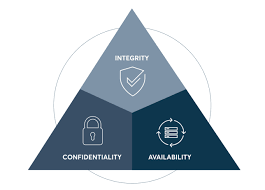
The three core principles of information security are confidentiality, integrity and availability. While these are broad categories that cover a wide range of potential scenarios, the specifics of your data and how you use it will dictate the policies and regulations with which your organization must comply. In addition to implementing strong data protection practices, it is also essential to prepare for the possibility of a data breach by testing your systems, educating employees and creating a recovery plan. Lastly, make sure to regularly delete any digital or physical copies of your sensitive data that are no longer needed, as this will reduce the risk of hackers finding it and exploiting it for their own gain.
Leave a Reply