
Solder Mask in Rigid Flex PCB
Mask in Rigid Flex PCB
Rigid flex pcb can be used to solve problems in many different applications, such as medical imaging equipment, military missile guidance systems, cameras and video cameras, wearable electronics, industrial robotics and automotive infotainment systems. They are also ideal for overcoming space constraints in electronic products that require a high degree of reliability and durability. They can even help reduce costs, as they allow for a reduction in the number of solder joints and other connectors. This is due to the fact that they can be folded and twisted to fit into tight or irregularly shaped spaces.
However, there are several challenges associated with rigid-flex circuit boards that need to be considered when designing them. One of the most important is ensuring that there are no copper exposed areas on the board. This is essential for preventing shorts and other failures, such as corrosion or electrical interference. The other challenge is making sure that the design is compatible with the manufacturing process and assembly techniques. This includes ensuring that the pads are large enough to accommodate the components, as well as avoiding any areas of the board where solder will be touching both the rigid and flex portions.
Another issue is the cost of rigid flex circuit boards. Depending on the complexity of the design, this type of PCB can be quite expensive to manufacture. This is because the rigid flex portion of the PCB must be carefully integrated with the rest of the circuit, and this can take up a lot of time and effort. It also requires careful consideration of materials and manufacturing processes that are compatible with the rigid-flex pcb.
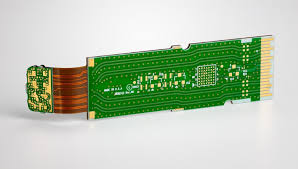
Solder Mask in Rigid Flex PCB
A key component of the rigid-flex circuit is the solder mask. This layer is designed to protect the copper traces from the soldering process and other contaminants that might damage them. The solder mask is typically made from epoxy or other material that is resistant to heat and chemicals. The solder mask also needs to be properly fitted over the pads, which can be a challenging task when dealing with fine-pitch pads.
Using the Allegro PCB Editor, designers can gain full control over solder mask shape and size. This is done by modifying the padstack element in the Padstack Editor, and the resulting rules can be added to the Constraint Manager. Creating rules that match fabrication and assembly guidelines can reduce the time required for design and verification, as well as minimize errors in the final product. Moreover, checking the fabrication and assembly rules in advance of the design phase can prevent costly mistakes that are often a result of untested assumptions about how a rigid-flex circuit will be manufactured. This ensures that the final PCB meets all standards and will be able to function reliably in the field. This is particularly important in complex electronics, such as mobile devices and automobiles. It can also improve the quality of the final product and make it more affordable for the consumer.
In conclusion, stencils are indispensable tools in rigid-flex PCB assembly, enabling precise deposition of solder paste and other assembly materials, controlling solder paste volume, and enhancing overall efficiency and reliability. Their importance underscores the critical role they play in the successful manufacturing of rigid-flex PCBs.
Leave a Reply