
The Role of Conformal Coating in Rigid Flex
Conformal Coating in Rigid Flex
Conformal coating is essential for protecting printed circuit boards (PCBs) from environmental hazards. It provides a barrier that protects the board from moisture, dust, humidity, and salt spray. It also prevents the growth of mold and other contaminants, which can damage the electrical components and shorten the life of the circuit. In addition, it can shield the board from chemical infringement and physical abrasion.
The type of conformal coating used depends on the PCB’s operating environment and the standards it must meet. It is important to choose the right coating material, since it can affect the performance of the board during vibrations and operating stresses. A rigid flex coating that does not flex with the board can create mechanical stress at connection points, such as component legs and wires soldered to the board. This can require changes in the board design or enclosure to manage the impact.
Coating thickness is another factor to consider. Thicker conformal coatings offer more protection against moisture and chemical contamination, but they may increase the risk of cracking under operating stresses or during vibrations. The coating material’s ability to adhere to the circuit board substrate is also an important consideration. The board substrate must be free of grease and dirt, and cleaning techniques such as solvents or an ultrasonic bath can help ensure proper adhesion.
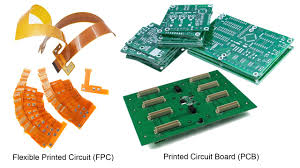
The Role of Conformal Coating in Rigid Flex
Many conformal coatings are sensitive to solvent removal, and the choice must be made based on the availability of a suitable solvent and the ability to remove the coating without damaging parts or components on the board. Acrylics are most sensitive to solvents, while epoxies and urethanes are less so. Silicone and parylene are not susceptible to solvents and can be removed by heat (thermal or burn-through), if necessary.
Conformal coatings can be applied in different ways, including dipping, spraying, brushing, and vapor deposition. The optimal application method depends on the dimensions of the board, the types of components and their placement, the production volume, and the budget. For smaller production quantities, brush or spray application is often the most practical option.
A primer must be used before applying most conformal coatings, but this requirement varies by the type of coating. For example, acrylics and epoxies don’t require a primer; however, polyurethanes and silicones do. Primers help to improve adhesion and provide a binding layer that helps retain the coating.
Choosing the right conformal coating for your flex PCB is essential to ensuring its functionality and longevity. Choosing the wrong coating can damage the board, which will result in costly repairs and wasted time, money, resources, and energy. It is important to consult with an expert PCB manufacturer to determine the best conformal coating for your specific needs.
Leave a Reply