
What is the significance of a Pcb production BOM?
significance of a Pcb production BOM
In PCB production, a Bill of Materials (BOM) is one of the most essential documents that ensures the smooth execution of the manufacturing process. The BOM acts as a comprehensive list of all the materials, components, and parts required to build a printed circuit board (PCB) and is a critical tool for both designers and manufacturers. It serves as a blueprint for the entire production process, helping to manage inventory, ensure component availability, and maintain quality control. This article explores the significance of a PCB production BOM and how it contributes to the efficiency and success of PCB manufacturing.
A PCB production BOM is a detailed document that outlines all the raw materials, components, and parts needed to assemble a PCB. This includes resistors, capacitors, microcontrollers, ICs (integrated circuits), connectors, and any other components required for the design. The BOM also provides essential information about each part, such as part numbers, specifications, quantities, reference designators, and sourcing details. It is typically created during the design phase of PCB development and is updated throughout the production process to reflect any changes or revisions.
One of the primary roles of the PCB production BOM is to guide the procurement process. The BOM helps manufacturers and suppliers identify which components need to be ordered, in what quantities, and from which suppliers. It ensures that all the necessary materials are sourced in a timely manner, reducing the risk of production delays due to component shortages. The BOM also provides critical information about the specifications and quality standards of each part, ensuring that the correct components are used in the manufacturing process.
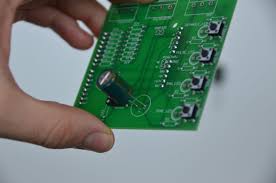
What is the significance of a Pcb production BOM?
In PCB production, managing inventory is crucial to maintaining efficiency and avoiding excess costs. The BOM helps manufacturers track the required components, ensuring that only the necessary quantities are ordered and used. By keeping a record of inventory levels, manufacturers can avoid overstocking or stockouts, both of which can lead to delays or unnecessary expenses. The BOM can also be integrated with inventory management systems to provide real-time updates on the availability of materials, streamlining the entire procurement and production process.
Another significant benefit of a pcb production BOM is its role in cost estimation. By listing all the components required for production along with their quantities, the BOM allows manufacturers to estimate the total cost of materials for the PCB assembly. This helps in setting a realistic budget and identifying areas where cost savings can be achieved. For example, if certain components are more expensive than others, the BOM provides visibility into these costs, allowing manufacturers to explore alternative sourcing options or adjust the design to reduce overall costs.
The PCB production BOM provides detailed information about the components and their placement on the PCB. This is critical for the assembly phase, as it ensures that the right components are soldered onto the correct locations on the board. The BOM also serves as a reference for manufacturers during the production process, guiding them through the various steps, such as component placement, soldering, and testing. By using the BOM as a guide, manufacturers can improve accuracy, reduce errors, and streamline the assembly process.
In PCB production, quality control is vital to ensure that each board meets the required standards and performs as expected. The BOM helps maintain quality control by providing detailed information about the components used in the PCB, making it easier to trace any issues that may arise during testing or operation. If a fault is detected in the PCB, the BOM allows manufacturers to trace the faulty component back to its source, ensuring that corrective actions can be taken. Additionally, the BOM helps verify that the correct components are being used, which is essential for maintaining product consistency and reliability.
For certain industries, such as medical, automotive, and aerospace, PCBs must meet strict regulatory standards. The BOM plays a key role in ensuring compliance with these standards by documenting the exact components used in the PCB. This is especially important for certification processes, as regulatory bodies may require detailed information about the materials and components used in the product. The BOM helps manufacturers demonstrate that the PCB meets safety, performance, and environmental standards, such as RoHS (Restriction of Hazardous Substances) compliance.
During the prototyping phase, a PCB production BOM is invaluable for ensuring that the prototype board is built according to the design specifications. It allows engineers to verify that the correct components are being used, ensuring the prototype performs as intended. Furthermore, as designs evolve or revisions are made, the BOM is updated to reflect changes in components or materials. This ensures that the production process remains accurate and that the final product matches the design intent. A well-maintained BOM facilitates smooth transitions between design iterations, reducing the likelihood of errors during production.
The PCB production BOM also serves as a communication tool between various stakeholders, including engineers, designers, procurement teams, and manufacturers. It ensures that all parties involved in the production process are on the same page regarding the components, quantities, and specifications. This reduces the chances of miscommunication, which could result in production delays, incorrect components being used, or quality issues. The BOM helps create a unified workflow, where all stakeholders can collaborate and track the progress of the project.
The PCB production BOM is a critical document that ensures the smooth execution of the manufacturing process. It plays a vital role in component sourcing, inventory management, cost estimation, assembly planning, and quality control. Additionally, it helps maintain regulatory compliance, improve collaboration, and streamline communication among all stakeholders involved in the production process. Without a detailed and accurate BOM, PCB production could face significant delays, errors, and cost overruns. As such, it is an indispensable tool that supports the efficient and reliable manufacturing of printed circuit boards.
Leave a Reply